
The Most Efficient Ways to Heat and Cool a New In-law Suite in West Hartford
Adding an in-law suite to your West Hartford home creates a perfect opportunity to install an HVAC system designed specifically for the space. The right heating and cooling solution will keep your guests comfortable year-round while maximizing energy efficiency and minimizing utility costs. In Connecticut’s climate zone 5, where winters can drop below zero and summers bring high humidity, your in-law suite needs equipment that can handle both extremes without wasting energy. High Efficiency AC Options for Luxury Homes in Glastonbury.
The most efficient approach starts with understanding your space. A typical in-law suite ranges from 400 to 800 square feet and often sits as a converted garage, basement apartment, or detached addition. These spaces have unique heating and cooling needs compared to the main house. They may be used intermittently, require independent temperature control, and need solutions that don’t require extensive ductwork modifications to your existing system. The Best Energy Efficient Boilers for Hartford Homes with Old Radiators.
For West Hartford homeowners, the answer often lies in ductless mini-split heat pumps. These systems provide both heating and cooling from a single unit, operate at up to 300% efficiency, and can be installed with minimal construction disruption. Modern mini-splits with inverter technology adjust their output to match the exact heating or cooling demand, eliminating the energy waste of traditional on-off cycling systems. HVAC Hartford.
Best HVAC Systems for Hartford ADUs
When choosing an HVAC system for your in-law suite, several options stand out for efficiency and performance in Connecticut’s climate. Each system offers different benefits depending on your specific situation, budget, and the suite’s layout.. Read more about Choosing Between Propane and Electric Heating for Your Rural Bolton Home.
Ductless Mini-Split Heat Pumps lead the efficiency charts with SEER2 ratings up to 28 and HSPF2 ratings up to 14. These wall-mounted or ceiling cassette units connect to an outdoor compressor through small refrigerant lines. They provide heating down to -13°F with hyper-heating models, making them perfect for Hartford winters. Installation typically costs $3,500 to $6,000 for a single-zone system covering 400-600 square feet.
Air Source Heat Pumps offer whole-home efficiency when you need to heat and cool multiple rooms. These systems use small ducts or can be installed as ducted mini-splits. They achieve SEER2 ratings of 18-22 and HSPF2 ratings of 10-12. For a 600-square-foot in-law suite, expect to pay $5,000 to $8,000 installed.
Package Terminal Air Conditioners (PTACs) work well for smaller spaces under 400 square feet. These through-the-wall units are common in hotels and provide both heating and cooling. While less efficient than mini-splits (SEER2 12-15), they cost less upfront at $1,500 to $2,500 installed and work well for occasional use.
| System Type | Efficiency (SEER2/HSPF2) | Cost Range | Best For |
|---|---|---|---|
| Ductless Mini-Split | 20-28 / 10-14 | $3,500-$6,000 | 400-800 sq ft, year-round use |
| Ducted Mini-Split | 18-22 / 10-12 | $5,000-$8,000 | Multiple rooms, whole-suite control |
| PTAC Unit | 12-15 / N/A | $1,500-$2,500 | Under 400 sq ft, occasional use |
Modern inverter-driven compressors make today’s heat pumps vastly different from older models. These compressors vary their speed instead of cycling on and off, maintaining precise temperatures while using minimal electricity. A 12,000 BTU inverter mini-split might use only 800 watts on mild days compared to 1,500 watts for a conventional unit. Compressor Failure Repair.
Connecticut Building Codes & ADU Requirements
Installing HVAC in an in-law suite requires compliance with Connecticut State Building Code, which follows International Mechanical Code (IMC) standards. West Hartford enforces these codes through its building department, and permits are required for all new HVAC installations. Department of Energy heat pump guide.
Permit Requirements: Any new HVAC installation needs a mechanical permit from West Hartford’s building department. This includes mini-splits, heat pumps, and PTAC units. The permit process ensures your system meets minimum efficiency standards and is installed safely. Most permits cost $150 to $300 and require a licensed HVAC contractor to pull them.
Energy Efficiency Standards: Connecticut follows IECC 2021 energy codes, requiring minimum SEER2 ratings of 15 for cooling equipment and HSPF2 ratings of 8.5 for heat pumps. These standards ensure your new system won’t waste energy. West Hartford also offers expedited permitting for ENERGY STAR certified equipment.
Refrigerant Regulations: EPA Section 608 regulations govern refrigerant handling. All HVAC technicians must be certified to work with refrigerants, and systems must be properly charged and tested for leaks. This protects both the environment and your investment.
West Hartford’s zoning regulations for accessory dwelling units (ADUs) require separate HVAC systems from the main house. This ensures independent temperature control and prevents system overload. Your in-law suite must also have proper ventilation, with mechanical fresh air systems required for spaces under 500 square feet.. Read more about Balancing the Temperature in a Large Multi Generational House in Northeast Hartford.
Addressing the Hartford Climate: Heating vs. Cooling
West Hartford sits in ASHRAE climate zone 5, where temperatures range from -10°F in winter to 95°F in summer with high humidity. This climate demands HVAC equipment that excels at both heating and cooling while handling humidity effectively.. Read more about Creating a Dedicated HVAC Zone for Your West Hartford Home Office.
Winter Performance: Standard heat pumps lose efficiency below 35°F and may shut off entirely around 20°F. However, modern cold-climate heat pumps with hyper-heating technology maintain full heating capacity down to -13°F. These units use advanced compressors and refrigerant mixtures to extract heat even from frigid air. For Hartford’s polar vortex events, look for systems with electric resistance backup or dual-fuel capability.
Summer Humidity Control: Connecticut’s summer humidity often exceeds 80%, making effective dehumidification crucial. Mini-splits with variable-speed fans and intelligent controls remove moisture without overcooling. Look for systems with dedicated dehumidification modes that can run the fan slower to condense more water vapor from the air.
Temperature Swings: Hartford experiences rapid temperature changes, especially in spring and fall. Inverter technology handles these swings smoothly, adjusting output in small increments rather than turning on and off. This prevents the temperature fluctuations common with conventional systems.
Building Envelope Considerations: Your in-law suite’s insulation and air sealing dramatically affect HVAC efficiency. Poor insulation forces your system to work harder, increasing energy costs by 30% or more. Before installing new equipment, ensure walls, ceilings, and floors meet current insulation standards. Air sealing around windows, doors, and penetrations prevents drafts that make spaces feel colder in winter and hotter in summer.
Cost Analysis & Energy Rebates
Installing efficient HVAC for your in-law suite represents a significant investment, but Connecticut’s energy efficiency programs can reduce costs by thousands of dollars. Understanding the total cost picture helps you make informed decisions.. Read more about Understanding SEER2 Ratings and How They Impact Your Next AC Purchase in Hartford.
Installation Costs: A quality ductless mini-split system for a 600-square-foot in-law suite typically costs $4,500 to $7,000 installed. This includes the indoor unit, outdoor compressor, refrigerant lines, electrical work, and basic smart thermostat. Higher-end systems with advanced filtration or zoning controls can reach $8,000 to $10,000.
Operating Costs: Efficient heat pumps cost significantly less to operate than electric resistance heating or propane. A 12,000 BTU mini-split running 8 hours daily might cost $25 to $35 monthly in electricity during peak heating season. Compare this to $80 to $120 monthly for electric baseboard heating.
Energize Connecticut Rebates: The state’s energy efficiency program offers rebates for high-efficiency HVAC equipment. Mini-splits with SEER2 ratings above 18 and HSPF2 ratings above 10 qualify for $300 to $500 rebates. Heat pumps meeting cold-climate standards can receive up to $750 in rebates. These rebates are available through utilities like Eversource and United Illuminating.
Federal Tax Credits: The Inflation Reduction Act provides tax credits for qualifying HVAC equipment. You can claim 30% of the equipment cost up to $2,000 for heat pumps meeting certain efficiency standards. This credit applies to both primary and secondary residences, making it perfect for in-law suites.
Utility Programs: Eversource offers additional rebates for customers who participate in energy assessments. United Illuminating provides special rates for heat pump users through their Energize Connecticut partners. These programs can stack with state rebates for maximum savings.
Call (959) 203-9992 today to learn which rebates you qualify for and get a detailed cost analysis for your specific in-law suite project.
ADU HVAC Case Study: Hartford Project Spotlight
The Thompson family in West Hartford’s Elmwood neighborhood recently converted their 1950s garage into a 600-square-foot in-law suite for visiting family members. The project highlighted several key considerations for efficient HVAC installation in older structures.. Read more about Heating a Drafty Cape Cod in West Hartford – Why the Second Floor Always Stays Cold.
The Challenge: The garage conversion had minimal insulation in the existing walls and a concrete slab floor that stayed cold in winter. The space would be used intermittently, requiring a system that could quickly heat or cool without wasting energy when unoccupied. The homeowners wanted independent temperature control from the main house.
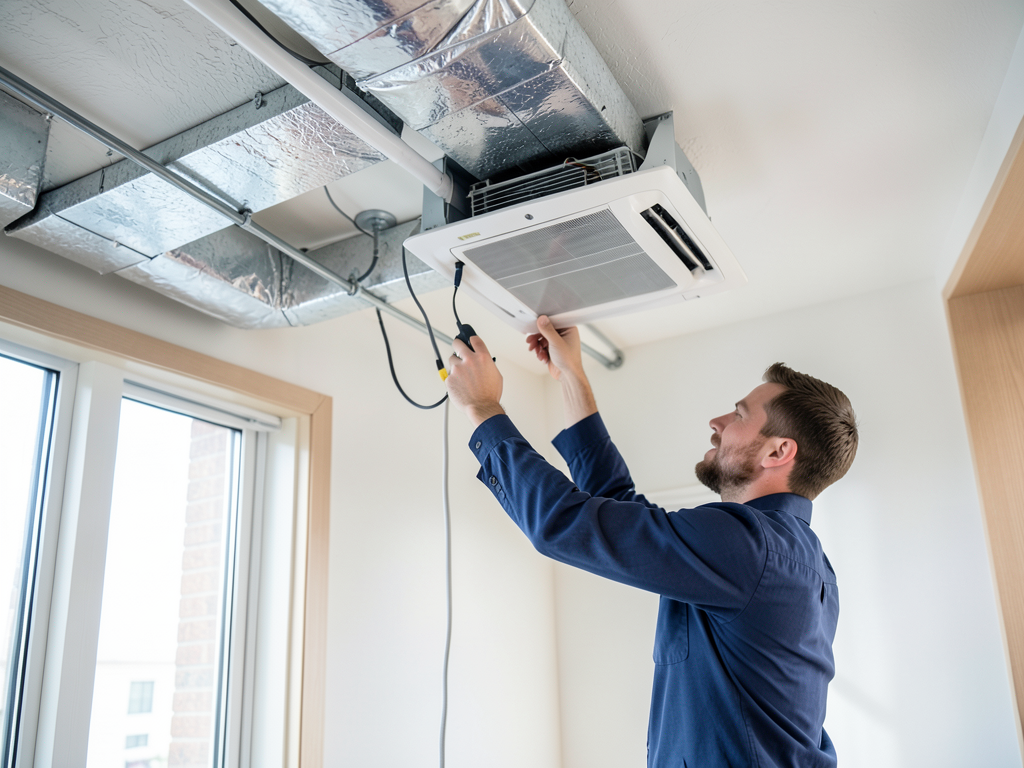
The Solution: We installed a Mitsubishi Hyper-Heating INVERTER® system with a ceiling cassette indoor unit and compact outdoor compressor. The system provides 24,000 BTU of heating capacity down to -13°F and 24,000 BTU of cooling. We added R-19 insulation to the walls and R-30 to the ceiling before installation.
Results: The system maintains 72°F in winter even when outdoor temperatures drop to 0°F. Summer humidity stays below 55%, and the suite reaches comfortable temperatures within 15 minutes of startup. The homeowners report 40% lower energy costs compared to their previous electric baseboard heating system.
Key Lessons: The project demonstrated that proper insulation dramatically impacts HVAC efficiency. The added insulation cost $1,200 but reduced the required system size by 30%, saving $1,500 on equipment. The ceiling cassette preserved wall space for furniture while providing even air distribution throughout the open floor plan.
Diagnostic Process: Before installation, we performed a Manual J load calculation to determine exact heating and cooling requirements. This calculation considered the suite’s orientation, window placement, insulation levels, and expected occupancy patterns. The result showed a 19,000 BTU heating load and 20,000 BTU cooling load, confirming the 24,000 BTU system would provide adequate capacity with room for extreme weather.
Ready to create the perfect climate for your in-law suite? Call (959) 203-9992 to schedule your free consultation and load calculation.
Frequently Asked Questions
How long does it take to install HVAC in an in-law suite?
Most mini-split installations take one to two days. The indoor unit mounts to a wall or ceiling, the outdoor compressor sets on a pad or wall bracket, and refrigerant lines run through a small hole in the wall. Electrical connections and system charging add another few hours. Total project time from consultation to completion is typically one to two weeks.
Can I use my existing HVAC system for the in-law suite?
Extending existing ductwork often proves inefficient and may overload your current system. Most in-law suites require separate HVAC to maintain proper temperature control and prevent strain on your main system. Mini-splits provide the most efficient independent solution without major construction.
What maintenance does a mini-split system need?
Clean the air filter monthly during heavy use periods. Professional maintenance once yearly includes checking refrigerant levels, cleaning coils, and testing electrical connections. These simple steps keep your system running at peak efficiency for 15-20 years.. Read more about Getting a Professional Second Opinion for a Red Tagged Furnace in West Hartford.
Are mini-splits noisy?
Modern mini-splits operate at 19-30 decibels indoors, quieter than a whisper. The outdoor unit produces 50-60 decibels, similar to light rain. Most homeowners find them much quieter than window air conditioners or traditional HVAC systems.. Read more about How to Find a Quiet Air Conditioner That Won’t Annoy Your South Green Neighbors.
How do I control the temperature in the in-law suite?
Most mini-splits include remote controls and smartphone apps for easy temperature adjustment. Some systems integrate with smart home platforms like Google Home or Amazon Alexa. You can program schedules, set vacation modes, and monitor energy usage from anywhere.
What if I need heating during a power outage?
Standard mini-splits won’t operate without electricity. For backup heating, consider a small generator to power the system, or install a gas fireplace or electric resistance heater as emergency backup. Some homeowners add battery backup systems for critical circuits. For more information, visit Energize Connecticut rebates.
You may also find this helpful. Why Standard Air Conditioning Isn’t Enough for Your High End Wine Cellar in Avon.
You may also find this helpful. Why Variable Speed Inverter Technology is the Secret to Consistent Comfort in Wethersfield.
You may also find this helpful. Simple Ways to Improve Airflow in Your Upper Albany Multi Family Home.
{
“@context”: “https://schema.org”,
“@type”: “BlogPosting”,
“headline”: “The Most Efficient Ways to Heat and Cool a New In-law Suite in West Hartford”,
“description”: “Discover the most efficient HVAC solutions for your West Hartford in-law suite. Learn about mini-splits, heat pumps, and local rebates tailored to Connecticut’s climate.”,
“wordCount”: 1943,
“datePublished”: “2026-04-26T15:53:00.000Z”,
“dateModified”: “2026-04-26T15:53:00.000Z”,
“inLanguage”: “en-US”,
“mainEntityOfPage”: {
“@type”: “WebPage”,
“@id”: “https://libertyhvachartford.com”
},
“publisher”: {
“@type”: “LocalBusiness”,
“name”: “Liberty HVAC Hartford”,
“url”: “https://libertyhvachartford.com”
},
“author”: {
“@type”: “Organization”,
“name”: “Liberty HVAC Hartford”,
“url”: “https://libertyhvachartford.com”
},
“image”: {
“@type”: “ImageObject”,
“url”: “https://libertyhvachartford.com/wp-content/uploads/2026/03/the-most-efficient-ways-to-heat-and-cool-a-new-in-1.png”
}
}
{
“@context”: “https://schema.org”,
“@type”: “HVACBusiness”,
“name”: “Liberty HVAC Hartford”,
“url”: “https://libertyhvachartford.com”,
“address”: {
“@type”: “PostalAddress”,
“addressLocality”: “Hartford”
},
“areaServed”: {
“@type”: “City”,
“name”: “Hartford”
}
}
{
“@context”: “https://schema.org”,
“@type”: “FAQPage”,
“mainEntity”: [
{
“@type”: “Question”,
“name”: “How long does it take to install HVAC in an in-law suite?”,
“acceptedAnswer”: {
“@type”: “Answer”,
“text”: “Most mini-split installations take one to two days. The indoor unit mounts to a wall or ceiling, the outdoor compressor sets on a pad or wall bracket, and refrigerant lines run through a small hole in the wall. Electrical connections and system charging add another few hours. Total project time from consultation to completion is typically one to two weeks.”
}
},
{
“@type”: “Question”,
“name”: “Can I use my existing HVAC system for the in-law suite?”,
“acceptedAnswer”: {
“@type”: “Answer”,
“text”: “Extending existing ductwork often proves inefficient and may overload your current system. Most in-law suites require separate HVAC to maintain proper temperature control and prevent strain on your main system. Mini-splits provide the most efficient independent solution without major construction.”
}
},
{
“@type”: “Question”,
“name”: “What maintenance does a mini-split system need?”,
“acceptedAnswer”: {
“@type”: “Answer”,
“text”: “Clean the air filter monthly during heavy use periods. Professional maintenance once yearly includes checking refrigerant levels, cleaning coils, and testing electrical connections. These simple steps keep your system running at peak efficiency for 15-20 years.”
}
},
{
“@type”: “Question”,
“name”: “Are mini-splits noisy?”,
“acceptedAnswer”: {
“@type”: “Answer”,
“text”: “Modern mini-splits operate at 19-30 decibels indoors, quieter than a whisper. The outdoor unit produces 50-60 decibels, similar to light rain. Most homeowners find them much quieter than window air conditioners or traditional HVAC systems.”
}
},
{
“@type”: “Question”,
“name”: “How do I control the temperature in the in-law suite?”,
“acceptedAnswer”: {
“@type”: “Answer”,
“text”: “Most mini-splits include remote controls and smartphone apps for easy temperature adjustment. Some systems integrate with smart home platforms like Google Home or Amazon Alexa. You can program schedules, set vacation modes, and monitor energy usage from anywhere.”
}
},
{
“@type”: “Question”,
“name”: “What if I need heating during a power outage?”,
“acceptedAnswer”: {
“@type”: “Answer”,
“text”: “Standard mini-splits won’t operate without electricity. For backup heating, consider a small generator to power the system, or install a gas fireplace or electric resistance heater as emergency backup. Some homeowners add battery backup systems for critical circuits. For more information, visit Energize Connecticut rebates.”
}
}
]
}
{
“@context”: “https://schema.org”,
“@type”: “BreadcrumbList”,
“itemListElement”: [
{
“@type”: “ListItem”,
“position”: 1,
“name”: “Home”,
“item”: “https://libertyhvachartford.com”
},
{
“@type”: “ListItem”,
“position”: 2,
“name”: “Blog”,
“item”: “https://libertyhvachartford.com/blog”
},
{
“@type”: “ListItem”,
“position”: 3,
“name”: “The Most Efficient Ways to Heat and Cool a New In-law Suite in West Hartford”
}
]
}
{
“@context”: “https://schema.org”,
“@type”: “Service”,
“serviceType”: “HVAC”,
“provider”: {
“@type”: “LocalBusiness”,
“name”: “Liberty HVAC Hartford”,
“url”: “https://libertyhvachartford.com”
},
“areaServed”: {
“@type”: “City”,
“name”: “Hartford”
},
“description”: “Discover the most efficient HVAC solutions for your West Hartford in-law suite. Learn about mini-splits, heat pumps, and local rebates tailored to Connecticut’s climate.”
}