menu

Complete Furnace Maintenance Checklist for Hartford – Protect Your System from Connecticut's Harsh Temperature Swings

Liberty HVAC Hartford delivers comprehensive annual furnace inspection protocols designed specifically for Connecticut's freeze-thaw cycles, helping Hartford homeowners prevent costly mid-winter breakdowns through systematic preventative heating maintenance.

Slider Image 1
Slider Image 2
Slider Image 3
Slider Image 4
Slider Image 5
Slider Image 7
Slider Image 8
Slider Image 9
Slider Image 10
Slider Image 11

Why Hartford Furnaces Need Scheduled Maintenance Every Fall

Hartford's climate puts extraordinary stress on heating systems. Your furnace endures temperature swings from 90-degree summer humidity to sub-zero January cold snaps. This constant expansion and contraction degrades heat exchangers, cracks ignitor ceramics, and loosens electrical connections faster than equipment in milder regions.

Most Hartford furnaces sit idle for six months, then suddenly fire up in late October when overnight temps drop into the 30s. Without proper seasonal furnace service, you're asking a dormant system to perform under full load with zero warning. Dust accumulates on burners, pilot assemblies corrode from summer humidity, and blower motors seize from disuse.

A furnace tune-up checklist addresses these specific vulnerabilities before they trigger emergency repairs during the coldest weeks of the year. The difference between a $150 preventative heating maintenance visit and a $2,800 heat exchanger replacement often comes down to catching a hairline crack in September instead of discovering it when your family wakes up to a 52-degree house on Christmas morning.

Hartford's aging housing stock adds another layer of complexity. Many homes in the West End and Asylum Hill neighborhoods feature original ductwork from the 1940s and 50s. These systems leak conditioned air, force furnaces to cycle more frequently, and accelerate wear on components. A proper heating system maintenance protocol includes duct inspection to identify efficiency losses that standard tune-ups miss.

Annual furnace inspection isn't optional maintenance in Connecticut. It's the difference between reliable heat and desperate calls to HVAC companies during the first blizzard when everyone else had the same idea to skip their fall service.

Why Hartford Furnaces Need Scheduled Maintenance Every Fall
What a Professional Furnace Tune-Up Actually Includes

What a Professional Furnace Tune-Up Actually Includes

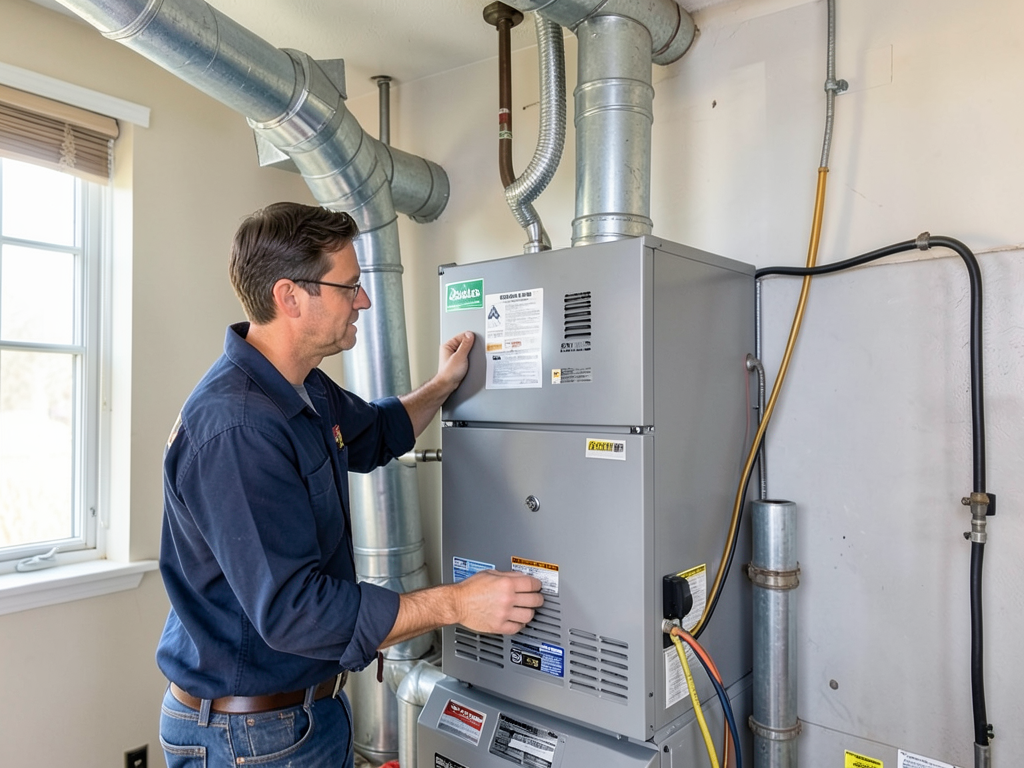
A legitimate heating system maintenance visit goes far beyond changing a filter and calling it good. Liberty HVAC Hartford follows a 32-point annual furnace inspection list that examines every component that affects safety, efficiency, and reliability.

We start by testing static pressure across the blower assembly. This measurement reveals duct restrictions, undersized returns, or failing motors before they cause overheating shutdowns. We measure amperage draw on the blower motor and compare it to nameplate specifications. A motor pulling 15% over rated amps will fail within months, but most homeowners never know until it quits entirely.

The heat exchanger inspection requires removing the blower assembly for visual access. We use a mirror and flashlight to check every panel for stress cracks, rust-through, or flame impingement patterns. A compromised heat exchanger allows combustion gases to mix with household air, creating a carbon monoxide hazard that kills people every winter. This step alone justifies the service call.

Burner inspection involves removing the burner assembly to clean ports, check for flame roll-out, and verify proper air-fuel mixture. Hartford's humidity causes surface oxidation on burner tubes that restricts gas flow and creates uneven flame patterns. We measure flame color and shape with the system under load, adjusting gas pressure if needed.

Ignition system testing varies by furnace type. Hot surface igniters crack from thermal cycling and need replacement every three to four years. We measure resistance across the ignitor and voltage supply from the control board. Intermittent ignition failures cause nuisance lockouts that leave you resetting the system multiple times per day.

The final step involves combustion analysis using a digital flue gas analyzer. We measure oxygen levels, carbon monoxide output, and combustion efficiency. A properly tuned gas furnace should operate at 78-82% efficiency with CO levels below 100 parts per million.

How We Complete Your Furnace Maintenance Visit

Complete Furnace Maintenance Checklist for Hartford – Protect Your System from Connecticut's Harsh Temperature Swings
01

System Diagnostic Testing

We arrive with calibrated testing equipment and begin by running your furnace through complete heating cycles. This reveals issues that only appear during actual operation, not when the system sits idle. We monitor cycle timing, temperature rise across the heat exchanger, and listen for abnormal sounds from the blower assembly or inducer motor that signal bearing wear.
02

Component Cleaning and Adjustment

After diagnostics, we disassemble and clean the burner assembly, flame sensor, and blower wheel. Hartford's humid summers corrode electrical connections and coat components with oxidation that prevents reliable operation. We tighten all electrical terminals, lubricate motor bearings where accessible, and adjust gas pressure to manufacturer specifications for optimal combustion efficiency.
03

Safety Verification and Documentation

The final phase involves testing all safety controls including the limit switch, pressure switches, and flame rollout sensor. We verify proper venting with a spillage test and document all measurements in your service record. You receive a written report detailing current system condition, any components approaching end of life, and recommendations for repairs that affect safety or efficiency.

Why Hartford Homeowners Choose Liberty HVAC for Annual Service

You need a technician who understands how Hartford's specific conditions affect heating equipment. We've serviced furnaces in every neighborhood from Parkville to the South End, and we know the common failure patterns in this region.

Hartford's housing diversity means we work on everything from 1920s gravity furnaces in Victorian homes near Elizabeth Park to high-efficiency modulating systems in new construction near Dunkin' Donuts Park. This breadth of experience matters when you own a 40-year-old furnace that still works but needs someone who remembers how these systems actually operate, not just a technician trained on modern equipment.

We also understand Hartford's municipal code requirements. Any furnace work beyond basic maintenance requires proper permits and inspections in certain situations. We know when permits apply, how to file them correctly, and what the building department expects for final inspection. This knowledge protects you from compliance issues that surface during home sales or insurance claims.

Local knowledge extends to equipment selection when replacement becomes necessary. Hartford's temperature extremes require properly sized equipment. Oversized furnaces short-cycle and fail prematurely. Undersized systems run continuously during January cold snaps and struggle to maintain comfort. We perform Manual J load calculations specific to your home's construction, insulation levels, and window quality rather than guessing based on square footage.

Our service vehicles carry Hartford-specific inventory. We stock ignitors, flame sensors, and control boards for the furnace brands common in this market. This means same-day repairs for most issues instead of waiting three days for parts shipment while you run space heaters.

We also maintain relationships with local suppliers, which matters during equipment shortages or when you need a specialty part for an older system. These connections kept Hartford homes heated during the supply chain disruptions when national companies couldn't source basic components.

What Happens During Your Scheduled Maintenance Visit

Service Timing and Scheduling

Schedule your annual furnace inspection between late August and early October, before Hartford's heating season begins in earnest. We offer specific appointment windows, not four-hour ranges that waste your entire day. Most maintenance visits take 60-90 minutes depending on furnace age and accessibility. We arrive with all necessary tools and common replacement parts to complete the work in a single visit. Emergency service remains available year-round if your furnace fails unexpectedly, but scheduled maintenance prevents most emergency situations from occurring in the first place.

Comprehensive System Evaluation

Your technician examines every component that affects performance, safety, and longevity. This includes testing thermostat calibration, inspecting ductwork connections near the furnace, checking condensate drain operation on high-efficiency systems, and measuring supply and return air temperatures. We test the emergency shutoff switch and verify proper clearances around the furnace cabinet. Gas furnaces receive leak testing at all connections using electronic detection equipment, not just soap bubbles. You receive honest feedback about component condition without pressure to buy unnecessary repairs.

Guaranteed Performance Results

After maintenance, your furnace operates at peak efficiency with verified safe combustion. You'll notice improved heating consistency, quieter operation, and lower utility bills compared to a neglected system. We guarantee all work for the entire heating season. If a component we serviced or tested fails during normal operation, we return to diagnose and repair the issue without charging a second diagnostic fee. This commitment reflects our confidence in thorough workmanship and protects you from paying twice for the same problem.

Ongoing Maintenance Support

We document every service visit in your permanent maintenance record, creating a history that proves proper care if equipment fails under manufacturer warranty. You receive reminder notifications each fall before heating season arrives, making it easy to schedule your annual service without remembering on your own. Priority scheduling goes to existing maintenance customers, which matters when everyone suddenly wants service during the first cold snap. We also offer guidance on filter replacement schedules, thermostat programming for efficiency, and warning signs that indicate problems developing between annual visits.

Frequently Asked Questions

You Have Questions,
We Have Answers

What maintenance should be done on a furnace? +

A proper furnace maintenance routine includes inspecting and cleaning the burner assembly, checking gas connections for leaks, testing the thermostat calibration, and examining the heat exchanger for cracks. Replace the air filter, lubricate motor bearings, and clean the blower assembly. Check electrical connections and tighten loose wires. Test the ignition system and flame sensor. Inspect the flue pipe for blockages or corrosion. In Hartford's humid climate, check the condensate drain for clogs. Measure carbon monoxide levels for safety. Verify proper airflow and adjust the blower speed if needed. Test safety controls and the limit switch.

What is included in a furnace tune-up? +

A furnace tune-up covers filter replacement, burner cleaning, and flame sensor inspection. The technician tests ignition components, checks gas pressure, and inspects the heat exchanger for damage. Electrical connections get tightened and tested. The blower motor receives lubrication if needed. Safety controls like the limit switch and rollout switches get verified. The technician measures temperature rise across the heat exchanger and checks for proper combustion. Hartford homeowners benefit from condensate drain clearing due to high humidity. The thermostat gets calibrated, and carbon monoxide levels are tested to confirm safe operation before winter.

Do it yourself furnace tune-up? +

You can handle basic tasks like replacing filters monthly and keeping vents clear of furniture and debris. Clean visible dust from the blower compartment and check the thermostat batteries. However, skip internal work on gas connections, electrical components, and combustion chambers. These require specialized tools and training. Hartford's freeze-thaw cycles can hide cracks in heat exchangers that only professionals spot. Improper adjustments to gas pressure or ignition timing create carbon monoxide risks. You risk voiding warranties or causing expensive damage. Leave burner adjustments, safety control testing, and pressure checks to licensed technicians who carry proper insurance.

What is the most common part to fail on a furnace? +

The ignitor fails most often in modern furnaces. These ceramic or silicon carbide components crack from repeated heating and cooling cycles. Hartford's temperature swings stress ignitors faster than moderate climates. Hot surface ignitors typically last three to five years before replacement becomes necessary. The flame sensor ranks second, collecting carbon buildup that prevents the furnace from staying lit. Limit switches also fail frequently when airflow problems cause overheating. Blower motors wear out from constant use, particularly in older units. Capacitors degrade over time and prevent motors from starting properly during cold Hartford mornings.

What is the $5000 rule? +

The 5000 rule is a calculation method to decide between repair and replacement. Multiply the age of your furnace by the estimated repair cost. If the result exceeds 5000, replacement makes better financial sense than repair. For example, a 15-year-old furnace needing a 400-dollar repair equals 6000, suggesting replacement. This rule accounts for efficiency losses in aging equipment and the likelihood of additional failures. Hartford homeowners should consider local energy costs and available rebates when applying this guideline. The rule works best for major component failures like heat exchangers or compressors rather than simple fixes.

What's the average cost of a furnace tune-up? +

Furnace tune-ups in Hartford typically range from 80 to 150 dollars for standard service. Prices vary based on system complexity, accessibility, and whether you have a maintenance agreement. High-efficiency models with variable-speed blowers or modulating burners may cost more to service. Emergency or off-season scheduling affects pricing. Multi-zone systems require additional time and cost more. The investment prevents expensive breakdowns during Hartford's coldest months when HVAC companies charge premium rates for emergency calls. Annual maintenance extends equipment life and maintains efficiency, offsetting the service cost through lower utility bills and fewer repairs.

Do you really need to have your furnace serviced every year? +

Yes, annual furnace servicing prevents 90 percent of breakdowns and maintains efficiency. Hartford's heating season runs October through April, stressing your system for six months straight. Annual maintenance catches small problems before they become expensive failures. Dirty burners reduce efficiency by 15 to 20 percent, wasting money on every heating cycle. Manufacturers require annual service to maintain warranties. Carbon buildup on flame sensors causes nuisance shutdowns during cold snaps when you need heat most. Regular cleaning extends component life and prevents dangerous carbon monoxide leaks. Schedule service in September before Hartford's heating demand spikes and technicians book solid.

What is the average cost of a full tune-up? +

A comprehensive furnace tune-up in Hartford costs between 80 and 150 dollars for residential systems. This includes filter replacement, burner cleaning, safety testing, and efficiency measurements. Premium service packages with detailed reports and priority scheduling may reach 200 dollars. Commercial systems cost more due to size and complexity. Older furnaces require more cleaning time and may cost extra. Some companies bundle furnace and air conditioning tune-ups at discounted rates. Maintenance agreements reduce per-visit costs and include perks like waived trip charges. Investment in annual service prevents expensive mid-winter repairs when emergency rates can triple standard pricing.

What is the most expensive part to fix on a furnace? +

The heat exchanger is the costliest furnace component to replace, often running 1200 to 2000 dollars installed. Heat exchangers crack from metal fatigue, corrosion, or overheating from restricted airflow. Replacement requires significant labor to disassemble the furnace cabinet. Many Hartford homeowners choose full furnace replacement instead since the repair approaches half the cost of new equipment. Control boards rank second at 400 to 800 dollars. Inducer motors cost 500 to 900 dollars. Variable-speed blower motors run 600 to 1000 dollars. When facing these repairs on furnaces over 15 years old, replacement often makes better financial sense.

What is the most common furnace problem? +

Dirty filters cause the most common furnace problems, restricting airflow and triggering limit switch shutdowns. Hartford's humidity promotes dust accumulation faster than dry climates. Clogged filters force blowers to work harder, increasing energy bills and shortening motor life. Ignition failures rank second, with dirty flame sensors or failed ignitors preventing the burner from lighting. Thermostat problems create comfort complaints when calibration drifts or batteries die. Blower motor issues cause weak airflow or no heat distribution. Tripped circuit breakers and blown fuses stop furnaces completely. Regular filter changes every 30 to 60 days prevent most service calls during Hartford's heating season.

How Hartford's Freeze-Thaw Cycles Accelerate Furnace Component Wear

Hartford experiences an average of 40 freeze-thaw cycles each winter, according to NOAA climate data for Bradley International Airport. These temperature swings from below freezing to above 40 degrees cause metal components to expand and contract repeatedly, creating stress fractures in heat exchangers and cracking ceramic ignitors. Homes in flood-prone areas near the Connecticut River also deal with basement humidity that corrodes burner assemblies and electrical connections faster than in drier climates. A preventative heating maintenance schedule accounts for this accelerated wear by replacing vulnerable components before they fail during sub-zero cold snaps when your furnace runs continuously for days.

Hartford enforces building codes through the Department of Development Services, which requires mechanical permits for furnace replacement and major repairs. Liberty HVAC Hartford maintains current licensing and understands local inspection requirements, protecting you from compliance issues that affect home sales or insurance coverage. We also know which Hartford neighborhoods have older homes with undersized electrical service that requires upgrading before installing high-efficiency furnaces. This local expertise prevents project delays and unexpected costs that out-of-area contractors discover mid-installation when they realize your 60-amp service can't support modern HVAC equipment.
HVAC Services in The Hartford Area

Liberty HVAC Hartford proudly serves the entire Hartford area and surrounding communities. We're a local business dedicated to our neighbors' comfort. Use the map below to pinpoint our location or to confirm that your home or business is within our primary service area. We are always ready to dispatch a professional, certified technician directly to your door for any heating or cooling need you may have, ensuring prompt and convenient service every single time.

Address:
Liberty HVAC Hartford, 15 N Main St, Hartford, CT, 06107

Additional Services We Offer

Our news updates

Latest Articles & News from The Blogs

Emergency Kitchen Exhaust and HVAC Repair for Downtown Hartford Restaurants When your kitchen exhaust system fails during a dinner rush…

Emergency Kitchen Exhaust and HVAC Repair for Downtown Hartford Restaurants

Emergency Kitchen Exhaust and HVAC Repair for Downtown Hartford Restaurants When your kitchen exhaust system fails during a dinner rush…

Why High Velocity Air Conditioning is the Best Choice for Historic Wethersfield Homes

Expert High Velocity AC Installation in Wethersfield, CT Historic Wethersfield homes built before 1950 often lack the space for traditional…

Keeping Your West End Mini Split Running Smoothly with a Professional Deep Clean

Professional Mini Split Cleaning in West End Hartford, CT Your mini split works hard to keep your West End home…

Contact Us

Don't wait until the first freeze to discover your furnace won't fire. Call Liberty HVAC Hartford at (959) 203-9992 to schedule your annual inspection. We'll ensure your heating system operates safely and efficiently all winter long.