




Bristol sits in the heart of Connecticut's climate extremes. Winter temperatures drop below 20 degrees, putting massive strain on furnaces and heat pumps running nonstop to keep homes comfortable. Summer brings 85-degree heat with thick humidity that forces air conditioners to work overtime removing moisture and cooling air. This freeze-thaw cycle is brutal on HVAC equipment.
The town's mix of historic homes near Federal Hill and newer construction in the Forestville district means diverse system types and ages. Older homes often have undersized ductwork or aging boilers that struggle with efficiency. Newer developments near Chippens Hill feature modern high-efficiency systems that require specialized knowledge when they fail. Bristol's location between Farmington Valley and the Litchfield Hills creates microclimates where temperature swings happen fast.
Lake Compounce Road and Route 6 corridor properties face road salt exposure that corrodes outdoor units. Homes near Tunxis Mead see higher humidity from the Pequabuck River, leading to condensation issues and mold risk. These local factors mean Bristol HVAC systems work harder and fail faster than equipment in milder climates.
Liberty HVAC Hartford has built a reputation across Bristol by showing up fast and fixing problems right. We answer emergency calls 24/7 because furnace failures and AC breakdowns do not wait for business hours. Our technicians arrive in fully equipped trucks with the most common parts already on board, which means most repairs finish the same day without return trips or delays.
We know Bristol homes. We have worked on century-old Victorians near Downtown with cast iron radiators and gravity furnaces. We have installed ductless mini-splits in Edgewood bungalows and serviced geothermal systems in newer Forestville subdivisions. This experience across different home types and system configurations means we diagnose problems faster and recommend solutions that actually fit your house and budget.
Our pricing is transparent from the start. Before any work begins, you get a clear explanation of what is wrong and how much the repair costs. No surprise charges, no upselling unnecessary replacements. If your system can be repaired, we repair it. If replacement makes more sense, we explain why and give you options at different price points.
We also focus on prevention. Regular maintenance catches small problems before they become expensive emergencies. A dirty flame sensor or worn contactor might seem minor, but either one can leave you without heat or cooling when you need it most. Our tune-up service keeps systems running efficiently and extends equipment life, which saves money over time.

We answer the phone at 3 AM on Christmas. Our emergency service is not an answering machine or a callback promise. You talk to a real person who dispatches a technician to your Bristol home fast. Furnace failures and AC breakdowns do not follow a schedule, and neither do we.

You know the cost before work starts. We diagnose the problem, explain what needs fixing, and give you a firm price. No time padding, no surprise fees, no pressure tactics. If you approve the repair, that price is what you pay when the job is done.
Our team holds certifications from major manufacturers like Carrier, Lennox, and Trane. We attend ongoing training on new refrigerants, control boards, and inverter technology. This expertise means accurate diagnosis and repairs that last, not temporary patches that fail again in weeks.
We understand how Bristol's climate and housing stock affect HVAC systems. From humidity issues near the Pequabuck River to undersized ductwork in Federal Hill homes, we have seen and solved the problems specific to this area. Local knowledge leads to better solutions.
Liberty HVAC Hartford handles every type of heating and cooling challenge Bristol homes face. Our service range covers emergency breakdowns that need immediate attention, planned installations when systems reach end of life, and preventive maintenance that keeps equipment running efficiently. We work on all major brands and fuel types, from natural gas furnaces to heat pumps to oil boilers.
Each service category addresses different homeowner needs. Emergency repairs focus on restoring comfort fast when systems fail unexpectedly. Installation and replacement services help you make smart decisions when equipment needs upgrading. Maintenance programs prevent problems before they start and extend system life. This comprehensive approach means one trusted company handles all your heating and cooling needs without juggling multiple contractors.
We also specialize in central air repair, AC service, and furnace troubleshooting across residential properties. Whether you need air conditioner repair before summer heat arrives or HVAC repair during a weekend breakdown, our technicians respond with the skills and parts to complete the job.
Furnaces quit during cold snaps. Air conditioners fail during heatwaves. These emergencies demand immediate response, not a next-day appointment. Our emergency repair service dispatches technicians around the clock to diagnose and fix heating and cooling failures fast. We arrive with diagnostic tools and common parts to complete most repairs on the first visit. Frozen pipes, tripped safety switches, failed compressors, cracked heat exchangers—we handle urgent HVAC problems that leave Bristol homes uncomfortable and unsafe.
When repair costs exceed replacement value or your system reaches 15-20 years old, installation makes financial sense. We help Bristol homeowners select properly sized equipment that matches their home, budget, and comfort goals. Our installation process includes load calculations to ensure correct sizing, ductwork evaluation to identify airflow problems, and professional commissioning to verify performance. We install furnaces, air conditioners, heat pumps, ductless mini-splits, and hybrid systems with manufacturer warranties and workmanship guarantees.
Regular maintenance is the difference between a system that runs 12 years and one that lasts 18. Our tune-up service includes cleaning coils, checking refrigerant levels, testing safety controls, lubricating motors, and inspecting electrical connections. We catch small problems like worn contactors or dirty flame sensors before they cause system failure. Spring AC tune-ups prepare cooling systems for summer heat. Fall furnace tune-ups ensure safe reliable heating through winter. Maintenance customers get priority scheduling and discounted repairs.
Bristol's climate creates predictable stress points for heating and cooling equipment. Cold winters force furnaces and heat pumps to run continuously for months, wearing out igniters, blower motors, and heat exchangers. Humid summers make air conditioners work harder removing moisture, which leads to frozen evaporator coils and condensate drain clogs.
The area's housing mix adds complexity. Older homes often have undersized ductwork that restricts airflow and reduces efficiency. Historic properties near Downtown may have outdated boilers or gravity furnaces that need specialized service. Newer construction sometimes features high-efficiency equipment with complex electronic controls that require manufacturer-specific training to diagnose properly.
Location matters too. Properties near Route 6 see more outdoor unit corrosion from road salt spray. Homes in lower elevations near the Pequabuck River deal with higher humidity and condensation issues. Understanding these local factors helps identify the real cause of comfort problems instead of just treating symptoms.
When temperatures drop below 20 degrees, Bristol furnaces run nonstop trying to maintain indoor comfort. This continuous operation stresses ignition systems, blower motors, and heat exchangers. Cracked heat exchangers are dangerous and require immediate replacement. Failed igniters leave homes without heat entirely. These problems strike without warning and need emergency service.
Connecticut summers bring heat and humidity that force air conditioners to work overtime. Compressors fail from overheating. Evaporator coils freeze from restricted airflow. Capacitors wear out from constant cycling. Condensate drains clog with algae and back up into homes. These failures turn upstairs bedrooms into saunas and make sleeping impossible without immediate AC repair.
Many Bristol homes struggle with temperature imbalance between floors. Upstairs bedrooms stay too hot in summer and too cold in winter while the main floor feels comfortable. This usually indicates ductwork problems like undersized returns, leaky joints, or poor design. Zoning systems or ductless mini-splits often provide better solutions than replacing the central system.
Systems older than 12-15 years waste energy compared to modern high-efficiency equipment. Dirty coils reduce heat transfer. Refrigerant leaks hurt cooling performance. Poorly sealed ductwork loses conditioned air to attics and crawlspaces. These inefficiencies compound into utility bills that cost hundreds more per year than necessary. Energy audits identify the biggest waste points.
We built our service process around what Bristol homeowners actually want during HVAC emergencies: fast response, clear communication, honest pricing, and repairs that last. From your first phone call to final system testing, you know what is happening and what it costs.
Our process eliminates the frustration of vague arrival windows and surprise charges. When you call with a heating or cooling problem, we give you a realistic timeframe and keep you updated if anything changes. Our technicians arrive in marked trucks with uniforms and ID badges. They protect your floors with shoe covers and explain what they find in plain language without technical jargon designed to confuse.
The diagnostic process is thorough but efficient. We test system operation, check safety controls, measure airflow and temperatures, and inspect components to find the root cause. You get a clear explanation of what failed, why it failed, and what it costs to fix. If multiple repair options exist, we present them with honest recommendations about which approach makes the most financial sense for your situation.
Emergency calls get immediate dispatcher attention. We give you an estimated arrival time and text when the technician is 30 minutes away. No all-day waiting windows. If an earlier job runs long, we contact you proactively with an updated ETA. For non-emergency service, we offer convenient scheduling that works around your availability, including evening and weekend appointments that fit busy schedules without taking time off work.
Our technicians explain what they find in terms you understand. You see the failed part and learn why it matters to system operation. Before any repair work begins, you receive a firm price quote that includes parts, labor, and any necessary materials. This quote does not change unless you approve additional work. You decide whether to proceed with full information about costs and benefits.
We use OEM or equivalent quality replacement parts, not cheap substitutes that fail quickly. Repairs are tested thoroughly before we leave to ensure proper operation. You receive warranty information for both parts and labor. If something is not right after we leave, we come back and make it right at no additional charge. Our goal is repair quality that lasts years, not patches that fail next season.
We keep the service process simple and transparent. No confusing steps or unnecessary delays. You get expert diagnosis, honest recommendations, and quality repairs completed efficiently so you can return to comfort fast.
Call (959) 203-9992 and speak directly with our team about your heating or cooling problem. We ask questions to understand the symptoms and prioritize emergency situations appropriately. You receive an estimated arrival time immediately. For emergencies, we often dispatch within the hour. For scheduled service, you pick the appointment time that works best for your schedule.
Our technician inspects your system thoroughly to identify the problem and any related issues that could cause future failures. You receive a detailed explanation of what is wrong and a firm price to fix it. We answer all your questions and present options if multiple repair approaches exist. Work only begins after you approve the price and scope.
We complete the approved repairs using quality parts and proper techniques. After installation, we test system operation through complete heating or cooling cycles to verify performance. You see the system running properly before we leave. We clean up our work area, explain what we did, provide warranty documentation, and answer any remaining questions about operation or maintenance.
Professional HVAC service in Connecticut requires adherence to state mechanical codes, EPA refrigerant handling regulations, and manufacturer specifications. Liberty HVAC Hartford follows these standards rigorously because proper installation and repair directly affects system performance, energy efficiency, and safety.
Connecticut follows a modified version of the International Mechanical Code with state-specific amendments. These codes govern everything from combustion air requirements to refrigerant line sizing to condensate drain installation. Furnace installations require proper venting per NFPA 54 National Fuel Gas Code to prevent carbon monoxide hazards. Heat pump installations must account for defrost cycle drainage and supplemental heat staging.
Refrigerant handling is regulated by EPA Section 608 certification requirements. Technicians must recover refrigerant properly before opening sealed systems, prevent venting to atmosphere, and document refrigerant quantities. The industry is transitioning from R-410A to newer A2L refrigerants like R-454B that require different handling procedures and updated equipment. Our technicians maintain current certifications and follow proper protocols.
Load calculations are critical for system sizing. Manual J calculations account for home size, insulation levels, window areas, and orientation to determine correct heating and cooling capacity. Oversized equipment short cycles and wastes energy. Undersized equipment runs constantly and fails prematurely. Proper sizing requires actual measurement and calculation, not guesswork based on square footage.
Ductwork design follows Manual D standards for proper airflow and pressure balance. Return air must be sized adequately to prevent negative pressure that affects combustion safety. Supply registers need proper placement and dampers for temperature balance. Duct leakage testing identifies losses that reduce efficiency. Sealing and insulating ducts in unconditioned spaces recovers significant energy waste.
HVAC installations in Bristol require mechanical permits and inspections. We handle permit applications, ensure work meets Connecticut mechanical code requirements, and schedule inspections. Unpermitted work creates liability issues and problems when selling your home. Code compliance protects your safety and investment.
Proper sizing requires Manual J load calculations based on your specific home characteristics. Bigger is not better with HVAC equipment. Oversized systems cost more upfront, cycle on and off frequently, and remove less humidity. Right-sized equipment runs longer cycles at lower capacity for better comfort and efficiency.
Installation quality determines how long equipment lasts and how efficiently it operates. Refrigerant lines must be sized properly, brazed with nitrogen purge, and evacuated to manufacturer specifications. Condensate drains need proper slope and trap configuration. Electrical connections require correct wire sizing and disconnect location per NEC requirements.
Manufacturers recommend annual maintenance to maintain warranties and ensure efficient operation. Spring AC tune-ups prepare cooling systems for summer demand. Fall furnace service catches safety issues before heating season. Regular filter changes are critical for airflow and indoor air quality. Neglected maintenance voids warranties and shortens equipment life significantly.
This video explains common HVAC problems Bristol, Connecticut homeowners face due to extreme climate conditions and local geographic factors. Topics include furnace failures during cold weather, air conditioner breakdowns in summer humidity, ductwork issues in older homes, and energy efficiency problems. The video covers diagnostic approaches, repair solutions, and maintenance strategies for heating and cooling systems. Liberty HVAC Hartford provides expert guidance on recognizing system warning signs and understanding when repair versus replacement makes financial sense for Bristol area properties.
Liberty HVAC Hartford provides heating and cooling service throughout Bristol and the surrounding central Connecticut region. Our service area extends across the diverse neighborhoods that make up this historic manufacturing city, from the tree-lined streets of Federal Hill where Victorian homes require specialized HVAC knowledge to the modern subdivisions in Forestville with high-efficiency systems.
We regularly service homes throughout the Edgewood section where post-war housing stock often needs system upgrades and ductwork improvements. The Downtown Bristol area presents unique challenges with its mix of converted commercial buildings and historic residential properties that require creative HVAC solutions to maintain comfort without compromising architectural character. Neighborhoods near Lake Avenue and Chippens Hill feature varied home sizes and ages that demand flexible service capabilities.
Properties along the Route 6 corridor from Terryville to the Farmington line face increased outdoor unit exposure to road salt and weather elements. We understand how these environmental factors affect equipment longevity and recommend appropriate protective measures. Homes in the southern sections near the Burlington town line often deal with different microclimates than properties in northern Bristol near the Plainville border.
The Pequabuck River corridor running through Bristol creates pockets of higher humidity that affect HVAC performance and indoor air quality. Homes near Memorial Boulevard and the Lake Compounce area experience these moisture challenges more acutely during summer months. Our technicians factor these geographic considerations into diagnosis and recommendations.
We also serve nearby communities including Plainville, Southington, New Britain, Farmington, and Burlington. This broader service area means we understand regional HVAC challenges across central Connecticut. Whether you live in a Colonial on Bellevue Avenue, a ranch near Wolcott Street, or a contemporary home in the Forestville district, our team has the experience to service your heating and cooling systems properly. Same-day emergency service extends throughout our entire coverage area because comfort emergencies do not respect municipal boundaries.
The $5000 rule helps you decide between repairing or replacing your system. Multiply the repair cost by your unit's age. If the result exceeds $5000, replacement makes more financial sense. For example, a $400 repair on a 15-year-old system equals $6000, suggesting replacement. Bristol homeowners face frequent temperature swings and high humidity, which stress older units. A new system offers better efficiency, lower monthly bills, and fewer emergency calls. If your unit is over 10 years old and needs expensive repairs, consider replacement before Connecticut's next harsh winter hits.
Replacing HVAC in a 2000 square foot Bristol home typically runs between $6000 and $12000, depending on system type and efficiency rating. Connecticut's climate demands reliable heating and cooling, so many residents choose mid-tier efficiency systems. Factors include ductwork condition, insulation quality, and whether you select a single-stage or variable-speed system. Bristol's mix of older and newer homes means ductwork modifications may add costs. A proper load calculation ensures correct sizing. Get multiple quotes from local contractors who understand Bristol's specific heating and cooling demands through freezing winters and humid summers.
HVAC job costs vary widely based on scope. A simple repair like replacing a capacitor runs $150 to $400. Refrigerant recharge costs $200 to $600. Thermostat replacement ranges from $120 to $350. Full system replacement for Bristol homes typically starts around $5000 and can exceed $15000 for high-efficiency equipment. Duct sealing or replacement adds $1500 to $5000. Emergency service calls cost more, especially during Bristol's extreme temperature days. Maintenance contracts run $150 to $300 yearly. Always get detailed written estimates before approving work, and ask about energy rebates available to Connecticut residents.
The $5000 rule helps you decide between repairing or replacing your system. Multiply the repair cost by your unit's age. If the result exceeds $5000, replacement makes more financial sense. For example, a $400 repair on a 15-year-old system equals $6000, suggesting replacement. Bristol homeowners face frequent temperature swings and high humidity, which stress older units. A new system offers better efficiency, lower monthly bills, and fewer emergency calls. If your unit is over 10 years old and needs expensive repairs, consider replacement before Connecticut's next harsh winter hits.
Replacing HVAC in a 2000 square foot Bristol home typically runs between $6000 and $12000, depending on system type and efficiency rating. Connecticut's climate demands reliable heating and cooling, so many residents choose mid-tier efficiency systems. Factors include ductwork condition, insulation quality, and whether you select a single-stage or variable-speed system. Bristol's mix of older and newer homes means ductwork modifications may add costs. A proper load calculation ensures correct sizing. Get multiple quotes from local contractors who understand Bristol's specific heating and cooling demands through freezing winters and humid summers.
HVAC job costs vary widely based on scope. A simple repair like replacing a capacitor runs $150 to $400. Refrigerant recharge costs $200 to $600. Thermostat replacement ranges from $120 to $350. Full system replacement for Bristol homes typically starts around $5000 and can exceed $15000 for high-efficiency equipment. Duct sealing or replacement adds $1500 to $5000. Emergency service calls cost more, especially during Bristol's extreme temperature days. Maintenance contracts run $150 to $300 yearly. Always get detailed written estimates before approving work, and ask about energy rebates available to Connecticut residents.
Whole system replacement in Bristol costs between $5000 and $15000 for most residential properties. This includes furnace or heat pump, air conditioner, and installation labor. Connecticut's temperature extremes require quality equipment. Entry-level systems with lower SEER ratings cost less but run higher monthly bills. Mid-range systems with 14-16 SEER ratings balance upfront cost with efficiency. High-efficiency systems cost more initially but reduce energy bills significantly. Your home's size, existing ductwork condition, and desired comfort features affect final price. Bristol contractors should perform load calculations to prevent oversizing, which wastes money and shortens equipment life.
The federal Energy Efficiency Tax Credit allows homeowners to claim up to 30% of qualifying HVAC equipment costs in 2025, with annual limits. Your new system must meet specific efficiency requirements: heat pumps need 8.0 HSPF2, central AC requires 16 SEER2. This credit applies to equipment and installation costs. Connecticut residents may also qualify for state rebates through Energize CT programs, which provide additional incentives for high-efficiency systems. Keep all receipts and manufacturer certification statements. Consult a tax professional to confirm eligibility, as rules change. These incentives help offset Bristol homeowners' investment in efficient heating and cooling systems.
The 2 foot rule requires maintaining at least 2 feet of clearance around outdoor condenser units for proper airflow. Bristol homeowners often let landscaping, storage, or snow accumulation block their units, reducing efficiency and causing premature failure. Your condenser needs unobstructed airflow to expel heat during cooling season. Clear vegetation, remove debris, and trim bushes regularly. During Connecticut winters, keep snow and ice cleared from around the unit. Never stack items against your condenser or build enclosures that restrict airflow. This simple maintenance step prevents overheating, reduces energy costs, and extends equipment life significantly.
Well-maintained HVAC systems last 15 to 20 years in Bristol, though Connecticut's temperature extremes can shorten lifespan. Furnaces typically last 15 to 20 years, while air conditioners run 10 to 15 years. Heat pumps average 10 to 15 years because they work year-round. Factors affecting lifespan include installation quality, maintenance frequency, system sizing, and usage patterns. Bristol's humid summers and freezing winters stress equipment more than moderate climates. Annual professional maintenance, regular filter changes, and prompt repairs extend life. If your system exceeds 12 years and needs frequent repairs, start budgeting for replacement before it fails during extreme weather.
A 16 SEER system offers better long-term value for Bristol homeowners despite higher upfront costs. The higher efficiency reduces monthly electric bills by roughly 20% compared to 13 SEER units. Connecticut's hot, humid summers mean your AC runs frequently, making efficiency gains meaningful. You will recoup the price difference through lower energy costs within 5 to 8 years. Higher SEER systems also provide better humidity control and quieter operation. If you plan to stay in your Bristol home long-term, choose 16 SEER. For short-term ownership or budget constraints, 14 SEER offers a middle ground between cost and efficiency.
HVAC replacement costs in 2025 range from $5500 to $16000 for Bristol residential properties. Inflation and supply chain factors continue affecting equipment prices. Basic single-stage systems start around $5500 installed. Mid-efficiency two-stage systems with 15-16 SEER run $7500 to $11000. High-efficiency variable-speed systems with 18+ SEER exceed $12000. Connecticut's climate justifies investing in reliable equipment. Labor costs remain stable locally. Federal tax credits offset 30% of qualifying equipment costs, making high-efficiency systems more affordable. Get quotes from multiple Bristol contractors and compare equipment specifications, not just total price. Factor in long-term energy savings when deciding.
Homeowners insurance rarely covers HVAC repairs from normal wear and tear or lack of maintenance. Insurance may cover damage from covered perils like fire, lightning strikes, vandalism, or falling trees. If a storm damages your outdoor unit or a covered event causes system failure, file a claim with documentation. Connecticut winters can cause ice dam damage that affects ductwork, which might qualify for coverage. Review your policy details and deductibles before filing. Most Bristol homeowners pay HVAC repairs out of pocket. Consider a home warranty or maintenance plan for predictable repair coverage. Regular maintenance prevents most failures insurance would not cover anyway.
Whole system replacement in Bristol costs between $5000 and $15000 for most residential properties. This includes furnace or heat pump, air conditioner, and installation labor. Connecticut's temperature extremes require quality equipment. Entry-level systems with lower SEER ratings cost less but run higher monthly bills. Mid-range systems with 14-16 SEER ratings balance upfront cost with efficiency. High-efficiency systems cost more initially but reduce energy bills significantly. Your home's size, existing ductwork condition, and desired comfort features affect final price. Bristol contractors should perform load calculations to prevent oversizing, which wastes money and shortens equipment life.
The federal Energy Efficiency Tax Credit allows homeowners to claim up to 30% of qualifying HVAC equipment costs in 2025, with annual limits. Your new system must meet specific efficiency requirements: heat pumps need 8.0 HSPF2, central AC requires 16 SEER2. This credit applies to equipment and installation costs. Connecticut residents may also qualify for state rebates through Energize CT programs, which provide additional incentives for high-efficiency systems. Keep all receipts and manufacturer certification statements. Consult a tax professional to confirm eligibility, as rules change. These incentives help offset Bristol homeowners' investment in efficient heating and cooling systems.
The 2 foot rule requires maintaining at least 2 feet of clearance around outdoor condenser units for proper airflow. Bristol homeowners often let landscaping, storage, or snow accumulation block their units, reducing efficiency and causing premature failure. Your condenser needs unobstructed airflow to expel heat during cooling season. Clear vegetation, remove debris, and trim bushes regularly. During Connecticut winters, keep snow and ice cleared from around the unit. Never stack items against your condenser or build enclosures that restrict airflow. This simple maintenance step prevents overheating, reduces energy costs, and extends equipment life significantly.
Well-maintained HVAC systems last 15 to 20 years in Bristol, though Connecticut's temperature extremes can shorten lifespan. Furnaces typically last 15 to 20 years, while air conditioners run 10 to 15 years. Heat pumps average 10 to 15 years because they work year-round. Factors affecting lifespan include installation quality, maintenance frequency, system sizing, and usage patterns. Bristol's humid summers and freezing winters stress equipment more than moderate climates. Annual professional maintenance, regular filter changes, and prompt repairs extend life. If your system exceeds 12 years and needs frequent repairs, start budgeting for replacement before it fails during extreme weather.
A 16 SEER system offers better long-term value for Bristol homeowners despite higher upfront costs. The higher efficiency reduces monthly electric bills by roughly 20% compared to 13 SEER units. Connecticut's hot, humid summers mean your AC runs frequently, making efficiency gains meaningful. You will recoup the price difference through lower energy costs within 5 to 8 years. Higher SEER systems also provide better humidity control and quieter operation. If you plan to stay in your Bristol home long-term, choose 16 SEER. For short-term ownership or budget constraints, 14 SEER offers a middle ground between cost and efficiency.
HVAC replacement costs in 2025 range from $5500 to $16000 for Bristol residential properties. Inflation and supply chain factors continue affecting equipment prices. Basic single-stage systems start around $5500 installed. Mid-efficiency two-stage systems with 15-16 SEER run $7500 to $11000. High-efficiency variable-speed systems with 18+ SEER exceed $12000. Connecticut's climate justifies investing in reliable equipment. Labor costs remain stable locally. Federal tax credits offset 30% of qualifying equipment costs, making high-efficiency systems more affordable. Get quotes from multiple Bristol contractors and compare equipment specifications, not just total price. Factor in long-term energy savings when deciding.
Homeowners insurance rarely covers HVAC repairs from normal wear and tear or lack of maintenance. Insurance may cover damage from covered perils like fire, lightning strikes, vandalism, or falling trees. If a storm damages your outdoor unit or a covered event causes system failure, file a claim with documentation. Connecticut winters can cause ice dam damage that affects ductwork, which might qualify for coverage. Review your policy details and deductibles before filing. Most Bristol homeowners pay HVAC repairs out of pocket. Consider a home warranty or maintenance plan for predictable repair coverage. Regular maintenance prevents most failures insurance would not cover anyway.
Liberty HVAC Hartford proudly serves the entire Hartford area and surrounding communities. We're a local business dedicated to our neighbors' comfort. Use the map below to pinpoint our location or to confirm that your home or business is within our primary service area. We are always ready to dispatch a professional, certified technician directly to your door for any heating or cooling need you may have, ensuring prompt and convenient service every single time.
Address:
Bristol, CT, 6010
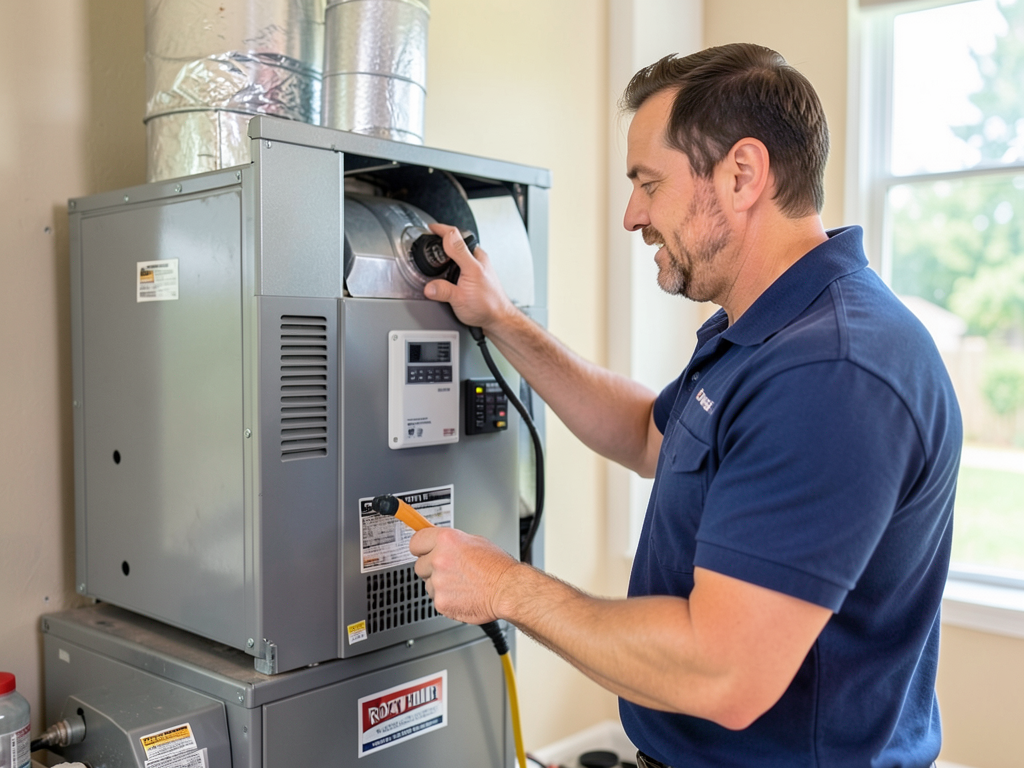
Why a Variable Speed Furnace is the Secret to Ending Hot and Cold Spots in Your Rocky Hill House Living in a home where one room feels like an icebox while another is a sauna…
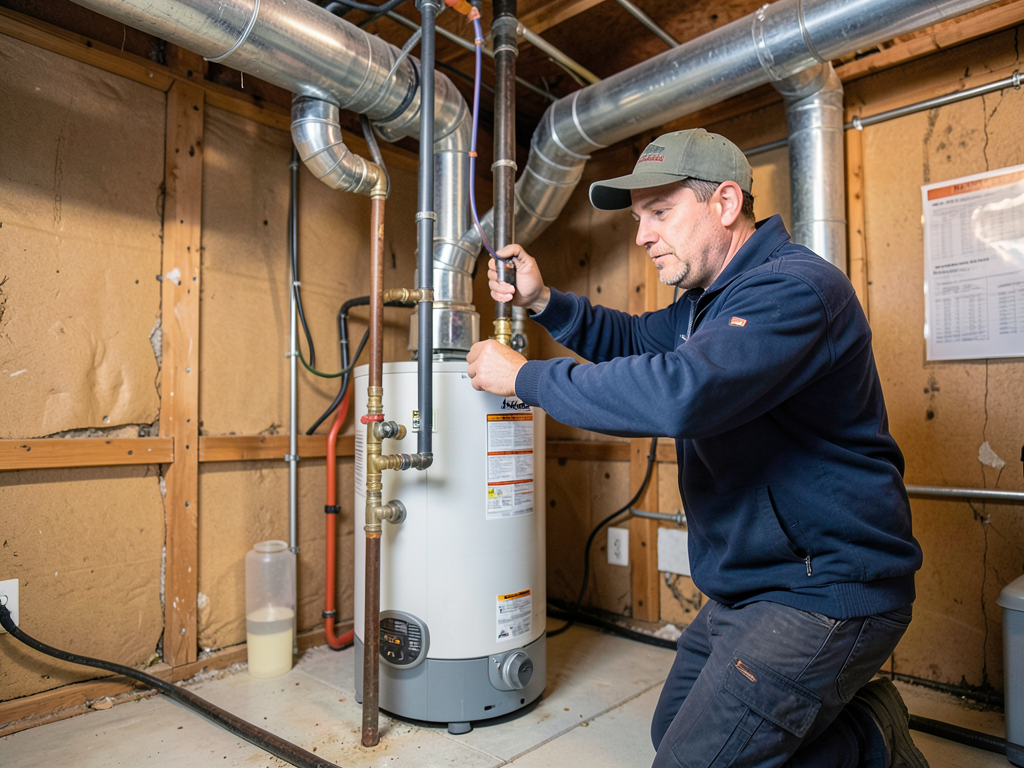
Why Farmington Winters Threaten Your Hardwood Floors Your Farmington home's oak maple or cherry floors…
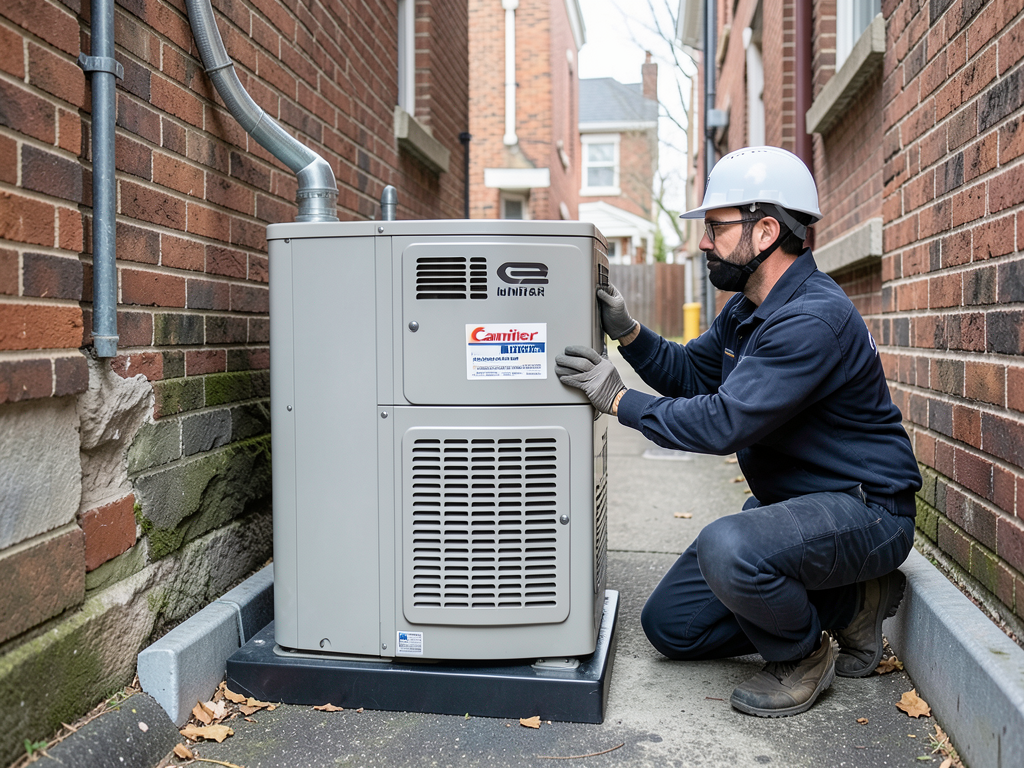
Why Sound Levels Matter in Hartford’s Blue Hills Neighborhood Living in Blue Hills means homes…
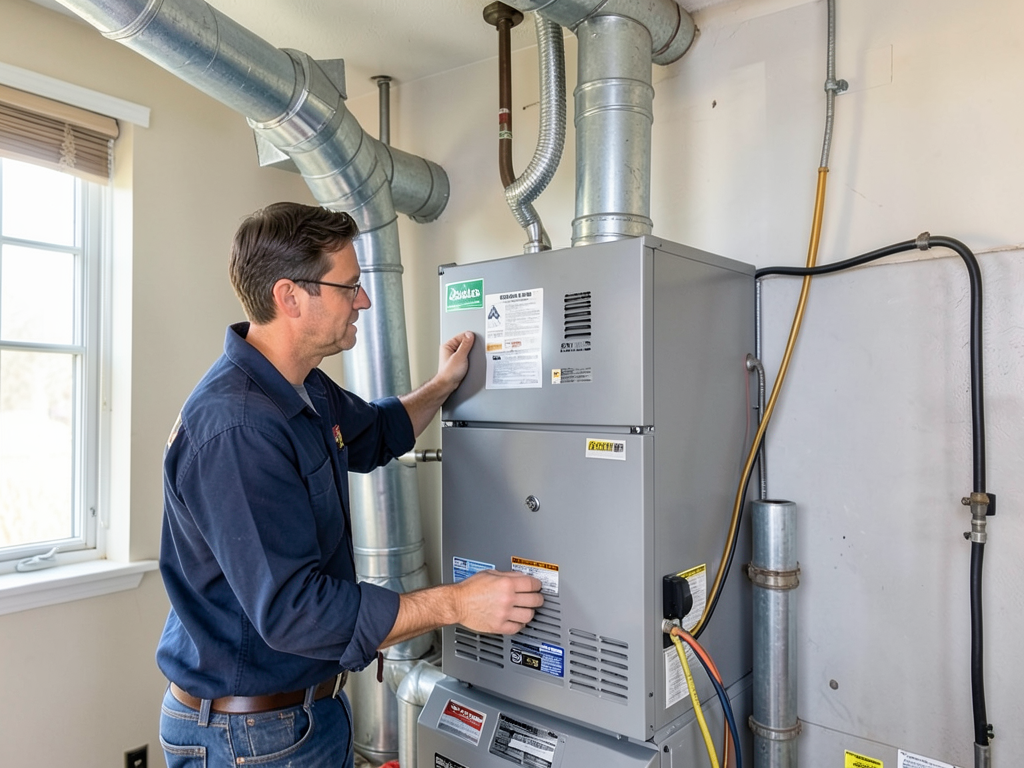
Comparing the Pros and Cons of Oil to Natural Gas Conversions in the South End…
Your comfort matters. Call Liberty HVAC Hartford at (959) 203-9992 for immediate dispatch to your Bristol home. We answer 24/7 because furnace failures and AC breakdowns happen on weekends and holidays. Our technicians respond fast with the parts and skills to restore your heating and cooling today.