menu

Furnace Repair & Heating Service in Hartford | Expert Diagnosis and Full-System Solutions for Connecticut Winters

From faulty igniters to cracked heat exchangers, Liberty HVAC Hartford delivers comprehensive furnace repair and heating service across Hartford's residential and commercial properties, restoring warmth and efficiency when you need it most.

Slider Image 1
Slider Image 2
Slider Image 3
Slider Image 4
Slider Image 5
Slider Image 7
Slider Image 8
Slider Image 9
Slider Image 10
Slider Image 11

Why Hartford Furnaces Fail When the Temperature Drops

Hartford's freeze-thaw cycles put extreme stress on heating systems. When temperatures swing from 15 degrees to 40 degrees in a single week, furnace components expand and contract. This causes limit switches to fail, blower motors to seize, and heat exchangers to crack. The result is a cold home and a potential carbon monoxide risk.

Many Hartford homes were built between 1920 and 1960, and their forced-air systems were retrofitted decades later. Original ductwork often lacks proper insulation. Cold air seeps in from unheated basements and crawl spaces. Your furnace runs longer cycles to compensate, wearing out the igniter, flame sensor, and pressure switch faster than normal.

High humidity in spring and fall accelerates corrosion inside your furnace cabinet. Condensation forms on metal surfaces. Rust develops on the blower wheel and burner assembly. When winter arrives, these corroded parts fail under load.

Heating system repair in Hartford requires understanding these local conditions. A generic tune-up will not address the unique wear patterns caused by Connecticut's climate. Residential furnace repair must account for older housing stock, undersized ductwork, and the mechanical fatigue caused by constant temperature swings. Central heating maintenance in Hartford means inspecting for rust, testing safety controls under actual load conditions, and verifying heat exchanger integrity before the heating season begins.

When your heater repair services come from technicians who know Hartford's building stock and weather patterns, you get repairs that last.

Why Hartford Furnaces Fail When the Temperature Drops
How We Diagnose and Repair Furnaces in Hartford Homes

How We Diagnose and Repair Furnaces in Hartford Homes

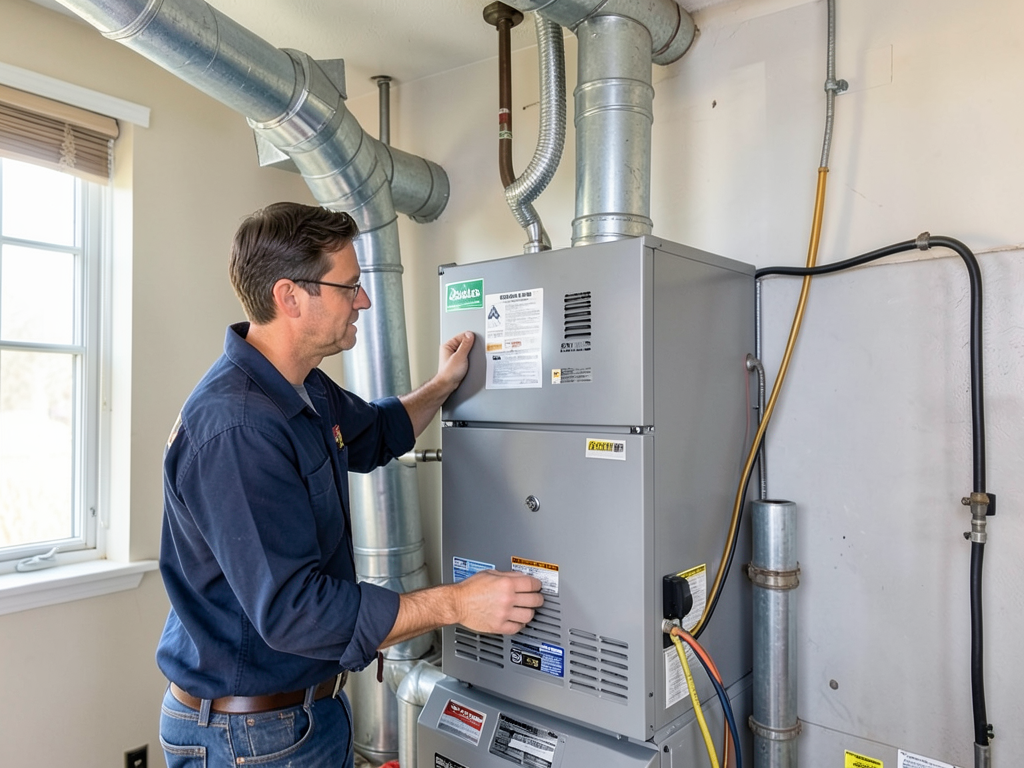
We start every home heating service call with a full electrical diagnostic. We test voltage at the transformer, check continuity across the limit switch, and measure current draw at the inducer motor. Many furnace failures in Hartford stem from weak electrical connections that degrade over time in humid conditions.

Next, we inspect the heat exchanger with a combustion analyzer and camera scope. Cracked heat exchangers are common in Hartford's older furnaces, especially those oversized for the home. A cracked exchanger allows combustion gases to mix with your indoor air. We test for carbon monoxide leakage at multiple points in the system.

We pull the burner assembly to inspect the flame sensor and igniter. Hartford's hard water creates mineral deposits on these components. A dirty flame sensor causes nuisance shutdowns. A weakened igniter cracks under thermal stress. We clean or replace these parts based on measured resistance values.

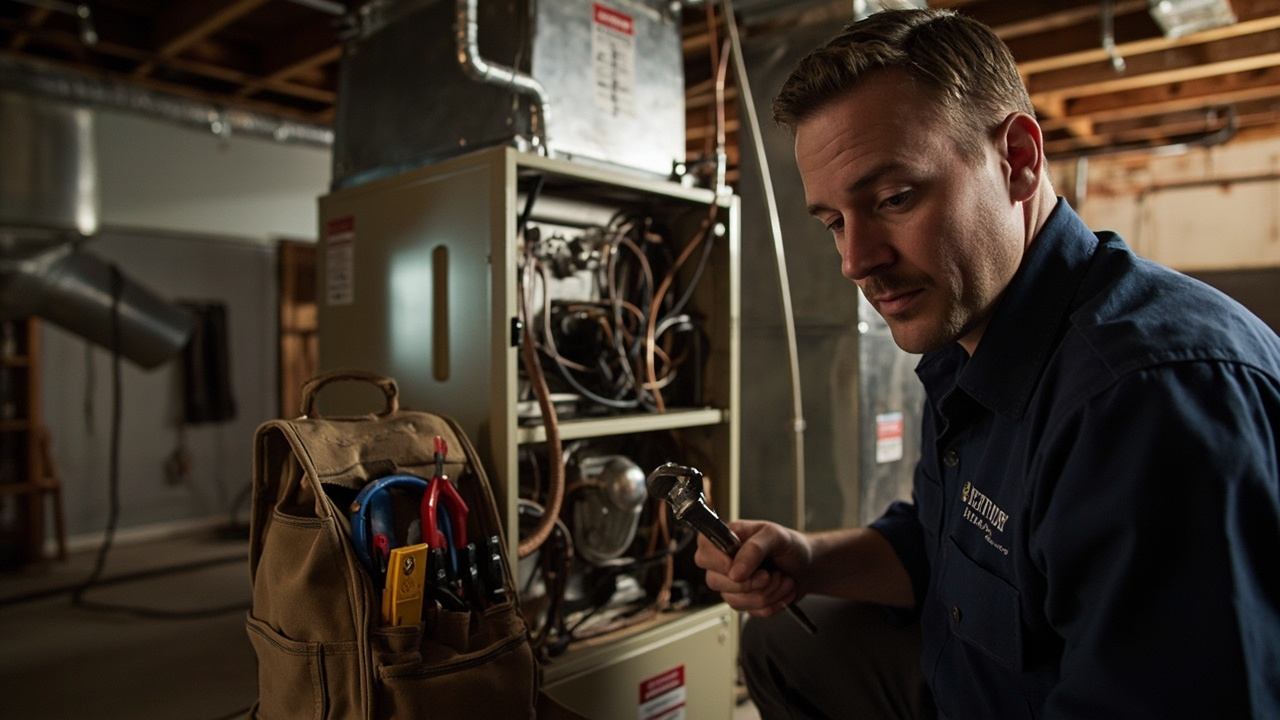
Blower motor issues often trace back to capacitor failure. We test the start capacitor and run capacitor with a multimeter. A weak capacitor forces the motor to work harder, shortening its life. We verify proper airflow by measuring static pressure in the supply and return ducts.

We check the flue pipe for blockages and proper venting. Chimneys in older Hartford homes can develop creosote buildup or masonry deterioration that restricts exhaust flow. A blocked flue triggers the pressure switch and prevents the furnace from firing.

Every repair includes testing the thermostat calibration and verifying the furnace cycles correctly through all stages. We document baseline performance metrics so you know exactly what changed.

What Happens When You Call for Furnace Repair

Furnace Repair & Heating Service in Hartford | Expert Diagnosis and Full-System Solutions for Connecticut Winters
01

Same-Day Dispatch

When you call Liberty HVAC Hartford, we send a technician to your property within hours, not days. Our trucks carry diagnostic equipment, common replacement parts, and the tools needed to handle most furnace repairs on the first visit. You get an arrival window, a technician name, and direct contact information so you know exactly when help arrives.
02

Complete System Testing

We test every component in your heating system using calibrated meters and diagnostic software. This includes measuring voltage drops, checking gas pressure at the manifold, testing safety controls under load, and verifying proper combustion efficiency. You receive a written diagnostic report that explains what failed, why it failed, and what needs replacement. No guesswork, no unnecessary parts.
03

Repair and Performance Verification

After completing the repair, we run a full cycle test to confirm your furnace operates correctly. We measure temperature rise across the heat exchanger, verify airflow meets manufacturer specifications, and test all safety controls. You watch the system run through multiple cycles before we leave. We document post-repair performance so you have a baseline for future service calls.

Why Hartford Homeowners Choose Local Furnace Repair Experts

Liberty HVAC Hartford knows the heating systems common to this area. We have repaired furnaces in West End Victorians with original cast iron radiators converted to forced air. We have serviced mid-century ranches in Blue Hills with undersized ductwork. We understand the compromises made when central heating was retrofitted into homes designed for coal or oil heat.

Hartford's building codes require specific venting standards for gas furnaces, especially in multi-family properties. We know the local inspection requirements and ensure every repair meets Connecticut mechanical code. When we replace a heat exchanger or modify ductwork, the work passes inspection the first time.

Our technicians train on the furnace brands most common in Hartford homes. Carrier, Lennox, Trane, and Rheem dominate this market. We stock parts for these systems and maintain relationships with local suppliers. When a control board fails on a Sunday afternoon, we get the part and complete the repair before nightfall.

We understand the urgency of furnace failure in Hartford winters. When temperatures drop to single digits, a failed heating system creates frozen pipe risks within hours. We prioritize emergency calls and dispatch technicians based on temperature conditions and household vulnerability.

Local expertise matters when diagnosing complex heating problems. A technician unfamiliar with Hartford's housing stock might misdiagnose a furnace short-cycling issue caused by undersized ductwork. We recognize these installation problems immediately because we have seen them in hundreds of Hartford homes.

You get technicians who understand your home's construction, your furnace's history, and the environmental factors that cause premature wear. This translates to faster diagnosis, accurate repairs, and longer system life.

What You Can Expect From Our Furnace Repair Service

Rapid Response Times

We dispatch technicians to Hartford properties within two to four hours of your call during normal business hours. For emergency heating failures, we offer 24-hour service with no trip charge premium. Our technicians carry common furnace parts in their trucks, allowing most repairs to complete in a single visit. You receive a call-ahead notification 30 minutes before arrival, and we provide real-time updates if traffic or prior calls cause delays. When your furnace fails during a cold snap, hours matter. We prioritize emergency calls based on outdoor temperature and household occupancy.

Thorough Diagnostic Process

Every furnace repair begins with a complete system evaluation. We test electrical circuits, measure gas pressure, inspect the heat exchanger for cracks, check safety controls, and analyze combustion efficiency. You receive a written diagnostic report explaining what failed and why. We photograph problem components and show you the issue before authorizing any repair. Our diagnostic process takes 45 to 90 minutes depending on system complexity. We do not charge extra for diagnostic time if you approve the recommended repair. This thorough approach prevents misdiagnosis and ensures we fix the root cause, not just the symptom.

Quality Repairs That Last

We use OEM parts or equivalent quality aftermarket components rated for Hartford's climate conditions. Every repaired furnace undergoes performance testing before we leave your property. We measure supply air temperature, verify proper flame characteristics, test safety shutoffs, and confirm the system cycles correctly. You receive documentation of all work completed, including part numbers, model information, and post-repair performance data. Our repairs restore your furnace to manufacturer specifications. We take before and after measurements so you can see the improvement. If a repaired component fails within the first heating season, we return to assess and correct the issue.

Preventive Maintenance Plans

After completing your furnace repair, we offer annual maintenance plans to prevent future breakdowns. These plans include pre-season inspections, priority scheduling, and discounted service rates. We clean the blower assembly, test safety controls, check refrigerant levels on heat pump systems, inspect ductwork connections, and verify proper combustion efficiency. Hartford's humid summers and cold winters create unique wear patterns on heating equipment. Annual maintenance catches small problems before they become expensive failures. Maintenance visits typically take 60 to 90 minutes and include a written report of system condition. You receive reminder calls before each heating season.

Frequently Asked Questions

You Have Questions,
We Have Answers

What is the average cost to service a furnace? +

A standard furnace service in Hartford typically runs $150 to $300, depending on the system type and service provider. This covers a tune-up, filter replacement, and basic diagnostics. More complex repairs or older systems may increase costs. Hartford's freeze-thaw cycles stress heating systems harder than milder climates, so regular service prevents costly emergency repairs mid-winter. Gas furnaces may require additional safety checks compared to electric models. Always ask what the service includes upfront. A proper tune-up keeps your system efficient during Hartford's cold snaps and extends equipment lifespan.

What is the $5000 rule for HVAC? +

The $5,000 rule helps you decide between repair and replacement. If your furnace repair cost multiplied by the system's age exceeds $5,000, replace it instead of fixing it. For example, a $400 repair on a 15-year-old furnace equals $6,000, so replacement makes financial sense. Hartford winters demand reliable heat, and older systems lose efficiency when freezing temps hit. This rule accounts for diminishing returns on aging equipment. A new furnace improves energy efficiency and reduces breakdown risk when you need heat most. Factor in rising energy costs when making your decision.

What is the most common furnace failure? +

Ignition and pilot control failures top the list in Hartford. Cold basements and temperature swings stress ignition systems, causing them to malfunction when you fire up heat after months of inactivity. Dirty flame sensors and thermocouple failures follow closely. Hartford's humidity can corrode electrical components over time. Clogged filters restrict airflow, forcing the system to overwork and triggering limit switch shutdowns. Many failures occur at season start because systems sit idle through mild months. Regular pre-season inspections catch these issues before the first deep freeze hits and you lose heat overnight.

What is the most expensive part to fix on a furnace? +

Heat exchangers cost the most to replace, often $1,200 to $2,000 in parts and labor. This component transfers heat from combustion to your air supply. Cracks develop from repeated heating and cooling cycles, common in Hartford's variable climate. A cracked heat exchanger can leak carbon monoxide, requiring immediate replacement. Gas valves and blower motors also run $600 to $1,000 for replacement. When repair costs approach 50 percent of a new furnace, replacement becomes smarter. Age matters. If your system exceeds 15 years, invest in new equipment instead of expensive part replacements.

What does a furnace service include? +

A complete furnace service includes inspecting the heat exchanger for cracks, testing the ignition system, cleaning burners, checking gas pressure, and verifying airflow. Technicians replace or clean filters, lubricate moving parts, test thermostat calibration, and inspect venting for blockages. Carbon monoxide testing ensures safety. In Hartford, techs check for corrosion from humidity and verify your system handles the heating load for cold winters. Electrical connections get tightened, and the blower assembly gets cleaned. A good service improves efficiency, catches small problems before they become failures, and extends equipment life through Hartford's demanding heating season.

How much does it cost for someone to check your furnace? +

Basic furnace inspections cost $80 to $150 in Hartford. This covers visual checks, thermostat testing, and basic diagnostics to identify problems. Some companies offer free inspections hoping to upsell repairs or replacements, so verify what you get. A diagnostic fee typically applies if repair work follows, and many contractors credit this toward the final bill. Emergency inspections cost more. Pre-season checks in fall prevent mid-winter breakdowns when Hartford temps drop below freezing. Verify the inspection includes safety checks like carbon monoxide testing and heat exchanger inspection. A thorough check prevents dangerous failures during cold snaps.

Is HVAC system cost tax deductible? +

HVAC replacements may qualify for federal energy tax credits if the system meets efficiency requirements. The Inflation Reduction Act offers credits for high-efficiency heat pumps and furnaces. Check IRS guidelines for current percentages and caps. Standard repairs and maintenance are not deductible for residential properties. Business owners may deduct HVAC expenses as operating costs or capital improvements. Connecticut offers additional energy efficiency rebates through utility companies. Consult a tax professional to verify eligibility based on your situation. Energy-efficient upgrades reduce utility bills in Hartford's climate, where heating costs dominate winter budgets. Proper documentation matters for claiming credits.

What are signs my HVAC needs replacing? +

Frequent repairs signal replacement time. If your furnace needs service twice in one season, the end is near. Age matters. Systems older than 15 years lose efficiency and reliability. Rising energy bills indicate declining performance. Uneven heating or rooms that never warm up point to capacity problems. Yellow pilot flames suggest combustion issues and carbon monoxide risk. Loud banging, rattling, or squealing noises indicate failing components. Excessive dust or dry air means airflow problems. In Hartford, where heating systems work hard through long winters, these signs mean replacement beats continued repairs. A new system improves comfort and cuts energy costs.

Do HVAC companies give free quotes? +

Most reputable HVAC companies in Hartford provide free quotes for equipment replacement or major repairs. Expect to pay for diagnostic visits to identify problems, typically $80 to $150. Emergency service calls always carry fees. Free quotes let you compare options and pricing before committing. Be wary of companies pushing unnecessary replacements during free inspections. Get multiple quotes for expensive work. Legitimate contractors explain what you need and why, not high-pressure sales tactics. Free quotes should include equipment specifications, warranty details, and labor costs. Ask about financing options if replacement is necessary. Transparency matters when choosing a contractor for Hartford's demanding climate.

Which brand of furnace is most reliable? +

Carrier, Lennox, and Trane consistently rank as the most reliable furnace brands. These manufacturers produce durable equipment suited for Hartford's cold winters and humidity. Reliability depends on proper installation and maintenance more than brand alone. A correctly sized and installed mid-tier furnace outperforms a premium brand installed poorly. Look for AFUE ratings above 90 percent for efficiency. Variable-speed blowers improve comfort and lower operating costs. American Standard and Rheem offer solid value. Avoid the cheapest builder-grade models for Hartford's climate. Work with experienced contractors who understand local conditions. Regular maintenance extends any brand's lifespan through harsh New England winters.

How Hartford's Historic Housing Stock Affects Furnace Performance and Repair

Hartford's housing density and building age create unique challenges for central heating systems. Many properties in Asylum Hill, Parkville, and the West End feature narrow floor plans with limited space for modern ductwork. Forced-air furnaces were often installed in basements with seven-foot ceilings, restricting airflow and creating pressure imbalances. Original plaster walls and lath construction make duct modifications difficult without major renovation. These constraints force furnaces to work harder, increasing wear on blower motors and heat exchangers. Understanding Hartford's architectural history helps diagnose performance issues that stem from installation compromises made decades ago.

Connecticut requires licensed HVAC technicians to perform furnace repairs involving gas lines, electrical modifications, or heat exchanger replacement. Hartford enforces these standards strictly, especially in multi-family properties and rental units. Working with local technicians who understand state licensing requirements and municipal inspection processes ensures your repair work meets code. Liberty HVAC Hartford maintains all required Connecticut trade licenses and pulls permits when code requires. This protects you from liability and ensures your heating system operates safely. Local expertise matters when dealing with Hartford's mix of old housing stock and modern code requirements.
HVAC Services in The Hartford Area

Liberty HVAC Hartford proudly serves the entire Hartford area and surrounding communities. We're a local business dedicated to our neighbors' comfort. Use the map below to pinpoint our location or to confirm that your home or business is within our primary service area. We are always ready to dispatch a professional, certified technician directly to your door for any heating or cooling need you may have, ensuring prompt and convenient service every single time.

Address:
Liberty HVAC Hartford, 15 N Main St, Hartford, CT, 06107

Additional Services We Offer

Our news updates

Latest Articles & News from The Blogs

Emergency Kitchen Exhaust and HVAC Repair for Downtown Hartford Restaurants When your kitchen exhaust system fails during a dinner rush…

Emergency Kitchen Exhaust and HVAC Repair for Downtown Hartford Restaurants

Emergency Kitchen Exhaust and HVAC Repair for Downtown Hartford Restaurants When your kitchen exhaust system fails during a dinner rush…

Why High Velocity Air Conditioning is the Best Choice for Historic Wethersfield Homes

Expert High Velocity AC Installation in Wethersfield, CT Historic Wethersfield homes built before 1950 often lack the space for traditional…

Keeping Your West End Mini Split Running Smoothly with a Professional Deep Clean

Professional Mini Split Cleaning in West End Hartford, CT Your mini split works hard to keep your West End home…

Contact Us

Your home should not stay cold while you wait for a repair estimate. Call Liberty HVAC Hartford at (959) 203-9992 right now for same-day furnace service. We diagnose the problem, explain your options, and restore heat to your property.