
Heating Your Rural Bolton Home: The Cost and Efficiency Showdown
Living in rural Bolton means you’re likely off the natural gas grid, leaving propane and electric as your primary heating options. The decision between these two systems impacts your winter comfort, utility bills, and even your home’s resale value. In 2026, with energy prices fluctuating and efficiency standards evolving, understanding the real costs and performance differences is crucial for making the right choice for your specific situation. High Efficiency AC Options for Luxury Homes in Glastonbury.
Rural Bolton homes face unique challenges: longer driveways for propane delivery, potential power outages during ice storms, and the need for reliable heating when temperatures drop below zero. Let’s break down the actual costs, performance factors, and long-term considerations that will help you choose the system that works best for your home. Reliable Commercial HVAC Maintenance for Businesses in Downtown Hartford.
Current Cost Comparison: Propane vs Electric in Hartford County
Energy costs in Connecticut vary significantly between fuel types and delivery methods. Here’s how propane and electric heating stack up in 2026 using current Hartford-area utility rates: The Best Energy Efficient Boilers for Hartford Homes with Old Radiators.
| Heating Type | Cost per Million BTU | Efficiency Rating | Annual Operating Cost (1,500 sq ft) |
|---|---|---|---|
| Propane Furnace (90% AFUE) | $34.50 | 90% | $1,725 |
| Electric Resistance Baseboard | $45.80 | 100% | $2,290 |
| Heat Pump (HSPF2 9.0) | $22.30 | 300%+ | $1,115 |
Key cost factors in 2026: Propane prices in Hartford County average $3.25 per gallon, while Eversource residential electric rates run approximately $0.187 per kWh. Heat pumps offer the lowest operating costs but require higher upfront investment.
Propane Heating: The Rural Standard
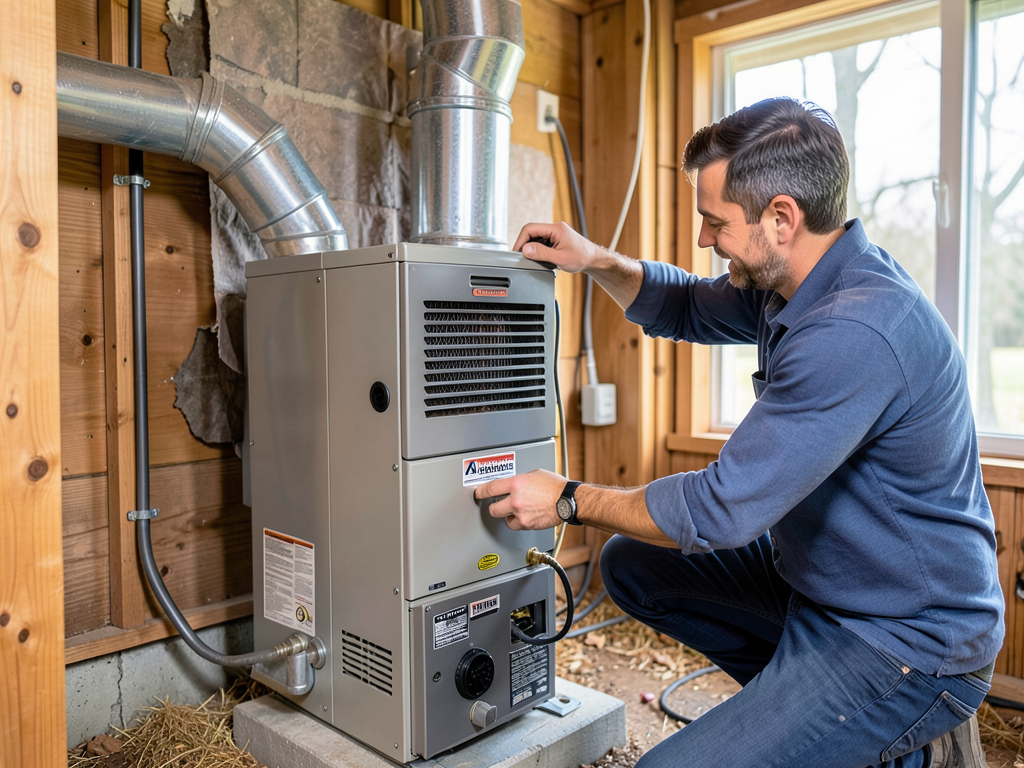
Propane heating remains the go-to solution for rural Bolton homes due to its reliability and independence from electrical infrastructure. Modern propane furnaces achieve 90-96% efficiency ratings, meaning only 4-10% of your fuel energy is lost through exhaust. Who to Call for Emergency Furnace Repair in Hartford in the Middle of the Night.
Delivery logistics matter: Bolton’s rural roads can become impassable during winter storms, making reliable propane delivery scheduling critical. Most Bolton homeowners establish accounts with local providers like Taylor Energy or Spicer Advanced Gas, ensuring priority delivery during peak demand.
Tank considerations: Above-ground tanks require 10-foot clearance from structures and must meet CT DEEP regulations for secondary containment. Underground tanks eliminate visual impact but add $1,500-$2,500 to installation costs and require soil testing for corrosion potential.
Performance in extreme cold: Propane furnaces maintain 100% heating capacity even when temperatures plummet to -30°F, unlike air-source heat pumps which may struggle below 20°F without backup systems.
Electric Heating: Modern Efficiency Options
Electric heating has evolved far beyond expensive resistance baseboards. Today’s options include high-efficiency heat pumps that can cut heating costs by 50-70% compared to electric resistance heating.. Read more about Comparing the Long Term Costs of Gas vs Electric Heating for New Britain Homeowners.
Heat pump technology: Cold-climate air-source heat pumps now operate efficiently down to -15°F, making them viable for most Bolton winters. These systems extract heat from outdoor air and transfer it indoors, achieving efficiencies of 300-400% compared to resistance heating’s 100%.
Installation considerations: Heat pumps require outdoor condenser units with proper clearance for airflow and snow removal. Most Bolton homes need 24-36 inches of clearance around outdoor units, plus space for condensate drainage that won’t create ice hazards on walkways.
Electrical infrastructure: Heat pumps typically require 240-volt circuits with 15-30 amp capacity. Older Bolton homes built before 1980 may need electrical panel upgrades to handle the additional load, adding $1,000-$2,500 to installation costs.
The Hartford Winter Factor: Real-World Performance
Bolton experiences some of Hartford County’s most extreme winter conditions, with average January lows around 18°F and occasional drops to -10°F or lower. This climate reality shapes how each heating system performs. HVAC Hartford.
Propane reliability: During the 2023-2024 winter, Bolton recorded 12 days below 0°F. Propane furnaces maintained consistent output throughout these periods, while heat pumps experienced reduced efficiency and required auxiliary electric resistance heating.
Power outage vulnerability: Electric-only homes face complete heating loss during outages lasting more than 30 minutes. Propane systems can operate independently but require electricity for thermostats and blowers unless equipped with battery backup or generator connections.
Humidity control: Hartford’s humid continental climate creates unique indoor air quality challenges. Propane combustion naturally produces drier air, while electric heat pumps include dehumidification cycles that help manage indoor moisture levels during winter thaws.
Connecticut Incentives and Rebates for 2026
Energize Connecticut offers substantial rebates that can significantly impact your heating system decision. Current 2026 programs include: Energize Connecticut rebates.
| System Type | Available Rebates | Tax Credit Potential |
|---|---|---|
| High-Efficiency Propane Furnace | $300-$500 | None |
| Cold-Climate Heat Pump | $1,250-$2,500 | Up to $2,000 (25C) |
| Geothermal Heat Pump | $1,500-$3,000 | Up to $2,000 (25C) |
Energize CT requirements: To qualify for heat pump rebates, systems must achieve minimum HSPF2 ratings of 8.2 for split systems or 8.0 for single-package units. Propane furnaces must meet 95% AFUE minimum for any incentives.
Federal tax credits: The 25C Energy Efficient Home Improvement Credit allows homeowners to claim 30% of qualified heat pump costs up to $2,000 annually through 2032. This applies to both equipment and installation labor.
Making the Right Choice for Your Bolton Home
The optimal heating system depends on your specific circumstances, home characteristics, and long-term plans. Here are the scenarios where each option excels:
Choose propane if:
- Your home is over 2,500 square feet and requires high heating capacity
- You experience frequent winter power outages lasting more than 2 hours
- Your electrical service panel is near capacity and cannot support heat pump loads
- You prefer simple, proven technology with minimal maintenance requirements
Choose electric heat pump if:
- Your home is under 2,000 square feet with good insulation
- You want both heating and air conditioning from one system
- You qualify for Energize CT rebates that offset higher equipment costs
- You plan to stay in your home for 7+ years to recoup investment
Consider hybrid systems if:
- You want heat pump efficiency with propane backup for extreme cold
- Your home has existing ductwork suitable for both systems
- You experience wide temperature swings throughout winter
Installation timeline considerations: Propane systems typically install in 1-2 days with minimal home disruption. Heat pump installations require 2-4 days plus potential electrical upgrades, creating more extensive but temporary inconvenience.
Frequently Asked Questions
What size heating system does my Bolton home need?
Most Bolton homes require 30-50 BTU per square foot of heating capacity. A professional Manual J load calculation accounts for insulation levels, window quality, and local climate data to determine exact sizing requirements.
How long do propane and electric heating systems typically last?
Propane furnaces average 15-20 years with proper maintenance. Heat pumps typically last 12-15 years, though their outdoor components may require earlier replacement due to weather exposure.
Can I switch from propane to electric heating without major renovations?
Switching to electric heat pumps requires compatible ductwork and adequate electrical service. Homes with existing forced-air systems can often convert with minimal structural changes, while homes with radiators or baseboard heat need more extensive modifications.
What maintenance do these systems require?
Propane furnaces need annual cleaning, combustion analysis, and safety inspections. Heat pumps require quarterly filter changes, annual coil cleaning, and refrigerant level checks to maintain efficiency.
How do I know if my electrical service can handle a heat pump?
Most modern heat pumps require 240-volt circuits with 15-30 amp capacity. An electrician can verify your panel’s available capacity and determine if upgrades are needed for safe installation.
Ready to make your decision? The right heating system for your Bolton home depends on your specific needs, budget, and long-term plans. Don’t wait until winter arrives to address your heating concerns.
Call (959) 203-9992 today to schedule your free heating assessment and get expert recommendations tailored to your rural Bolton property. Our technicians will evaluate your home’s unique characteristics and provide clear, no-pressure guidance on the best heating solution for your situation.
Don’t let another Connecticut winter catch you unprepared. Whether you choose propane’s proven reliability or electric heat pump efficiency, proper sizing and professional installation make all the difference in comfort and operating costs. For more information, visit Eversource electric rates.
You may also find this helpful. Why Your South Windsor Home Feels Brittle and Dry All Winter (And How to Fix It).
You may also find this helpful. Lowering Your Energy Footprint with a Hybrid Heat Pump Water Heater in Manchester.
You may also find this helpful. Preparing Your Simsbury Home for Solar Power with an Energy Efficient HVAC Upgrade.
{
“@context”: “https://schema.org”,
“@type”: “BlogPosting”,
“headline”: “Choosing Between Propane and Electric Heating for Your Rural Bolton Home”,
“description”: “Compare propane vs electric heating costs, efficiency, and reliability for rural Bolton homes. Get expert guidance from Liberty HVAC Hartford. Call (959) 203-9992.”,
“wordCount”: 1342,
“datePublished”: “2026-05-01T06:09:00.000Z”,
“dateModified”: “2026-05-01T06:09:00.000Z”,
“inLanguage”: “en-US”,
“mainEntityOfPage”: {
“@type”: “WebPage”,
“@id”: “https://libertyhvachartford.com”
},
“publisher”: {
“@type”: “LocalBusiness”,
“name”: “Liberty HVAC Hartford”,
“url”: “https://libertyhvachartford.com”
},
“author”: {
“@type”: “Organization”,
“name”: “Liberty HVAC Hartford”,
“url”: “https://libertyhvachartford.com”
},
“image”: {
“@type”: “ImageObject”,
“url”: “https://libertyhvachartford.com/wp-content/uploads/2026/03/choosing-between-propane-and-electric-heating-for-1.png”
}
}
{
“@context”: “https://schema.org”,
“@type”: “HVACBusiness”,
“name”: “Liberty HVAC Hartford”,
“url”: “https://libertyhvachartford.com”,
“address”: {
“@type”: “PostalAddress”,
“addressLocality”: “Hartford”
},
“areaServed”: {
“@type”: “City”,
“name”: “Hartford”
}
}
{
“@context”: “https://schema.org”,
“@type”: “FAQPage”,
“mainEntity”: [
{
“@type”: “Question”,
“name”: “What size heating system does my Bolton home need?”,
“acceptedAnswer”: {
“@type”: “Answer”,
“text”: “Most Bolton homes require 30-50 BTU per square foot of heating capacity. A professional Manual J load calculation accounts for insulation levels, window quality, and local climate data to determine exact sizing requirements.”
}
},
{
“@type”: “Question”,
“name”: “How long do propane and electric heating systems typically last?”,
“acceptedAnswer”: {
“@type”: “Answer”,
“text”: “Propane furnaces average 15-20 years with proper maintenance. Heat pumps typically last 12-15 years, though their outdoor components may require earlier replacement due to weather exposure.”
}
},
{
“@type”: “Question”,
“name”: “Can I switch from propane to electric heating without major renovations?”,
“acceptedAnswer”: {
“@type”: “Answer”,
“text”: “Switching to electric heat pumps requires compatible ductwork and adequate electrical service. Homes with existing forced-air systems can often convert with minimal structural changes, while homes with radiators or baseboard heat need more extensive modifications.”
}
},
{
“@type”: “Question”,
“name”: “What maintenance do these systems require?”,
“acceptedAnswer”: {
“@type”: “Answer”,
“text”: “Propane furnaces need annual cleaning, combustion analysis, and safety inspections. Heat pumps require quarterly filter changes, annual coil cleaning, and refrigerant level checks to maintain efficiency.”
}
},
{
“@type”: “Question”,
“name”: “How do I know if my electrical service can handle a heat pump?”,
“acceptedAnswer”: {
“@type”: “Answer”,
“text”: “Most modern heat pumps require 240-volt circuits with 15-30 amp capacity. An electrician can verify your panel’s available capacity and determine if upgrades are needed for safe installation.”
}
}
]
}
{
“@context”: “https://schema.org”,
“@type”: “BreadcrumbList”,
“itemListElement”: [
{
“@type”: “ListItem”,
“position”: 1,
“name”: “Home”,
“item”: “https://libertyhvachartford.com”
},
{
“@type”: “ListItem”,
“position”: 2,
“name”: “Blog”,
“item”: “https://libertyhvachartford.com/blog”
},
{
“@type”: “ListItem”,
“position”: 3,
“name”: “Choosing Between Propane and Electric Heating for Your Rural Bolton Home”
}
]
}
{
“@context”: “https://schema.org”,
“@type”: “Service”,
“serviceType”: “HVAC”,
“provider”: {
“@type”: “LocalBusiness”,
“name”: “Liberty HVAC Hartford”,
“url”: “https://libertyhvachartford.com”
},
“areaServed”: {
“@type”: “City”,
“name”: “Hartford”
},
“description”: “Compare propane vs electric heating costs, efficiency, and reliability for rural Bolton homes. Get expert guidance from Liberty HVAC Hartford. Call (959) 203-9992.”
}