menu

Excess Dust in Home in Hartford – Expert Diagnosis and Permanent Solutions for Cleaner Indoor Air

If you're constantly wiping down surfaces only to see dust return within hours, your HVAC system is likely the culprit. Liberty HVAC Hartford diagnoses the root cause of excess dust in home environments and implements targeted repairs to restore clean, breathable air throughout your Hartford property.

Slider Image 1
Slider Image 2
Slider Image 3
Slider Image 4
Slider Image 5
Slider Image 7
Slider Image 8
Slider Image 9
Slider Image 10
Slider Image 11

Why Hartford Homes Battle Constant Dust Buildup

You vacuum, you dust, you clean. Two days later, the windowsills are coated again. The coffee table looks like it hasn't been touched in weeks. This isn't normal wear and tear. This is excessive house dust, and in Hartford, the problem is worse than most homeowners realize.

Hartford sits at the confluence of several dust-generating factors. The Connecticut River Valley traps pollen and particulates during spring and summer. The city's older housing stock, particularly in neighborhoods like Asylum Hill and Frog Hollow, was built with ductwork that has deteriorated over decades. Add in Hartford's freeze-thaw cycles, which crack foundations and allow soil particulates to infiltrate basement air returns, and you have a perfect storm for unusually dusty home conditions.

Most people assume heavy dust buildup is a housekeeping issue. It's not. It's a mechanical failure. Your HVAC system is supposed to filter particulates out of your breathing air. When it's generating dust instead of removing it, you're looking at one or more system breakdowns. Leaking ductwork pulls in attic insulation fibers. Clogged filters force unfiltered air through gaps. Failed seals on air handlers allow construction debris to circulate.

Too much dust in home environments also signals poor indoor air quality. The same particulates coating your furniture are entering your lungs. You might notice more respiratory irritation, worsening allergies, or asthma flare-ups. The dust you see is the symptom. The HVAC malfunction is the disease.

Hartford's aging HVAC infrastructure makes this worse. Systems installed in the 1980s and 1990s are now operating well past their design lifespan, with seals cracked and ductwork separating at joints.

Why Hartford Homes Battle Constant Dust Buildup
How We Identify and Eliminate Dust Sources in Your HVAC System

How We Identify and Eliminate Dust Sources in Your HVAC System

Generic air filter upgrades don't solve constant dust in house situations. You need a diagnostic approach that traces particulate pathways through your entire HVAC system.

We start with duct pressure testing. By sealing your supply and return registers and pressurizing the ductwork, we can measure leakage rates. Hartford homes typically show 20 to 40 percent duct leakage, meaning a massive volume of unconditioned, unfiltered air is being pulled into your breathing environment. We identify every separation, every failed mastic seal, every disconnected boot.

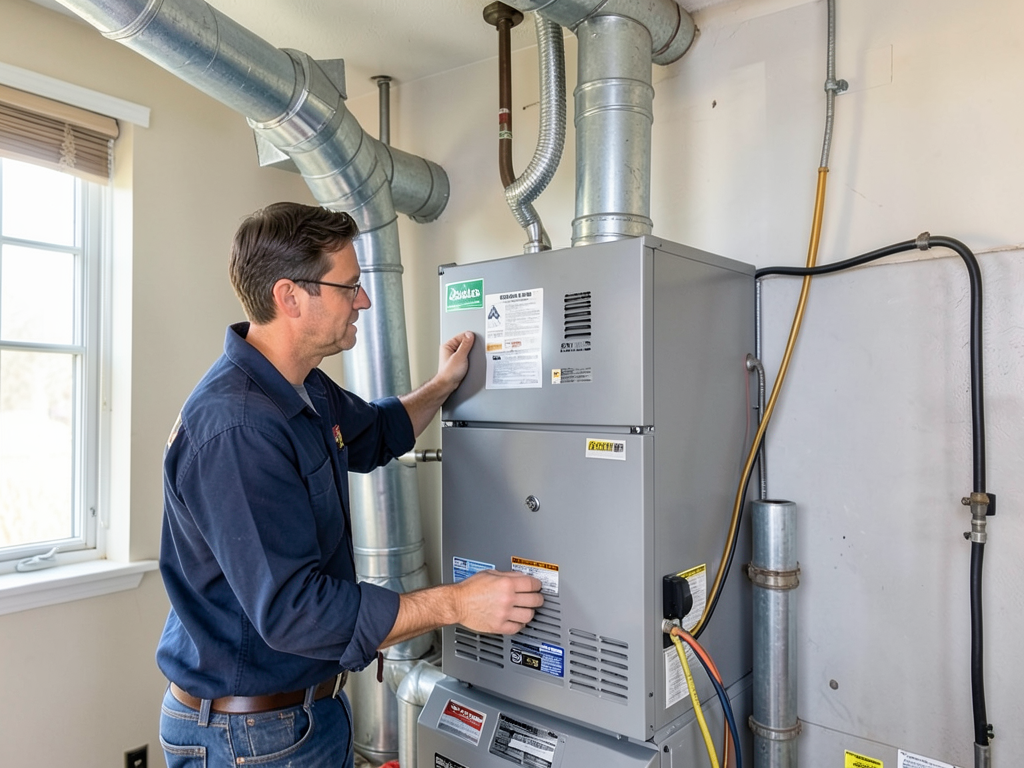
Next, we inspect your air handler cabinet. Most techs skip this. We pull the blower assembly and inspect the evaporator coil housing, the filter tracks, and the cabinet seams. Gaps as small as a quarter-inch can pull in attic insulation particles or basement dust. We check for biological growth on coil fins, which generates spore-laden dust.

We evaluate your return air pathways. Many Hartford homes have undersized return ducts or return grilles located in dusty basements or unfinished attics. This creates negative pressure that pulls particulates directly into your living space. We calculate your system's required CFM and compare it against actual return capacity.

Filter housing is another failure point. Cheap filter racks allow bypass air to flow around the filter media, completely negating filtration. We measure your filter slot dimensions and check for light leaks, then recommend proper-fitting media filters or whole-home filtration if your system can handle the static pressure.

Finally, we test your home's pressure balance. Leaky ductwork in unconditioned spaces creates negative pressure that pulls in outdoor air through every crack in your building envelope. We use blower door testing when necessary to quantify infiltration rates.

What Happens During Your Dust Reduction Service

Excess Dust in Home in Hartford – Expert Diagnosis and Permanent Solutions for Cleaner Indoor Air
01

System Diagnostics and Inspection

We begin with a whole-system evaluation of your HVAC equipment and ductwork. This includes visual inspection of accessible duct runs, air handler cabinet examination, filter fit verification, and airflow measurement at key points. We document every potential dust source, from deteriorated flex duct to unsealed plenum connections. You receive a written report identifying all contributors to your excessive house dust problem with photographic evidence.
02

Targeted Repairs and Sealing

Based on diagnostic findings, we execute precision repairs. This might include mastic sealing of all duct joints, replacement of damaged flex duct sections, installation of proper filter housings with gasket seals, or reconfiguration of return air pathways. We use UL 181-rated mastic and metal-backed tape, not hardware store duct tape. Every repair is designed to eliminate particulate infiltration at the source while maintaining proper system airflow and static pressure.
03

Verification and Air Quality Testing

After repairs, we re-test duct leakage to verify improvement. We measure supply and return airflows to confirm balanced operation. You'll see measurable reductions in airborne particulates within 48 hours as your system begins filtering effectively. We provide maintenance guidance specific to your system, including filter replacement schedules and signs of future duct deterioration. Most clients report dramatic dust reduction within the first week of system remediation.

Why Hartford Homeowners Trust Liberty HVAC for Dust Problems

Dust problems in Hartford require local knowledge. We understand how the city's historic housing stock was built and how those systems fail over time. The triple-deckers in Barry Square have different ductwork challenges than the mid-century ranches in Blue Hills. We've worked in every neighborhood and know what to expect before we arrive.

Hartford's building codes have evolved significantly over the past 40 years, but your existing HVAC system was grandfathered under older standards. We know which shortcuts were common in different construction eras and where to look for the problems those shortcuts created. We've sealed ductwork in Hartford homes where the original installer never used mastic at all, relying entirely on failing pressure-sensitive tape.

We also understand Hartford's climate demands. Your HVAC system runs hard during humid July afternoons and subzero January mornings. This thermal cycling accelerates duct separation and seal failure. We use materials rated for Connecticut temperature extremes, not the cheaper products that crack after a few freeze-thaw cycles.

When we recommend duct replacement, it's because repair isn't viable. We don't upsell. We show you the failed components and explain exactly why they're generating dust. You get options, costs, and realistic timelines.

Liberty HVAC Hartford operates year-round in this city. We're not a franchise operation run from another state. We're your neighbors. We breathe the same air, deal with the same pollen counts, and know which local suppliers stock the parts we need to fix your system today, not next week.

Our technicians carry diagnostic equipment, not just wrenches. Particulate counters, manometers, thermal cameras. We measure what other companies guess at.

What You Can Expect When You Call Us About Dust Issues

Fast Diagnostic Scheduling

We know that living with heavy dust buildup affects your quality of life immediately. You can't postpone cleaning, and you can't ignore the respiratory irritation it causes. We schedule diagnostic appointments within 48 hours of your call in most cases. Our service windows are two-hour blocks, and we call 30 minutes before arrival. Diagnostic visits typically take 90 minutes to two hours, depending on your system's complexity and accessibility. We provide same-day findings and a written remediation plan before we leave your property.

Comprehensive HVAC Assessment

Your diagnostic appointment is thorough. We access your attic, basement, or crawlspace to inspect ductwork firsthand. We remove air handler panels to check internal conditions. We test filter fit, measure airflow at multiple registers, and document any biological growth or debris accumulation inside your system. You're welcome to follow along and ask questions. We explain what we're finding in real time. You receive a detailed report with photographs, airflow measurements, and a prioritized list of issues contributing to your unusually dusty home conditions.

Measurable Dust Reduction

After we complete repairs, you'll notice the difference within days. Surfaces stay cleaner longer. The air smells fresher. Allergy symptoms often improve as airborne particulate counts drop. We use MERV-rated filters appropriate for your system's fan capacity, balancing filtration effectiveness with airflow requirements. If your ductwork required sealing, you'll also see improved heating and cooling performance as conditioned air reaches intended spaces instead of leaking into attics or crawlspaces. Most clients report 60 to 80 percent reductions in visible dust accumulation after proper HVAC remediation.

Ongoing Maintenance Guidance

Dust control requires ongoing attention. We provide you with a customized maintenance schedule based on your specific system and home conditions. This includes filter replacement frequency, which varies depending on whether you have pets, nearby construction, or high pollen exposure. We explain how to visually inspect accessible duct sections for new separation or damage. We offer annual maintenance agreements that include duct inspection, filter replacement, and airflow verification. If you prefer to self-maintain, we'll show you exactly what to monitor and when to call for professional reassessment.

Frequently Asked Questions

You Have Questions,
We Have Answers

Why do I have so much dust in my house? +

Excess dust in your Hartford home usually stems from leaky ductwork, clogged air filters, or poor ventilation. Older homes in neighborhoods like West End often have unsealed ducts that pull in attic dust and insulation particles. Your HVAC system recirculates this debris constantly. High humidity from the Connecticut River valley also causes dust to stick to surfaces more aggressively. Check your air filter first. If it looks gray or black after just two weeks, you have a duct leak or air quality problem. Your system should filter air, not spread contaminants throughout your living space.

How do I stop my house from getting so dusty? +

Start by replacing your HVAC filter monthly with a MERV 11 or higher rated filter. Seal visible gaps around ductwork joints in your basement or crawlspace using mastic sealant, not duct tape. Schedule professional duct cleaning and sealing if your home was built before 2000. Hartford's freeze-thaw cycles create foundation cracks that pull in dirt and pollen. Caulk these gaps. Run bathroom and kitchen exhaust fans to push stale air out instead of letting it settle. Upgrade to a whole-home air filtration system if dust persists after these steps. Prevention beats constant cleaning.

Is it unhealthy to live in a dusty home? +

Living in a dusty home worsens allergies, asthma, and respiratory infections. Dust carries dust mites, mold spores, pollen, and pet dander. Hartford's seasonal pollen from oak and maple trees mixes with indoor dust to create a persistent irritant. Children and elderly residents face higher risks for chronic coughing, sinus infections, and breathing difficulties. Long-term exposure to dust mite waste triggers immune responses. If you wake up congested or notice frequent sneezing indoors, your air quality needs immediate attention. Poor indoor air harms your health slowly but consistently. Address the source before symptoms become chronic conditions.

Do air purifiers help with dust? +

Air purifiers reduce airborne dust particles but do not fix the source. A quality HEPA-rated purifier captures particles down to 0.3 microns, including pollen, pet dander, and dust mites. Place purifiers in bedrooms and main living areas for best results. However, if your ductwork leaks or your HVAC filter stays clogged, you are just treating symptoms. Purifiers work best alongside proper HVAC maintenance. For Hartford homes with older forced-air systems, a whole-home air cleaner integrated into your ductwork provides better coverage than standalone units. Think of purifiers as supplements, not replacements for system repairs.

What is grandmas' simple trick to eliminate dust? +

The old trick involves wiping surfaces with a damp microfiber cloth treated with a small amount of fabric softener mixed in water. The softener reduces static cling, which prevents dust from resettling immediately. While this works temporarily for furniture and baseboards, it does not address airborne dust circulating through your HVAC system. Hartford homeowners need to focus on air filtration and duct integrity first. Surface tricks help maintain cleanliness between professional duct cleanings, but they will not solve chronic dust problems caused by leaky ducts or poor ventilation. Fix the system, then manage surfaces.

Does vacuuming every day reduce dust? +

Daily vacuuming removes settled dust from carpets and floors but does not stop new dust from entering your home. Use a vacuum with a HEPA filter to prevent recirculating fine particles back into the air. Focus on high-traffic areas and underneath furniture where dust accumulates. However, if your HVAC system continuously pumps dusty air through vents, you are fighting a losing battle. Hartford homes with forced-air heating see more dust circulation during winter months. Vacuuming helps manage symptoms, but you must address ductwork leaks and filter maintenance to actually reduce dust levels long-term.

What naturally repels dust? +

Nothing naturally repels dust. Dust consists of dead skin cells, fabric fibers, pollen, and dirt particles that accumulate through gravity and air circulation. Some products claim anti-static properties reduce dust attraction to surfaces, but results vary. Your best defense involves controlling humidity between 30 and 50 percent using a dehumidifier. Hartford's humid summers cause dust to clump and stick to surfaces more aggressively. Proper air filtration and regular HVAC maintenance prevent dust from circulating. Focus on stopping dust at the source through sealed ductwork and quality filters rather than searching for repellent shortcuts.

Does opening a window reduce dust? +

Opening windows in Hartford introduces outdoor pollen, dirt, and vehicle exhaust particulates into your home. While fresh air feels good, you are trading indoor dust for outdoor contaminants. This strategy backfires during high pollen seasons in spring and fall. Your HVAC system with proper filtration does a better job controlling air quality than open windows. If your home feels stuffy, improve ventilation through exhaust fans and ensure your air returns are not blocked. Mechanical ventilation with filtration beats passive airflow through windows. Save window opening for mild weather days when pollen counts stay low.

Is it better to dust with a wet or dry cloth? +

Dust with a damp microfiber cloth to trap particles instead of spreading them. Dry cloths and feather dusters launch dust into the air, where it settles elsewhere or gets pulled into your HVAC return vents. Microfiber grabs particles through static charge and texture. Rinse the cloth frequently to prevent smearing. For Hartford homes with forced-air systems, dusting right before changing your HVAC filter captures more particles before they recirculate. Work top to bottom so falling dust gets captured on lower surfaces. Damp cloths win every time for actual dust removal versus redistribution.

What are the symptoms of dust sickness? +

Dust sickness shows up as chronic sneezing, watery eyes, scratchy throat, persistent cough, and morning congestion. You might experience headaches, fatigue, or skin irritation. These symptoms mimic allergies because dust carries allergens like mold spores and dust mite waste. Hartford residents often mistake dust reactions for seasonal allergies, but symptoms persist year-round. If you feel better outside your home or at work, your indoor air quality needs attention. Severe cases trigger asthma attacks or sinus infections requiring medical treatment. Track when symptoms worsen to identify patterns linked to specific rooms or HVAC usage.

How Hartford's Housing Age and River Valley Location Intensify Dust Problems

Hartford's position in the Connecticut River Valley creates a natural basin that traps airborne particulates, especially during spring pollen season and summer humidity. The valley topography prevents efficient air dispersion, meaning outdoor particulate counts are consistently higher than surrounding hill towns. When your HVAC system pulls in outdoor air through duct leaks or inadequate filtration, you're introducing concentrated pollen, mold spores, and urban particulates directly into your home. This geographic reality makes properly sealed ductwork and effective filtration even more critical for Hartford residents than for homeowners in less topographically constrained areas.

The age of Hartford's housing stock compounds this problem. Over 60 percent of the city's homes were built before 1970, when duct sealing standards were minimal or nonexistent. Many homes still operate with original ductwork that has experienced 50-plus years of thermal expansion, contraction, and material degradation. Liberty HVAC Hartford has remediated HVAC systems in every historic neighborhood in the city. We know where the shortcuts were taken, which materials fail first, and how to bring decades-old systems up to modern air quality standards without complete replacement when repair is viable.
HVAC Services in The Hartford Area

Liberty HVAC Hartford proudly serves the entire Hartford area and surrounding communities. We're a local business dedicated to our neighbors' comfort. Use the map below to pinpoint our location or to confirm that your home or business is within our primary service area. We are always ready to dispatch a professional, certified technician directly to your door for any heating or cooling need you may have, ensuring prompt and convenient service every single time.

Address:
Liberty HVAC Hartford, 15 N Main St, Hartford, CT, 06107

Additional Services We Offer

Our news updates

Latest Articles & News from The Blogs

Emergency Kitchen Exhaust and HVAC Repair for Downtown Hartford Restaurants When your kitchen exhaust system fails during a dinner rush…

Emergency Kitchen Exhaust and HVAC Repair for Downtown Hartford Restaurants

Emergency Kitchen Exhaust and HVAC Repair for Downtown Hartford Restaurants When your kitchen exhaust system fails during a dinner rush…

Why High Velocity Air Conditioning is the Best Choice for Historic Wethersfield Homes

Expert High Velocity AC Installation in Wethersfield, CT Historic Wethersfield homes built before 1950 often lack the space for traditional…

Keeping Your West End Mini Split Running Smoothly with a Professional Deep Clean

Professional Mini Split Cleaning in West End Hartford, CT Your mini split works hard to keep your West End home…

Contact Us

You deserve clean air in your own home. Call Liberty HVAC Hartford at (959) 203-9992 to schedule your comprehensive dust diagnostic. We'll identify every source of particulate infiltration in your HVAC system and provide you with a clear, honest remediation plan. Same-week appointments available.