
menu

Make-Up Air Unit Services in Hartford – Minimize Downtime with Industrial-Grade Commercial Solutions

Liberty HVAC Hartford delivers commercial make-up air repair, MUA unit installation, and system maintenance that keeps your facility compliant, your kitchen exhaust balanced, and your operations running without interruption across the greater Hartford metro.

Slider Image 1
Slider Image 2
Slider Image 3
Slider Image 4
Slider Image 5
Slider Image 7
Slider Image 8
Slider Image 9
Slider Image 10
Slider Image 11

Hartford's Industrial Facilities Cannot Afford MUA System Failures

Your make-up air unit is not optional. It is a life safety system. When commercial kitchen exhaust hoods pull contaminated air out of your building, the MUA system replaces that volume with conditioned fresh air. Without proper make-up air, you create negative building pressure. That pressure sucks in unconditioned air through every crack, door, and loading dock. Your HVAC system fights a losing battle. Your heating costs spike. Your cooling costs double. Worst of all, your exhaust hoods lose efficiency, trapping smoke and grease-laden vapor inside your kitchen.

Hartford's four-season climate makes this problem worse. Winter temperatures drop into the teens. Your facility pulls in frigid outdoor air that shocks your heating system. Summer humidity climbs above 70 percent. Without a properly functioning MUA unit, you are introducing wet, unfiltered air that breeds mold and stresses your main HVAC equipment. Add in the fact that Hartford sits in a region with strict commercial ventilation codes tied to the International Mechanical Code, and you have zero room for error.

Commercial make-up air system maintenance is not a suggestion. It is a compliance requirement. MUA unit installation must be sized correctly to match your exhaust CFM. Commercial make-up air repair must happen fast to avoid health department violations. When your system fails, you do not have days to wait. You have hours. Liberty HVAC Hartford specializes in commercial MUA services for restaurants, industrial kitchens, manufacturing plants, and high-volume facilities across Hartford. We understand the stakes.

Hartford's Industrial Facilities Cannot Afford MUA System Failures
How We Deliver Commercial MUA Solutions That Protect Your Operations

How We Deliver Commercial MUA Solutions That Protect Your Operations

We do not treat make-up air like a standalone box. We treat it like the critical component of your building's ventilation ecosystem. Our commercial MUA services start with a full airflow balance analysis. We measure your exhaust hood CFM, calculate your building's total air removal, and verify whether your current MUA unit delivers the required replacement air volume. If your system is undersized, you are operating in a deficit. If it is oversized, you are wasting energy and creating positive pressure that can interfere with fire suppression systems.

MUA unit replacement is a precision operation. We calculate the heating and cooling load required to temper incoming air to within 10 degrees of your building's setpoint. We verify gas train pressure, burner combustion efficiency, and heat exchanger integrity. We confirm that your unit ties into your building management system so it sequences correctly with your exhaust fans. A poorly sequenced MUA unit will either run constantly or fail to activate when your hood system turns on. Both scenarios cost you money and put you out of compliance.

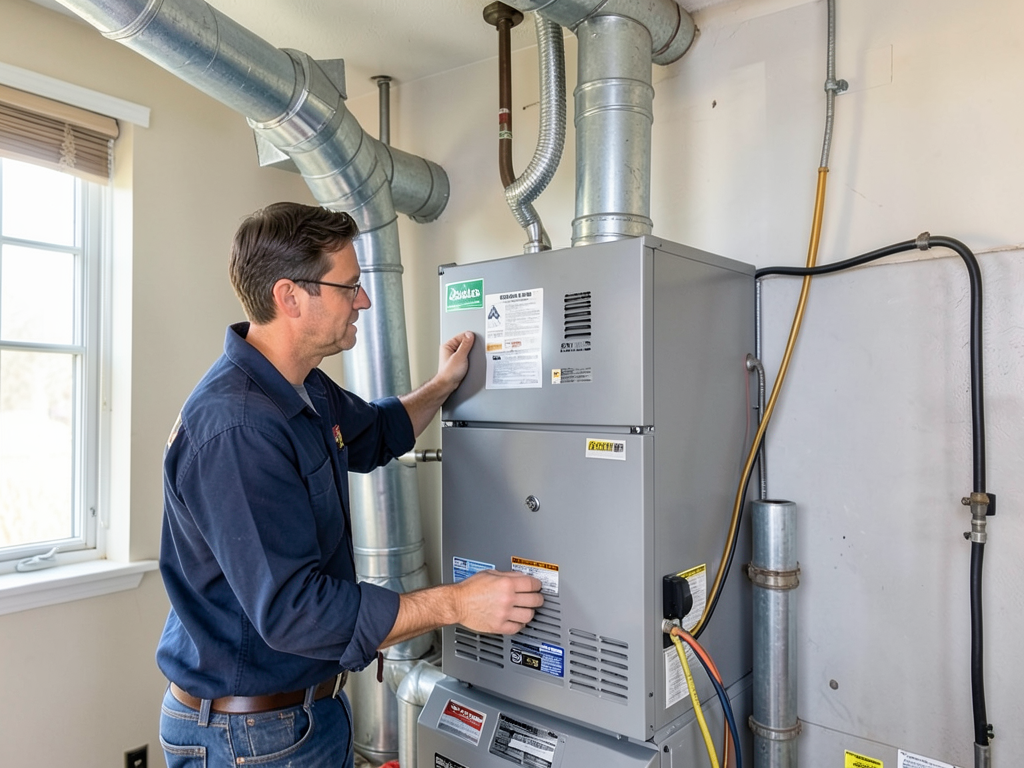
For commercial make-up air repair, we troubleshoot the root cause. Damper actuators fail. Gas valves stick. Flame sensors corrode. Blower motors burn out. We carry OEM and compatible replacement parts for Greenheck, Captive-Aire, Accurex, and Streivor units. We do not patch problems. We fix them. When we leave your site, your MUA system is balanced, your building pressure is neutral, and your facility is back in compliance. Our Hartford-based team understands the mechanical code requirements specific to Connecticut, and we document everything for your health and safety inspections.

What Happens During a Commercial MUA Service Call

Make-Up Air Unit Services in Hartford – Minimize Downtime with Industrial-Grade Commercial Solutions
01

System Diagnostic and Airflow Testing

We arrive with manometers, combustion analyzers, and CFM hoods. We measure your exhaust output and compare it to your MUA input. We test static pressure across filters, dampers, and ductwork. We identify whether your system is delivering the required airflow or if mechanical failure, filter blockage, or damper failure is choking your supply. This diagnostic phase tells us exactly what is broken and what it will take to fix it.
02

Component Repair or Replacement

We replace failed ignitors, clean flame sensors, recalibrate gas pressure, swap out damper actuators, and rebuild blower assemblies. If your heat exchanger is cracked or your burner assembly is corroded beyond repair, we provide a replacement specification and lead time estimate. We do not jury-rig commercial systems. We restore them to factory performance standards. Every component we install meets or exceeds OEM specifications for your make and model.
03

Final Balance and Documentation

We retest airflow after repairs. We verify that your MUA unit now delivers the correct CFM at the correct temperature. We sequence the unit with your exhaust system to confirm proper startup and shutdown. We photograph damper positions, gas pressure readings, and combustion analysis results. You receive a full service report with before-and-after data. This documentation is critical for health department inspections, fire marshal reviews, and your facility's maintenance records.

Why Hartford Facilities Trust Liberty HVAC for Commercial MUA Services

We are not a residential HVAC company that dabbles in commercial work. We are a commercial-focused team that understands the operational and regulatory demands of Hartford's industrial and hospitality sectors. We know the Connecticut State Building Code requirements for commercial ventilation. We understand the mechanical permit process. We have worked with health inspectors, fire marshals, and facilities managers across Hartford County.

Our technicians are trained on the major MUA brands running in Hartford facilities. We service Greenheck, Captive-Aire, Accurex, and Streivor units. We carry diagnostic equipment that most HVAC contractors do not own. We stock blower motors, gas valves, ignitors, and flame rods for the most common commercial MUA models. When you call us for commercial make-up air repair, we show up prepared. We do not make multiple trips because we guessed wrong about the problem.

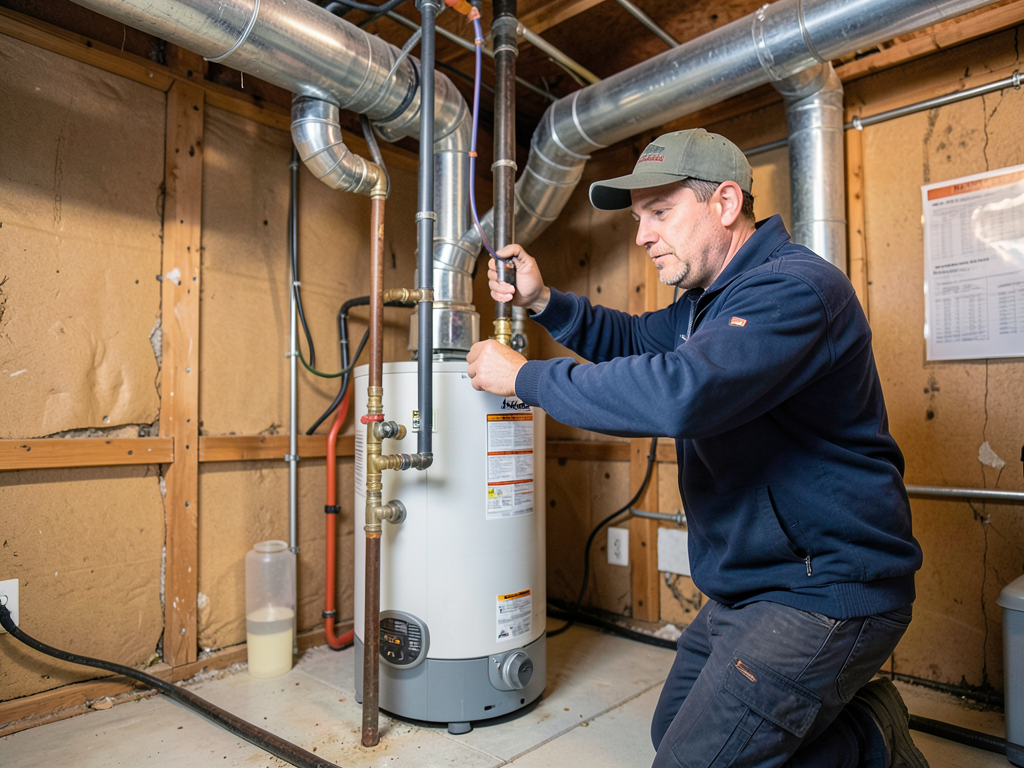
Hartford's climate creates unique challenges for MUA systems. Winter cold stresses heat exchangers. Summer humidity accelerates blower motor wear. Spring pollen clogs filters faster than you expect. We account for these variables in our maintenance plans. We recommend filter change intervals based on your facility type and operating hours. We inspect heat exchangers annually for cracks. We test gas pressure and combustion efficiency every six months. Preventive maintenance is cheaper than emergency MUA unit replacement.

We also understand the business side. Downtime is expensive. A failed MUA system can shut down your kitchen or force you to operate in violation of health codes. We prioritize commercial service calls. We provide after-hours and weekend availability. We do not leave your facility non-compliant. Liberty HVAC Hartford treats your make-up air system like the critical life safety equipment it is.

What You Can Expect When You Work with Liberty HVAC Hartford

Rapid Response for Commercial Emergencies

We understand that a failed MUA system is not a minor inconvenience. It is an operational crisis. We prioritize commercial service calls and offer after-hours emergency availability for critical failures. Our technicians carry the diagnostic tools and replacement parts needed to restore your system on the first visit. We do not schedule callbacks unless we need to order a specialized component. Most commercial make-up air repair jobs are completed the same day we arrive on site. If your system requires MUA unit replacement, we provide a detailed timeline and work with your schedule to minimize facility downtime.

Comprehensive Airflow and Compliance Assessment

We do not guess. We measure. Our initial diagnostic includes static pressure testing, CFM measurement, combustion analysis, and gas pressure verification. We compare your current airflow against the design CFM specified in your mechanical drawings or permit documents. We identify whether your system is out of balance due to mechanical failure, improper installation, or facility modifications that changed your exhaust requirements. You receive a written report with all test data, photos, and our recommended corrective actions. This documentation is critical for health department inspections and insurance compliance.

Precision Repairs That Restore Factory Performance

We use OEM or OEM-equivalent parts. We do not install aftermarket components that void your equipment warranty or compromise system performance. Every repair is tested under full load conditions. We verify ignition sequence, flame stability, blower amperage, damper operation, and temperature rise. We do not consider the job complete until your MUA system is delivering the correct airflow at the correct temperature. You receive a detailed invoice that lists every part replaced, every test performed, and every measurement recorded. This level of documentation protects you during audits and inspections.

Preventive Maintenance Plans That Extend Equipment Life

Commercial make-up air system maintenance is not optional. It is a code requirement in most jurisdictions, and it is the only way to prevent catastrophic failures. Our maintenance plans include filter replacement, heat exchanger inspection, burner cleaning, flame sensor calibration, blower motor lubrication, damper actuator testing, and gas pressure verification. We schedule visits based on your operating hours and facility type. High-volume kitchens need quarterly service. Light industrial facilities can often operate on a biannual schedule. We track all maintenance activities in a digital service log that you can reference during inspections.

Frequently Asked Questions

You Have Questions,
We Have Answers

What maintenance does a makeup air unit need? +

Makeup air units require quarterly filter inspections and replacement, annual motor and belt checks, and biannual burner cleaning for gas-fired models. In Hartford's variable climate, damper mechanisms need lubrication every six months to prevent freezing in winter. Schedule professional inspections twice yearly to verify proper airflow calibration, especially if your commercial kitchen experiences high grease loads. Check heat exchangers annually for cracks or corrosion. Hartford's freeze-thaw cycles can stress outdoor components, so verify all weatherproofing seals remain intact. Document all maintenance to maintain warranty coverage and ensure code compliance during health department inspections.

How much does it cost to install makeup air? +

Installation costs vary based on unit capacity, fuel type, ductwork complexity, and structural modifications required. Hartford commercial projects typically involve rooftop installations, which add rigging and structural engineering costs. Gas line extensions or electrical upgrades increase total investment. Building permit fees in Hartford and required fire suppression integration affect final pricing. Existing ductwork condition matters. Restaurants replacing outdated systems may need complete duct redesign to meet current ventilation codes. Request detailed proposals that separate equipment, labor, permits, and post-installation testing. Factor in long-term energy costs when comparing gas versus electric models for your Hartford facility.

What is the $5000 rule for AC? +

The $5000 rule helps property managers decide between AC repair and replacement. If repair costs exceed $5000 or if age multiplied by repair cost exceeds $5000, replacement often makes better financial sense. This guideline applies primarily to residential split systems, not commercial makeup air units. Hartford business owners should evaluate makeup air system decisions differently. Consider equipment age, energy efficiency losses, downtime costs, and code compliance issues. A 15-year-old unit requiring $3000 in compressor work may warrant replacement despite falling under the threshold. Focus on total cost of ownership, not arbitrary dollar limits, when managing commercial HVAC assets.

What is makeup air in HVAC? +

Makeup air replaces air exhausted by commercial kitchen hoods, preventing negative building pressure. When exhaust fans remove cooking fumes, replacement air must enter from somewhere. Without dedicated makeup air units, buildings pull air through doors, windows, or HVAC returns, causing drafts, difficulty opening doors, and HVAC inefficiency. Hartford commercial kitchens require properly conditioned makeup air to maintain comfortable working temperatures year-round. Units heat or cool incoming outdoor air before distribution, preventing winter cold blasts or summer heat from disrupting kitchen operations. Proper makeup air systems balance building pressure, improve indoor air quality, and ensure exhaust hoods function at rated capacity.

What is the life expectancy of a makeup air unit? +

Commercial makeup air units typically last 15 to 20 years with proper maintenance. Hartford's climate stresses outdoor components through freeze-thaw cycles and humidity fluctuations, potentially reducing lifespan without preventive care. Gas burner assemblies may need replacement at 10 to 12 years. Motors and blowers often last the unit's full lifespan with regular lubrication and filter changes. Rooftop installations face greater weather exposure than indoor equipment. Coastal proximity in some Hartford areas introduces salt air corrosion concerns. Units serving high-volume kitchens with grease-laden exhaust wear faster than those in light-duty applications. Track performance metrics to identify declining efficiency before catastrophic failure disrupts business operations.

How much does AC cleaning usually cost? +

AC cleaning costs vary by system type and service scope. Commercial makeup air unit cleaning differs from standard AC maintenance. Coil cleaning for commercial units involves removing grease buildup, biological growth, and particulate accumulation that reduces heat transfer efficiency. Hartford facilities may need more frequent cleaning due to seasonal pollen and urban air quality factors. Basic filter replacement and coil spray-down costs less than complete disassembly and pressure washing. Gas burner cleaning adds expense for fired makeup air units. Request itemized service proposals that specify exactly what cleaning procedures are included. Regular cleaning prevents efficiency losses that increase operating costs and extend equipment lifespan.

Do makeup air units require filters? +

Yes, makeup air units require filters to protect internal components and maintain indoor air quality. Hartford commercial kitchens need filters rated for the specific application. Standard pleated filters capture particulate matter before air enters the building. Units serving high-grease environments may need grease filters or pre-filters to prevent coil fouling. Filter efficiency affects both equipment protection and delivered air quality. Higher MERV-rated filters capture smaller particles but increase static pressure and energy consumption. Change filters based on actual pressure drop measurements, not arbitrary time schedules. Hartford's seasonal pollen loads may require more frequent spring replacements. Neglecting filter changes reduces airflow, increases energy costs, and can damage blower motors.

Does home Depot install range hoods? +

This question addresses residential range hood installation, not commercial makeup air systems. Home improvement retailers typically offer basic residential hood installation but lack the engineering expertise for commercial makeup air applications. Hartford commercial kitchens require licensed mechanical contractors familiar with local building codes, fire suppression integration, and health department requirements. Commercial makeup air installation involves load calculations, ductwork design, structural analysis for rooftop equipment, gas or electrical service sizing, and permit acquisition. Residential installers cannot provide the commissioning, balancing, and documentation required for commercial applications. Use qualified commercial HVAC contractors who understand Hartford's specific permitting process and inspection requirements for food service ventilation systems.

Where should I install a makeup air unit? +

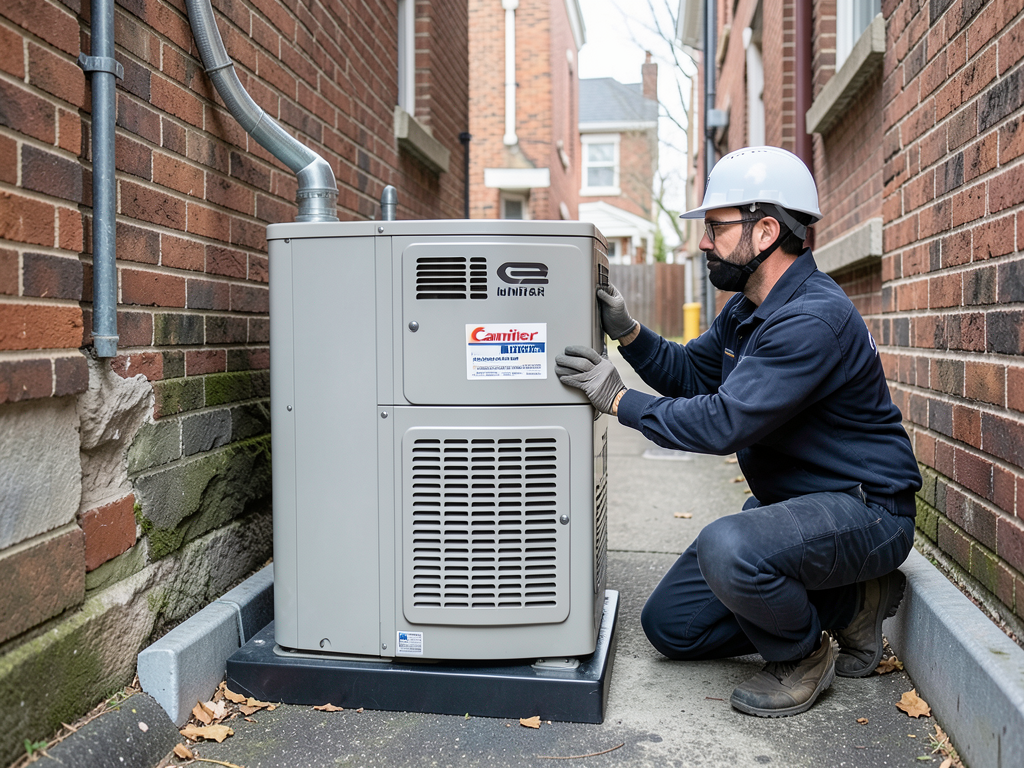
Install makeup air units where they efficiently deliver conditioned air without disrupting kitchen workflow or food preparation areas. Hartford commercial kitchens typically use rooftop installations to minimize interior space consumption and simplify ductwork runs. Position discharge diffusers to avoid blowing directly on cooking surfaces, which affects flame patterns and food temperature control. Locate intakes away from exhaust discharge points to prevent recirculation of contaminated air. Consider Hartford's prevailing winds when positioning rooftop equipment to minimize snow accumulation on intakes. Ground-level installations work for single-story buildings but require weatherproof enclosures and security measures. Coordinate placement with fire suppression systems, electrical service locations, and structural load-bearing capacity before finalizing equipment location.

What is the tax credit for the new air conditioner 2025? +

Tax credit questions apply to residential HVAC equipment, not commercial makeup air units. The 2025 Energy Efficient Home Improvement Credit covers residential air conditioners meeting specific efficiency ratings, with maximum credit amounts set annually. Commercial property owners in Hartford should investigate Section 179D commercial building energy efficiency tax deductions instead. This provision allows deductions for qualifying HVAC installations in commercial buildings. Consult tax professionals familiar with commercial real estate to identify applicable incentives for your Hartford facility. Connecticut may offer additional state-level incentives for energy-efficient commercial equipment. Manufacturer rebates and utility company incentive programs often provide more immediate cost recovery than federal tax credits for commercial projects.

How Hartford's Four-Season Climate Accelerates MUA System Wear

Hartford experiences temperature swings from single digits in January to 90 degrees in July. Your MUA unit must temper incoming air across a 100-degree range every year. That thermal cycling stresses heat exchangers, expands and contracts metal ductwork, and degrades gaskets and seals faster than in milder climates. Winter operation is particularly brutal. Cold air contracts, increasing static pressure across your system. Burners run longer cycles, accelerating heat exchanger fatigue. Condensation forms in ductwork and drains, creating freeze risk and corrosion. Spring pollen clogs filters in weeks, not months. Summer humidity forces your unit to work harder to dehumidify incoming air. These local conditions make preventive maintenance and timely commercial make-up air repair critical for Hartford facilities.

Hartford's commercial ventilation landscape is governed by the Connecticut State Building Code, which adopts the International Mechanical Code with state-specific amendments. This means your MUA system must meet specific airflow, temperature, and sequencing requirements. Local health departments enforce these codes during routine inspections. A non-compliant or non-functional MUA system can trigger violations, fines, and even temporary facility closure. Liberty HVAC Hartford understands these regulatory requirements. We document every service call with the data inspectors expect to see. We provide the technical expertise and local knowledge that keeps your facility compliant and your operations uninterrupted.
HVAC Services in The Hartford Area

Liberty HVAC Hartford proudly serves the entire Hartford area and surrounding communities. We're a local business dedicated to our neighbors' comfort. Use the map below to pinpoint our location or to confirm that your home or business is within our primary service area. We are always ready to dispatch a professional, certified technician directly to your door for any heating or cooling need you may have, ensuring prompt and convenient service every single time.

Address:
Liberty HVAC Hartford, 15 N Main St, Hartford, CT, 06107

Additional Services We Offer

Our news updates

Latest Articles & News from The Blogs

Emergency Kitchen Exhaust and HVAC Repair for Downtown Hartford Restaurants When your kitchen exhaust system fails during a dinner rush…

Emergency Kitchen Exhaust and HVAC Repair for Downtown Hartford Restaurants

Emergency Kitchen Exhaust and HVAC Repair for Downtown Hartford Restaurants When your kitchen exhaust system fails during a dinner rush…

Why High Velocity Air Conditioning is the Best Choice for Historic Wethersfield Homes

Expert High Velocity AC Installation in Wethersfield, CT Historic Wethersfield homes built before 1950 often lack the space for traditional…

Keeping Your West End Mini Split Running Smoothly with a Professional Deep Clean

Professional Mini Split Cleaning in West End Hartford, CT Your mini split works hard to keep your West End home…

Contact Us

Do not wait for a breakdown to shut down your facility. Call Liberty HVAC Hartford at (959) 203-9992 to schedule commercial make-up air system maintenance, emergency repair, or MUA unit replacement. We provide fast, compliant solutions for Hartford's commercial and industrial facilities.