menu

Whole Home Humidifiers in Hartford – Year-Round Comfort Through Every Connecticut Season

Professional central humidifier installation and service designed specifically for Hartford's extreme humidity swings, from bone-dry January heating cycles to muggy August nights, keeping your indoor air quality consistent and your health protected.

Slider Image 1
Slider Image 2
Slider Image 3
Slider Image 4
Slider Image 5
Slider Image 7
Slider Image 8
Slider Image 9
Slider Image 10
Slider Image 11

Why Hartford Homes Need Whole House Humidifiers More Than You Think

Hartford's weather throws your home's humidity levels into chaos. Winter heating cycles strip indoor air down to 15-20% relative humidity, well below the 30-50% range your respiratory system needs. You wake up with bloody noses, static shocks jump from doorknobs to fingertips, and hardwood floors develop gaps wide enough to catch your socks.

Connecticut's freeze-thaw cycles make this worse. When outdoor temps swing 40 degrees in 48 hours, your furnace runs overtime. Forced air heating without proper humidification pulls moisture from everything: your sinuses, your furniture, your throat. Families across West End and Asylum Hill deal with cracked window casings and peeling wallpaper because dry air attacks building materials just as aggressively as it attacks your lungs.

Portable humidifiers cannot keep up with a 2,000-square-foot Colonial. You refill tanks twice daily, breed mold in forgotten reservoirs, and still only humidify one room. Your furnace cycles 40 times per day in January, dumping parched air into every duct. A single-room solution fighting a whole-house problem always loses.

Central humidifiers integrate directly into your HVAC system. These ducted humidifiers treat air at the source, before distribution, maintaining consistent humidity in every room simultaneously. Furnace humidifiers pull water from your plumbing line, eliminating refills, and coordinate with your thermostat to adjust output based on actual indoor conditions. HVAC humidifiers solve the problem your portable units were never designed to handle.

Why Hartford Homes Need Whole House Humidifiers More Than You Think
How Professional Whole House Humidifier Installation Works

How Professional Whole House Humidifier Installation Works

We size whole house humidifiers using Manual J load calculations, not guesswork. Your home's cubic footage, insulation R-values, air exchange rate, and ductwork configuration determine required output capacity. A 2,400-square-foot Victorian needs different humidification than a ranch with an open floor plan. Undersized units run continuously without reaching target humidity. Oversized units cycle inefficiently and waste water.

We install bypass, fan-powered, or steam humidifiers based on your furnace type and runtime. Bypass humidifiers use furnace airflow to push air through a water panel, adding 12-17 gallons daily to your air supply. Fan-powered units include independent blowers, operating even when your furnace fan rests, delivering 18-24 gallons daily. Steam humidifiers boil water into vapor for instant humidification, critical for homes with short furnace cycles or high ceilings.

Placement matters. We mount the humidifier on the supply or return plenum depending on furnace configuration, ensuring optimal water panel saturation and airflow contact. The solenoid valve connects to your cold water line with a saddle valve or compression fitting. We run low-voltage wiring to your thermostat, enabling automatic humidity control synchronized with heating cycles.

We install humidistats calibrated to Hartford's winter conditions. You set target humidity between 30-45% depending on outdoor temperature. When indoor humidity drops below setpoint, the humidistat signals the solenoid valve to open, flooding the water panel. Air moving through saturated media picks up moisture before entering your ductwork. The system shuts off when humidity reaches target, preventing over-humidification and window condensation.

What Happens During Your Humidifier Installation

Whole Home Humidifiers in Hartford – Year-Round Comfort Through Every Connecticut Season
01

System Assessment and Sizing

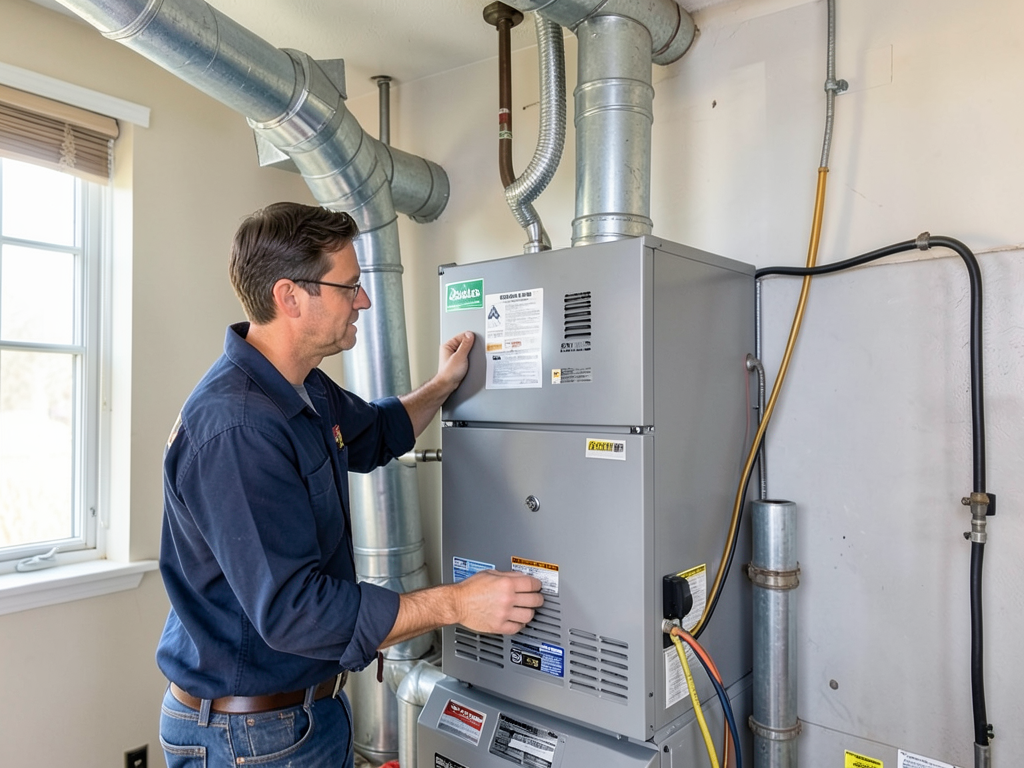
Our technician measures your home's total conditioned space, inspects ductwork accessibility, and evaluates furnace blower capacity. We test static pressure across the air handler to confirm your system can handle additional resistance from humidifier media. You receive a detailed recommendation specifying humidifier type, mounting location, and expected daily moisture output based on your home's specific heating load and air infiltration rate.
02

Humidifier Installation and Integration

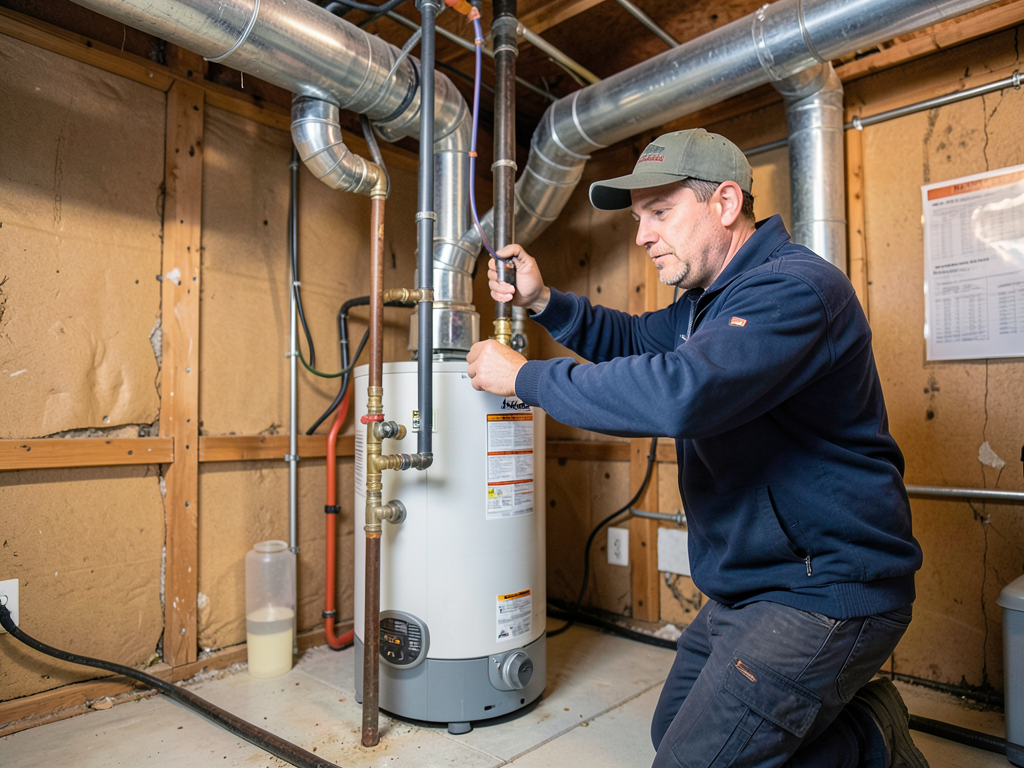
We cut precise openings in your supply or return plenum, mount the humidifier housing, and seal connections with metal tape and mastic. The water supply line runs from your plumbing to the solenoid valve with shutoff capability. We drill through ductwork for the condensate drain, sloping it properly to prevent standing water. Low-voltage control wiring connects to your thermostat, enabling automatic humidity monitoring and adjustment synchronized with heating cycles.
03

Calibration and Performance Testing

We run your furnace through multiple cycles while monitoring humidifier operation. The humidistat gets calibrated to current indoor and outdoor conditions. We verify water flow rate, check for leaks at all connection points, and measure humidity levels at supply registers throughout your home. You learn how to adjust settings seasonally, when to replace water panels, and how to spot performance issues before they become problems.

Why Hartford Homeowners Choose Liberty HVAC Hartford for Humidifier Services

We understand how Hartford's building stock affects humidification strategy. Historic homes in Asylum Hill feature plaster walls and single-pane windows that change humidity requirements compared to newer construction in Blue Hills. Older homes leak more air, requiring higher humidifier output to maintain target levels. We account for architectural details your system depends on.

Connecticut's water quality impacts humidifier performance. Hartford's municipal water contains dissolved minerals that accumulate on evaporator panels, reducing efficiency and breeding bacteria. We recommend water panel replacement schedules based on local water hardness, not generic manufacturer timelines. Hard water shortens panel life from 12 months to 6 months. We track your replacement cycle and remind you before performance degrades.

We size humidifiers for Hartford's actual winter conditions, not national averages. January averages 28 degrees with frequent drops below 15 degrees. These extended cold snaps demand higher humidification capacity than mild winter climates. We calculate moisture load using Hartford's 99% heating design temperature, ensuring your system maintains comfort during the coldest weeks, not just average conditions.

Liberty HVAC Hartford stocks replacement parts for every major humidifier brand. When your Aprilaire water panel clogs or your Honeywell solenoid valve fails, we carry the correct replacement on our trucks. You do not wait three days for shipping while your home's humidity crashes. We fix humidifier problems the same day you call, keeping your air quality stable through winter's driest stretches.

What to Expect from Your Whole House Humidifier Service

Installation Timeline and Scheduling

Most whole house humidifier installations finish in 3-4 hours. We schedule installations Monday through Saturday, with morning or afternoon windows to fit your availability. You do not need to take a full day off work. Our technicians arrive with all necessary materials: the humidifier unit, mounting hardware, water supply lines, and control wiring. We protect your floors with drop cloths and clean the work area completely before leaving. Your furnace remains operational throughout installation. We test the complete system before we leave, walking you through controls and settings so you understand exactly how to manage humidity levels for different outdoor temperatures.

Pre-Installation Consultation Process

Before installation, we inspect your furnace and ductwork to identify the optimal humidifier location. We measure static pressure, verify adequate electrical capacity for steam units, and confirm water line accessibility. You learn the differences between bypass, fan-powered, and steam humidifiers, with honest recommendations based on your furnace runtime and home size. We explain water panel maintenance requirements, annual service needs, and typical operating costs including water consumption and electricity usage. You receive a detailed written estimate covering equipment, labor, materials, and any ductwork modifications needed for proper installation. No surprises, no upsells, no pressure tactics.

Performance and Comfort Results

Within 24 hours of installation, you notice fewer static shocks and easier breathing during sleep. Within three days, your skin stops cracking and your throat stops waking you at 3 AM. Your hardwood floors stop contracting, furniture joints stop loosening, and houseplants stop browning at leaf tips. Indoor humidity stabilizes between 35-45%, measured by your new humidistat. Your furnace runs slightly less because properly humidified air feels warmer at lower temperatures, cutting heating costs by 2-4%. You stop buying petroleum jelly for bloody noses and lotion for cracked hands. Your home simply feels healthier.

Maintenance Plans and Service Support

We recommend annual humidifier maintenance scheduled with your fall furnace tune-up. This service includes water panel replacement, solenoid valve inspection, humidistat calibration, and drain line cleaning. You can purchase replacement water panels from us or handle this simple maintenance yourself with the instructions we provide. We offer service plans covering both your furnace and humidifier with priority scheduling and discounted repairs. When issues develop, you call the same number that handled your installation. We track your equipment history, know your home's specific configuration, and stock parts that fit your exact model. Support does not disappear after installation.

Frequently Asked Questions

You Have Questions,
We Have Answers

What is the downside of a whole-house humidifier? +

Whole-house humidifiers require regular maintenance. You must change the water panel or filter seasonally to prevent mold and mineral buildup. If you ignore maintenance, bacteria can grow and spread through your ductwork. Over-humidification damages wood floors, causes window condensation, and promotes mold growth in your home. Hartford's freeze-thaw cycles make this worse because excess moisture can condense in attics and wall cavities. You also face higher water bills since the unit ties into your plumbing. Most systems waste water during operation. Proper calibration and a good humidistat prevent these issues.

What type of humidifier is best for a whole house? +

Bypass humidifiers work best for most Hartford homes. They connect to your furnace ductwork and use warm air to evaporate water naturally. You get reliable humidity control without electricity. Steam humidifiers offer faster humidification and precise control, ideal for larger homes or severe dryness during Hartford winters. Fan-powered models push moisture into your ductwork actively, giving you better distribution in multi-story homes. Your choice depends on your furnace type, home size, and humidity needs. Bypass models cost less upfront and require minimal maintenance, making them popular for single-family homes.

How much is a whole-house humidifier installed? +

Installation costs depend on your existing HVAC setup and the unit type you choose. Bypass models run less because they integrate simply into your ductwork. Steam units cost more due to electrical requirements and complex installation. You pay for labor, the humidifier itself, water line connection, and any necessary ductwork modifications. Hartford homes with older furnaces sometimes need additional work to accommodate modern humidifiers. Your technician evaluates your system first. Factors like accessibility, attic space, and whether you need a new humidistat affect the final price. Get multiple quotes from licensed HVAC contractors.

Why would I want a whole-house humidifier? +

Hartford winters are brutal on indoor air quality. Furnace heating strips moisture from your air, dropping humidity below 30 percent. Dry air cracks wood furniture, damages hardwood floors, and splits trim work. You feel colder at normal temperatures because dry air does not hold heat well. Your skin dries out, sinuses hurt, and static electricity becomes annoying. Kids get more respiratory infections when humidity drops too low. A whole-house humidifier maintains 35 to 45 percent humidity automatically. You stay healthier, your home stays intact, and your heating bills drop because moist air feels warmer.

What are signs I need a humidifier? +

You need a humidifier if you notice static shocks when touching metal or doorknobs. Your skin feels tight and itchy, lips crack, and you wake up with a dry throat or bloody nose. Wood floors develop gaps between planks during winter. Window frames and door casings show separation cracks. Houseplants wilt despite watering. Your thermostat reads 70 degrees but you still feel cold. Hartford winters drive indoor humidity dangerously low. A simple hygrometer from any hardware store confirms the problem. If humidity stays below 30 percent, you need whole-house humidification to protect your health and home.

Where does the water go from a whole house dehumidifier? +

You asked about a dehumidifier, but most whole-house dehumidifiers drain water through a condensate line. This line connects to your floor drain, sump pump, or exterior discharge point. The unit pulls moisture from air passing through your HVAC system, condenses it into liquid water, and pumps it out continuously. Hartford basements often have floor drains that handle this discharge easily. Some systems tie into your plumbing drain lines. You must ensure proper slope and avoid freezing during winter months. Check the drain line quarterly to prevent clogs from algae or mineral deposits.

Where is the best place to put a whole home humidifier? +

Install your whole-house humidifier on the warm air supply plenum leaving your furnace. This location allows the unit to distribute moisture evenly through your ductwork before air reaches your living spaces. Mount it where you can access the water panel easily for seasonal changes. Hartford homes with basement furnaces benefit from this placement because you avoid attic freeze issues. Some bypass models work on the return duct, but supply-side mounting gives better performance. Your technician considers ductwork layout, water line access, and electrical connections. Proper placement prevents condensation problems and ensures even humidity distribution throughout your home.

What humidifiers do consumer reports recommend? +

Consumer Reports evaluates humidifiers based on performance, reliability, and ease of maintenance. They recommend Aprilaire models for whole-house applications because of consistent output and durable construction. Honeywell units also score well for value and availability. The publication tests humidification speed, water consumption, and filter life. They measure how well units maintain target humidity levels during temperature swings common in Hartford winters. Steam models from brands like Nortec rank high for precision control. Consumer Reports updates recommendations annually. Check their current ratings before purchasing. Your HVAC contractor can install any top-rated model that matches your furnace specifications.

What are the signs of too much humidity? +

Too much humidity creates condensation on windows, especially during Hartford winters when indoor and outdoor temperature differences are extreme. You see water stains on ceilings or walls near bathrooms. Mold grows in closets, basements, or around window frames. The air feels heavy and sticky. Paint peels or wallpaper bubbles. You smell musty odors that do not go away. Wood floors cup or buckle. Dust mites thrive above 50 percent humidity, worsening allergies. Your humidistat should keep levels between 35 and 45 percent. If readings exceed 50 percent consistently, reduce humidifier output or check for plumbing leaks.

What size humidifier do I need for a 2000 square foot house? +

A 2000 square foot house needs a humidifier rated for 12 to 17 gallons per day output, depending on your home's insulation and air tightness. Hartford's cold winters demand higher capacity because furnaces run longer and strip more moisture. Older homes with drafty windows need more humidification than newer, well-sealed homes. Calculate your requirement by considering ceiling height, furnace size, and how many air changes happen hourly. A bypass humidifier works for average tightness. Leaky homes benefit from fan-powered or steam models. Your HVAC contractor performs a load calculation to size the unit correctly for your specific conditions.

How Hartford's Winter Heating Demands Make Whole House Humidifiers Essential

Hartford's heating season runs seven months, from October through April, with January and February averaging below freezing for weeks at a time. Your furnace runs 10-14 hours daily during cold snaps, cycling heated air through ducts 50-70 times each day. Every heating cycle strips moisture from indoor air, dropping relative humidity below 20% without mechanical humidification. This extended heating season means Hartford homes experience severe low humidity for longer periods than moderate climates. Ducted humidifiers become necessary equipment, not luxury additions, because your respiratory system cannot adapt to four months of desert-dry air while living in New England.

Liberty HVAC Hartford has installed central humidifiers in Hartford homes for years, learning how local construction methods affect system performance. We know which neighborhoods have hard water requiring frequent panel changes and which historic districts feature ductwork too small for high-output humidifiers. Our technicians understand Connecticut's residential building code requirements for condensate drainage and water supply connections. We work with local inspectors regularly, ensuring installations meet current standards. When you choose local expertise for HVAC humidifiers, you get technicians who have solved Hartford-specific humidity problems in hundreds of homes just like yours.
HVAC Services in The Hartford Area

Liberty HVAC Hartford proudly serves the entire Hartford area and surrounding communities. We're a local business dedicated to our neighbors' comfort. Use the map below to pinpoint our location or to confirm that your home or business is within our primary service area. We are always ready to dispatch a professional, certified technician directly to your door for any heating or cooling need you may have, ensuring prompt and convenient service every single time.

Address:
Liberty HVAC Hartford, 15 N Main St, Hartford, CT, 06107

Additional Services We Offer

Our news updates

Latest Articles & News from The Blogs

Emergency Kitchen Exhaust and HVAC Repair for Downtown Hartford Restaurants When your kitchen exhaust system fails during a dinner rush…

Emergency Kitchen Exhaust and HVAC Repair for Downtown Hartford Restaurants

Emergency Kitchen Exhaust and HVAC Repair for Downtown Hartford Restaurants When your kitchen exhaust system fails during a dinner rush…

Why High Velocity Air Conditioning is the Best Choice for Historic Wethersfield Homes

Expert High Velocity AC Installation in Wethersfield, CT Historic Wethersfield homes built before 1950 often lack the space for traditional…

Keeping Your West End Mini Split Running Smoothly with a Professional Deep Clean

Professional Mini Split Cleaning in West End Hartford, CT Your mini split works hard to keep your West End home…

Contact Us

Schedule your whole house humidifier consultation today. Our technicians assess your home, recommend the right system, and install it before the next cold front arrives. Call Liberty HVAC Hartford at (959) 203-9992 now to breathe easier this winter.