
Balancing the Temperature in a Large Multi Generational House in Northeast Hartford
Living in a large multi-generational home in Northeast Hartford comes with unique comfort challenges. Whether you’re dealing with a historic Victorian near Keney Park or a sprawling mid-century home in the Blue Hills neighborhood, uneven temperatures between rooms and floors are a common frustration. The good news is that with the right approach, you can achieve consistent comfort throughout your home. This guide walks you through the causes of temperature imbalances and provides practical solutions tailored to Hartford’s climate and housing stock.. Read more about How to Stop Cold Drafts from Your Historic Fireplace Without Losing the Aesthetic in South Green.
Why Large Homes in Northeast Hartford Struggle with Uneven Temperatures
Large multi-generational homes in Northeast Hartford face specific challenges that smaller homes don’t. The area’s historic housing stock often features high ceilings, large windows, and complex floor plans that create natural temperature stratification. Heat naturally rises, meaning upper floors can be 5-8 degrees warmer than lower levels during winter. In summer, the opposite occurs as cool air sinks and upper floors become uncomfortably warm.. Read more about Creating a Dedicated HVAC Zone for Your West Hartford Home Office.
Many Northeast Hartford homes were built before modern HVAC systems existed. These homes often have ductwork that was added later or modified over decades. Long duct runs from the furnace or air handler to distant rooms create pressure drops that reduce airflow. A study by the U.S. Department of Energy found that duct losses can account for up to 30% of heating and cooling energy in typical homes. U.S. Department of Energy on home heating systems.
The local climate intensifies these issues. Hartford experiences significant seasonal temperature swings, with winter lows regularly dropping below 20°F and summer highs exceeding 90°F. This 70-degree temperature differential means your HVAC system works harder and longer, amplifying any existing imbalances. The humid continental climate also means moisture control becomes critical for comfort.. Read more about Connecting Your HVAC System to Your Smart Home Ecosystem in Newington.
Step-by-Step DIY Air Balancing Techniques
Before calling a professional, there are several DIY techniques you can try to improve temperature balance. These methods work best when you understand how your system moves air through your home.. Read more about Simple Ways to Improve Airflow in Your Upper Albany Multi Family Home.
Start with a room-by-room temperature audit. Use a simple digital thermometer to record temperatures in each room at the same time of day. Note which rooms are consistently too hot or too cold. This creates your baseline and helps identify problem areas.
Check and adjust supply registers. Supply registers control airflow into each room. Partially closing registers in rooms that are too warm can redirect air to cooler areas. However, don’t close more than 25% of any register, as this creates system pressure problems. The EPA recommends keeping at least 75% of registers fully open.
Examine return air vents. Blocked or undersized return vents force your system to work harder and create pressure imbalances. Make sure furniture isn’t blocking return vents and that they’re clean. A good rule of thumb is to have at least one return vent per 1,000 square feet of living space.
Implement the 2-degree thermostat rule. For homes with multiple thermostats or zoned systems, set upstairs thermostats 2 degrees lower than downstairs in summer and 2 degrees higher in winter. This compensates for natural heat rise and fall.
Check for duct leaks. Feel around duct connections in your basement or attic while the system runs. If you feel air escaping, you’ve found a leak. The U.S. Department of Energy estimates that sealing duct leaks can improve HVAC efficiency by 20%.
The Role of Manual Duct Dampers
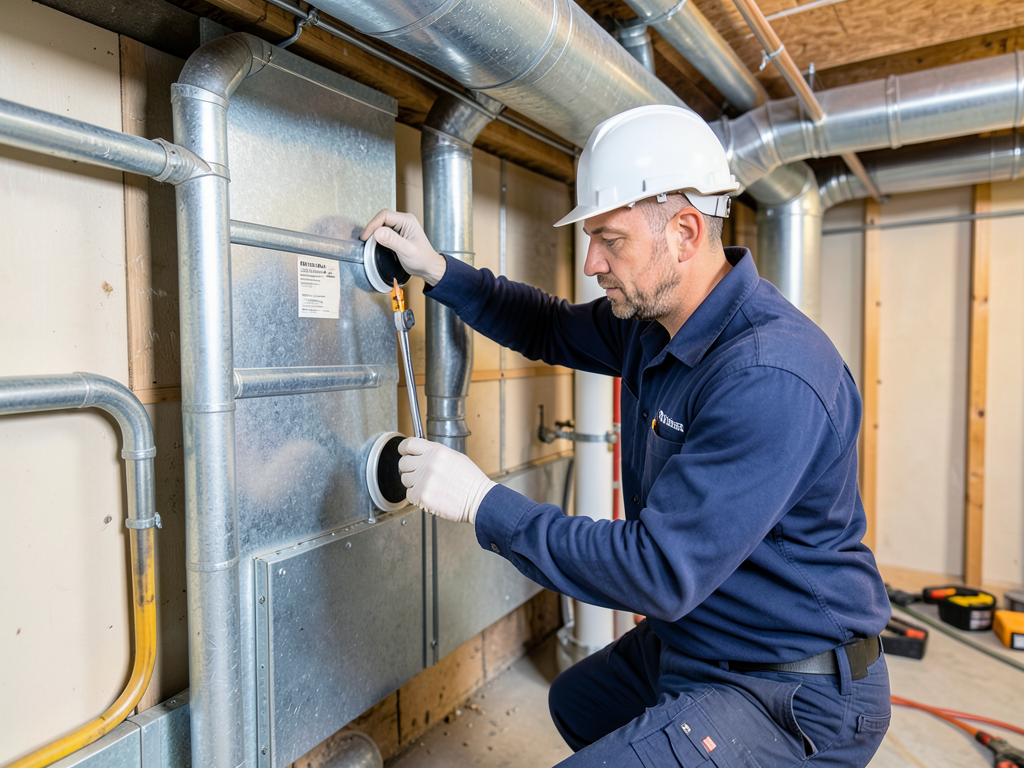
Manual duct dampers are metal valves inside your ductwork that control airflow to different areas of your home. They’re typically located in the main supply trunk near your furnace or air handler. Many Northeast Hartford homes have these dampers, but homeowners often don’t know they exist or how to use them. Who to Call for Emergency Furnace Repair in Hartford in the Middle of the Night.
Locating your dampers. Look in your basement or attic where the main ductwork runs. You’ll see metal levers or wing nuts on the side of round ducts. These are your dampers. When the lever is parallel to the duct, the damper is open. When it’s perpendicular, the damper is closed.
How to adjust dampers. Start by setting all dampers to the fully open position. Then, based on your temperature audit, begin adjusting one area at a time. If a room is too warm, slightly close the damper serving that area. If a room is too cold, ensure its damper is fully open and consider closing dampers to areas that are too warm.
The adjustment process takes time. Make small changes (1/4 turn at a time) and wait 24 hours before making additional adjustments. This allows the system to stabilize and gives you accurate feedback on the impact of your changes.
Common damper mistakes to avoid. Never close more than 50% of the dampers in your system, as this can cause your furnace or air handler to overheat. Also, avoid making large adjustments during extreme weather, as the system’s behavior changes with outdoor temperatures.
Advanced Solutions for Hartford Homeowners
When DIY methods aren’t enough, several advanced solutions can dramatically improve temperature balance in large homes. These options require professional installation but offer significant comfort improvements. High Efficiency AC Options for Luxury Homes in Glastonbury.
Zoning systems divide your home into separate temperature control areas. Each zone has its own thermostat and motorized dampers that open and close automatically. For a typical Northeast Hartford multi-generational home, you might create zones for: first floor, second floor, basement, and a separate zone for any home additions or sunrooms.
Variable speed blowers adjust their output based on demand rather than running at full speed all the time. This provides more consistent airflow and better humidity control. The Connecticut Energy Efficiency Fund reports that variable speed systems can reduce energy consumption by 30% compared to single-speed units.
Aeroseal duct sealing uses polymer particles to seal leaks from the inside of your ductwork. This technology can seal leaks throughout your entire duct system, including those hidden behind walls or in hard-to-reach areas. The process typically improves system efficiency by 15-30%.
Heat recovery ventilators (HRVs) or energy recovery ventilators (ERVs) exchange stale indoor air with fresh outdoor air while recovering heat or cooling energy. These systems are particularly valuable in tightly sealed modern homes and can help eliminate temperature stratification.
Smart thermostats with remote sensors allow you to monitor and control temperatures in different areas of your home. Some models learn your patterns and automatically adjust to maintain consistent comfort. The National Renewable Energy Laboratory found that smart thermostats can reduce HVAC energy use by 10-15%.
When to Call a Hartford HVAC Professional
While many temperature balance issues can be addressed through DIY methods, certain situations require professional expertise. Knowing when to call in a specialist can save you time, money, and frustration. Stop Wasting Money with an Annual HVAC Tune Up in East Hartford.
Signs of undersized equipment include the system running constantly without achieving desired temperatures, or the inability to maintain consistent temperatures even after balancing efforts. A professional can perform a Manual J load calculation to determine if your system is properly sized for your home’s current configuration.
Major ductwork issues such as collapsed ducts, disconnected sections, or severe insulation problems require professional repair. These issues often occur in older Northeast Hartford homes where ductwork has settled or been damaged by pests.
Refrigerant problems can cause cooling systems to underperform. Low refrigerant levels or improper refrigerant charge affects the system’s ability to cool effectively. Only EPA-certified technicians can legally handle refrigerants under Section 608 of the Clean Air Act.
Electrical issues including faulty wiring, overloaded circuits, or malfunctioning controls pose safety risks and require professional attention. The National Fire Protection Association reports that electrical failures are a leading cause of home fires.
Complex zoning installations require careful planning and precise installation. A professional can design a zoning system that accounts for your home’s unique layout, existing ductwork, and occupancy patterns.
Indoor air quality concerns such as excessive humidity, poor ventilation, or air quality issues often accompany temperature problems. A professional can assess your home’s air quality and recommend solutions that address both comfort and health.
Cost Considerations and ROI
Investing in temperature balancing solutions offers both immediate comfort benefits and long-term financial returns. Understanding the costs and potential savings helps you make informed decisions.
DIY improvements like adjusting dampers and registers cost nothing but your time. These simple changes can improve comfort by 20-30% in many cases. More involved DIY projects like duct sealing with mastic tape typically cost $50-200 in materials.
Professional duct sealing using Aeroseal technology costs $1,500-3,000 for an average home but can reduce energy bills by 15-30%. The Connecticut Energy Efficiency Fund offers rebates for qualifying energy efficiency improvements.
Zoning system installation ranges from $2,500-5,000 depending on your home’s size and complexity. The system typically pays for itself through energy savings within 3-5 years, especially in large homes where you can avoid heating or cooling unused areas.
Variable speed system upgrades cost $3,000-8,000 but provide the best comfort and efficiency. These systems often qualify for utility rebates and tax incentives. The improved comfort and energy savings typically offset the higher initial cost within 5-7 years.
Smart thermostat installation costs $200-500 and can reduce HVAC energy use by 10-15%. Many Connecticut utilities offer rebates of $50-100 for smart thermostat installations.
Maintaining Your Balanced System
Once you’ve achieved good temperature balance, regular maintenance keeps your system performing optimally. A well-maintained HVAC system not only provides better comfort but also operates more efficiently and lasts longer. The Best Energy Efficient Boilers for Hartford Homes with Old Radiators.
Change air filters regularly. Dirty filters restrict airflow and reduce system efficiency. Check filters monthly and replace them every 1-3 months depending on your home’s dust levels and whether you have pets. The EPA recommends checking filters monthly during peak heating and cooling seasons.
Keep vents and registers clean. Vacuum supply and return vents regularly to remove dust and debris. Make sure furniture, curtains, and rugs don’t block airflow. Even partially blocked vents can create pressure imbalances that affect the entire system.
Schedule annual professional maintenance. A qualified technician should inspect your system annually, cleaning coils, checking refrigerant levels, and ensuring all components operate correctly. The Air Conditioning Contractors of America recommends professional maintenance at least once per year for optimal performance.
Monitor your system’s performance. Keep track of temperature readings in different rooms throughout the year. If you notice new hot or cold spots developing, address them early before they become major comfort issues.
Consider seasonal adjustments. Your home’s heating and cooling needs change with the seasons. You may need to readjust dampers or thermostat settings as outdoor temperatures and humidity levels change throughout the year.
Local Building Codes and Regulations
Working on your HVAC system in Hartford requires awareness of local building codes and regulations. Compliance ensures safety, efficiency, and legal operation of your equipment.. Read more about Heating a Drafty Cape Cod in West Hartford – Why the Second Floor Always Stays Cold.
The Connecticut State Building Code, based on the International Mechanical Code (IMC), requires permits for most HVAC modifications. This includes installing new equipment, modifying existing ductwork, or making changes to gas lines. The City of Hartford Building Department enforces these requirements and conducts inspections to verify compliance. EPA Section 608 refrigerant regulations.
Refrigerant handling must comply with EPA Section 608 regulations. Only certified technicians can purchase refrigerants, service systems containing refrigerants, or dispose of old equipment. This protects the environment and ensures proper handling of potentially hazardous materials.
Electrical work associated with HVAC systems must comply with the National Electrical Code (NEC). This includes proper circuit sizing, grounding, and protection against electrical hazards. Many HVAC installations require dedicated circuits to prevent overloads and ensure reliable operation. Reliable Commercial HVAC Maintenance for Businesses in Downtown Hartford.
Energy efficiency standards continue to evolve. The Department of Energy sets minimum efficiency requirements for new HVAC equipment, and Connecticut has adopted additional standards for certain applications. When replacing equipment, ensure your new system meets or exceeds current efficiency requirements.
Local zoning ordinances may restrict where outdoor equipment can be placed. Many Hartford neighborhoods have regulations about noise levels, setback requirements, and visual impact of HVAC equipment. Check with the city’s zoning department before installing new outdoor units.. Read more about HVAC Upgrades That Make Aging in Place More Comfortable for Seniors in Cromwell.
Energy Efficiency and Environmental Impact
Improving temperature balance in your home not only enhances comfort but also reduces energy consumption and environmental impact. Hartford’s climate makes energy efficiency particularly important for both cost savings and environmental responsibility.
The average Connecticut household spends about $2,000 annually on heating and cooling. A properly balanced HVAC system can reduce this by 15-30%, saving $300-600 per year. Over a 15-year system lifespan, this represents $4,500-9,000 in energy cost savings.
Reducing energy consumption also decreases your carbon footprint. The average Connecticut home produces about 8 tons of CO2 annually from heating and cooling. Improving system efficiency can reduce this by 1-2 tons per year, equivalent to not driving a car for three months.
Connecticut’s energy mix continues to evolve toward cleaner sources. The state has committed to achieving 100% zero-carbon electricity by 2040. By improving your home’s energy efficiency now, you’re preparing for a future where clean electricity powers more of our energy needs.
Many energy efficiency improvements qualify for rebates and incentives. The Connecticut Energy Efficiency Fund offers rebates for high-efficiency equipment, smart thermostats, and other improvements. Federal tax credits may also be available for qualifying energy efficiency upgrades.
Water conservation often accompanies energy efficiency in HVAC systems. High-efficiency systems typically use less water for cooling, and proper maintenance prevents leaks that waste both water and energy. In Hartford’s climate, this dual benefit makes efficiency improvements even more valuable.
Frequently Asked Questions
How long does it take to balance the temperature in a large home?
Balancing temperatures in a large multi-generational home typically takes 2-4 weeks when done systematically. Start with DIY adjustments, wait 24-48 hours between changes, and allow your system to stabilize. Professional balancing with specialized equipment can be completed in one day, but may require follow-up adjustments.
Can I balance temperatures without replacing my HVAC system?
Yes, many temperature balance issues can be resolved without replacing your HVAC system. Adjusting dampers, sealing duct leaks, and improving insulation often solve the problem. However, if your system is more than 15 years old or improperly sized, replacement may be the most cost-effective long-term solution.
Why is my upstairs always hotter than downstairs?
Heat rises naturally due to convection, making upper floors warmer than lower floors. This effect is amplified in large homes with high ceilings and poor insulation. Additionally, ductwork often loses more heat on long runs to upper floors, and second-story windows may receive more direct sunlight.
How much does professional HVAC balancing cost?
Professional HVAC balancing typically costs $300-600 for a diagnostic assessment and basic adjustments. More comprehensive services like Aeroseal duct sealing range from $1,500-3,000. Zoning system installation costs $2,500-5,000. Many companies offer free estimates to help you understand your specific needs and costs.
Will smart thermostats help with temperature balancing?
Smart thermostats can significantly improve temperature balance by learning your patterns and making automatic adjustments. Models with remote sensors allow you to monitor and control temperatures in different areas. However, smart thermostats work best when combined with proper system design and ductwork.
How do I know if my ductwork needs replacement?
Signs that ductwork needs replacement include visible damage or rust, persistent leaks even after sealing attempts, poor airflow despite clean filters, and inconsistent temperatures throughout your home. If your ductwork is more than 25 years old or made of substandard materials, replacement may be more cost-effective than continued repairs.
Conclusion
Balancing the temperature in a large multi-generational house in Northeast Hartford requires understanding your home’s unique characteristics and the local climate challenges. Whether you tackle the project yourself or work with a professional, the key is systematic diagnosis and targeted solutions. Start with simple DIY adjustments, monitor the results, and progress to more advanced solutions only as needed.
Remember that temperature balance isn’t just about comfort—it’s about energy efficiency, system longevity, and indoor air quality. A well-balanced system operates more efficiently, costs less to run, and provides healthier indoor air for your family. The investment in proper temperature balancing pays dividends in comfort, savings, and peace of mind.
If you’re struggling with uneven temperatures in your Northeast Hartford home, don’t wait for the next extreme weather event to make the problem worse. Call (959) 203-9992 today to schedule a professional assessment. Our experienced technicians understand the unique challenges of Hartford’s historic homes and can recommend solutions that fit your specific needs and budget.
Pick up the phone and call (959) 203-9992 before the next cold snap or heat wave hits. Your family deserves consistent comfort in every room of your home, and we’re here to make that happen.
You may also find this helpful. The Essential Spring HVAC Checklist for Families Living in Prospect Hill.
You may also find this helpful. Why Your Steam Boiler in Asylum Hill Keeps Shutting Off Every Few Minutes.
{
“@context”: “https://schema.org”,
“@type”: “BlogPosting”,
“headline”: “Balancing the Temperature in a Large Multi Generational House in Northeast Hartford”,
“description”: “Uneven heating and cooling in large Northeast Hartford homes? Learn how to balance airflow, fix hot and cold spots, and improve comfort with expert HVAC solutions.”,
“wordCount”: 2788,
“datePublished”: “2026-05-07T14:06:00.000Z”,
“dateModified”: “2026-05-07T14:06:00.000Z”,
“inLanguage”: “en-US”,
“mainEntityOfPage”: {
“@type”: “WebPage”,
“@id”: “https://libertyhvachartford.com”
},
“publisher”: {
“@type”: “LocalBusiness”,
“name”: “Liberty HVAC Hartford”,
“url”: “https://libertyhvachartford.com”
},
“author”: {
“@type”: “Organization”,
“name”: “Liberty HVAC Hartford”,
“url”: “https://libertyhvachartford.com”
},
“image”: {
“@type”: “ImageObject”,
“url”: “https://libertyhvachartford.com/wp-content/uploads/2026/03/balancing-the-temperature-in-a-large-multi-generat-1.png”
}
}
{
“@context”: “https://schema.org”,
“@type”: “HVACBusiness”,
“name”: “Liberty HVAC Hartford”,
“url”: “https://libertyhvachartford.com”,
“address”: {
“@type”: “PostalAddress”,
“addressLocality”: “Hartford”
},
“areaServed”: {
“@type”: “City”,
“name”: “Hartford”
}
}
{
“@context”: “https://schema.org”,
“@type”: “FAQPage”,
“mainEntity”: [
{
“@type”: “Question”,
“name”: “How long does it take to balance the temperature in a large home?”,
“acceptedAnswer”: {
“@type”: “Answer”,
“text”: “Balancing temperatures in a large multi-generational home typically takes 2-4 weeks when done systematically. Start with DIY adjustments, wait 24-48 hours between changes, and allow your system to stabilize. Professional balancing with specialized equipment can be completed in one day, but may require follow-up adjustments.”
}
},
{
“@type”: “Question”,
“name”: “Can I balance temperatures without replacing my HVAC system?”,
“acceptedAnswer”: {
“@type”: “Answer”,
“text”: “Yes, many temperature balance issues can be resolved without replacing your HVAC system. Adjusting dampers, sealing duct leaks, and improving insulation often solve the problem. However, if your system is more than 15 years old or improperly sized, replacement may be the most cost-effective long-term solution.”
}
},
{
“@type”: “Question”,
“name”: “Why is my upstairs always hotter than downstairs?”,
“acceptedAnswer”: {
“@type”: “Answer”,
“text”: “Heat rises naturally due to convection, making upper floors warmer than lower floors. This effect is amplified in large homes with high ceilings and poor insulation. Additionally, ductwork often loses more heat on long runs to upper floors, and second-story windows may receive more direct sunlight.”
}
},
{
“@type”: “Question”,
“name”: “How much does professional HVAC balancing cost?”,
“acceptedAnswer”: {
“@type”: “Answer”,
“text”: “Professional HVAC balancing typically costs $300-600 for a diagnostic assessment and basic adjustments. More comprehensive services like Aeroseal duct sealing range from $1,500-3,000. Zoning system installation costs $2,500-5,000. Many companies offer free estimates to help you understand your specific needs and costs.”
}
},
{
“@type”: “Question”,
“name”: “Will smart thermostats help with temperature balancing?”,
“acceptedAnswer”: {
“@type”: “Answer”,
“text”: “Smart thermostats can significantly improve temperature balance by learning your patterns and making automatic adjustments. Models with remote sensors allow you to monitor and control temperatures in different areas. However, smart thermostats work best when combined with proper system design and ductwork.”
}
},
{
“@type”: “Question”,
“name”: “How do I know if my ductwork needs replacement?”,
“acceptedAnswer”: {
“@type”: “Answer”,
“text”: “Signs that ductwork needs replacement include visible damage or rust, persistent leaks even after sealing attempts, poor airflow despite clean filters, and inconsistent temperatures throughout your home. If your ductwork is more than 25 years old or made of substandard materials, replacement may be more cost-effective than continued repairs.”
}
}
]
}
{
“@context”: “https://schema.org”,
“@type”: “BreadcrumbList”,
“itemListElement”: [
{
“@type”: “ListItem”,
“position”: 1,
“name”: “Home”,
“item”: “https://libertyhvachartford.com”
},
{
“@type”: “ListItem”,
“position”: 2,
“name”: “Blog”,
“item”: “https://libertyhvachartford.com/blog”
},
{
“@type”: “ListItem”,
“position”: 3,
“name”: “Balancing the Temperature in a Large Multi Generational House in Northeast Hartford”
}
]
}
{
“@context”: “https://schema.org”,
“@type”: “Service”,
“serviceType”: “HVAC”,
“provider”: {
“@type”: “LocalBusiness”,
“name”: “Liberty HVAC Hartford”,
“url”: “https://libertyhvachartford.com”
},
“areaServed”: {
“@type”: “City”,
“name”: “Hartford”
},
“description”: “Uneven heating and cooling in large Northeast Hartford homes? Learn how to balance airflow, fix hot and cold spots, and improve comfort with expert HVAC solutions.”
}