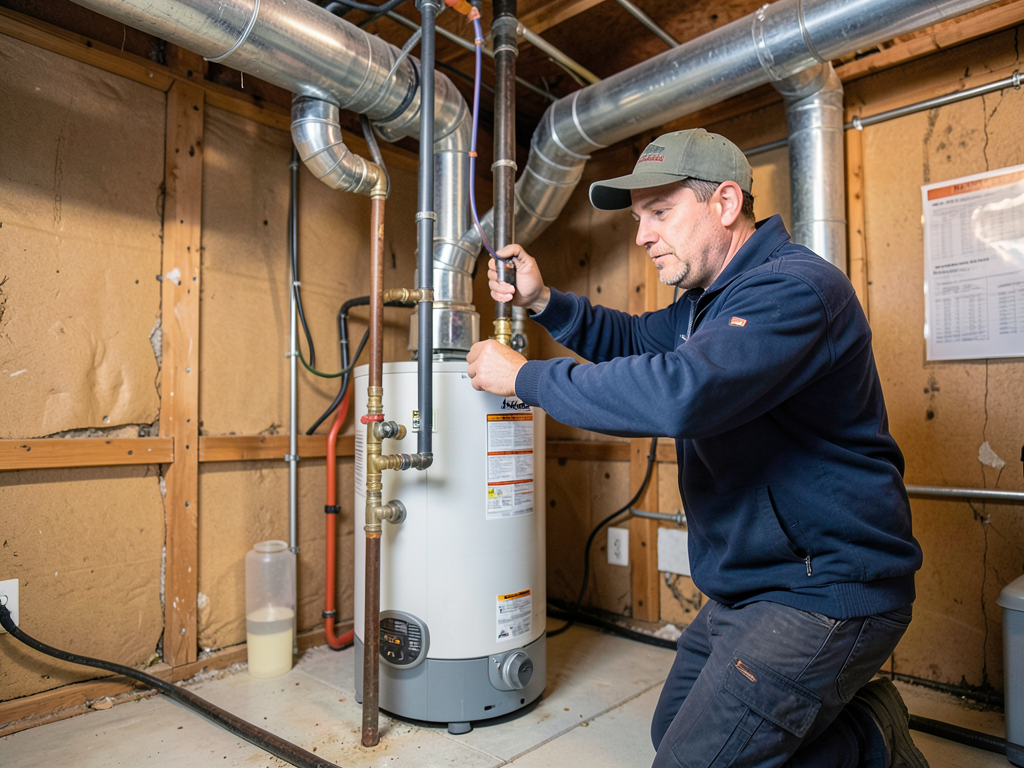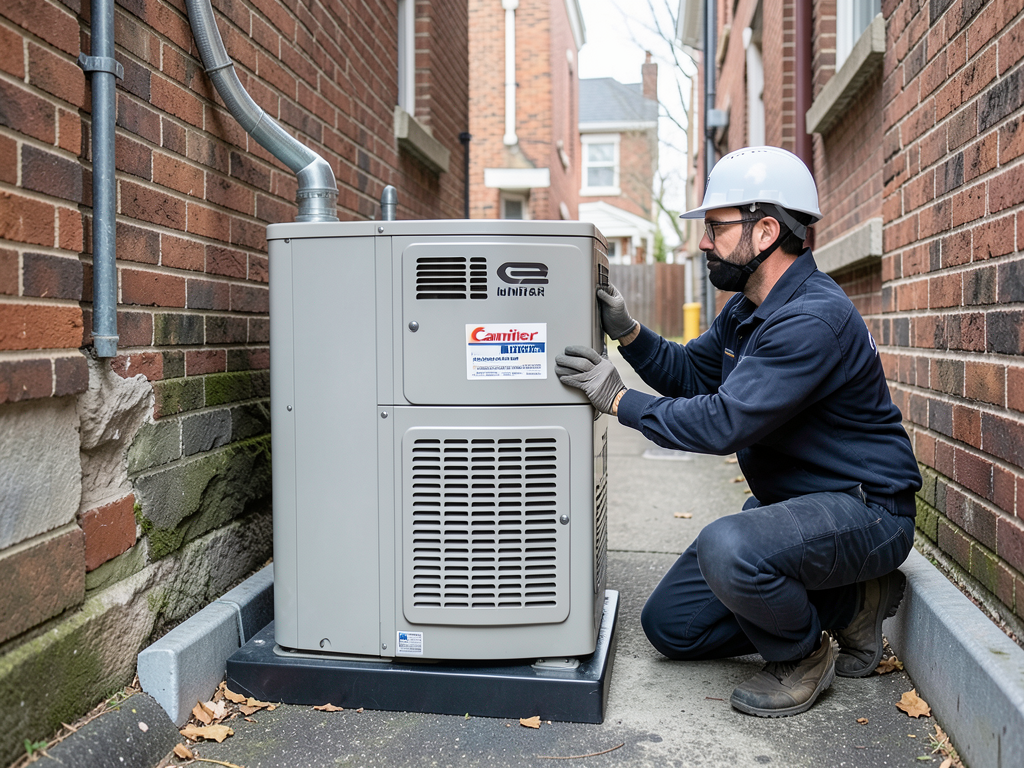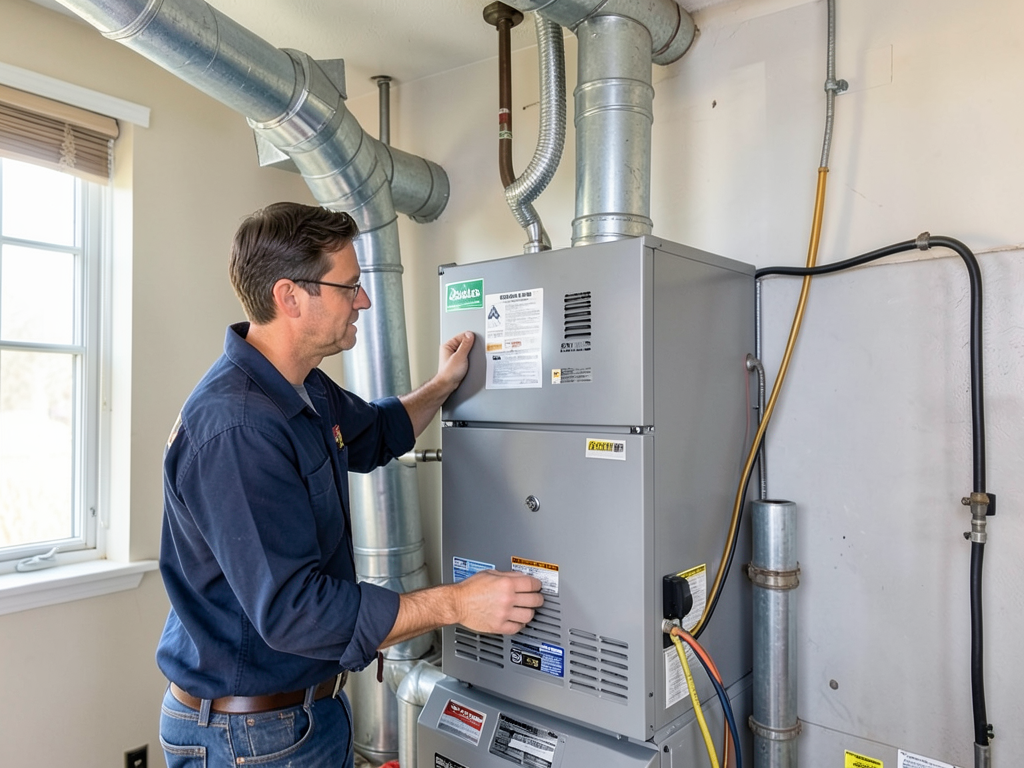




Hartford's neighborhoods contain heating systems spanning eight decades of technology. Asylum Hill's Victorian homes often retain original cast-iron radiator systems fed by converted oil or gas boilers. Downtown's converted industrial lofts use radiant floor heating or ductless mini-splits. The West End's early 1900s multi-families mix steam heat with tenant-installed window air conditioners used for supplemental heating. When these diverse systems fail during Connecticut's January temperature swings, from 35 degrees and raining to 10 degrees and windy within 12 hours, emergency diagnosis requires familiarity with obsolete components and modern retrofits coexisting in the same building.
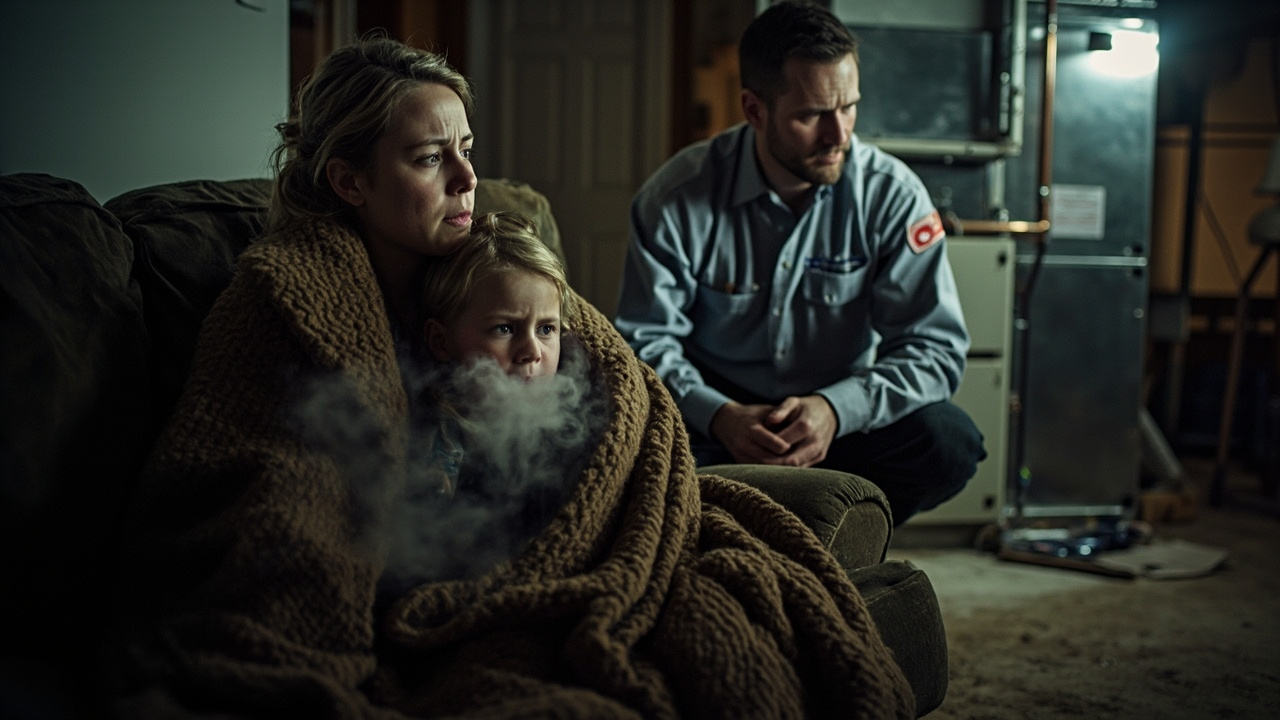
Emergency heating service in Hartford means understanding the Connecticut River Valley's specific winter patterns and how they stress different system types. The freeze-thaw cycles that define Hartford winters create expansion and contraction in ductwork and piping that accelerates seal failures. High humidity during shoulder seasons causes condensation issues in high-efficiency furnaces common in newer suburbs like Blue Hills. We have restored heat in Hartford homes since these neighborhoods were built, which means we recognize failure patterns before pulling the first panel. That experience cuts diagnostic time when every minute without heat matters to your family's safety and comfort.