menu

Signs of Carbon Monoxide in Hartford – Recognize the Warning Signs Before It's Too Late

Learn how to identify carbon monoxide poisoning symptoms and warning signs in your Hartford home before this silent threat puts your family at risk.

Slider Image 1
Slider Image 2
Slider Image 3
Slider Image 4
Slider Image 5
Slider Image 7
Slider Image 8
Slider Image 9
Slider Image 10
Slider Image 11

Why Carbon Monoxide Is a Hidden Danger in Hartford Homes

Carbon monoxide kills silently. You cannot see it, smell it, or taste it. In Hartford, where winters drop temperatures into the teens and homeowners seal windows tight to keep heating costs down, the risk increases dramatically. Older heating systems work overtime during January and February cold snaps, and when furnaces or boilers develop cracks in heat exchangers or blocked flue pipes, deadly gas seeps into living spaces.

The carbon monoxide symptoms mimic the flu. You feel tired, dizzy, nauseous. Your head throbs. You blame it on the season or stress. But if multiple people in your household experience these indicators of carbon monoxide at the same time, especially when you are indoors, you face a life-threatening emergency.

Hartford's housing stock includes thousands of homes built before 1970. Many still operate original gas furnaces or converted oil systems. The cast iron heat exchangers in these units crack over time. Brick chimneys deteriorate from freeze-thaw cycles. Mortar joints loosen. Flue liners crack. These failures create pathways for carbon monoxide to enter your home instead of venting outside.

The carbon monoxide warning signs appear suddenly or gradually. You might notice soot stains around your furnace. Pilot lights blow out repeatedly. You see yellow or orange furnace flames instead of blue. Windows develop excessive condensation. Your carbon monoxide detector chirps or alarms. Any of these signs of a carbon monoxide leak demand immediate action. Open windows, evacuate everyone, call 911, then call us at (959) 203-9992.

Why Carbon Monoxide Is a Hidden Danger in Hartford Homes
How We Identify and Eliminate Carbon Monoxide Threats

How We Identify and Eliminate Carbon Monoxide Threats

We use calibrated low-level carbon monoxide analyzers that detect concentrations as low as one part per million. Most consumer detectors only alarm at 70 ppm or higher. We find problems before they become emergencies.

Our technicians start with ambient air testing in living spaces. We measure CO levels at breathing height in bedrooms, living rooms, and near return air grilles. Next, we test the flue draft. A properly functioning furnace creates negative pressure that pulls combustion gases up and out. We use a manometer to measure draft in inches of water column. Insufficient draft means combustion gases spill into your home.

We inspect heat exchangers with a fiber optic camera. This tool lets us see inside the combustion chamber and examine every weld seam and surface for cracks smaller than a human hair. We also perform a spillage test. We block the flue temporarily and watch for flame rollout or backdrafting. If combustion gases reverse direction, your system fails the safety check.

The inspection includes the entire venting system. We examine every joint in metal flue pipes. We check clearances to combustible materials. We verify proper pitch and support. For masonry chimneys, we inspect the liner from top to bottom using a camera dropped down from the roof. We look for gaps, cracks, missing sections, or deterioration.

We test for worst-case depressurization. When kitchen and bathroom exhaust fans run simultaneously with a clothes dryer, they create negative pressure inside your home. This can overpower furnace draft and cause backdrafting. We measure this condition with combustion appliances running and all exhaust devices operating.

What Happens During a Carbon Monoxide Safety Inspection

Signs of Carbon Monoxide in Hartford – Recognize the Warning Signs Before It's Too Late
01

Initial Air Quality Testing

We begin by testing ambient carbon monoxide levels throughout your Hartford home with professional-grade analyzers. We check every floor, every bedroom, and near all return air vents. We document baseline readings before touching any equipment. This tells us if you currently have a CO problem and how severe it is. If we detect dangerous levels, we shut down your heating system immediately and advise you to ventilate the space.
02

Combustion System Analysis

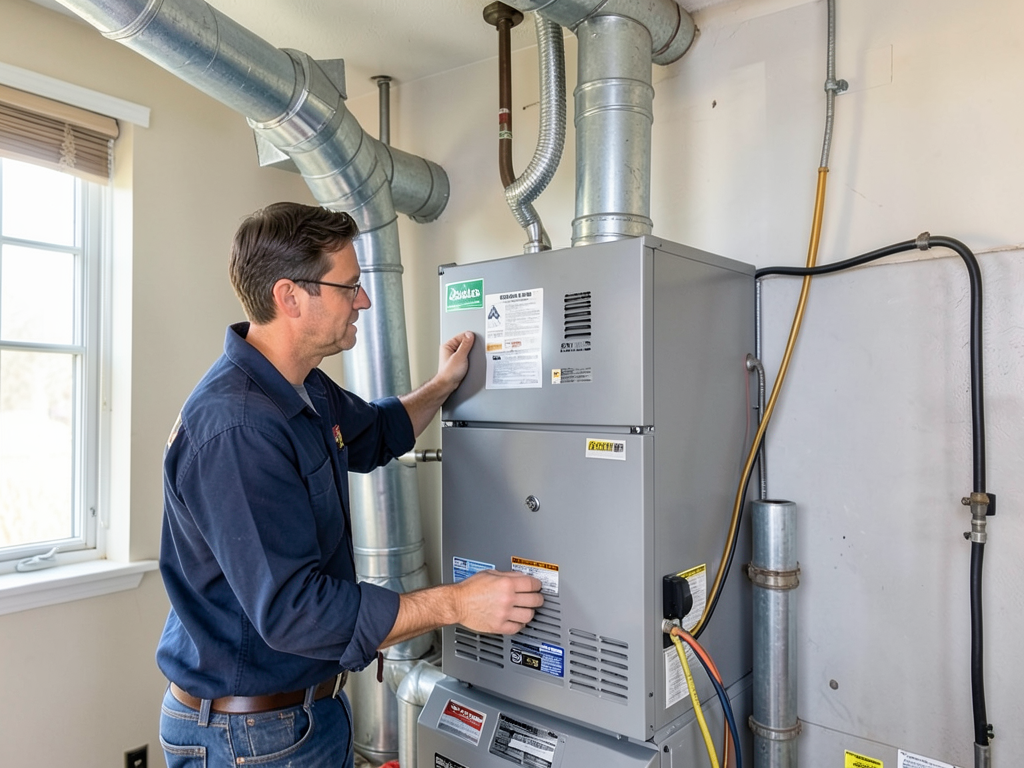
Next, we analyze your furnace or boiler combustion performance. We insert probes into the flue pipe and measure oxygen levels, carbon monoxide production, flue gas temperature, and draft pressure. We calculate combustion efficiency and compare actual readings against manufacturer specifications. We inspect the heat exchanger visually and with cameras. We check burner flame patterns, ignition sequence timing, and gas pressure at the manifold. This phase identifies mechanical failures that produce carbon monoxide.
03

Safety Documentation and Recommendations

We provide you with a detailed report showing every measurement we took, photos of any defects we found, and specific recommendations ranked by urgency. You receive documentation suitable for insurance claims or real estate transactions. We explain which issues present immediate danger and which need monitoring. If we found critical safety failures, we walk you through your options for repair or replacement and help you understand what must happen before you can safely operate your heating system again.

Why Hartford Residents Trust Liberty HVAC Hartford for Carbon Monoxide Safety

We know Hartford homes. We have inspected thousands of furnaces and boilers in West End, Asylum Hill, Parkville, and Frog Hollow. We understand how Hartford's historic homes behave. We know which neighborhoods have cast iron radiator systems prone to cracked boiler sections. We know where converted coal chimneys lack proper liners.

Our technicians carry NATE certification in gas heating. We complete annual training on combustion analysis and carbon monoxide safety protocols. We invest in professional equipment that costs thousands of dollars because consumer-grade tools miss problems. Our analyzers receive annual calibration certification. Our cameras provide clear images of heat exchanger conditions. Our manometers measure draft pressure accurately.

We follow National Fuel Gas Code standards and Connecticut mechanical codes. We understand Hartford's inspection requirements for rental properties and commercial buildings. Property managers call us when they need documentation for tenant safety or code compliance. Real estate attorneys refer us when transactions require HVAC safety verification.

When we find carbon monoxide problems, we explain them clearly. We show you photos. We explain the physics of why your system produces CO and how it enters your living space. We never use scare tactics, but we never downplay danger either. You deserve honest answers about whether your family faces risk.

We also fix the problems we find. We stock heat exchangers for common furnace models. We have relationships with masonry contractors who reline chimneys correctly. We install proper combustion air supplies and make-up air systems when needed. We handle complex situations like atmospheric appliances in sealed homes or multiple fuel-burning appliances sharing chimneys.

What You Get When You Schedule a Carbon Monoxide Safety Inspection

Same-Day Emergency Response

If you suspect carbon monoxide in your Hartford home right now, we respond immediately. We keep technicians on call seven days a week during heating season. Call (959) 203-9992 and we dispatch a certified technician to your location. We arrive with testing equipment ready. We identify the source of carbon monoxide, secure the area, and prevent further exposure. For non-emergency inspections, we typically schedule within two business days. We offer evening and weekend appointments because we understand your schedule constraints.

Comprehensive Safety Assessment

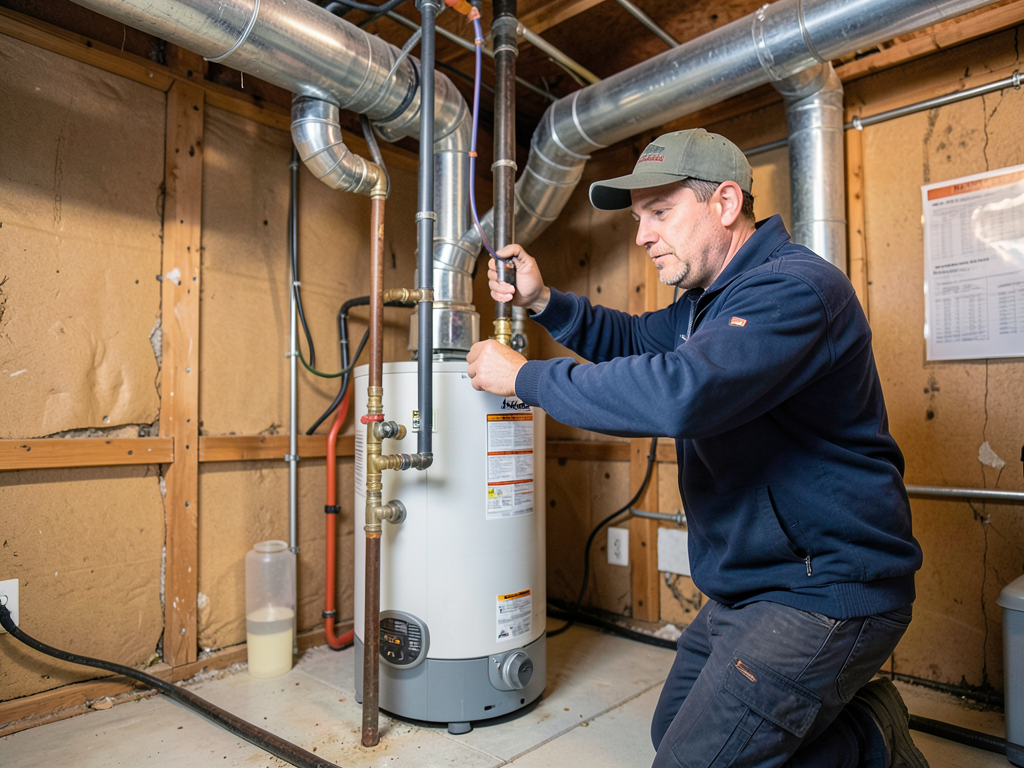
Our inspection covers every potential carbon monoxide source in your home. We test your furnace, boiler, water heater, gas range, and any other fuel-burning appliance. We measure combustion efficiency, analyze flue gas composition, verify proper venting, and check draft conditions. We test under worst-case scenarios with exhaust fans running. We inspect heat exchangers with fiber optic cameras. We check gas piping for leaks. We verify combustion air supply meets code requirements. You receive written documentation of every test result and measurement we take.

Clear Answers About Your Risk

We explain our findings in plain language. You learn exactly what works correctly and what presents danger. We show you photos of any defects. We demonstrate on your actual equipment what causes carbon monoxide production and how it enters your home. We rank problems by severity so you understand what needs immediate attention and what can wait. We provide written repair estimates with no pressure to buy. Our goal is to give you the information you need to make smart decisions about your family's safety.

Ongoing Protection After Repairs

After we repair carbon monoxide hazards, we retest everything to verify safe operation. We measure carbon monoxide levels with the system running under full load. We document post-repair performance. We include a one-year warranty on parts and labor for repairs we complete. We also offer annual safety inspection memberships. Members receive priority scheduling and discounted rates on combustion analysis testing. We remind you when your next inspection is due so you maintain protection year after year.

Frequently Asked Questions

You Have Questions,
We Have Answers

What are signs of carbon monoxide in the house? +

Common signs include persistent headaches, dizziness, nausea, confusion, and flu-like symptoms that improve when you leave the house. You may notice stale or stuffy air, yellow or orange pilot light flames instead of blue, excessive condensation on windows, or soot marks around fuel-burning appliances. In Hartford homes, older furnaces and blocked chimney flues during winter months create higher risk. Multiple people in the household feeling sick at the same time is a red flag. Pets may show symptoms first. If you suspect exposure, evacuate immediately and call 911.

How soon will you know if you have carbon monoxide poisoning? +

Symptoms appear quickly based on concentration levels. At low levels (50 ppm), mild headaches and fatigue develop within 2-3 hours. Moderate exposure (200 ppm) causes headaches, nausea, and dizziness in 1-2 hours. High concentrations (400 ppm or above) produce symptoms in 30 minutes or less. Hartford residents using gas heating during cold snaps face accelerated risk if ventilation fails. Vulnerable populations including children, elderly, and those with heart conditions react faster. Symptoms mimic flu or food poisoning, causing dangerous delays in recognition. Always trust your instincts and evacuate if multiple people feel sick simultaneously.

How can I check if I have carbon monoxide? +

Install working CO detectors on every level of your home, especially near bedrooms. Connecticut law requires detectors in all residential buildings. Check if your existing detectors are expired, most last 5-7 years. If you suspect exposure without a detector, watch for physical symptoms like headaches or nausea that improve outdoors. Hartford Fire Department offers free checks if your detector alarms. You can hire a qualified HVAC technician to test combustion appliances and measure CO levels directly with professional equipment. Never ignore potential warning signs. Battery-powered detectors provide backup during Hartford's winter power outages.

What gas is known as the silent killer? +

Carbon monoxide is called the silent killer. This odorless, colorless, tasteless gas gives no sensory warning before poisoning occurs. You cannot see, smell, or taste it. CO forms when fuel burns incompletely in furnaces, water heaters, fireplaces, and vehicles. It displaces oxygen in your bloodstream, suffocating cells and organs without any alarm. Hartford's older housing stock and heavy reliance on gas heating during harsh winters create serious risk. The only reliable detection method is a working CO detector. Thousands die annually from undetected exposure. The gas kills silently while victims sleep or attribute symptoms to other illnesses.

Can a small gas leak make you feel sick? +

Yes. Even minor gas leaks cause headaches, fatigue, nausea, dizziness, breathing difficulties, and concentration problems. Natural gas contains trace mercaptan for that rotten egg smell, but leaks can be subtle. Hartford residents using gas stoves, furnaces, and water heaters face exposure risk if connections loosen or appliances malfunction. Chronic low-level exposure produces symptoms that mimic stress or allergies. Children and pets show symptoms faster. If you smell gas, leave immediately and call the gas company from outside. Never assume a small leak is harmless. Accumulated gas creates explosion risk. Professional inspection identifies hidden leaks before they become dangerous.

Can a phone app detect carbon monoxide? +

No. Smartphone apps claiming to detect carbon monoxide do not work. Your phone lacks the specialized electrochemical sensors needed to measure CO. These apps are dangerous because they create false security. Only approved CO detectors with UL 2034 certification reliably detect the gas. Hartford residents must install proper battery or hardwired detectors. Some smart home systems include connected CO detectors that send alerts to your phone, but the phone itself detects nothing. Apps cannot replace real detectors. Relying on technology that does not work puts your family at deadly risk. Purchase certified detectors from hardware stores, not app stores.

Do you just fall asleep with carbon monoxide poisoning? +

Not always. Falling asleep is a common misconception. Many people remain conscious while symptoms worsen. You may feel confused, weak, or too disoriented to recognize danger or escape. Higher concentrations cause loss of consciousness, but initial exposure produces wakefulness with severe symptoms like vomiting and chest pain. Hartford residents sleeping near malfunctioning furnaces face the highest risk of dying in their sleep because symptoms develop slowly overnight. You might wake feeling sick but not understand why. CO poisoning impairs judgment, preventing logical response. This is why detectors with loud alarms are critical. They wake you before confusion sets in.

Does opening windows help with carbon monoxide? +

Opening windows reduces CO concentration but does not eliminate danger. Fresh air dilution helps, but you must evacuate immediately and call 911. Do not stay inside assuming ventilation fixes the problem. The source continues producing carbon monoxide. Hartford's winter temperatures make extended ventilation impractical, and residents often seal homes tightly for energy efficiency, worsening CO buildup. Opening windows before evacuating is acceptable if you can do it quickly while exiting. Never ventilate and remain inside. Professional equipment must locate the source and measure levels to confirm safety. Return only after fire department clearance and complete repairs to the malfunctioning appliance.

How to test for carbon monoxide without a detector? +

You cannot reliably test for carbon monoxide without a detector. Some suggest watching for stale air, soot buildup, or yellow flames on gas appliances, but these are unreliable and often absent during CO production. Relying on physical symptoms is dangerous because you may not recognize poisoning until incapacitation occurs. Hartford hardware stores sell affordable CO detectors. If you lack one and suspect CO, evacuate immediately and call 911. Fire departments carry detection equipment. Never use candles, matches, or other folk methods. Professional HVAC technicians use calibrated combustion analyzers to test appliances. Install proper detectors, the only dependable protection method.

What does carbon dioxide poisoning feel like? +

Carbon dioxide poisoning feels different from carbon monoxide poisoning. CO2 buildup causes rapid breathing, sweating, increased heart rate, shortness of breath, confusion, and panic. You feel like you cannot catch your breath. High concentrations produce headaches and dizziness. Carbon monoxide, by contrast, causes headaches, nausea, weakness, and confusion without the desperate air hunger. CO2 poisoning is rare in Hartford homes unless you are in an extremely confined space with poor ventilation. Most residential gas appliance issues produce carbon monoxide, not carbon dioxide. Both are dangerous but require different responses. Proper ventilation and working CO detectors protect against the more common residential threat.

How Hartford's Old Heating Systems and Tight Home Sealing Increase Carbon Monoxide Risk

Hartford's housing stock presents unique carbon monoxide challenges. More than 40 percent of the city's homes were built before 1950. These older properties often have atmospheric draft furnaces or boilers that depend on natural buoyancy to vent combustion gases. When homeowners add insulation, replace leaky windows with modern units, or seal air leaks to reduce heating bills, they eliminate the air infiltration these old systems need. The furnace or boiler starves for combustion air, produces incomplete combustion, and generates carbon monoxide. Meanwhile, kitchen exhaust fans and bathroom vents create negative pressure that overpowers weak flue draft and pulls combustion gases back into living spaces.

Connecticut requires carbon monoxide detectors in all residential properties, but detectors only alert you after concentrations reach dangerous levels. They do not prevent the problem. Hartford's rental market includes thousands of units with aging HVAC equipment and minimal maintenance. Landlords sometimes ignore tenant complaints about furnace odors or yellow flames. We work with property managers, real estate agents, and homeowners throughout Hartford to identify carbon monoxide hazards before detectors alarm. Our technicians understand local building codes and Connecticut mechanical regulations. We provide the documentation needed for insurance, legal compliance, and peace of mind.
HVAC Services in The Hartford Area

Liberty HVAC Hartford proudly serves the entire Hartford area and surrounding communities. We're a local business dedicated to our neighbors' comfort. Use the map below to pinpoint our location or to confirm that your home or business is within our primary service area. We are always ready to dispatch a professional, certified technician directly to your door for any heating or cooling need you may have, ensuring prompt and convenient service every single time.

Address:
Liberty HVAC Hartford, 15 N Main St, Hartford, CT, 06107

Additional Services We Offer

Our news updates

Latest Articles & News from The Blogs

Emergency Kitchen Exhaust and HVAC Repair for Downtown Hartford Restaurants When your kitchen exhaust system fails during a dinner rush…

Emergency Kitchen Exhaust and HVAC Repair for Downtown Hartford Restaurants

Emergency Kitchen Exhaust and HVAC Repair for Downtown Hartford Restaurants When your kitchen exhaust system fails during a dinner rush…

Why High Velocity Air Conditioning is the Best Choice for Historic Wethersfield Homes

Expert High Velocity AC Installation in Wethersfield, CT Historic Wethersfield homes built before 1950 often lack the space for traditional…

Keeping Your West End Mini Split Running Smoothly with a Professional Deep Clean

Professional Mini Split Cleaning in West End Hartford, CT Your mini split works hard to keep your West End home…

Contact Us

Do not wait until you feel carbon monoxide poisoning symptoms. Schedule a professional safety inspection now. Call Liberty HVAC Hartford at (959) 203-9992. We test your heating system, identify hidden dangers, and give you clear answers about your family's safety.