
menu

New HVAC System Cost 2026 in Hartford – Real Numbers and Full Budget Breakdown for Connecticut Homeowners

Get transparent pricing insights for new HVAC system cost 2026 installations across Hartford's varied housing stock, from Victorian homes in Asylum Hill to modern construction in Blue Hills, with detailed breakdowns of equipment, labor, and permitting costs.

Slider Image 1
Slider Image 2
Slider Image 3
Slider Image 4
Slider Image 5
Slider Image 7
Slider Image 8
Slider Image 9
Slider Image 10
Slider Image 11

Why Hartford HVAC Replacement Costs Differ from National Averages

Hartford's climate creates unique cost factors that national pricing guides miss completely. Your system works harder through Connecticut's humid July heat and bitter January freezes, cycling more frequently than units in moderate climates. This wear accelerates replacement timelines and influences which equipment makes financial sense.

The 2026 HVAC replacement cost in Hartford includes factors invisible to online calculators. Your home's age matters significantly. Pre-1950 properties in the West End often lack existing ductwork, adding $4,000 to $8,000 to installation budgets. Meanwhile, homes built during the 1970s energy crisis frequently have undersized duct runs that choke airflow and waste energy.

Hartford's building department requires mechanical permits for HVAC changeouts, and inspections verify proper refrigerant handling and combustion venting. These compliance steps add time and cost but protect you from liability and ensure safe operation. The average HVAC system price 2026 also reflects Connecticut's higher labor rates compared to southern markets where HVAC techs earn 30% less per hour.

New HVAC installation pricing 2026 varies wildly based on system type. A basic split system for a 1,200 square foot ranch costs differently than a heat pump with backup heat for a 2,800 square foot colonial. The 2026 heating and cooling system cost includes removal and disposal of old equipment, refrigerant recovery, electrical upgrades if your panel cannot handle the new compressor load, and condensate pump installation if your basement lacks proper drainage.

Understanding these Hartford-specific variables helps you budget accurately instead of being blindsided by the final invoice.

Why Hartford HVAC Replacement Costs Differ from National Averages
How Equipment Efficiency and Capacity Shape Your Total Investment

How Equipment Efficiency and Capacity Shape Your Total Investment

The equipment you select drives 60% of your total project cost. A 14 SEER single-stage air conditioner costs substantially less than an 18 SEER variable-speed heat pump, but the cheaper unit runs longer cycles and costs more monthly to operate through Hartford's muggy summers.

Heat pumps deserve serious consideration in 2026. Connecticut's Clean Heat incentive programs offset $2,000 to $10,000 of installation costs for qualifying high-efficiency heat pump systems. These units provide both heating and cooling, eliminating the need for separate furnace replacement. Modern cold-climate heat pumps maintain capacity down to negative temperatures, handling Hartford winters without expensive resistance heat backup.

Tonnage selection requires precise Manual J load calculations, not guesswork based on square footage. Oversized systems short-cycle, failing to dehumidify properly and wearing components prematurely. Undersized units run constantly without reaching setpoint. Most Hartford homes between 1,500 and 2,500 square feet need 2.5 to 4 ton systems, but your actual requirement depends on insulation levels, window quality, air sealing, and sun exposure.

Your HVAC replacement price guide 2026 should itemize equipment separately from labor. This transparency lets you compare apples to apples between contractors. A quote listing only a lump sum hides whether you are getting builder-grade equipment at premium prices or genuine high-efficiency components.

Ductwork modifications add cost but deliver performance. Sealing leaky ducts recovers 20% to 30% of lost capacity. Adding return air pathways eliminates pressure imbalances that strain blowers and reduce comfort. These upgrades cost extra upfront but prevent callback visits and extend equipment life.

What Happens During Your Hartford HVAC Replacement Project

New HVAC System Cost 2026 in Hartford – Real Numbers and Full Budget Breakdown for Connecticut Homeowners
01

In-Home Load Assessment

Your technician measures every room, documents insulation levels, evaluates ductwork condition, and photographs your current installation. This data feeds into Manual J software that calculates precise heating and cooling loads. You receive equipment recommendations sized specifically for your home's thermal characteristics, not generic estimates based on outdated rules of thumb that lead to oversizing.
02

Detailed Cost Proposal

You receive line-item pricing showing equipment model numbers with manufacturer specs, labor hours, permit fees, electrical work if needed, ductwork modifications, refrigerant costs, and disposal charges. This breakdown lets you understand exactly where your money goes and compare competing proposals accurately. You see rebate eligibility and financing options with real APRs, not vague monthly payment promises.
03

Installation and Final Verification

Installation typically takes one to two days depending on complexity. Crews remove old equipment, install the new system, charge refrigerant to manufacturer specs using calibrated gauges, verify airflow with manometers, and test all safety controls. Hartford building inspectors review the work before you make final payment. You receive startup documentation, warranty registration, and a maintenance schedule that protects your investment.

Why Hartford Homeowners Choose Liberty HVAC Hartford for System Replacements

Liberty HVAC Hartford understands the specific challenges of Connecticut's climate and housing stock. We have navigated Hartford's permitting process thousands of times and maintain relationships with building officials that keep projects moving without delays. Our technicians recognize the quirks of homes built across different eras, from knob-and-tube wiring in Parkville properties to the concrete slab foundations common in South End construction.

We perform Manual J load calculations on every replacement project, not just when homeowners specifically request them. This engineering-based approach prevents the chronic oversizing that plagues the industry and costs you money through reduced efficiency and comfort. Our proposals break down equipment and labor separately so you see exactly what you are buying instead of signing blank checks disguised as turnkey quotes.

Hartford's transition seasons create unique equipment demands. You need cooling in May and heating in October, sometimes on the same day. We recommend systems with operational flexibility that handle these swings without constant thermostat battles. Variable-speed air handlers and two-stage compressors provide better temperature control and humidity management than single-stage builder-grade equipment.

Our warehouse stocks replacement parts for major brands, eliminating the multiday waits common when contractors depend entirely on distributor inventory. This matters during Hartford's July heat waves when a failed compressor cannot wait three days for shipping. We also maintain relationships with financing partners offering competitive rates for qualified buyers, making high-efficiency equipment accessible without depleting emergency savings.

You work directly with licensed HVAC technicians, not salespeople earning commissions on overpriced packages. This difference shows in recommendations focused on your actual needs rather than margin optimization.

What Your Hartford HVAC Replacement Project Includes

Project Timeline and Scheduling

Most Hartford HVAC replacements complete within one to two business days after permits clear. We schedule installations based on equipment delivery and inspector availability, providing firm dates instead of vague windows. Emergency replacements during system failures receive priority scheduling, often within 48 hours. You receive morning-of confirmation calls with arrival times so you can plan your day. We protect floors and work areas with drop cloths and boot covers, leaving your home cleaner than we found it.

Comprehensive System Evaluation

Your consultation includes thermal imaging to identify insulation gaps and air leaks that waste conditioned air. We test ductwork for leakage using calibrated blowers and calculate actual airflow at each register. Electrical panels get inspected to verify adequate amperage for new equipment loads. You receive documentation showing current system performance compared to properly sized replacement options, including projected energy savings based on Hartford utility rates and your historical usage patterns.

Installation Quality Standards

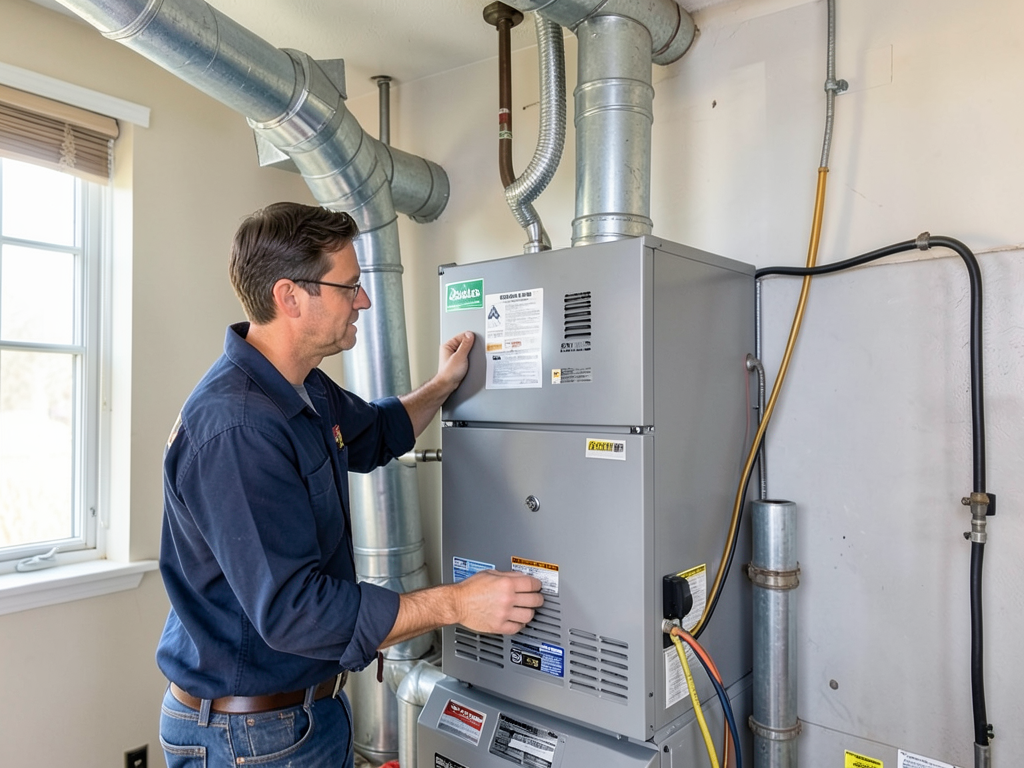
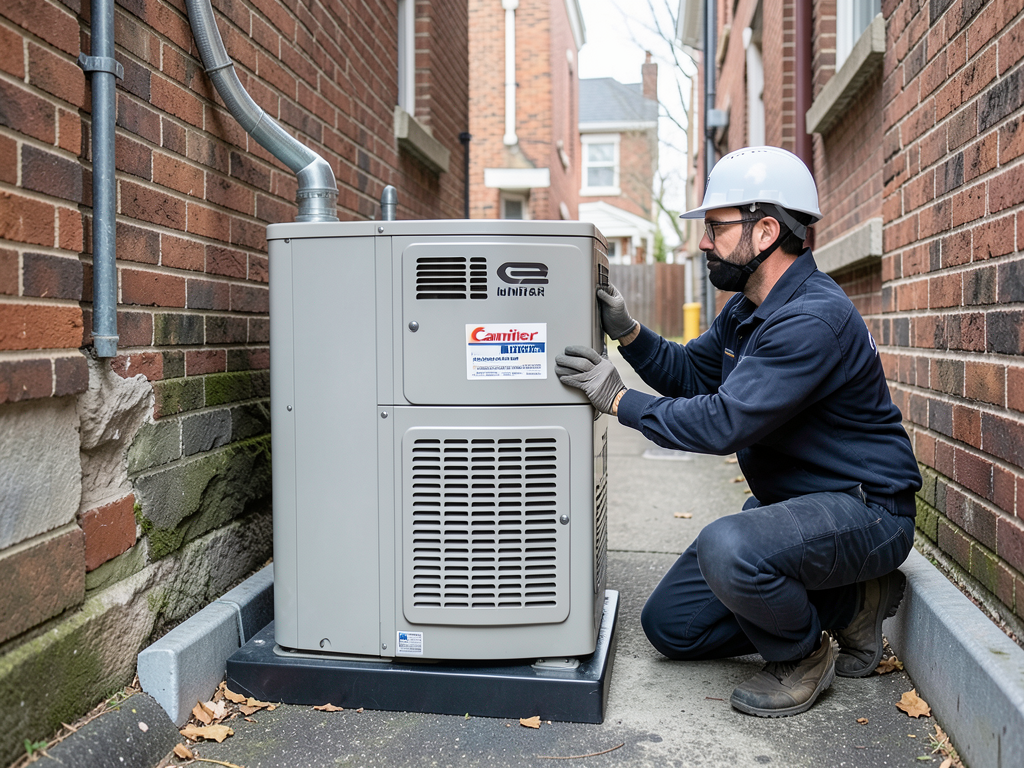
We install outdoor condensers on composite pads that resist settling in Connecticut's freeze-thaw soil conditions. Refrigerant lines receive proper insulation to prevent condensation and efficiency loss. Condensate drains slope correctly with cleanout access and auxiliary overflow pans where required by code. Air handlers get secured to rated hangers with vibration isolation. Electrical connections follow NEC standards with proper disconnects and overcurrent protection. Every installation passes Hartford building department inspection on the first attempt.

Ongoing Support and Maintenance

You receive manufacturer warranties on equipment plus our labor warranty on installation workmanship. We register your equipment directly with manufacturers to activate coverage and maintain records in case warranty service becomes necessary. Our maintenance plans include spring cooling prep and fall heating system checks, catching small issues before they become expensive failures. Plan members receive priority scheduling and discounted repair rates. We track filter sizes and replacement intervals specific to your equipment, sending reminders when service is due.

Frequently Asked Questions

You Have Questions,
We Have Answers

Will HVAC systems cost more in 2026? +

Yes. HVAC systems will cost more in 2026 due to the refrigerant transition from R-410A to A2L refrigerants like R-454B. Manufacturers must comply with updated EPA regulations, which increases equipment production costs. Supply chain adjustments and updated technician training also drive prices higher. In Hartford, expect price increases between 8% and 15% depending on system efficiency and brand. The transition also affects parts availability and installation complexity. If you need a replacement soon, purchasing before full implementation may save money, but newer systems offer improved energy efficiency that offsets higher upfront costs over time.

Will HVAC systems be more expensive in 2025? +

Prices already increased in 2025 due to early refrigerant transition requirements and regulatory compliance costs. Hartford residents faced higher equipment costs as manufacturers phased out older refrigerant systems. Labor costs also rose as technicians required certification for new refrigerants. However, 2025 prices remain lower than projected 2026 costs. If you purchased a system in early 2025, you avoided the steepest increases. Supply chain stabilization helped moderate some cost spikes, but inflation and increased demand during Hartford's humid summers kept pricing elevated. Waiting beyond 2025 means facing peak transition pricing without significant technology benefits.

How much does a new HVAC system cost 2000 square-foot 2025? +

For a 2000 square-foot home in Hartford, expect costs between $6,500 and $12,000 in 2025, depending on system type and efficiency rating. A standard efficiency split system runs lower, while high-efficiency heat pumps cost more. Hartford's humid summers and cold winters demand systems that handle both cooling and heating loads effectively. Ductwork condition, insulation quality, and existing infrastructure impact final pricing. Multi-zone systems or ductless mini-splits add costs but improve comfort. Hartford's freeze-thaw cycles require durable equipment. Installation complexity, permit fees, and contractor experience also affect total investment.

What are the new HVAC regulations for 2026? +

The 2026 EPA regulations mandate A2L refrigerants (R-454B, R-32) in all new residential systems. R-410A production phases out completely. These mildly flammable refrigerants require updated safety protocols, new recovery equipment, and specialized technician training. Systems must meet higher efficiency standards under updated SEER2 and HSPF2 metrics. Hartford installers must follow stricter ventilation and leak detection rules. Equipment manufactured after January 1, 2026, must comply fully. Existing R-410A systems remain legal to operate and service, but replacement parts become scarcer. Retrofitting old systems to new refrigerants is not allowed.

Should I wait until 2026 to sell my house? +

A failing HVAC system could hurt your sale price more than waiting benefits your equity. Hartford buyers expect working systems during home inspections. If your system is over 12 years old or showing issues, replace it before listing. A new system adds appeal and prevents negotiation leverage for buyers. Waiting until 2026 for market improvements is speculative. Higher interest rates and seasonal demand in Hartford affect sales more than HVAC age. If your system works efficiently and passes inspection, waiting is fine. If not, invest in replacement now to avoid deal-killing repair requests during closing.

What is the $5000 AC rule? +

The $5,000 AC rule is a real estate guideline. If an AC system costs more than $5,000 to replace and fails within the first year of homeownership, some sellers offer repair credits or warranties. It is not a legal requirement but a negotiation tactic. In Hartford, buyers often request home warranties covering HVAC systems to avoid unexpected replacement costs. Sellers may offer concessions if inspection reveals an aging system near failure. The rule highlights how expensive AC replacement is and why pre-sale HVAC condition matters. Buyers use it to negotiate lower purchase prices or seller-funded repairs.

Is a new HVAC system tax deductible in 2025? +

Yes, under the Inflation Reduction Act, energy-efficient HVAC systems qualify for federal tax credits in 2025. Heat pumps, central AC units, and furnaces meeting efficiency standards earn up to $2,000 in credits. You must meet SEER2 and HSPF2 thresholds. Hartford homeowners also access state-level rebates through Connecticut energy programs for qualifying high-efficiency systems. Keep receipts and manufacturer certification statements for tax filing. The system must be installed in your primary residence. Credits reduce tax liability directly, not just taxable income. Consult a tax professional to confirm eligibility based on your specific equipment and installation circumstances.

How much is HVAC for a 2000 square-foot house? +

For a 2000 square-foot house in Hartford, HVAC installation costs range from $6,500 to $13,000 depending on system type and efficiency. A basic split system with standard SEER ratings costs less than a high-efficiency heat pump. Hartford's climate demands systems that handle humid summers and freezing winters, often requiring two-stage or variable-speed compressors. Ductwork replacement, insulation upgrades, and zoning controls increase costs. Installation complexity, existing infrastructure condition, and permit fees also factor in. Multi-zone ductless systems run higher but offer targeted comfort. Hartford's older housing stock may require electrical upgrades for modern systems.

What is the 3 minute rule for AC? +

The 3-minute rule prevents compressor damage by allowing refrigerant pressure to equalize before restarting. If your AC shuts off, wait at least 3 minutes before turning it back on. Immediate restarts force the compressor to work against high pressure, causing mechanical strain and potential failure. This is critical in Hartford's humid climate where AC units cycle frequently. Modern thermostats enforce this delay automatically, but manual overrides or power interruptions bypass protection. Violating the rule shortens compressor lifespan and voids warranties. If your system short-cycles (runs under 3 minutes repeatedly), call a technician immediately.

Why is replacing HVAC so expensive? +

HVAC replacement costs reflect complex equipment, skilled labor, and refrigerant regulations. Systems contain precision-engineered compressors, heat exchangers, and electronic controls. Installation requires licensed technicians with specialized training, especially for new A2L refrigerants. Hartford's climate demands robust systems handling humidity, freeze-thaw cycles, and temperature extremes. Ductwork modifications, electrical upgrades, and permit fees add costs. Refrigerant transition regulations increased equipment prices due to manufacturing retooling. Quality systems last 15 to 20 years, justifying higher upfront investment. Energy efficiency improvements lower operating costs over time, offsetting initial expense through reduced utility bills.

How Hartford's Historic Building Stock and Climate Swings Affect HVAC Replacement Budgets

Hartford's housing spans 250 years of construction methods, creating wildly different HVAC replacement scenarios. Victorian homes in Asylum Hill feature gravity heating systems with massive basement furnaces and no ductwork for central air. Converting these properties requires new distribution systems that navigate balloon framing and plaster walls without destroying historic features. Meanwhile, postwar Cape Cods in the North End have cramped attic spaces where air handler placement becomes a physical puzzle. Connecticut's temperature swings from single digits to 95 degrees demand equipment that handles extreme loads without the oversizing common in milder climates.

Hartford building officials enforce rigorous mechanical code standards that protect homeowners from substandard work. Permits trigger inspections verifying proper refrigerant handling, combustion air supply for gas furnaces, electrical sizing, and emergency shutoff accessibility. These requirements eliminate the fly-by-night contractors common in unregulated markets. Liberty HVAC Hartford maintains our contractor licenses and insurance to meet city standards, and our installation crews understand local inspection priorities. We pull permits as standard practice, not optional upgrades, because cutting corners creates liability you should never accept when replacing expensive mechanical systems.
HVAC Services in The Hartford Area

Liberty HVAC Hartford proudly serves the entire Hartford area and surrounding communities. We're a local business dedicated to our neighbors' comfort. Use the map below to pinpoint our location or to confirm that your home or business is within our primary service area. We are always ready to dispatch a professional, certified technician directly to your door for any heating or cooling need you may have, ensuring prompt and convenient service every single time.

Address:
Liberty HVAC Hartford, 15 N Main St, Hartford, CT, 06107

Additional Services We Offer

Our news updates

Latest Articles & News from The Blogs

Emergency Kitchen Exhaust and HVAC Repair for Downtown Hartford Restaurants When your kitchen exhaust system fails during a dinner rush…

Emergency Kitchen Exhaust and HVAC Repair for Downtown Hartford Restaurants

Emergency Kitchen Exhaust and HVAC Repair for Downtown Hartford Restaurants When your kitchen exhaust system fails during a dinner rush…

Why High Velocity Air Conditioning is the Best Choice for Historic Wethersfield Homes

Expert High Velocity AC Installation in Wethersfield, CT Historic Wethersfield homes built before 1950 often lack the space for traditional…

Keeping Your West End Mini Split Running Smoothly with a Professional Deep Clean

Professional Mini Split Cleaning in West End Hartford, CT Your mini split works hard to keep your West End home…

Contact Us

Stop guessing about new HVAC system costs. Call Liberty HVAC Hartford at (959) 203-9992 for a detailed in-home assessment with transparent line-item pricing. We provide equipment options at multiple efficiency levels with real energy savings projections based on your home and usage patterns. No pressure, just honest answers.