menu

Gas Furnace Leak Repair in Hartford – 24/7 Emergency Response Within 60 Minutes

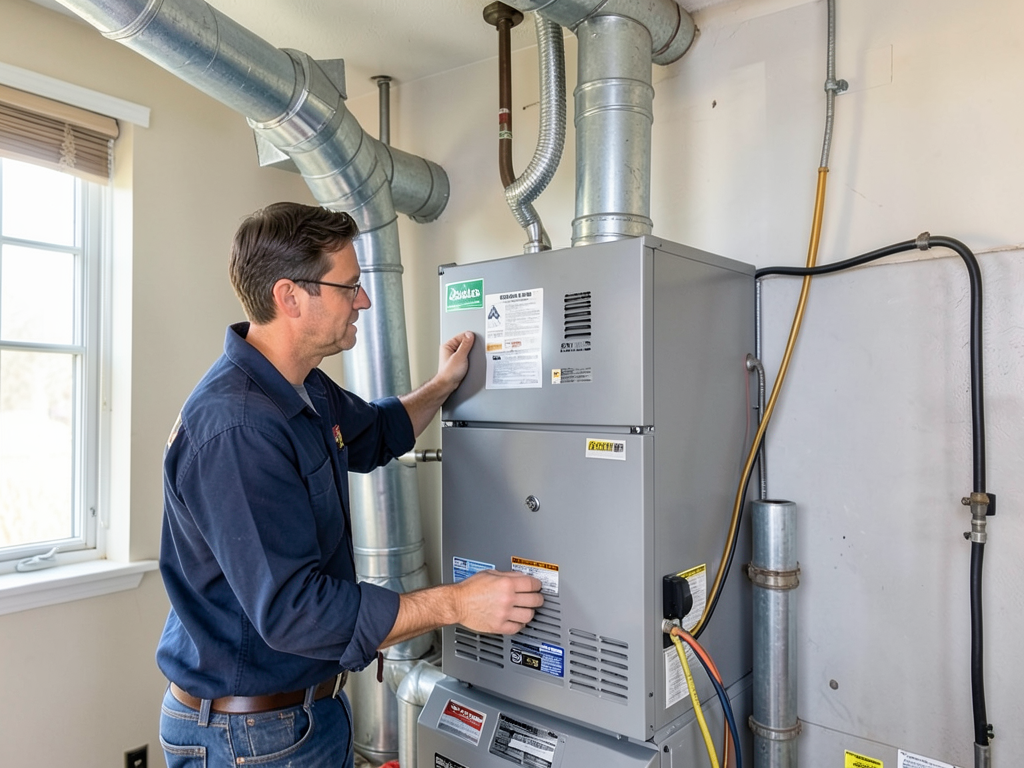
When you smell gas near your furnace, every second matters. Our certified technicians arrive fast, diagnose the leak source accurately, and restore safe operation before carbon monoxide or gas buildup threatens your family.

Slider Image 1
Slider Image 2
Slider Image 3
Slider Image 4
Slider Image 5
Slider Image 7
Slider Image 8
Slider Image 9
Slider Image 10
Slider Image 11

Why Gas Furnace Leaks Are Especially Dangerous in Hartford Winters

You smell rotten eggs near your furnace. Your carbon monoxide detector just went off. Your heating bills spiked without explanation. These are not problems you can ignore until morning.

Hartford's brutal winter temperatures force furnaces to run continuously from November through March. When your gas furnace develops a leak in the combustion chamber, heat exchanger, or supply line, that constant operation turns a small crack into a life-threatening emergency within hours. The freeze-thaw cycles that hit Hartford every winter cause metal components to expand and contract repeatedly, creating hairline fractures in aging heat exchangers and loose connections at gas valve joints.

The risk is not just fire. A cracked heat exchanger allows carbon monoxide to seep into your living space while you sleep. Gas line leaks near the furnace cabinet create explosive conditions in your basement. The combination of Hartford's older housing stock, many homes built before 1970, and natural gas infrastructure that experiences pressure fluctuations during peak demand means your furnace operates under stress that accelerates component failure.

If you detect a sulfur smell, hear hissing near your furnace, or see your pilot light burning yellow instead of blue, you need emergency furnace gas leak service immediately. Do not attempt to repair gas leak on furnace components yourself. Evacuate your home, call your gas company to shut off the main line, then call us for a furnace gas line leak repair that meets Connecticut fuel gas code requirements. We fix gas leak in furnace systems safely and permanently, not with temporary patches that fail when temperatures drop below zero.

Why Gas Furnace Leaks Are Especially Dangerous in Hartford Winters
How We Locate and Repair Gas Furnace Leaks Safely

How We Locate and Repair Gas Furnace Leaks Safely

Gas heater leak repair requires precision diagnostic equipment and knowledge of how different furnace configurations fail. We do not guess. We use a multi-point pressure test protocol that identifies the exact leak location before we touch a single component.

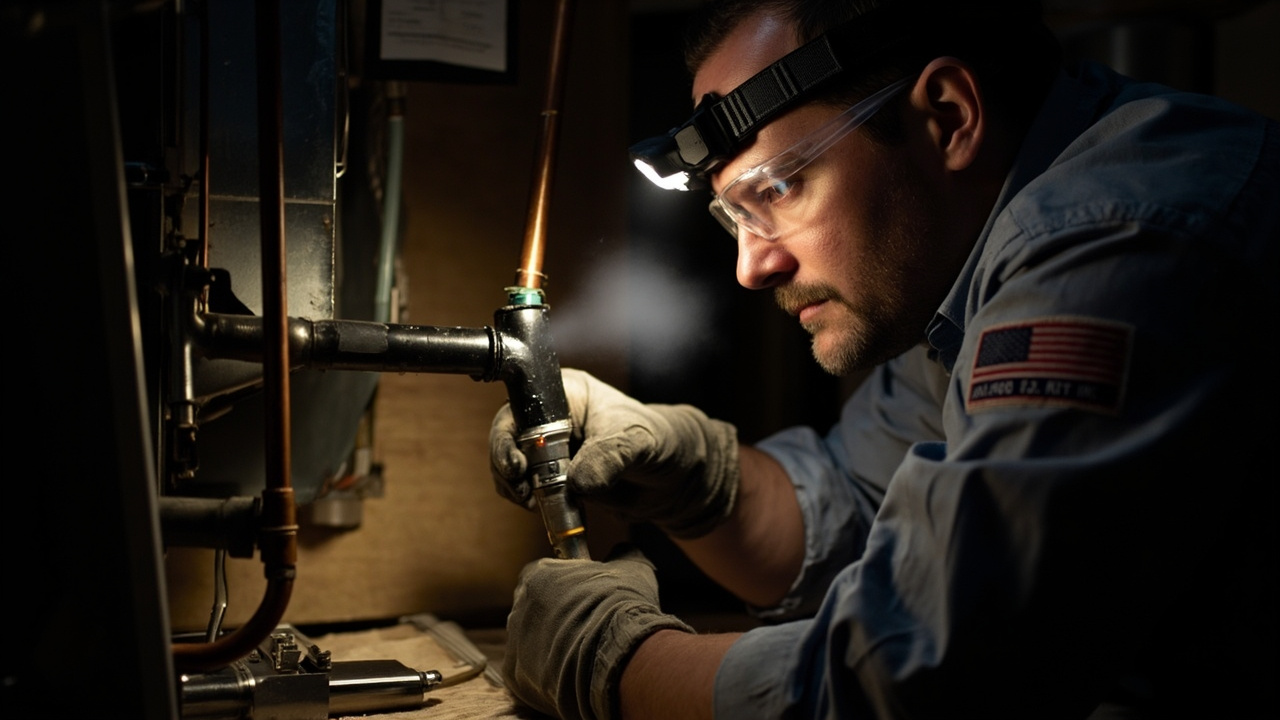
First, we perform a gas line pressure drop test on your entire system. We isolate the furnace, pressurize the line to 15 psi, and monitor for pressure decay over 15 minutes. This tells us if the leak is upstream in your home's gas piping or inside the furnace cabinet itself. If the leak is internal, we use an electronic combustible gas detector calibrated to detect natural gas concentrations as low as 50 parts per million. We test every connection point: the gas valve inlet, the manifold, each burner orifice, the heat exchanger seams, and the flue collar.

Heat exchanger cracks require different solutions than valve seat leaks. If your heat exchanger has failed, we explain whether repair or replacement makes financial sense based on your furnace's age and efficiency rating. For a 20-year-old 80% AFUE furnace, replacing the heat exchanger costs nearly as much as a new high-efficiency unit that cuts your gas bills by 30%.

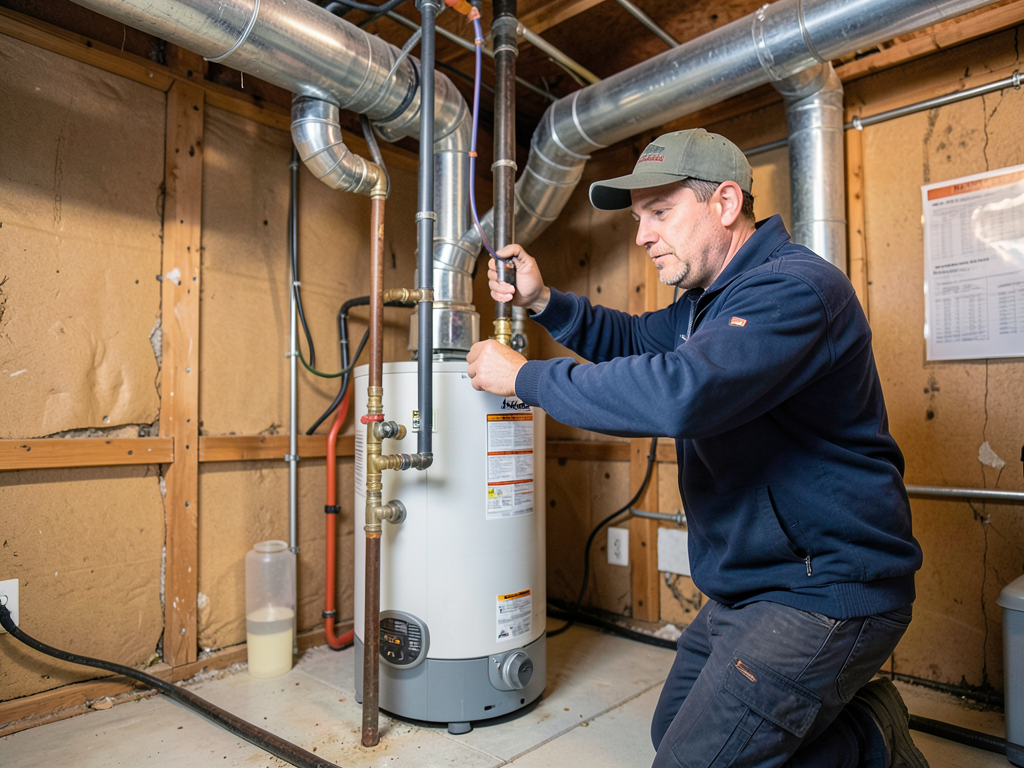
For supply line leaks, we replace the entire section with black iron pipe or CSST flexible gas line depending on your installation requirements and local code. We never use compression fittings on concealed gas piping. Every connection gets pipe dope rated for natural gas, proper torque specs, and a bubble test verification before we restore gas service. After repairs, we perform a full combustion analysis to verify your furnace operates at the correct air-fuel ratio with no spillage.

What Happens During Emergency Gas Leak Service

Gas Furnace Leak Repair in Hartford – 24/7 Emergency Response Within 60 Minutes
01

Immediate Safety Assessment

We arrive with gas detection equipment already in hand. Before entering your home, we check for gas concentrations at entry points and windows. If levels exceed safe thresholds, we coordinate with the fire department and gas company. We verify your home is ventilated, locate your gas meter shutoff, and confirm everyone is safely outside. Only after atmospheric testing shows safe entry conditions do we proceed to your furnace location.
02

Leak Isolation and Diagnosis

We shut off gas supply at the furnace valve and begin systematic testing. Using electronic sniffers and soapy water solution, we test every joint and seam. We remove the furnace cabinet panels and inspect the heat exchanger with a borescope camera to detect cracks invisible to the naked eye. We document leak locations with photos and measure gas concentrations to determine severity. This diagnostic phase typically takes 45 to 90 minutes.
03

Permanent Repair and Testing

After explaining your options and getting approval, we execute repairs using code-compliant materials and methods. New gas valve assemblies get torqued to manufacturer specs. Pipe repairs use proper thread sealant and black iron fittings. We pressure test repairs to 15 psi for 15 minutes, then perform combustion analysis to verify safe operation. You get documentation of all tests performed and a clear explanation of what caused the failure and how to prevent recurrence.

Why Hartford Homeowners Trust Us for Gas Furnace Emergencies

When you call Liberty HVAC Hartford for emergency furnace gas leak service, you get a technician who has repaired gas leaks in every Hartford neighborhood from Asylum Hill to the South End. We know the quirks of Hartford's housing stock. The three-story multifamilies on Franklin Avenue have gas risers that corrode at floor penetrations. The Cape Cod homes in the West End have furnaces in crawl spaces with poor ventilation that accelerate corrosion. The historic homes downtown have converted coal furnaces with original gas piping from the 1950s that never met modern code.

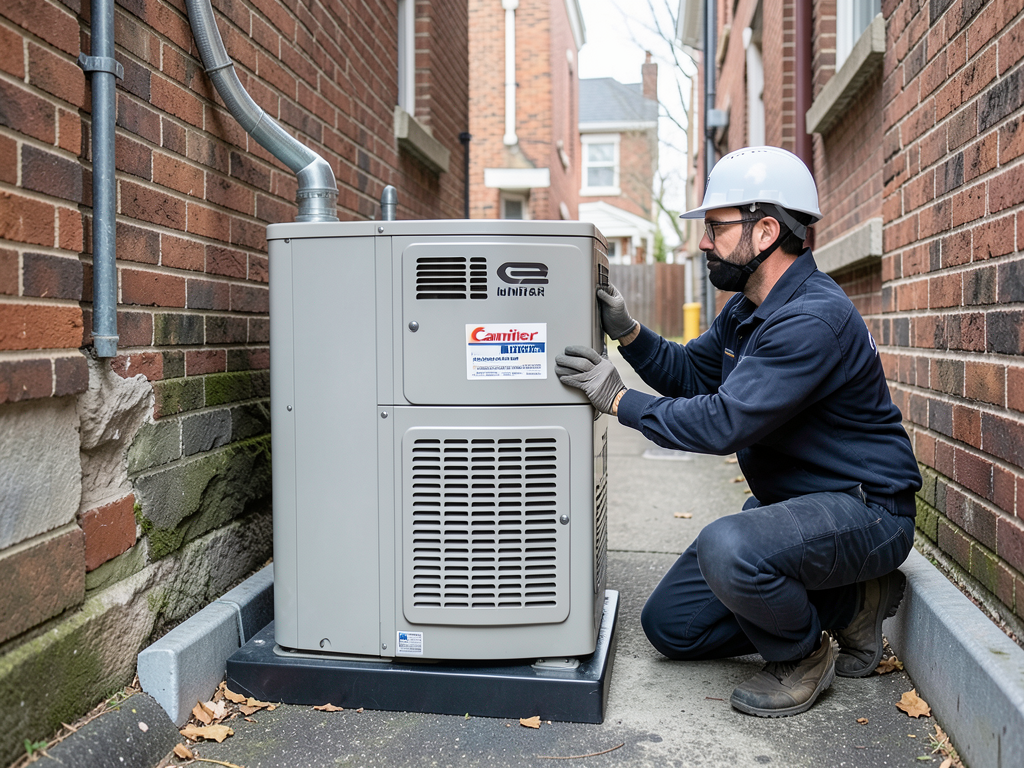
We carry parts for every major furnace brand installed in Hartford over the past 30 years. Lennox, Carrier, Trane, Rheem, Goodman, Bryant. We stock gas valves, thermocouples, flame sensors, and heat exchanger assemblies on every truck. When we arrive at 2 a.m. on a Sunday in January, we can complete repairs immediately without waiting for parts to arrive Tuesday.

Our technicians hold Connecticut S-2 fuel burning equipment licenses required by state law to work on gas furnaces. We pull permits for gas line work through the Hartford Building Department and know the inspectors by name. We understand Connecticut's fuel gas code requirements for combustion air, venting, and clearances to combustibles. When we repair gas leak on furnace systems, the work passes inspection the first time.

You also get transparent communication. We explain what failed, why it failed, and what it costs to fix before we start work. No surprises, no upselling you on services you do not need. If your furnace is beyond economical repair, we tell you honestly and provide options for replacement that fit your budget and heating needs.

What You Can Expect From Our Gas Leak Repair Service

Emergency Response Time

We answer emergency calls 24 hours a day, 365 days per year. When you call with a gas leak, you speak directly to our dispatch team, not an answering service. We prioritize gas leak calls above all other service requests. Our goal is arrival within 60 minutes for Hartford proper addresses, 90 minutes for surrounding towns. During severe weather events when gas leaks spike due to power outages and system cycling, we add technicians to maintain fast response times. You get a call when the technician is 15 minutes away with their name and truck number.

Comprehensive Safety Inspection

Every gas leak call includes a full safety inspection at no additional charge. We test your carbon monoxide detectors to verify they work. We inspect your furnace flue pipe for corrosion, separation, or inadequate pitch that causes backdrafting. We check combustion air openings to ensure your furnace gets adequate oxygen. We measure gas pressure at the meter and at the furnace to detect regulator problems or undersized piping. We verify your thermostat is calling for heat properly and not short cycling your furnace in ways that stress components. You receive a written report documenting all findings.

Quality Repair Work

We use OEM parts whenever possible to maintain your furnace manufacturer's specifications. Gas valves get replaced with exact model matches, not universal aftermarket parts that fail prematurely. Pipe repairs use schedule 40 black iron or corrugated stainless steel tubing rated for your gas pressure and BTU load. We apply pipe joint compound rated for natural gas to all threaded connections and torque fittings to spec. Heat exchanger replacements include new gaskets and seals. After repairs, we run your furnace through multiple heating cycles while monitoring combustion efficiency, temperature rise, and flue gas composition to verify proper operation.

Post-Repair Support

All repairs include a detailed explanation of what we fixed and recommendations for preventing future problems. If we replaced a heat exchanger due to corrosion, we explain how improving combustion air supply or adding a flue damper prevents recurrence. If your gas valve failed due to moisture infiltration, we identify the water source and provide drainage solutions. We offer annual maintenance plans that include pre-season gas leak testing, combustion analysis, and component inspection to catch problems before they become emergencies. You get a follow-up call 48 hours after emergency repairs to verify your furnace operates correctly.

Frequently Asked Questions

You Have Questions,
We Have Answers

How much does it cost to fix a gas leak in a furnace? +

Gas furnace leak repair costs vary based on the leak source. A minor valve replacement might run a few hundred dollars, while a cracked heat exchanger can require furnace replacement. Emergency repairs in Hartford typically carry premium pricing due to urgency and safety protocols. A licensed technician will diagnose the issue first. Most repairs fall between $200 and $800, but major component failures cost more. Never delay repairs. Gas leaks pose immediate danger. Get multiple quotes if time permits, but prioritize safety over cost. Hartford's freeze-thaw cycles can accelerate furnace component wear, making annual inspections critical.

Can I fix a furnace leak myself? +

No. Never attempt DIY gas furnace leak repair. Gas leaks require immediate professional intervention. You risk explosion, fire, carbon monoxide poisoning, and voiding manufacturer warranties. Connecticut state law requires licensed technicians for gas work. Turn off your gas supply at the meter, evacuate everyone, and call a certified HVAC technician immediately. Open windows if safe to do so. Do not use electronics, light switches, or create any spark sources. Hartford residents should keep emergency HVAC contacts saved. Professional technicians have leak detection equipment, training, and insurance. Your safety depends on expert handling.

Do you have to pay to fix a gas leak? +

Yes. Gas leak repairs are not free unless covered by your utility company's service plan or homeowners insurance policy. Some Hartford utility providers cover line repairs up to the meter, but furnace leaks inside your home are your responsibility. Emergency service calls typically include diagnostic fees. If the leak originates from utility infrastructure, contact your gas company first. They respond quickly and handle exterior line issues. Interior furnace leaks require a licensed HVAC contractor. Payment is expected at service completion. Never delay calling due to cost concerns. Gas leaks escalate quickly and endanger lives.

Whose responsibility is it to fix a gas leak? +

Responsibility depends on leak location. The gas utility company owns lines up to your meter and handles those repairs. You own everything past the meter, including all interior piping and appliances. In Hartford rental properties, landlords typically handle furnace repairs unless tenant negligence caused damage. Review your lease agreement. Homeowners bear full responsibility for their furnace systems. Condo associations may cover building infrastructure but not unit-specific appliances. If you smell gas, call your utility company immediately regardless of ownership questions. They will isolate the source and direct you accordingly. Safety takes priority over liability discussions.

Do homeowners insurance cover gas leaks? +

Coverage varies by policy. Most standard homeowners insurance policies in Hartford cover sudden, accidental gas leak damage to your property. Gradual leaks from poor maintenance usually are not covered. Insurance may pay for repairs to walls, floors, or structures damaged during leak repair, but often excludes the furnace repair itself. Review your policy's equipment breakdown coverage. Some carriers offer separate endorsements for appliance failures. Document everything with photos and reports. File claims promptly. Expect an adjuster visit for significant damage. Deductibles apply. Never delay emergency repairs waiting for insurance approval. Address the danger first.

What is the life expectancy of a gas furnace? +

Gas furnaces last 15 to 20 years with proper maintenance. Hartford's humid summers and cold winters stress systems year-round, potentially shortening lifespan. Factors affecting longevity include installation quality, annual maintenance frequency, thermostat cycling, and manufacturer quality. Furnaces running constantly during Connecticut winters accumulate wear faster. Signs your furnace approaches end-of-life include frequent repairs, yellow pilot light flames indicating incomplete combustion, increased heating bills, and uneven heating. After 15 years, replacement often makes more financial sense than major repairs. Modern high-efficiency units cut energy costs significantly. Schedule annual inspections to maximize lifespan and catch problems early.

Can you stay in a house with a small gas leak? +

Absolutely not. Evacuate immediately. Even small gas leaks can cause explosions, fires, or fatal carbon monoxide poisoning. Natural gas is odorless, so utilities add mercaptan for detection. If you smell rotten eggs, leave now. Do not use phones, light switches, or anything creating sparks inside the home. Call 911 and your gas company from outside. Do not re-enter until professionals clear your home. Hartford fire departments respond to gas emergencies quickly. Small leaks become large leaks without warning. Gas accumulates in enclosed spaces. Your life is not worth the risk. Take every gas odor seriously.

What is the most expensive part to fix on a furnace? +

The heat exchanger is the most expensive furnace component to replace. This metal chamber transfers heat from combustion gases to your home's air. Cracks develop from age, corrosion, or thermal stress. Replacement costs often approach 50 to 75 percent of a new furnace price. Hartford's temperature swings accelerate metal fatigue. Cracked heat exchangers leak carbon monoxide, creating life-threatening conditions. Most HVAC professionals recommend full furnace replacement when heat exchangers fail, especially on units over 12 years old. Other costly repairs include blower motors, gas valves, and control boards. Annual maintenance catches problems before they become expensive failures.

Who do you call if your furnace is leaking? +

Call a licensed HVAC technician immediately. If you smell gas, call your utility company or 911 first, then evacuate. For water leaks around your furnace, shut off power at the breaker and call an HVAC professional. Condensate drain clogs cause most water leaks and need quick attention to prevent mold growth. Hartford's high humidity worsens condensation issues. Do not ignore leaks. Water indicates underlying problems like clogged drains, cracked heat exchangers, or humidifier malfunctions. Choose contractors with gas certification, proper licensing, and emergency availability. Keep emergency HVAC contacts saved. Fast response prevents secondary damage and safety hazards.

How much do plumbers charge to fix a gas leak? +

Plumbers typically charge $100 to $300 per hour for gas leak repairs, with total costs ranging from $200 to $1,500 depending on complexity. Hartford rates reflect regional labor costs and emergency premiums. Simple valve replacements cost less than repiping work. Most plumbers charge trip fees plus hourly rates. Gas-certified HVAC technicians often handle furnace-specific leaks more effectively than general plumbers. Ask about flat-rate pricing versus hourly billing. Emergency calls after hours or weekends carry surcharges. Always verify gas work licensing before hiring. Get written estimates when possible. Never choose contractors based solely on price when dealing with gas safety issues.

How Hartford's Aging Natural Gas Infrastructure Affects Furnace Safety

Hartford's natural gas distribution system includes cast iron mains installed in the 1940s and 1950s that still serve neighborhoods like Barry Square and Behind the Rocks. While Eversource has replaced many of these lines, thousands of homes still connect to aging infrastructure that experiences pressure fluctuations during peak winter demand. When gas pressure drops below 7 inches of water column during cold snaps, your furnace's gas valve may not seat properly when the heating cycle ends, allowing small amounts of gas to seep into the cabinet. Over time, this repeated stress causes valve seats to wear and O-rings to fail, creating the conditions for emergency furnace gas leak service calls. We test incoming gas pressure on every service call and document when utility supply issues contribute to furnace problems.

Liberty HVAC Hartford has repaired gas furnace leaks in every Hartford zip code for over a decade. We know which neighborhoods have homes with original 1960s gas piping that needs replacement, which apartment buildings have landlords who defer maintenance until tenants complain, and which historic properties require specialized approaches to meet preservation requirements while updating heating systems. Our familiarity with Hartford's building department inspectors, permit requirements, and local code interpretations means your gas heater leak repair gets done right the first time without delays or failed inspections. When you need someone who knows Hartford furnaces, you call the company Hartford homeowners have trusted since 2013.
HVAC Services in The Hartford Area

Liberty HVAC Hartford proudly serves the entire Hartford area and surrounding communities. We're a local business dedicated to our neighbors' comfort. Use the map below to pinpoint our location or to confirm that your home or business is within our primary service area. We are always ready to dispatch a professional, certified technician directly to your door for any heating or cooling need you may have, ensuring prompt and convenient service every single time.

Address:
Liberty HVAC Hartford, 15 N Main St, Hartford, CT, 06107

Additional Services We Offer

Our news updates

Latest Articles & News from The Blogs

Emergency Kitchen Exhaust and HVAC Repair for Downtown Hartford Restaurants When your kitchen exhaust system fails during a dinner rush…

Emergency Kitchen Exhaust and HVAC Repair for Downtown Hartford Restaurants

Emergency Kitchen Exhaust and HVAC Repair for Downtown Hartford Restaurants When your kitchen exhaust system fails during a dinner rush…

Why High Velocity Air Conditioning is the Best Choice for Historic Wethersfield Homes

Expert High Velocity AC Installation in Wethersfield, CT Historic Wethersfield homes built before 1950 often lack the space for traditional…

Keeping Your West End Mini Split Running Smoothly with a Professional Deep Clean

Professional Mini Split Cleaning in West End Hartford, CT Your mini split works hard to keep your West End home…

Contact Us

If you smell gas near your furnace right now, leave your home and call us immediately at (959) 203-9992. Our emergency team responds 24/7 with the tools and expertise to fix gas leak in furnace systems safely. We arrive fast, diagnose accurately, and restore heat without compromising your family's safety.