




Newington sits in central Connecticut, where temperature swings test every HVAC system hard. Winter lows drop below 20 degrees, forcing furnaces to run for months straight. Summer humidity climbs past 80 percent, making air conditioners work overtime to keep homes comfortable. Spring and fall bring rapid temperature changes that stress heating and cooling equipment through constant cycling.
The town's mix of older colonial homes and newer construction creates unique HVAC challenges. Many homes near Cedar Street and the Churchill Park neighborhood have older ductwork that leaks conditioned air, wasting energy and money. Properties around Mill Pond Park face basement moisture issues that affect air quality and HVAC efficiency. Houses in the residential areas near Berlin Turnpike often have undersized systems from decades past, struggling to maintain comfort during extreme weather.
Connecticut's building codes require proper permits for HVAC installations and major repairs. Newington enforces these codes through its Building Department, which means your contractor needs to pull permits, pass inspections, and document refrigerant handling. Working with a licensed contractor protects your investment and ensures your system meets safety standards. Your heating and cooling equipment is the biggest comfort investment in your home. In Newington's demanding climate, it needs to work right every single day.
Liberty HVAC Hartford has served Newington and the greater Hartford area for years, building a reputation for honest service and technical expertise. We respond to emergency calls within two hours, and we stock our trucks with parts for the most common repairs. That means we fix most problems on the first visit, getting your heat or AC running before we leave your home.
Our technicians hold state licenses and manufacturer certifications for all major brands. We diagnose problems accurately because we invest in diagnostic tools and ongoing training. When we quote a repair, we explain exactly what failed, why it failed, and what we recommend. No pressure, no upselling, no hidden fees. You make the final decision on every repair.
We serve Newington homes year-round because HVAC emergencies happen at the worst times. Late night furnace failures, weekend AC breakdowns, holiday heating problems. We answer calls 24/7 and charge the same rate whether we arrive at noon or midnight. Many companies add premium charges for after-hours service. We believe fair pricing builds long-term relationships with customers.
Our connection to Newington runs deeper than service calls. We understand the town's housing stock, from the older homes near the center to newer developments near the town line. We know which systems work best in different neighborhoods, which brands hold up in Connecticut weather, and how to maximize efficiency in homes with older ductwork. When you call Liberty HVAC Hartford, you work with technicians who know Newington homes inside and out.

When your heating or cooling fails, you need help fast. We commit to arriving at Newington homes within two hours of your emergency call. Our dispatch system tracks technician locations in real time, routing the closest qualified tech to your address. No waiting days for an appointment when your family's comfort is at stake.

Our trucks carry parts for the most common HVAC repairs, from blower motors to capacitors to thermostats. This preparation means we fix most problems on the first visit without ordering parts or scheduling return trips. You get your comfort back today, not next week, because we show up prepared to solve your problem.
Every Liberty HVAC Hartford technician holds a Connecticut S-1 or S-2 license for HVAC work. We maintain manufacturer certifications for all major equipment brands, ensuring we have the training and knowledge to service your specific system correctly. Our EPA certification guarantees proper refrigerant handling that protects both your equipment and the environment.
We serve Newington homes every day, which means we understand the specific HVAC challenges in your neighborhood. From basement humidity near Mill Pond to ductwork issues in older homes near Cedar Street, we've diagnosed and solved problems throughout the town. Local experience translates to faster, more accurate service for your home.
Liberty HVAC Hartford handles every heating and cooling need in Newington, from emergency breakdowns to planned system replacements. We service all equipment types including furnaces, boilers, central air conditioners, heat pumps, and ductless mini-splits. Our comprehensive approach means you work with one company for installation, repair, and maintenance instead of juggling multiple contractors.
We structure our services around how Newington homeowners actually use HVAC systems. Emergency repairs happen when equipment fails unexpectedly. Maintenance prevents breakdowns through regular inspections and tune-ups. System replacements become necessary when equipment reaches the end of its useful life or repair costs exceed replacement value. Each service category requires different expertise, response times, and customer communication.
Our technicians diagnose problems methodically, testing electrical components, measuring refrigerant pressures, checking airflow, and inspecting heat exchangers. We explain findings in plain language, showing you the failed part and explaining why it matters. When we recommend repairs or replacement, you understand exactly what you're paying for and why the work is necessary. This transparency builds trust and helps you make informed decisions about your home's comfort systems.
Your heating or cooling quits without warning, usually at the worst possible time. We respond to emergency calls 24 hours a day, seven days a week, arriving at Newington homes within two hours. Our trucks carry diagnostic equipment and common repair parts, allowing us to fix most problems on the first visit. We diagnose the failure, explain the problem, quote the repair cost, and complete the work once you approve. No surprise charges, no return trips for parts, no waiting days for service.
Old equipment eventually reaches the end of its service life, requiring complete replacement. We assess your home's heating and cooling needs, calculate proper system sizing based on square footage and insulation, and recommend equipment that fits your budget and efficiency goals. Our installation crews handle all aspects including equipment removal, installation, ductwork modifications, electrical connections, refrigerant charging, and startup. We pull required permits through Newington's Building Department and coordinate inspections, ensuring your new system meets all code requirements.
Regular maintenance catches small problems before they cause expensive failures. We inspect heating systems before winter and air conditioners before summer, checking electrical connections, measuring refrigerant levels, testing safety controls, lubricating motors, and cleaning components that affect efficiency. Our maintenance service identifies wear patterns that signal upcoming failures, giving you time to plan repairs instead of facing emergency breakdowns. Annual tune-ups extend equipment life, reduce energy costs, and maintain manufacturer warranties that require documented maintenance.
Newington's climate and housing stock create predictable HVAC problems that affect comfort and energy costs. Understanding these issues helps homeowners recognize warning signs and address problems before they escalate into expensive failures. Connecticut's temperature extremes stress heating and cooling equipment harder than moderate climates, causing components to wear faster and fail more frequently.
The town's mix of older and newer homes creates varied HVAC challenges. Colonial and mid-century homes often have original ductwork that leaks conditioned air into attics and crawl spaces. Newer homes sometimes have undersized equipment installed by builders trying to cut costs. Both situations waste energy and reduce comfort, but they require different solutions. Basement moisture affects many Newington properties, especially homes near Mill Pond Park and other low-lying areas. High humidity damages ductwork insulation, promotes mold growth, and forces air conditioners to work harder removing moisture from indoor air.
Equipment age plays a major role in system reliability. Most furnaces and air conditioners last 15 to 20 years with proper maintenance. Homes purchased with existing equipment often have systems nearing replacement age, but homeowners don't know maintenance history or remaining service life. Regular inspections reveal equipment condition and help plan for eventual replacement before catastrophic failure occurs.
Refrigerant leaks reduce cooling capacity and increase energy costs as systems run longer trying to reach temperature settings. Older R-22 systems face expensive repair costs because refrigerant production ended, making recharging prohibitively expensive. Leaks typically develop in outdoor coil connections exposed to weather, requiring professional repair and refrigerant recovery before fixing the problem.
Modern furnaces use electronic ignition instead of standing pilot lights, improving efficiency but creating new failure points. Ignitors crack from repeated heating cycles, and flame sensors develop carbon buildup that prevents burner operation. These failures cause furnaces to shut down completely, leaving homes without heat during Connecticut winters. Most ignition problems can be fixed quickly with proper diagnosis and replacement parts.
Older Newington homes often have ductwork in unconditioned attics and crawl spaces where temperature extremes stress sealing materials. Gaps at connections and tears in flex duct waste 20 to 30 percent of conditioned air before it reaches living spaces. This leakage forces equipment to run longer, increases energy bills, and creates uneven temperatures between rooms. Proper duct sealing improves comfort and reduces operating costs.
Thermostats measure temperature at one location and control the entire system based on that reading. Poor placement near windows, exterior walls, or heat sources creates inaccurate readings that affect comfort throughout the home. Older thermostats lose calibration over time, creating temperature swings that waste energy. Upgrading to programmable or smart thermostats improves accuracy and allows scheduling that reduces costs without sacrificing comfort.
We built our service process around what matters most during HVAC emergencies: fast response, clear communication, and honest pricing. When your heating or cooling fails, you're already stressed. Our job is to reduce that stress by showing up quickly, diagnosing the problem accurately, and fixing it right the first time.
Every service call starts with a phone conversation where we gather information about your problem. Is your system making noise? Not turning on? Running constantly without reaching temperature? These details help us send the right technician with appropriate tools and parts. We commit to a two-hour arrival window for emergency calls, and we call ahead when our technician is 15 minutes away so you're not stuck waiting by the door.
Our diagnostic process is methodical and thorough. Technicians test components systematically, measuring voltages, pressures, and temperatures to isolate the failure. We show you the problem when possible, explaining what failed and why. You receive a written quote before we start any repair work, with clear pricing that includes parts and labor. No hidden fees, no surprise charges, no pressure to approve work immediately. Once you authorize the repair, we complete the work and test system operation before leaving your home.
You'll never wonder what's happening with your HVAC repair. We answer calls promptly, provide accurate arrival times, and keep you updated if anything changes. During diagnosis, our technicians explain what they're testing and why. Before starting repairs, we review the problem, solution, and cost in plain language. After completion, we walk you through what we fixed and answer any questions. This transparency builds trust and ensures you understand exactly what happened with your equipment.
Every repair gets a written quote before we touch any tools. This quote includes parts, labor, and any disposal fees for replaced components. We charge the same rate for emergency calls whether we arrive at 2 PM or 2 AM. No overtime fees, no weekend premiums, no surprise additions to your final bill. The price we quote is the price you pay. If we discover additional problems during repair, we stop and explain the situation before doing any extra work.
We stand behind every repair with a 100 percent satisfaction guarantee on our workmanship. If the same problem recurs within 30 days, we return and fix it at no additional charge. Parts carry manufacturer warranties ranging from one to ten years depending on the component. We document all warranty information and keep service records that protect your investment. When you choose quality parts installed by experienced technicians, repairs last longer and equipment runs more reliably.
We designed our service process to minimize stress and maximize results. Every repair follows the same proven steps, ensuring consistent quality whether we're fixing a furnace or installing an air conditioner.
Your call reaches a real person who gathers information about your HVAC problem and dispatches the closest qualified technician. We commit to arriving within two hours for emergencies, bringing diagnostic equipment and common repair parts. The technician systematically tests components to isolate the failure, measuring electrical values, refrigerant pressures, and airflow. You receive a clear explanation of what failed, why it matters, and what repair will cost before any work begins.
Once you approve the quoted repair, our technician completes the work using quality parts and proper techniques. We don't cut corners or use aftermarket components that fail prematurely. After installing replacement parts, we test system operation through complete heating or cooling cycles. Electrical connections get torqued to specification, refrigerant charges get verified by weight and pressure, and safety controls get tested to ensure proper operation.
Before leaving your home, the technician walks you through what was repaired and demonstrates proper system operation. You receive documentation of all work performed, parts installed, and warranty information. We collect payment only after you're completely satisfied with the repair. Within 48 hours, our office calls to verify your system is still running properly and answer any questions. This follow-up ensures long-term satisfaction, not just a quick fix.
Professional HVAC service requires more than tools and experience. Connecticut regulates HVAC contractors through licensing requirements that protect homeowners from unqualified work. The state issues S-1 licenses for unlimited HVAC work and S-2 licenses for limited systems. These licenses require passing technical exams, proving insurance coverage, and maintaining continuing education. Working with licensed contractors ensures proper installation, accurate diagnosis, and code-compliant repairs.
Refrigerant handling falls under EPA Section 608 regulations that require technician certification. These regulations exist because refrigerants damage the ozone layer and contribute to climate change when released into the atmosphere. Certified technicians use recovery equipment to capture refrigerant before opening sealed systems, preventing environmental damage and legal penalties. Proper refrigerant charging requires precision because undercharging reduces efficiency while overcharging damages compressors. We measure refrigerant by weight using certified scales, ensuring accuracy within ounces on residential systems.
Connecticut adopted the 2018 International Mechanical Code with state amendments for HVAC installations. These codes specify minimum efficiency levels, proper venting for fuel-burning equipment, electrical requirements, and combustion air calculations. Newington's Building Department enforces these codes through permit requirements and inspections. Contractors must submit equipment specifications, calculate load requirements, and demonstrate code compliance before receiving approval. This process protects homeowners from undersized systems, dangerous installations, and equipment that fails prematurely.
Equipment sizing follows Manual J calculations from the Air Conditioning Contractors of America. This methodology accounts for insulation levels, window areas, orientation, occupancy, and dozens of other factors that affect heating and cooling loads. Proper sizing prevents short cycling that wears components and reduces efficiency. Oversized equipment costs more upfront and delivers inferior comfort. Undersized systems run constantly without reaching desired temperatures. We perform detailed load calculations for every installation, ensuring your equipment matches your home's actual requirements.
Connecticut requires HVAC contractors to hold S-1 or S-2 licenses issued by the Department of Consumer Protection. These licenses verify technical knowledge, insurance coverage, and continuing education compliance. Only licensed contractors can pull permits for HVAC work, ensuring installations meet code requirements and pass inspections. Always verify your contractor's license number before authorizing work on your heating or cooling system.
Proper HVAC sizing requires detailed calculations based on your home's construction, insulation, windows, and orientation. Contractors use Manual J methodology to determine exact heating and cooling loads, then select equipment that matches those requirements. Guessing at equipment size or matching existing capacity without calculations leads to poor performance, high energy costs, and premature equipment failure. Demand detailed load calculations before approving any system replacement.
EPA regulations require certified technicians for all refrigerant work, including repairs, installations, and disposals. Proper refrigerant recovery prevents environmental damage and legal penalties that can reach thousands of dollars. Charging systems requires precision measurement by weight, not guesswork based on pressure gauges. Undercharged systems waste energy and fail to cool properly. Overcharged systems damage compressors. Professional service includes certified refrigerant handling that protects both your equipment and the environment.
Newington enforces Connecticut's mechanical code through its Building Department. HVAC installations and major repairs require permits, inspections, and code compliance documentation. These requirements protect homeowners by ensuring safe installations that meet minimum efficiency standards. Contractors who skip permits to save money leave you liable for code violations and insurance problems. Always verify that your contractor pulls appropriate permits and coordinates required inspections.
Professional HVAC contractor explains what Newington CT homeowners should know about heating and cooling repair, including climate factors affecting systems, common failure points in Connecticut homes, licensing and code requirements, proper diagnostic procedures, and how to choose qualified contractors. Covers emergency repair response, system installation standards, and preventive maintenance for furnaces, air conditioners, and heat pumps serving central Connecticut residential properties.
Liberty HVAC Hartford serves the entire Newington area, from the historic homes near Town Hall and Cedar Street to newer developments along the Berlin Turnpike corridor. We respond to service calls throughout the residential neighborhoods surrounding Churchill Park, where older colonials often need ductwork upgrades and system replacements. Properties near Mill Pond Park face unique humidity challenges from proximity to water, requiring dehumidification solutions and moisture management alongside standard HVAC service.
The western sections of Newington near the Wethersfield town line include a mix of mid-century ranches and newer construction, each with different HVAC requirements. Ranch homes often have undersized ductwork in slab foundations, limiting airflow and reducing efficiency. We've solved countless comfort problems in this area by redesigning duct systems and right-sizing equipment. The eastern neighborhoods approaching the Berlin line tend toward newer construction with modern HVAC systems, but these properties still face emergency repairs and maintenance needs.
Newington's location in central Connecticut gives residents easy access to Hartford, New Britain, and Middletown, but it also means dealing with the region's demanding climate. We serve this broader Hartford County area with the same rapid response and professional service. Our technicians know the housing patterns throughout the region, from vintage homes in Hartford's West End to suburban developments in Rocky Hill and Cromwell.
The Berlin Turnpike corridor through Newington includes commercial properties alongside residential areas. We handle HVAC service for both, understanding how different building types create unique challenges. Commercial systems run more hours and face heavier loads, requiring more frequent maintenance. Residential systems need seasonal preparation for Connecticut's temperature extremes. Whether you live near the Meriden town line or in the neighborhoods around the Newington Junction shopping area, we deliver the same quality service and rapid emergency response.
Our service area extends beyond Newington to include Wethersfield to the north, Rocky Hill to the south, Berlin to the east, and New Britain to the west. This coverage area allows us to serve the greater Hartford region efficiently while maintaining deep knowledge of local housing stock and climate challenges. We're never more than 30 minutes from any Newington address, ensuring rapid response when your heating or cooling fails.
HVAC systems in Newington require regular maintenance due to the area's humid summers and cold winters. Your system works harder during temperature extremes, which increases wear on components. Schedule professional tune-ups twice yearly, once before cooling season and once before heating season. These visits include filter changes, refrigerant checks, and electrical inspections. Local technicians understand Connecticut's climate challenges and recommend solutions specific to Newington homes. Most systems last 15-20 years with proper care. Keep outdoor units clear of debris and change filters monthly during peak usage months.
Newington experiences temperature swings from below freezing in winter to above 85 degrees in summer. This demands efficient heating and cooling equipment. Heat pumps work well here but need backup heating for extreme cold days. Gas furnaces paired with central air conditioning remain popular choices. Look for systems with SEER ratings above 16 for cooling efficiency and AFUE ratings above 90 for heating. Your home's insulation quality affects system performance significantly. Proper sizing matters more than brand names. An oversized system cycles frequently and wastes energy while undersized units struggle during peak demand.
Signs you need HVAC service include uneven temperatures between rooms, unusual noises, rising energy bills, and weak airflow. Strange odors from vents indicate mold growth or electrical problems. Your system should turn on smoothly without grinding or banging sounds. Ice buildup on outdoor units during summer means refrigerant issues. If your thermostat reading differs from actual room temperature by more than two degrees, recalibration is needed. Short cycling, where your system turns on and off rapidly, wastes energy and shortens equipment life. Address these issues promptly to prevent expensive repairs.
HVAC systems in Newington require regular maintenance due to the area's humid summers and cold winters. Your system works harder during temperature extremes, which increases wear on components. Schedule professional tune-ups twice yearly, once before cooling season and once before heating season. These visits include filter changes, refrigerant checks, and electrical inspections. Local technicians understand Connecticut's climate challenges and recommend solutions specific to Newington homes. Most systems last 15-20 years with proper care. Keep outdoor units clear of debris and change filters monthly during peak usage months.
Newington experiences temperature swings from below freezing in winter to above 85 degrees in summer. This demands efficient heating and cooling equipment. Heat pumps work well here but need backup heating for extreme cold days. Gas furnaces paired with central air conditioning remain popular choices. Look for systems with SEER ratings above 16 for cooling efficiency and AFUE ratings above 90 for heating. Your home's insulation quality affects system performance significantly. Proper sizing matters more than brand names. An oversized system cycles frequently and wastes energy while undersized units struggle during peak demand.
Signs you need HVAC service include uneven temperatures between rooms, unusual noises, rising energy bills, and weak airflow. Strange odors from vents indicate mold growth or electrical problems. Your system should turn on smoothly without grinding or banging sounds. Ice buildup on outdoor units during summer means refrigerant issues. If your thermostat reading differs from actual room temperature by more than two degrees, recalibration is needed. Short cycling, where your system turns on and off rapidly, wastes energy and shortens equipment life. Address these issues promptly to prevent expensive repairs.
Newington homeowners typically spend 8-12% of their annual energy budget on heating and cooling. Your actual expenses depend on home size, insulation quality, and system efficiency. Programmable thermostats reduce consumption by 10-15% through automatic temperature adjustments. Set temperatures to 68 degrees in winter and 78 degrees in summer for optimal efficiency. Each degree beyond these settings increases energy use by roughly 3%. Sealing ductwork prevents 20-30% energy loss in many homes. Regular filter changes improve airflow and reduce strain on your system. Consider upgrading to ENERGY STAR certified equipment when replacing old units.
Air quality issues affect many Newington homes due to seasonal allergens and humidity fluctuations. Upgrade to MERV 11-13 filters to capture pollen, pet dander, and dust mites. Standard fiberglass filters only trap large particles. UV light systems installed in ductwork kill mold spores and bacteria. Whole-home dehumidifiers prevent moisture problems common in Connecticut basements. Air purifiers with HEPA filtration remove 99.97% of airborne particles. Schedule duct cleaning every 3-5 years to remove accumulated debris. Proper ventilation prevents stale air while maintaining energy efficiency. These improvements reduce allergy symptoms and respiratory irritation.
Your furnace needs attention before winter arrives. Professionals inspect heat exchangers for cracks, test safety controls, and clean burner assemblies. They measure carbon monoxide levels to ensure safe operation. Blower motors get lubrication and belt adjustments. Technicians verify proper gas pressure and flame color. Yellow or orange flames indicate incomplete combustion and potential safety hazards. Blue flames show efficient burning. Filter replacement improves airflow and system efficiency. Thermostat calibration ensures accurate temperature control. Expect maintenance visits to take 60-90 minutes. Address recommended repairs quickly to prevent mid-winter breakdowns when demand for service is highest.
Air conditioning maintenance protects your investment and prevents summer breakdowns. Technicians check refrigerant levels, clean condenser coils, and inspect electrical connections. Dirty coils reduce efficiency by 30% or more. They test capacitors and contactors that often fail during high temperatures. Drain line cleaning prevents water damage from clogs. Technicians measure airflow at vents and adjust fan speeds as needed. They inspect ductwork for leaks that waste cooled air. Refrigerant leaks require immediate repair and recharging. Outdoor unit placement affects performance, so keep vegetation trimmed back at least two feet. Clean or replace filters monthly during cooling season.
Replace your HVAC system when repairs exceed 50% of replacement value or your equipment reaches 15-20 years old. Frequent breakdowns indicate declining reliability. Rising energy bills show decreased efficiency as components wear out. R-22 refrigerant phase-out makes repairs expensive for older air conditioners. New systems offer better efficiency, quieter operation, and improved comfort control. Modern units include smart thermostats and variable-speed technology. Get multiple quotes from local contractors. Compare SEER and AFUE ratings between options. Ask about equipment warranties and labor guarantees. Spring and fall typically offer better scheduling and sometimes promotional pricing.
Thermostats control your comfort and energy expenses. Programmable models adjust temperatures automatically based on your schedule. Smart thermostats learn your preferences and make adjustments through smartphone apps. They provide energy reports and maintenance reminders. Proper placement matters tremendously. Avoid locations near windows, doors, or heat sources. Mount thermostats on interior walls at eye level for accurate readings. Dead batteries cause heating and cooling failures. Replace batteries annually during daylight saving time changes. Recalibrate your thermostat if readings seem inaccurate. Consider zoning systems for multi-story homes to eliminate hot and cold spots.
Emergency HVAC situations need immediate attention. Total heating failure during freezing weather risks frozen pipes and property damage. Gas odors indicate dangerous leaks requiring evacuation and utility company notification. Electrical burning smells suggest fire hazards. Complete cooling failure during heat waves threatens vulnerable household members. Strange noises like loud banging or grinding mean mechanical failure. Water pooling around equipment indicates overflow or leak problems. Carbon monoxide detector alarms require immediate system shutdown and professional inspection. Keep emergency contact information accessible. Meanwhile, adjust clothing layers and use space heaters or fans safely until help arrives.
Newington homeowners typically spend 8-12% of their annual energy budget on heating and cooling. Your actual expenses depend on home size, insulation quality, and system efficiency. Programmable thermostats reduce consumption by 10-15% through automatic temperature adjustments. Set temperatures to 68 degrees in winter and 78 degrees in summer for optimal efficiency. Each degree beyond these settings increases energy use by roughly 3%. Sealing ductwork prevents 20-30% energy loss in many homes. Regular filter changes improve airflow and reduce strain on your system. Consider upgrading to ENERGY STAR certified equipment when replacing old units.
Air quality issues affect many Newington homes due to seasonal allergens and humidity fluctuations. Upgrade to MERV 11-13 filters to capture pollen, pet dander, and dust mites. Standard fiberglass filters only trap large particles. UV light systems installed in ductwork kill mold spores and bacteria. Whole-home dehumidifiers prevent moisture problems common in Connecticut basements. Air purifiers with HEPA filtration remove 99.97% of airborne particles. Schedule duct cleaning every 3-5 years to remove accumulated debris. Proper ventilation prevents stale air while maintaining energy efficiency. These improvements reduce allergy symptoms and respiratory irritation.
Your furnace needs attention before winter arrives. Professionals inspect heat exchangers for cracks, test safety controls, and clean burner assemblies. They measure carbon monoxide levels to ensure safe operation. Blower motors get lubrication and belt adjustments. Technicians verify proper gas pressure and flame color. Yellow or orange flames indicate incomplete combustion and potential safety hazards. Blue flames show efficient burning. Filter replacement improves airflow and system efficiency. Thermostat calibration ensures accurate temperature control. Expect maintenance visits to take 60-90 minutes. Address recommended repairs quickly to prevent mid-winter breakdowns when demand for service is highest.
Air conditioning maintenance protects your investment and prevents summer breakdowns. Technicians check refrigerant levels, clean condenser coils, and inspect electrical connections. Dirty coils reduce efficiency by 30% or more. They test capacitors and contactors that often fail during high temperatures. Drain line cleaning prevents water damage from clogs. Technicians measure airflow at vents and adjust fan speeds as needed. They inspect ductwork for leaks that waste cooled air. Refrigerant leaks require immediate repair and recharging. Outdoor unit placement affects performance, so keep vegetation trimmed back at least two feet. Clean or replace filters monthly during cooling season.
Replace your HVAC system when repairs exceed 50% of replacement value or your equipment reaches 15-20 years old. Frequent breakdowns indicate declining reliability. Rising energy bills show decreased efficiency as components wear out. R-22 refrigerant phase-out makes repairs expensive for older air conditioners. New systems offer better efficiency, quieter operation, and improved comfort control. Modern units include smart thermostats and variable-speed technology. Get multiple quotes from local contractors. Compare SEER and AFUE ratings between options. Ask about equipment warranties and labor guarantees. Spring and fall typically offer better scheduling and sometimes promotional pricing.
Thermostats control your comfort and energy expenses. Programmable models adjust temperatures automatically based on your schedule. Smart thermostats learn your preferences and make adjustments through smartphone apps. They provide energy reports and maintenance reminders. Proper placement matters tremendously. Avoid locations near windows, doors, or heat sources. Mount thermostats on interior walls at eye level for accurate readings. Dead batteries cause heating and cooling failures. Replace batteries annually during daylight saving time changes. Recalibrate your thermostat if readings seem inaccurate. Consider zoning systems for multi-story homes to eliminate hot and cold spots.
Emergency HVAC situations need immediate attention. Total heating failure during freezing weather risks frozen pipes and property damage. Gas odors indicate dangerous leaks requiring evacuation and utility company notification. Electrical burning smells suggest fire hazards. Complete cooling failure during heat waves threatens vulnerable household members. Strange noises like loud banging or grinding mean mechanical failure. Water pooling around equipment indicates overflow or leak problems. Carbon monoxide detector alarms require immediate system shutdown and professional inspection. Keep emergency contact information accessible. Meanwhile, adjust clothing layers and use space heaters or fans safely until help arrives.
Liberty HVAC Hartford proudly serves the entire Hartford area and surrounding communities. We're a local business dedicated to our neighbors' comfort. Use the map below to pinpoint our location or to confirm that your home or business is within our primary service area. We are always ready to dispatch a professional, certified technician directly to your door for any heating or cooling need you may have, ensuring prompt and convenient service every single time.
Address:
Newington, CT, 6111
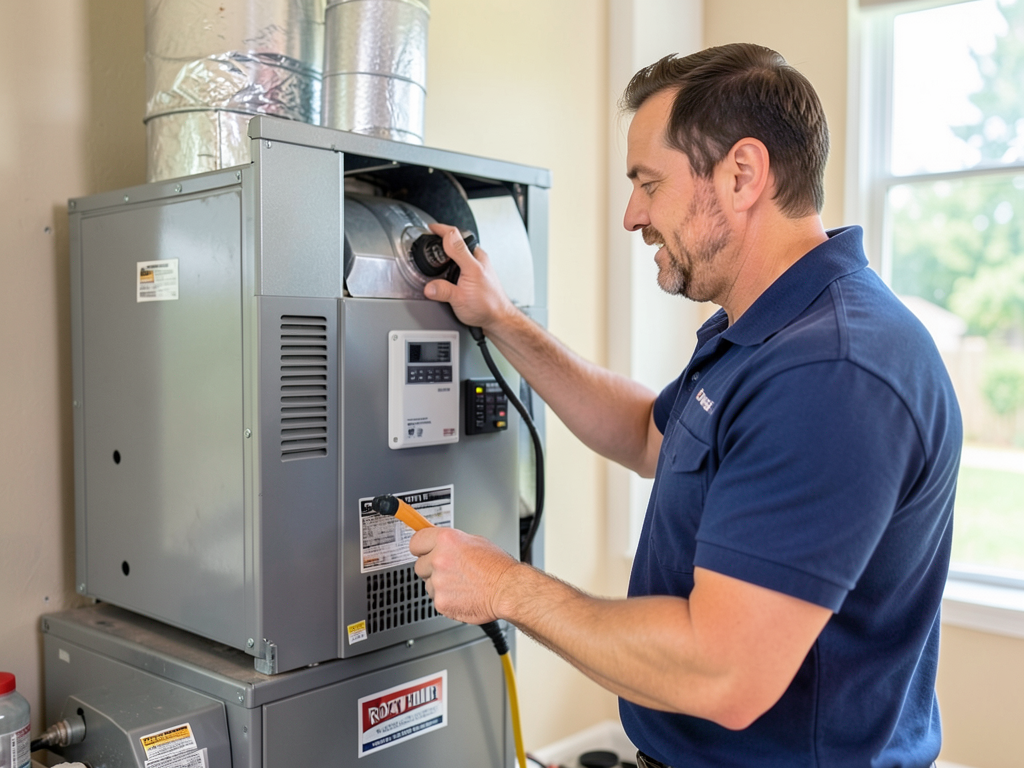
Why a Variable Speed Furnace is the Secret to Ending Hot and Cold Spots in Your Rocky Hill House Living in a home where one room feels like an icebox while another is a sauna…
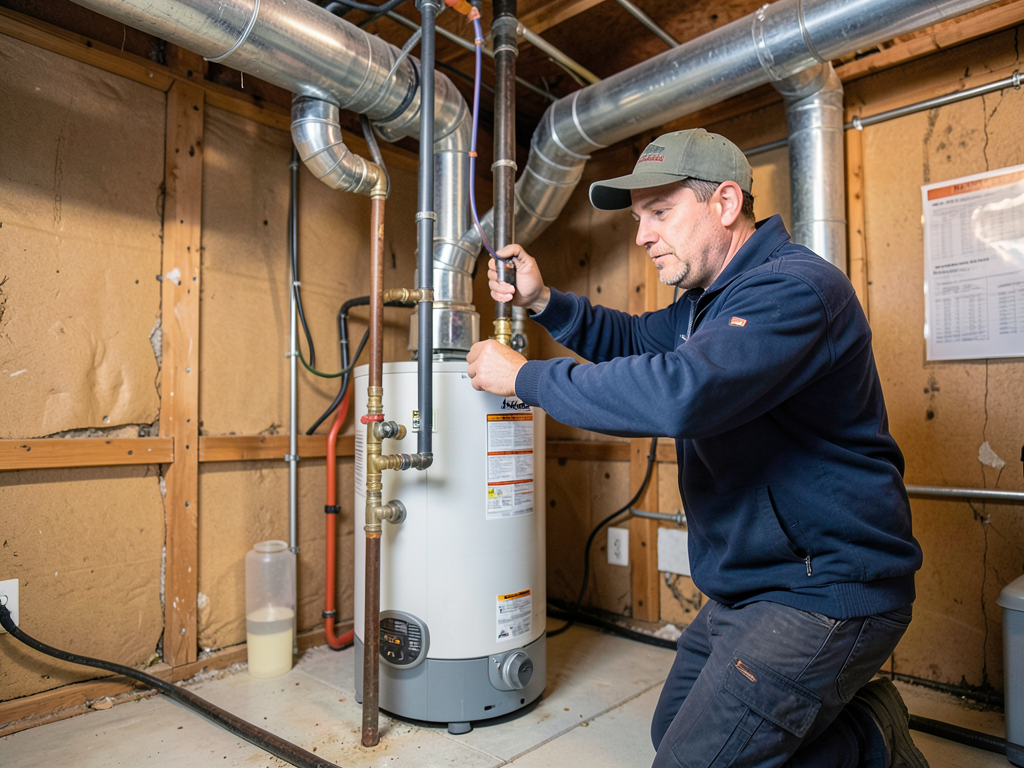
Why Farmington Winters Threaten Your Hardwood Floors Your Farmington home's oak maple or cherry floors…
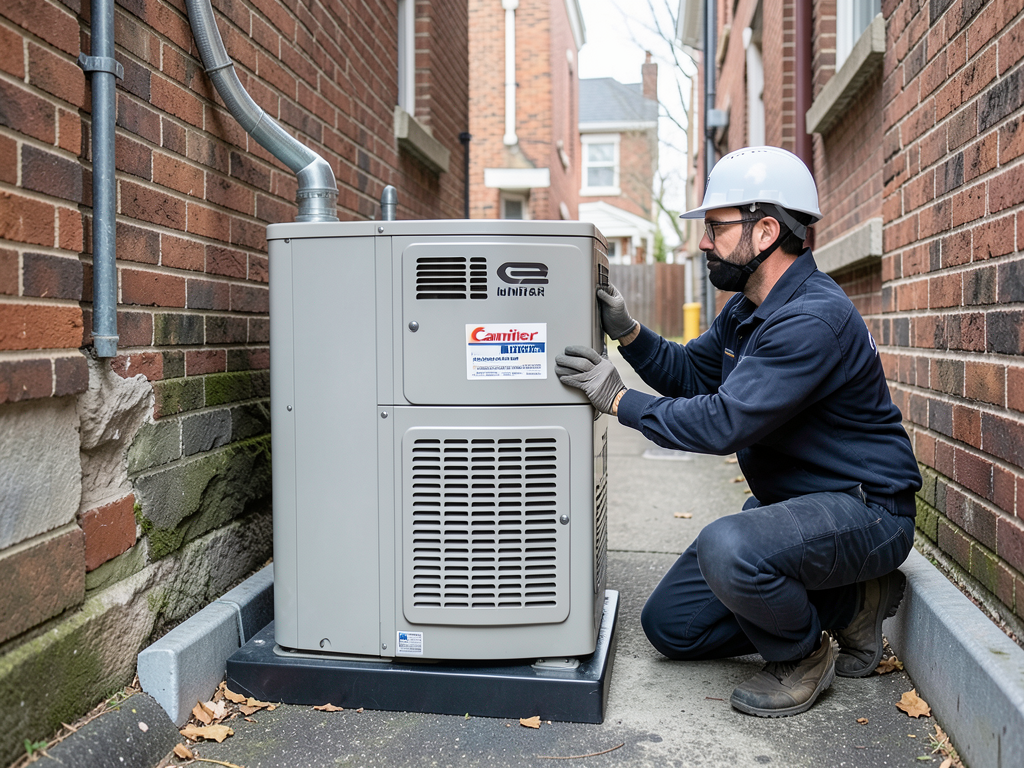
Why Sound Levels Matter in Hartford’s Blue Hills Neighborhood Living in Blue Hills means homes…
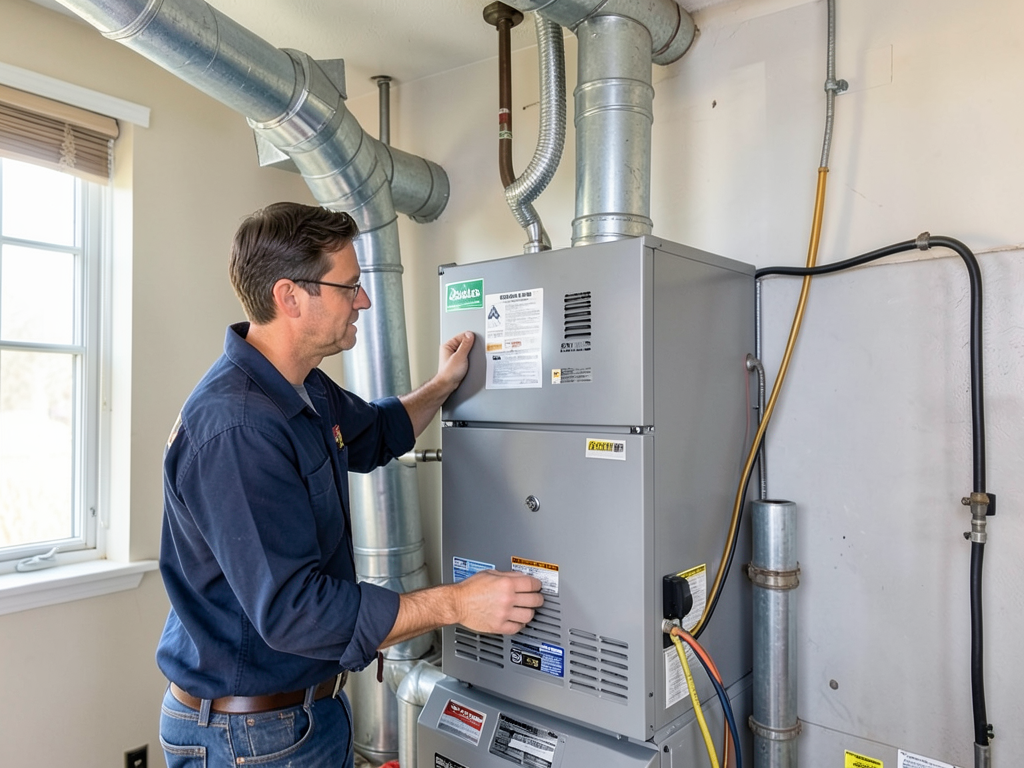
Comparing the Pros and Cons of Oil to Natural Gas Conversions in the South End…
Your comfort can't wait when heating or cooling fails. Call Liberty HVAC Hartford now at (959) 203-9992 for rapid emergency service in Newington. We answer 24/7, arrive within two hours, and fix most problems on the first visit with upfront pricing and guaranteed workmanship.