menu

Commercial Heating Services in Hartford – Minimize Downtime, Maximize ROI

Liberty HVAC Hartford delivers industrial-grade commercial heating services engineered for business continuity. From system design to emergency repairs, we keep your facility operational when Hartford temperatures drop.

Slider Image 1
Slider Image 2
Slider Image 3
Slider Image 4
Slider Image 5
Slider Image 7
Slider Image 8
Slider Image 9
Slider Image 10
Slider Image 11

Hartford's Winter Demand Puts Commercial Heating Systems Under Stress

Hartford winters bring sustained cold that exposes weaknesses in commercial heating infrastructure. When your rooftop units fail during a January freeze or your boiler struggles to maintain setpoint temperatures across a 40,000-square-foot warehouse, you face immediate operational risk. Production lines slow. Employees leave early. Pipes freeze in loading docks.

The Hartford metro serves a mix of manufacturing facilities, distribution centers, office parks, and retail spaces. Each building type places different demands on heating systems. A manufacturing plant near Brainard Airport needs consistent heat for quality control. A Downtown Hartford office building must balance tenant comfort with energy efficiency. Retail spaces in Blue Back Square require zoned heating that adjusts for occupancy.

Most commercial heating failures stem from deferred maintenance or undersized equipment. Hartford's fluctuating winter conditions, with temperatures swinging from 15°F to 45°F within 48 hours, stress mechanical components. Ignitors fail on gas furnaces. Heat exchangers crack from thermal cycling. Pneumatic controls drift out of calibration.

Commercial heating contractors face unique challenges in Hartford buildings constructed before modern energy codes. These older facilities often run on steam or hydronic systems that require specialized knowledge. Finding industrial heating services that understand both legacy equipment and modern commercial HVAC heating services is critical. Downtime costs you revenue. The right commercial heating companies understand that your heating system is a business asset, not a comfort amenity.

Your facility cannot afford to wait three days for a technician who lacks commercial experience.

Hartford's Winter Demand Puts Commercial Heating Systems Under Stress
How Professional Commercial Heating Solutions Protect Business Operations

How Professional Commercial Heating Solutions Protect Business Operations

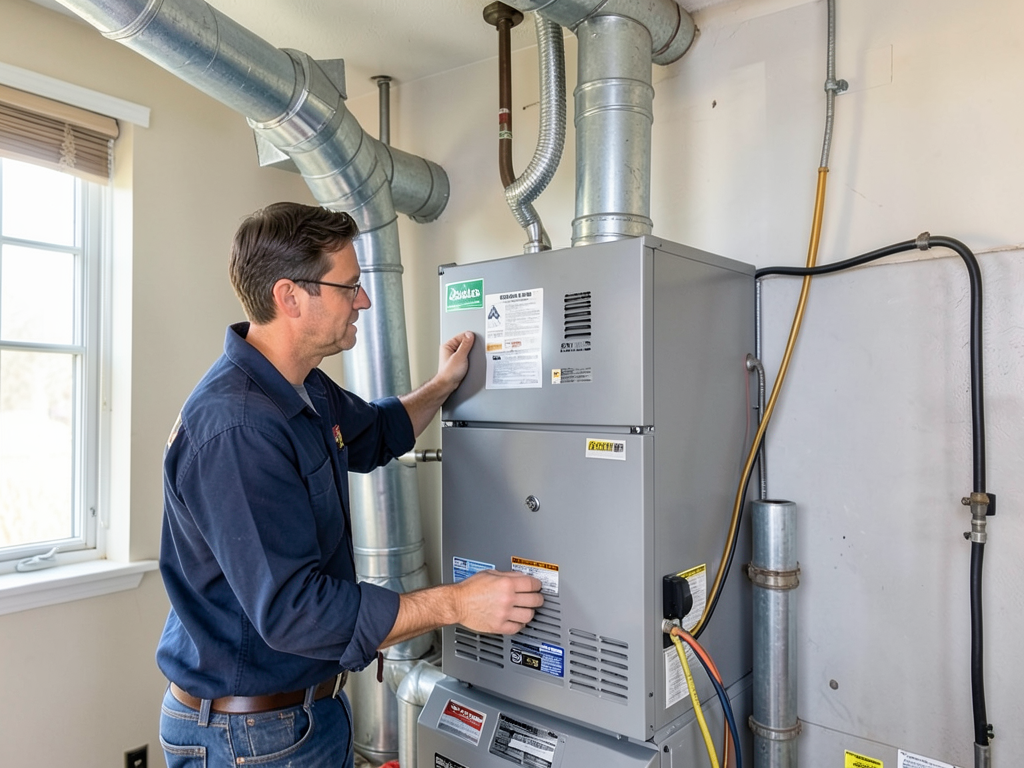
Commercial heating services differ fundamentally from residential work. We approach your system as critical infrastructure. Our process starts with load calculations and thermal imaging to identify heat loss patterns. A 20,000 CFM rooftop unit requires different diagnostic protocols than a residential furnace.

We analyze supply air temperatures, return air temperatures, and temperature differential across heat exchangers. On gas-fired equipment, we measure combustion efficiency with flue gas analyzers. Carbon monoxide levels, oxygen content, and stack temperature tell us whether your burners are operating within manufacturer specifications. On boiler systems, we test water chemistry, check expansion tank pre-charge, and verify pressure relief valve operation.

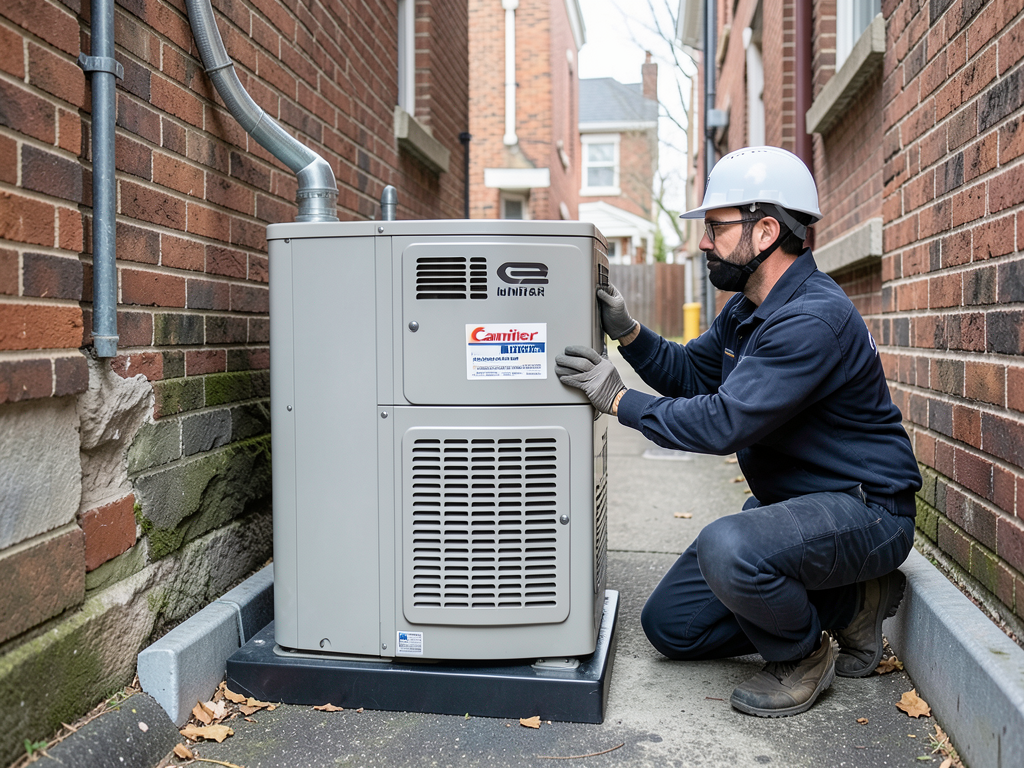
For packaged rooftop units common in Hartford commercial buildings, we inspect economizer dampers, verify mixed air temperatures, and test heating staging sequences. Many commercial heating solutions involve multi-stage heating with backup electric elements. If stage two fails to energize, your system runs continuously without reaching setpoint, wasting energy and reducing component life.

We document baseline performance metrics so you can track system degradation over time. A healthy rooftop unit should maintain supply air temperatures within 5°F of setpoint under design conditions. When that margin widens to 10°F or 15°F, you need intervention before complete failure.

Our commercial heating contractors carry diagnostic equipment specific to commercial systems. Refrigerant manifolds rated for R-410A, combustion analyzers, differential pressure gauges, and amp clamp meters are standard tools. We also maintain relationships with equipment manufacturers, which gives us access to technical support and proprietary parts unavailable through supply houses.

Emergency commercial heating services mean we arrive with the parts inventory to complete repairs on first visit. A failed gas valve or pressure switch does not require a return trip.

What Happens When You Call for Commercial Heating Support

Commercial Heating Services in Hartford – Minimize Downtime, Maximize ROI
01

Facility Assessment and Load Analysis

We dispatch a commercial specialist to evaluate your building's heating infrastructure. This includes measuring square footage, identifying occupancy patterns, and cataloging existing equipment. For retrofit projects, we perform Manual J load calculations adjusted for commercial applications. You receive a written assessment that identifies capacity shortfalls, efficiency opportunities, and compliance gaps. This data drives equipment selection and system design decisions that align with your operational requirements and budget constraints.
02

System Design and Equipment Specification

Our engineering team designs heating systems that match your facility's thermal profile. We specify equipment capacity, select distribution methods, and plan control strategies. A warehouse needs different solutions than an office building. We account for ceiling height, insulation values, and ventilation requirements. You receive stamped drawings that meet Hartford building code requirements, equipment submittals for approval, and a detailed scope of work. This phase ensures your system meets both performance standards and regulatory compliance before installation begins.
03

Installation and Commissioning

Our installation crews work during off-hours to minimize business disruption. We coordinate with your facility manager to sequence work around production schedules. After mechanical installation, we commission the system by testing all heating modes, verifying control sequences, and documenting performance data. You receive operating manuals, maintenance schedules, and training for your staff. We conduct a final walkthrough to confirm the system meets design specifications and your building maintains setpoint temperatures under peak load conditions.

Why Hartford Businesses Choose Liberty HVAC for Commercial Heating Projects

Commercial heating work requires licensing, insurance, and technical expertise beyond residential service. Liberty HVAC Hartford maintains the credentials to work on systems exceeding 250,000 BTU input. We understand Hartford's building code requirements for commercial installations, including ventilation rates, combustion air provisions, and emergency shutdown protocols.

Our technicians receive manufacturer training on equipment common to Hartford commercial buildings. Trane, Carrier, Lennox, and York rooftop units require specific knowledge of control boards, staging logic, and refrigerant circuits. We also service older equipment like Williamson furnaces and Weil-McLain boilers still operating in Hartford's industrial corridor.

Hartford's commercial building stock includes everything from pre-war brick structures Downtown to modern tilt-up construction in the suburbs. Older buildings present unique challenges. Steam heating systems require specialized piping knowledge. Gravity hot air furnaces lack modern safety controls. Retrofitting these buildings with modern commercial heating solutions demands creativity and experience.

We maintain parts inventory for commercial equipment because supply chain delays cost you money. A failed inducer motor on a 400,000 BTU rooftop unit can shut down an entire building. We stock motors, gas valves, control boards, and ignitors for common commercial models. Our service vehicles carry diagnostic equipment and tools sized for commercial work.

Business continuity matters more than price per BTU. A heating failure during operating hours affects employee productivity, product quality, and customer experience. We provide emergency commercial heating services with two-hour response times for established clients. Our dispatch system prioritizes calls based on business impact, not arrival order.

We also offer preventive maintenance contracts that reduce emergency calls. Scheduled inspections catch small problems before they cause downtime. Filter changes, belt adjustments, and control calibration extend equipment life and maintain efficiency.

What You Can Expect From Our Commercial Heating Services

Rapid Response for Equipment Failures

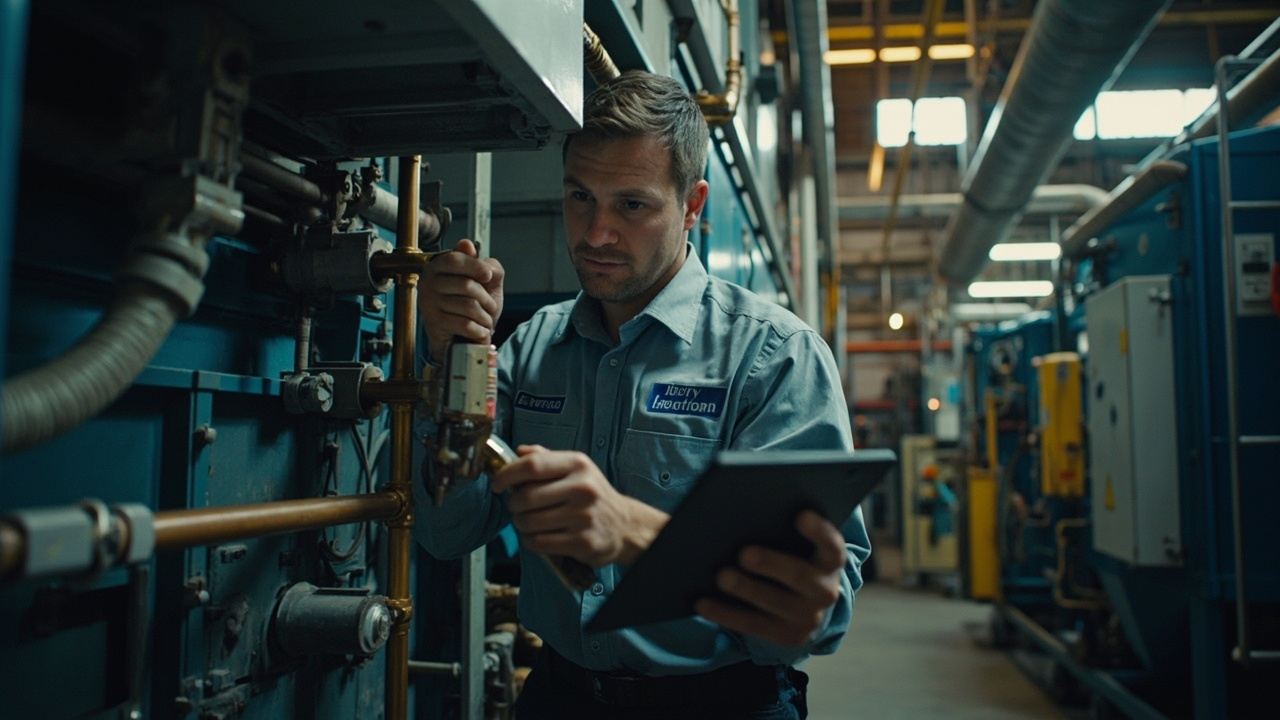
Commercial heating emergencies receive priority dispatch. When your system fails, we mobilize a technician with commercial experience and the diagnostic tools to identify the problem quickly. Our service vehicles stock parts for common commercial failures. Most emergency repairs are completed during the first visit. For complex problems requiring fabrication or special order parts, we provide temporary heating solutions to keep your facility operational. We communicate directly with your facility manager and provide realistic timelines. You will not wait days for answers or parts. Our goal is restoring heat and minimizing business disruption.

Detailed System Diagnostics and Reporting

We document every service call with written reports that include findings, actions taken, and recommendations. For diagnostic visits, you receive a comprehensive assessment that identifies the root cause, not just symptoms. We photograph failed components, record operating pressures and temperatures, and test electrical circuits. This documentation helps you make informed decisions about repairs versus replacement. On larger projects, we provide cost analysis comparing repair costs to new equipment installation. You also receive copies of all permits, inspection reports, and code compliance documentation required for your records.

Performance Verification and Testing

After installation or major repairs, we verify system performance under actual load conditions. This includes measuring supply air temperatures across all zones, confirming proper airflow volumes, and testing control sequences through complete heating cycles. We use calibrated instruments to document baseline performance data. For new installations, we conduct a full commissioning process that tests all safety controls, verifies refrigerant charge, and confirms proper combustion on gas-fired equipment. You receive a performance report showing your system meets design specifications and manufacturer requirements. This documentation protects your investment and provides a baseline for future maintenance.

Preventive Maintenance Programs

Scheduled maintenance prevents the majority of commercial heating failures. Our maintenance contracts include seasonal inspections timed before Hartford's heating season begins. We clean burners, test safety controls, calibrate thermostats, replace filters, and lubricate motors. You receive a detailed inspection report after each visit that identifies potential problems before they cause downtime. Maintenance contracts also include priority emergency service and discounted repair rates. We track your equipment history and recommend replacements based on actual performance data, not arbitrary timelines. Regular maintenance extends equipment life and maintains efficiency, reducing your long-term operating costs.

Frequently Asked Questions

You Have Questions,
We Have Answers

What is the $5000 rule for HVAC? +

The $5,000 rule refers to IRS tax code Section 179, which allows businesses to expense HVAC equipment purchases under $5,000 in a single tax year rather than depreciating them over time. For commercial properties in Hartford, this means qualifying repairs, replacements, or small equipment upgrades can be written off immediately, improving cash flow. Purchases exceeding $5,000 typically require capitalization and multi-year depreciation. Consult your tax advisor to confirm eligibility, as commercial building improvements may qualify for additional deductions like the Section 179D energy-efficient building deduction available in Connecticut.

What is the best way to heat a commercial building? +

The optimal heating method depends on your building type, occupancy, and Hartford's cold winters. Forced-air gas furnaces offer fast heat distribution for warehouses and retail spaces. Boiler systems with radiant heat provide consistent warmth for multi-story office buildings. Heat pumps work well for moderate climates but may require backup heating during Connecticut's sub-zero stretches. Variable Refrigerant Flow (VRF) systems deliver zone-specific control for mixed-use properties. Your choice should balance upfront costs, fuel availability, building insulation, and operational efficiency. A qualified contractor evaluates your specific load requirements and Hartford building codes.

How much is a commercial HVAC? +

Commercial HVAC systems range widely based on building size, system type, and complexity. A small retail space might require a rooftop unit in the $10,000-$25,000 range installed. Larger office buildings or manufacturing facilities may need multi-zone systems costing $50,000-$200,000 or more. Hartford projects face additional costs for equipment rated for cold-weather performance and potential historic building compliance. Variables include ductwork modifications, electrical upgrades, crane access for rooftop installations, and seasonal labor rates. Request detailed proposals from multiple contractors who understand Connecticut commercial building requirements.

How much does it cost to service a commercial boiler? +

Commercial boiler servicing in Hartford typically costs $300-$800 per visit, depending on boiler size, fuel type, and maintenance scope. Annual maintenance includes combustion analysis, safety control testing, burner cleaning, and efficiency checks. Larger systems serving multi-story buildings or industrial facilities cost more due to complexity and time requirements. Hartford's freeze-thaw cycles and hard water conditions increase wear, making routine service critical for preventing mid-winter failures. Buildings with outdated boilers may need additional repairs. Establish a preventive maintenance contract to reduce emergency service costs and extend equipment lifespan during Connecticut's demanding heating season.

How much does a HVAC system cost for 4000 square feet? +

A commercial HVAC system for 4,000 square feet costs $20,000-$60,000 installed, depending on system type, building use, and insulation quality. Office spaces with standard occupancy loads sit at the lower end. Restaurants, medical facilities, or buildings with high ceilings require more capacity and ventilation, increasing costs. Hartford projects must account for heating capacity to handle Connecticut winters and potential dehumidification for humid summers. Ductwork installation, electrical service upgrades, and rooftop equipment access affect final pricing. Specify energy-efficient equipment to qualify for utility rebates and reduce long-term operating costs.

What is the 2 foot rule for HVAC? +

The 2-foot rule requires maintaining 24 inches of clearance around HVAC equipment for safe maintenance access, proper airflow, and fire code compliance. This applies to furnaces, air handlers, condensers, and electrical panels in mechanical rooms. Hartford commercial properties must follow Connecticut building codes and NFPA standards, which enforce this spacing for technician safety and equipment efficiency. Blocked clearances restrict airflow, reduce system performance, and create liability during inspections. Rooftop units need similar clearances plus additional space for crane access during replacements. Plan mechanical room layouts to meet code before installation.

Why don't contractors like heat pumps? +

Contractors express concerns about heat pumps due to reduced efficiency in extreme cold, higher repair costs, and customer dissatisfaction during polar vortex events common in Hartford. Traditional systems require less emergency service during Connecticut winters when backup heat strips drive up electric bills. However, modern cold-climate heat pumps perform well to -15°F, making them viable for commercial applications when properly sized. The real issue is misapplication. Contractors who install undersized units or skip backup heating create callbacks. When specified correctly for Hartford's climate, heat pumps deliver excellent efficiency and lower operating costs.

Which HVAC system is best for commercial building? +

Variable Refrigerant Flow (VRF) systems offer superior performance for most commercial buildings due to zone-specific control, energy efficiency, and quiet operation. Hartford office buildings, medical facilities, and retail spaces benefit from simultaneous heating and cooling in different zones. Rooftop units (RTUs) work well for single-story warehouses and big-box retail requiring simple, reliable heating and cooling. Boiler systems with chiller plants suit larger institutional buildings. Your selection depends on building layout, occupancy patterns, and budget. Connecticut's temperature extremes require systems rated for cold-weather performance and proper sizing by qualified engineers.

What is the IRS deduction for energy efficient commercial buildings? +

The Section 179D deduction allows commercial building owners to claim up to $5.00 per square foot for energy-efficient improvements installed after 2022. Hartford property owners can deduct costs for qualifying HVAC, lighting, and building envelope upgrades that reduce energy consumption by specific percentages. The deduction applies to new construction and retrofits. Buildings must meet prevailing wage requirements for maximum deductions. Connecticut commercial properties pursuing LEED certification or deep energy retrofits should work with qualified engineers who can certify improvements and maximize tax benefits. Consult a tax professional familiar with commercial real estate.

How much to install a commercial HVAC? +

Commercial HVAC installation costs $15-$35 per square foot in Hartford, depending on system complexity and building type. A 5,000-square-foot office might cost $75,000-$175,000 for complete replacement including ductwork, controls, and startup. Retail spaces with open layouts cost less. Multi-story buildings with existing mechanical systems require demolition, rigging, and structural modifications that increase pricing. Hartford projects face seasonal scheduling challenges and potential historic district approvals. Cost factors include equipment tonnage, ductwork condition, electrical capacity, crane rentals for rooftop units, and Connecticut prevailing wage requirements for certain projects.

How Hartford's Heating Degree Days Impact Commercial Energy Costs

Hartford averages over 6,200 heating degree days annually, ranking among the highest heating loads in Connecticut. This sustained cold means commercial heating systems operate continuously from November through March. Buildings with inefficient equipment or poor insulation face energy costs that consume significant portions of operating budgets. Industrial facilities in the Parkville and Frog Hollow neighborhoods, where many buildings predate modern energy codes, struggle with heat loss through single-pane windows and uninsulated masonry walls. Upgrading to high-efficiency commercial heating solutions reduces fuel consumption by 20 to 30 percent, directly improving your bottom line. The payback period on modern equipment often falls under five years when you factor in reduced maintenance and emergency repair costs.

Hartford enforces Connecticut's energy code requirements for commercial buildings, which mandate minimum efficiency standards for new heating equipment. Replacement units must meet AFUE ratings of 90 percent or higher for furnaces and boilers. Rooftop units require economizers for free cooling when outdoor temperatures permit. Working with commercial heating contractors who understand these code requirements prevents costly reinstallation or failed inspections. Liberty HVAC Hartford maintains relationships with Hartford's building inspection department and submits permit applications that meet all regulatory requirements. Our familiarity with local code officials streamlines the approval process, preventing project delays that cost you money.
HVAC Services in The Hartford Area

Liberty HVAC Hartford proudly serves the entire Hartford area and surrounding communities. We're a local business dedicated to our neighbors' comfort. Use the map below to pinpoint our location or to confirm that your home or business is within our primary service area. We are always ready to dispatch a professional, certified technician directly to your door for any heating or cooling need you may have, ensuring prompt and convenient service every single time.

Address:
Liberty HVAC Hartford, 15 N Main St, Hartford, CT, 06107

Additional Services We Offer

Our news updates

Latest Articles & News from The Blogs

Emergency Kitchen Exhaust and HVAC Repair for Downtown Hartford Restaurants When your kitchen exhaust system fails during a dinner rush…

Emergency Kitchen Exhaust and HVAC Repair for Downtown Hartford Restaurants

Emergency Kitchen Exhaust and HVAC Repair for Downtown Hartford Restaurants When your kitchen exhaust system fails during a dinner rush…

Why High Velocity Air Conditioning is the Best Choice for Historic Wethersfield Homes

Expert High Velocity AC Installation in Wethersfield, CT Historic Wethersfield homes built before 1950 often lack the space for traditional…

Keeping Your West End Mini Split Running Smoothly with a Professional Deep Clean

Professional Mini Split Cleaning in West End Hartford, CT Your mini split works hard to keep your West End home…

Contact Us

Do not let a heating failure disrupt your business operations. Call Liberty HVAC Hartford now at (959) 203-9992 for immediate commercial heating support. Our commercial specialists are ready to diagnose your problem and restore heat to your facility.