




New Britain sits in central Connecticut where lake effect weather patterns from the Berkshires collide with coastal humidity. Winter temperatures drop below 15 degrees with wind chills that test every furnace's capacity. Summers spike above 90 degrees with humidity that makes air conditioners run nonstop. Spring and fall bring rapid temperature swings that stress heat pumps switching between modes.
The city's housing stock adds another layer of complexity. Older homes near West Main Street and the South End feature outdated ductwork, undersized return vents, and aging boilers that were never designed for modern efficiency standards. Post-war construction around Stanley Quarter has aluminum wiring concerns that affect HVAC electrical loads. Newer developments near Shuttle Meadow need precision balancing to handle open floor plans.
Connecticut building codes require specific ventilation rates and carbon monoxide detection that impact system design. Homes built before 1980 often need electrical panel upgrades to handle modern heat pumps. The freeze line sits 42 inches deep here, affecting ground source systems and outdoor unit placement. New Britain's clay-heavy soil retains moisture, creating condensation issues in basements where many furnaces live. These conditions mean your HVAC equipment works harder and needs more attention than systems in milder climates.
We built our reputation fixing what others couldn't. When a furnace quits at midnight in January or an air conditioner fails during a July heat wave, New Britain calls us because we show up ready to work. Our technicians carry parts for every major brand on their trucks. We stock motors, capacitors, contactors, thermostats, and igniters because waiting days for a part order is unacceptable when your family needs heat or cooling.
Every technician on our team holds North American Technician Excellence certification and completes 40 hours of continuing education annually. We understand how New Britain's specific climate affects equipment performance. We know which brands hold up best in humid basements. We recognize when ductwork needs modification to handle Connecticut's temperature extremes. We spot electrical issues before they become safety hazards.
We serve New Britain with the same commitment we bring to every Hartford County community. When we quote a repair, we explain exactly what failed, why it failed, and what it takes to fix it right. No upselling. No scare tactics. We show you the broken part and walk through your options. If replacement makes more sense than repair, we tell you. If a simple fix solves the problem, we do that instead.
Our relationship with New Britain goes beyond emergency calls. We maintain systems in the historic homes around Walnut Hill Park and the apartment complexes near downtown. We install new equipment in renovated Victorians and modern builds. We return to check on our work because your comfort matters more than a single transaction. When you call Liberty HVAC Hartford, you get technicians who take pride in solving problems and keeping their word.

When your system fails, we dispatch immediately. Most New Britain emergency calls get a technician on site within two hours. We stock our trucks with the parts needed for 90% of repairs, which means we fix most problems on the first visit without waiting for special orders or callbacks.

Every technician carries NATE certification and undergoes continuous training on new equipment and techniques. We understand how Connecticut's climate affects HVAC performance and what it takes to keep systems running efficiently through extreme temperature swings, high humidity, and demanding heating seasons.
We show you the failed component and explain what happened in plain language. You get a clear quote before we start work. We walk through repair versus replacement options with honest recommendations based on your system's condition and your budget, not our profit margin.
We know the HVAC challenges specific to New Britain's neighborhoods. From outdated ductwork in South End homes to ventilation issues in converted industrial buildings downtown, we've diagnosed and fixed the problems that come with this city's unique housing stock and weather patterns.
Liberty HVAC Hartford handles every heating and cooling need in New Britain homes and businesses. We repair and install furnaces, air conditioners, heat pumps, ductless mini-splits, and boilers. We service both residential and commercial properties from single-family homes to multi-unit buildings and retail spaces.
Our services break down into three core areas based on urgency and system type. Emergency repairs get you back to comfort fast when equipment fails. Planned installations and replacements let you upgrade aging systems before they break down. Maintenance and tune-ups catch problems early and keep equipment running efficiently. Each service category requires different expertise and timing, but all share the same commitment to quality workmanship and honest communication.
We work on all major brands including Carrier, Trane, Lennox, Rheem, Goodman, York, and Bryant. Whether you need a simple thermostat replacement, a complex ductwork modification, or a complete system installation, we bring the same attention to detail and technical expertise. Our central air repair work includes refrigerant leak detection, compressor replacement, and evaporator coil service. AC service covers everything from filter changes to complete system diagnostics. HVAC repair encompasses both heating and cooling problems since many systems share components.
When your furnace quits during a cold snap or your air conditioner fails in summer heat, you need immediate help. We dispatch technicians within hours, not days. Our trucks carry the parts for most common failures including motors, capacitors, igniters, thermostats, and contactors. We diagnose the problem, explain what failed, and get your system running again. Air conditioner repair often involves refrigerant issues, compressor problems, or electrical failures. Furnace repairs typically address ignition systems, blower motors, or heat exchanger concerns.
Replacing an HVAC system involves careful sizing, ductwork evaluation, and proper installation. We calculate heating and cooling loads based on your home's square footage, insulation, windows, and orientation. We recommend equipment that matches New Britain's climate demands without oversizing, which wastes energy and causes humidity problems. Installation includes electrical work, refrigerant line sets, condensate drainage, and thermostat integration. We pull permits, schedule inspections, and ensure everything meets Connecticut building codes. HVAC repair knowledge informs better installations because we know what fails and why.
Regular maintenance extends equipment life and prevents emergency breakdowns. Our tune-ups include filter replacement, coil cleaning, refrigerant level checks, electrical connection inspection, and combustion analysis on gas furnaces. We test safety controls, measure airflow, and check for carbon monoxide on heating systems. AC service includes condensate drain cleaning and outdoor unit inspection. We catch minor issues like worn contactors or weak capacitors before they cause complete system failure. Maintenance customers get priority scheduling and discounted service rates when repairs become necessary.
New Britain's climate and housing characteristics create predictable HVAC challenges. Connecticut's temperature extremes from below-zero winters to 90-degree summers stress equipment year-round. The city's older housing stock often has undersized ductwork, inadequate insulation, and outdated electrical systems that can't support modern high-efficiency equipment.
Humidity causes problems in both summer and winter. Summer condensation overwhelms drain systems in poorly maintained units. Winter condensation creates ice dams and frozen condensate lines when furnaces run continuously. Many New Britain homes have basements with high moisture levels that corrode furnace cabinets and damage ductwork. Clay soil around foundations holds water, making basement dampness worse.
Aging infrastructure plays a major role. Homes built before 1980 often have furnaces and air conditioners past their design life. Ductwork develops leaks. Insulation settles and loses effectiveness. Electrical panels can't handle the amperage modern heat pumps require. These problems compound each other, creating comfort issues and high utility bills. Understanding what typically fails helps homeowners recognize warning signs before minor issues become expensive emergencies.
High-efficiency furnaces produce condensation that drains through PVC pipes. When these drain lines freeze in unheated spaces or exterior walls, the furnace shuts down on a safety limit. New Britain's sub-zero temperatures freeze poorly insulated drain lines, causing no-heat emergencies. We reroute drains away from cold zones and add heat trace cable where necessary.
Older New Britain homes often have ductwork designed for smaller, less efficient equipment. When homeowners upgrade to modern furnaces or heat pumps, the existing ducts restrict airflow. This causes short cycling, uneven temperatures, and premature equipment failure. Proper duct sizing requires measuring return air, adding vents, and sometimes redesigning the entire distribution system.
Air conditioner compressors fail prematurely when electrical supply is unstable. Voltage drops during peak demand, loose connections at the disconnect box, or corroded contactors create electrical stress. Connecticut's humid climate accelerates corrosion on outdoor unit electrical components. We test voltage under load and replace contactors and capacitors before they damage expensive compressors.
New Britain's clay soil and high water table create damp basements where many furnaces and air handlers are located. Moisture corrodes furnace cabinets, rusts ductwork, and damages electrical components. Condensation forms on cold supply ducts in summer, dripping onto equipment. We recommend dehumidification, proper drainage, and equipment platforms to protect HVAC systems from moisture damage.
When your HVAC system fails or needs service, you want straight answers and fast action. We answer calls promptly, schedule service quickly, and communicate clearly throughout the process. You'll talk to a real person who understands HVAC, not a call center reading a script.
For emergency repairs, we dispatch a technician to your New Britain location as quickly as possible, usually within two hours. We call ahead with an estimated arrival time and the technician's name. Our technicians arrive in marked trucks with the tools and parts needed for most repairs.
For installations and planned replacements, we schedule a home visit to assess your needs, measure your space, and discuss options. We provide written quotes that break down equipment costs, labor, permits, and any additional work like electrical upgrades or ductwork modifications. You get time to review the proposal and ask questions before making a decision. Once you approve the work, we schedule installation at your convenience and complete the job on time. We explain how to operate your new equipment and answer all your questions before we leave.
You'll know when we're arriving, who's coming, and what to expect. Our technicians call ahead and show up on time. They wear identification and explain what they're doing throughout the service call. If we find additional problems, we discuss them with you and get approval before proceeding. You receive a detailed invoice that lists all work performed and parts replaced. We don't surprise you with hidden charges or unexplained fees.
We don't guess. Our technicians use diagnostic tools to identify exactly what failed and why. We test electrical connections, measure refrigerant pressures, check combustion on gas furnaces, and inspect all system components. Once we identify the problem, we explain it in plain language and show you the failed part when possible. You get a firm price quote before we start repairs, and we explain your options if multiple solutions exist.
We stand behind our work with a warranty on both parts and labor. If a repair fails because of our workmanship, we return and fix it at no charge. Our installations include manufacturer warranties on equipment plus our labor guarantee. We follow up after major repairs and installations to ensure your system is performing correctly. Your satisfaction matters because we build our business on repeat customers and referrals.
We designed our service process around speed and transparency. From your first call to final payment, you'll know exactly what's happening and why.
When you call Liberty HVAC Hartford, you describe the problem and we schedule service based on urgency. Emergency calls get same-day dispatch. Routine maintenance gets scheduled at your convenience. We call ahead with the technician's arrival window and keep you updated if anything changes. You'll get the technician's name and a description of the truck so you know who to expect.
Our technician arrives with tools and common parts already on the truck. We inspect your system, run diagnostics, and identify the problem. You get a clear explanation of what failed, why it failed, and what it takes to fix it. We provide a written quote for the repair and answer all your questions. Once you approve, we start work immediately if parts are on hand.
We complete the repair using quality parts and proven techniques. After replacing components, we test the entire system to ensure proper operation. We check airflow, measure temperatures, test safety controls, and verify performance. You receive a detailed invoice explaining all work performed. We clean up the work area and haul away old parts. Before leaving, we demonstrate that your system works correctly and answer any remaining questions.
Connecticut enforces specific building codes and standards for HVAC installation and repair that protect homeowners and ensure system safety. The state follows the International Mechanical Code with Connecticut-specific amendments that address climate, energy efficiency, and safety concerns unique to the region.
All HVAC work in New Britain requires permits from the local building department. This includes equipment replacement, major repairs involving refrigerant, ductwork modifications, and gas line work. Permits trigger inspections that verify installations meet code requirements. Unlicensed contractors often skip permits to save time and money, but this creates liability issues and code violations that surface during home sales.
Connecticut requires specific ventilation rates based on home size and occupancy. Mechanical ventilation standards increased in recent years to address indoor air quality in tighter, more energy-efficient homes. Systems must provide fresh air intake while exhausting stale air, maintaining proper pressure balance. Carbon monoxide detectors are mandatory in homes with fuel-burning appliances, positioned according to state fire code.
Refrigerant handling follows EPA Section 608 regulations. Technicians must hold EPA certification to purchase, handle, or dispose of refrigerants. Connecticut prohibits venting refrigerants to atmosphere and requires recovery during service or disposal. R-22 refrigerant, common in older systems, is no longer produced domestically. Systems using R-22 can still be repaired, but refrigerant costs continue rising as supply dwindles.
Electrical work for HVAC installations must meet National Electrical Code standards. Many modern heat pumps and high-efficiency air conditioners require dedicated circuits with appropriate wire gauge and breaker sizing. Older homes often need electrical panel upgrades to support new equipment safely. Connecticut requires licensed electricians for this work when it extends beyond the equipment disconnect.
Gas furnace installations follow strict combustion air and venting requirements. Furnaces need adequate combustion air from outside or from sufficient interior space. High-efficiency furnaces use PVC venting that must be properly sized, sloped, and supported. Vent terminations must be positioned away from windows, doors, and air intakes according to manufacturer specifications and code minimums.
New Britain requires permits for HVAC equipment replacement, refrigerant work, and ductwork modifications. The building department schedules inspections to verify code compliance before you can operate new equipment. Permit fees vary based on project scope. Work completed without permits creates problems during home sales and insurance claims. Always verify your contractor pulls required permits.
HVAC costs depend on equipment efficiency, system size, installation complexity, and necessary modifications. High-efficiency systems cost more upfront but reduce utility bills. Homes needing electrical upgrades, ductwork modifications, or structural changes for equipment placement increase project costs. Quality installation adds value through better performance and longer equipment life. Choosing the cheapest bid often means undersized equipment or shortcuts that create future problems.
Furnaces typically last 15 to 20 years with proper maintenance. Air conditioners average 12 to 15 years. Heat pumps run 10 to 15 years depending on usage. New Britain's climate demands heavy equipment use, which shortens lifespan compared to milder regions. Regular maintenance extends equipment life by catching minor issues early. Neglected systems fail prematurely and cost more to operate.
Connecticut requires HVAC contractors to hold state licenses demonstrating technical competence and insurance coverage. Technicians should carry NATE certification proving expertise in specific equipment types. EPA Section 608 certification is mandatory for refrigerant work. Verify your contractor's credentials before allowing work on your system. Licensed contractors carry insurance that protects you from liability if accidents occur during service.
Expert overview of HVAC repair and service in New Britain, Connecticut covering furnace repair, air conditioner service, heat pump maintenance, and central air repair. Learn about common heating and cooling problems specific to New Britain's climate, Connecticut building codes for HVAC installation, equipment lifespan expectations, and what to look for when choosing an HVAC contractor. Includes information about emergency service response, diagnostic procedures, and proper system maintenance for central Connecticut homes.
Liberty HVAC Hartford serves all of New Britain and the surrounding communities throughout Hartford County. Our technicians know the city's neighborhoods and the unique HVAC challenges each area presents.
Downtown New Britain features a mix of historic buildings converted to apartments, older commercial properties, and newer mixed-use developments. These buildings often have outdated HVAC systems or complex multi-zone requirements. The converted industrial spaces near Main Street need custom ductwork solutions and creative equipment placement. We've handled everything from rooftop unit replacements on commercial buildings to ductless mini-split installations in historic row houses.
The South End neighborhood includes well-maintained single-family homes built between 1920 and 1960. These houses typically have basement furnaces and central air systems added years after original construction. Ductwork often runs through uninsulated crawl spaces, causing efficiency losses. We upgrade systems here frequently, improving comfort while respecting the architectural character of these classic New England homes.
West Main Street and the areas near Walnut Hill Park feature larger Victorian and Colonial homes with complex layouts. Multiple stories and additions create zoning challenges. Original gravity heating systems have been converted to forced air, sometimes inadequately. We help homeowners in this area balance airflow, add zone controls, and upgrade to equipment that handles the square footage and architectural complexity.
The Stanley Quarter area developed after World War II with ranch and cape-style homes. These properties often have original equipment reaching end of life. Electrical services may need upgrading to support modern heat pumps. We work extensively in this area replacing aging furnaces and air conditioners with energy-efficient systems sized correctly for these modest homes.
Shuttle Meadow and the northern sections of New Britain feature newer construction from the 1980s through present day. These homes generally have adequate ductwork but may have builder-grade equipment that underperforms. We help homeowners upgrade to better systems and improve indoor air quality with advanced filtration and ventilation.
We also serve the communities surrounding New Britain including Berlin, Newington, Plainville, and Farmington. Our central location allows quick response throughout the area. Whether you live near the Hungerford Park area, close to CCSU campus, or in the residential neighborhoods around Willow Brook Park, Liberty HVAC Hartford brings the same expertise and service quality. We understand how New Britain's location in the central Connecticut valley affects weather patterns and HVAC performance. Our experience across all these neighborhoods means we've seen and solved the problems your system might develop.
HVAC systems in New Britain face unique challenges due to Connecticut's humid summers and cold winters. Your system must handle temperature swings from below freezing to above 90 degrees. Local contractors understand these demands and recommend equipment rated for this climate. New Britain homes built before 1950 often need ductwork modifications for efficient heating and cooling. Modern systems offer better energy efficiency, which matters when you run heat for six months yearly. Schedule maintenance twice annually to prepare for seasonal changes. Spring checkups prepare your AC for summer, while fall inspections ensure your furnace runs safely through winter.
New Britain requires permits for most HVAC installations and replacements through the Building Department. Your contractor must pull permits before starting work on furnaces, central air systems, and ductwork modifications. The city inspects installations to verify compliance with state building codes and safety standards. Permit fees vary based on project scope. Expect inspections within a few days of completion. Working without permits leads to fines and problems when selling your home. Choose contractors familiar with New Britain's permit process. They handle paperwork and coordinate inspections. This protects your investment and ensures your system meets safety requirements.
Professional maintenance extends your HVAC system's lifespan and prevents breakdowns during extreme weather. Schedule service in spring for cooling systems and fall for heating equipment. Technicians inspect electrical connections, test refrigerant levels, clean coils, and check airflow. They catch small problems before they become expensive repairs. Between professional visits, change filters monthly during heavy use and quarterly otherwise. Keep outdoor units clear of leaves, snow, and debris. Listen for unusual noises and watch for weak airflow or temperature inconsistencies. Address issues promptly to avoid system damage. Well-maintained systems last 15-20 years and operate more efficiently.
HVAC systems in New Britain face unique challenges due to Connecticut's humid summers and cold winters. Your system must handle temperature swings from below freezing to above 90 degrees. Local contractors understand these demands and recommend equipment rated for this climate. New Britain homes built before 1950 often need ductwork modifications for efficient heating and cooling. Modern systems offer better energy efficiency, which matters when you run heat for six months yearly. Schedule maintenance twice annually to prepare for seasonal changes. Spring checkups prepare your AC for summer, while fall inspections ensure your furnace runs safely through winter.
New Britain requires permits for most HVAC installations and replacements through the Building Department. Your contractor must pull permits before starting work on furnaces, central air systems, and ductwork modifications. The city inspects installations to verify compliance with state building codes and safety standards. Permit fees vary based on project scope. Expect inspections within a few days of completion. Working without permits leads to fines and problems when selling your home. Choose contractors familiar with New Britain's permit process. They handle paperwork and coordinate inspections. This protects your investment and ensures your system meets safety requirements.
Professional maintenance extends your HVAC system's lifespan and prevents breakdowns during extreme weather. Schedule service in spring for cooling systems and fall for heating equipment. Technicians inspect electrical connections, test refrigerant levels, clean coils, and check airflow. They catch small problems before they become expensive repairs. Between professional visits, change filters monthly during heavy use and quarterly otherwise. Keep outdoor units clear of leaves, snow, and debris. Listen for unusual noises and watch for weak airflow or temperature inconsistencies. Address issues promptly to avoid system damage. Well-maintained systems last 15-20 years and operate more efficiently.
New Britain's older housing stock presents specific HVAC challenges. Many homes lack central air and rely on window units or have outdated heating systems. Adding ductwork to homes without existing systems requires careful planning to avoid compromising structural integrity. Insulation upgrades often improve HVAC efficiency more than equipment replacements alone. Your attic, walls, and basement need proper insulation to maintain comfortable temperatures. Historic district homes face additional restrictions on exterior modifications. Consult local contractors experienced with older New Britain properties. They understand how to modernize heating and cooling while respecting your home's original construction and architectural features.
System replacement becomes necessary when repairs exceed half the cost of new equipment or your system exceeds 15 years old. Frequent breakdowns, rising energy bills, and uneven temperatures signal declining performance. New Britain's temperature extremes accelerate wear on aging systems. Modern equipment offers better efficiency ratings, which translates to lower monthly utility expenses. Heat pumps provide both heating and cooling, making them popular for moderate climates. Gas furnaces remain common for reliable winter heating. Central air conditioning adds value to your home. Get multiple quotes and compare equipment warranties. Choose appropriately sized systems for your square footage and insulation levels.
Emergency HVAC situations include no heat in winter, complete system failure during extreme temperatures, gas smells near your furnace, or electrical issues causing smoke or burning odors. Many New Britain contractors offer 24-hour emergency service for these urgent problems. Keep an emergency contact readily available during winter months. Regular maintenance reduces emergency calls by identifying failing components before they break. When your system fails, check your thermostat batteries and circuit breakers first. These simple fixes solve some problems immediately. For true emergencies, turn off your system and contact a professional. Space heaters provide temporary heat but require careful supervision.
Energy efficiency reduces your monthly utility expenses and environmental impact. Look for high SEER ratings for air conditioners and AFUE ratings for furnaces when shopping for new equipment. Programmable thermostats let you adjust temperatures based on your schedule, saving energy when you're away. Smart thermostats learn your preferences and optimize operation automatically. Proper insulation and air sealing work alongside efficient equipment to maximize savings. Ductwork leaks waste conditioned air, so seal connections and insulate ducts in unconditioned spaces. Replace filters regularly to maintain airflow. Small improvements add up to meaningful reductions in energy consumption throughout the year.
Indoor air quality affects your health and comfort. New Britain homes need proper ventilation to prevent moisture buildup and reduce allergens. Modern HVAC systems integrate air purification, humidification, and ventilation controls. Whole-house air cleaners remove particles, while UV lights kill bacteria and mold in ductwork. Dehumidifiers control moisture during humid Connecticut summers, preventing mold growth. Humidifiers add moisture during dry winter months when heating systems remove humidity from indoor air. Change filters regularly to maintain clean air circulation. Consider upgrading to MERV-rated filters for better particle capture. Balanced ventilation brings fresh outdoor air inside while exhausting stale air.
Ductless mini-split systems offer flexible heating and cooling without ductwork. These units work well for New Britain homes without existing ducts, room additions, or supplemental conditioning in specific spaces. Each indoor unit operates independently, allowing different temperatures in different rooms. Mini-splits provide both heating and cooling efficiently. Installation requires only a small hole through an exterior wall. Outdoor units connect to multiple indoor heads, making them suitable for whole-home conditioning. They operate quietly and mount high on walls to save floor space. Energy efficiency exceeds traditional systems because no ductwork means no air leakage losses.
Choose New Britain HVAC contractors based on experience, references, and local knowledge. Ask neighbors and friends for recommendations. Verify the contractor's familiarity with local building codes and permit requirements. Request detailed written estimates breaking down equipment and labor. Compare warranties on parts and workmanship. Check online reviews for consistent quality and service issues. Established local businesses have reputations to maintain and provide ongoing service. Ask about response times for service calls and emergency availability. Good contractors explain your options without pressure, answer questions clearly, and complete work on schedule. Local expertise matters for navigating New Britain's specific housing characteristics.
New Britain's older housing stock presents specific HVAC challenges. Many homes lack central air and rely on window units or have outdated heating systems. Adding ductwork to homes without existing systems requires careful planning to avoid compromising structural integrity. Insulation upgrades often improve HVAC efficiency more than equipment replacements alone. Your attic, walls, and basement need proper insulation to maintain comfortable temperatures. Historic district homes face additional restrictions on exterior modifications. Consult local contractors experienced with older New Britain properties. They understand how to modernize heating and cooling while respecting your home's original construction and architectural features.
System replacement becomes necessary when repairs exceed half the cost of new equipment or your system exceeds 15 years old. Frequent breakdowns, rising energy bills, and uneven temperatures signal declining performance. New Britain's temperature extremes accelerate wear on aging systems. Modern equipment offers better efficiency ratings, which translates to lower monthly utility expenses. Heat pumps provide both heating and cooling, making them popular for moderate climates. Gas furnaces remain common for reliable winter heating. Central air conditioning adds value to your home. Get multiple quotes and compare equipment warranties. Choose appropriately sized systems for your square footage and insulation levels.
Emergency HVAC situations include no heat in winter, complete system failure during extreme temperatures, gas smells near your furnace, or electrical issues causing smoke or burning odors. Many New Britain contractors offer 24-hour emergency service for these urgent problems. Keep an emergency contact readily available during winter months. Regular maintenance reduces emergency calls by identifying failing components before they break. When your system fails, check your thermostat batteries and circuit breakers first. These simple fixes solve some problems immediately. For true emergencies, turn off your system and contact a professional. Space heaters provide temporary heat but require careful supervision.
Energy efficiency reduces your monthly utility expenses and environmental impact. Look for high SEER ratings for air conditioners and AFUE ratings for furnaces when shopping for new equipment. Programmable thermostats let you adjust temperatures based on your schedule, saving energy when you're away. Smart thermostats learn your preferences and optimize operation automatically. Proper insulation and air sealing work alongside efficient equipment to maximize savings. Ductwork leaks waste conditioned air, so seal connections and insulate ducts in unconditioned spaces. Replace filters regularly to maintain airflow. Small improvements add up to meaningful reductions in energy consumption throughout the year.
Indoor air quality affects your health and comfort. New Britain homes need proper ventilation to prevent moisture buildup and reduce allergens. Modern HVAC systems integrate air purification, humidification, and ventilation controls. Whole-house air cleaners remove particles, while UV lights kill bacteria and mold in ductwork. Dehumidifiers control moisture during humid Connecticut summers, preventing mold growth. Humidifiers add moisture during dry winter months when heating systems remove humidity from indoor air. Change filters regularly to maintain clean air circulation. Consider upgrading to MERV-rated filters for better particle capture. Balanced ventilation brings fresh outdoor air inside while exhausting stale air.
Ductless mini-split systems offer flexible heating and cooling without ductwork. These units work well for New Britain homes without existing ducts, room additions, or supplemental conditioning in specific spaces. Each indoor unit operates independently, allowing different temperatures in different rooms. Mini-splits provide both heating and cooling efficiently. Installation requires only a small hole through an exterior wall. Outdoor units connect to multiple indoor heads, making them suitable for whole-home conditioning. They operate quietly and mount high on walls to save floor space. Energy efficiency exceeds traditional systems because no ductwork means no air leakage losses.
Choose New Britain HVAC contractors based on experience, references, and local knowledge. Ask neighbors and friends for recommendations. Verify the contractor's familiarity with local building codes and permit requirements. Request detailed written estimates breaking down equipment and labor. Compare warranties on parts and workmanship. Check online reviews for consistent quality and service issues. Established local businesses have reputations to maintain and provide ongoing service. Ask about response times for service calls and emergency availability. Good contractors explain your options without pressure, answer questions clearly, and complete work on schedule. Local expertise matters for navigating New Britain's specific housing characteristics.
Liberty HVAC Hartford proudly serves the entire Hartford area and surrounding communities. We're a local business dedicated to our neighbors' comfort. Use the map below to pinpoint our location or to confirm that your home or business is within our primary service area. We are always ready to dispatch a professional, certified technician directly to your door for any heating or cooling need you may have, ensuring prompt and convenient service every single time.
Address:
New Britain, CT, 6052
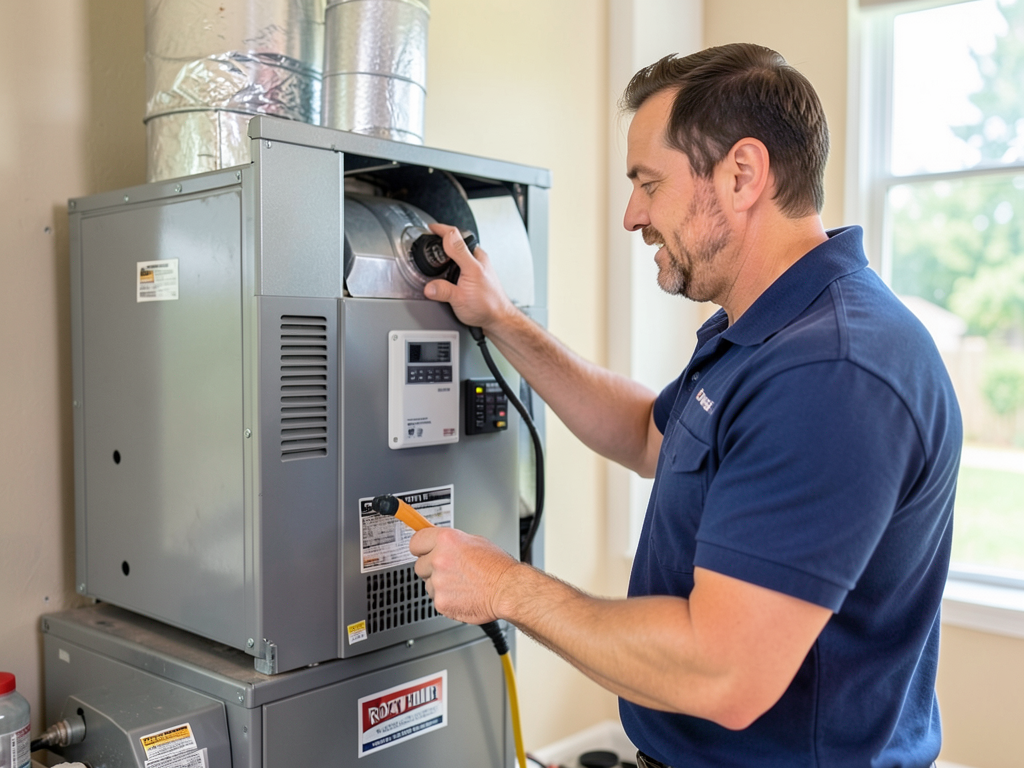
Why a Variable Speed Furnace is the Secret to Ending Hot and Cold Spots in Your Rocky Hill House Living in a home where one room feels like an icebox while another is a sauna…
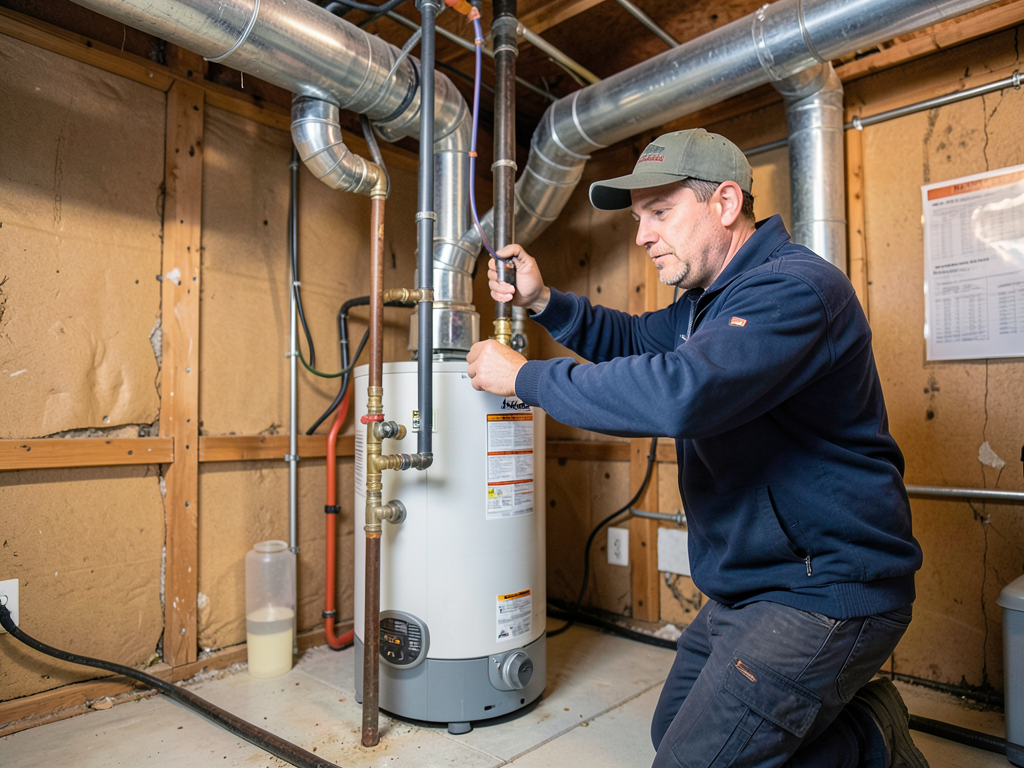
Why Farmington Winters Threaten Your Hardwood Floors Your Farmington home's oak maple or cherry floors…
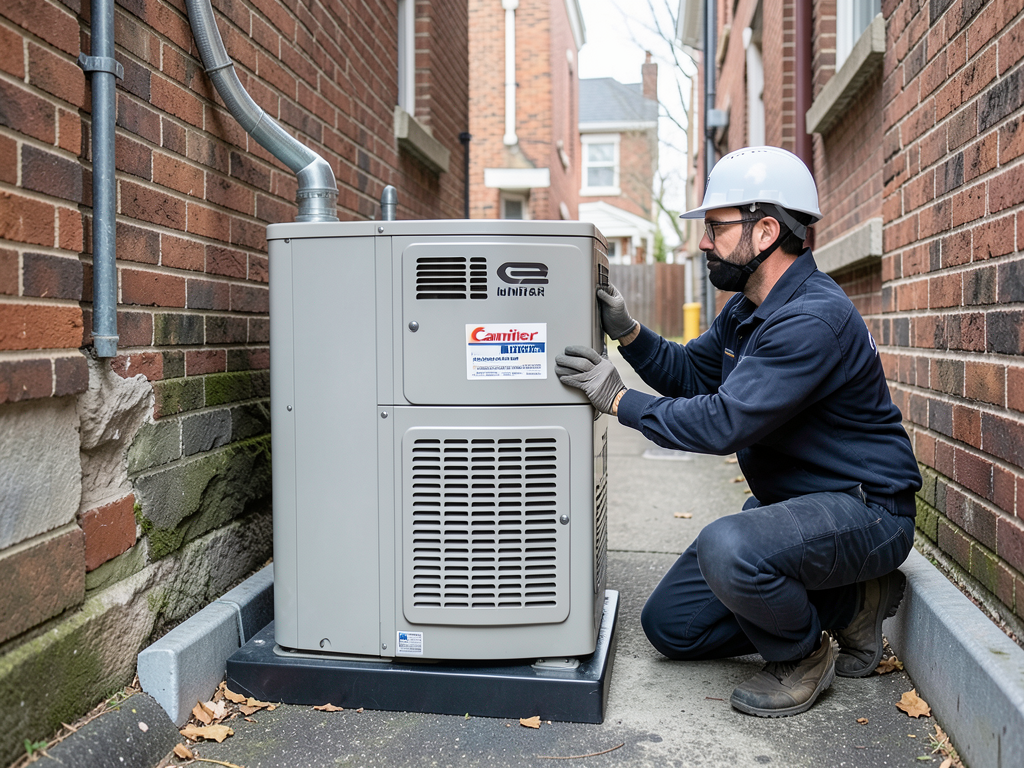
Why Sound Levels Matter in Hartford’s Blue Hills Neighborhood Living in Blue Hills means homes…
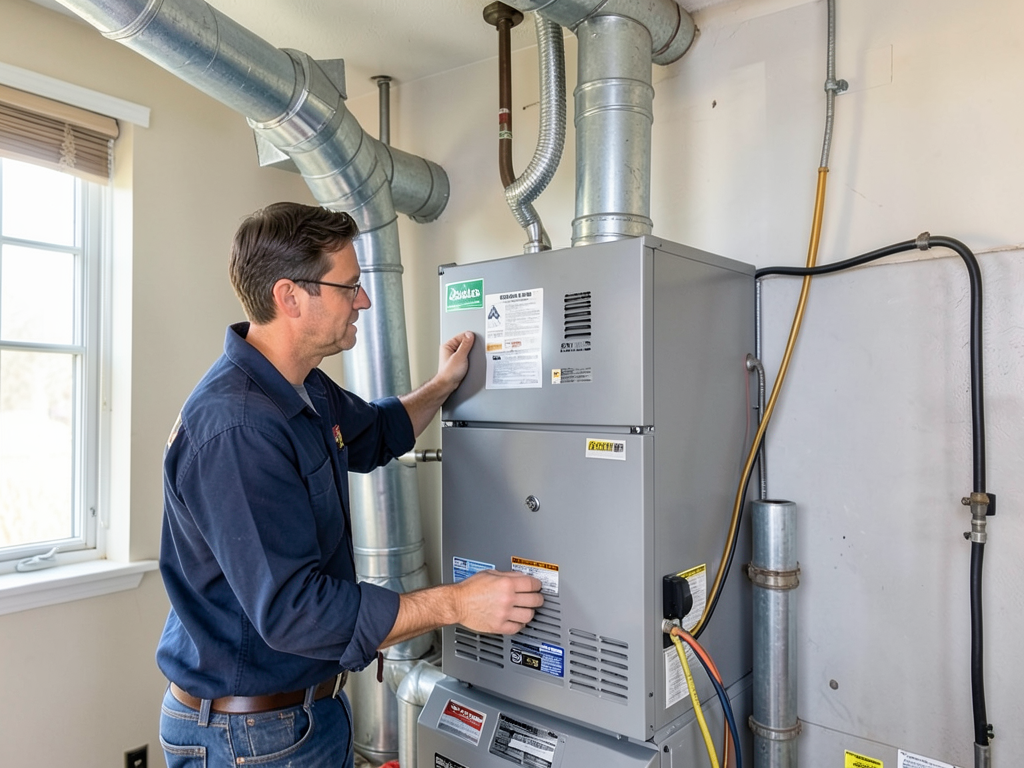
Comparing the Pros and Cons of Oil to Natural Gas Conversions in the South End…
When your heating or cooling fails, call Liberty HVAC Hartford at (959) 203-9992. We dispatch fast, diagnose accurately, and fix problems right the first time. New Britain trusts us for emergency repairs and quality installations. Call now for same-day service.