menu

Furnace Pilot Light Issues in Hartford – Expert Diagnosis and Permanent Fixes for Gas Furnace Malfunctions

Our technicians diagnose the root cause of furnace pilot light problems fast, from thermocouple failures to gas valve defects, ensuring your pilot light stays lit and your home stays warm all winter.

Slider Image 1
Slider Image 2
Slider Image 3
Slider Image 4
Slider Image 5
Slider Image 7
Slider Image 8
Slider Image 9
Slider Image 10
Slider Image 11

Why Hartford Furnaces Struggle with Pilot Light Problems

When your pilot light won't stay lit, you notice it immediately. The furnace clicks but never fires. The basement feels cold. You try relighting it three times before breakfast, and by noon, it's out again.

Hartford's freeze-thaw cycles make this worse. When overnight temperatures drop into the teens, then spike to the 40s by afternoon, your furnace works overtime. This constant cycling stresses the thermocouple, the small sensor that keeps gas flowing to the pilot. When it fails, your pilot light keeps going out.

Older homes in neighborhoods like West End and Asylum Hill often have original cast-iron furnaces from the 1970s and 1980s. These units accumulate carbon deposits on the pilot assembly. A dirty pilot orifice restricts gas flow, causing weak flames that flicker out when your basement door slams or a gust of wind hits your chimney vent.

Gas furnace pilot light malfunctions are not always mechanical. Hartford's natural gas supply varies in pressure during peak demand hours on cold mornings. If your gas valve is misadjusted or partially clogged, even a minor pressure drop can extinguish the flame.

You relight the pilot, and it works for six hours. Then it dies again. This is not normal wear. Something is wrong with the ignition system, the thermocouple, or the gas delivery mechanism. Ignoring it means waking up to a frozen house at 5 a.m. when temperatures hit single digits.

Furnace pilot light problems escalate fast in winter. You need a diagnosis, not a Band-Aid fix.

Why Hartford Furnaces Struggle with Pilot Light Problems
How We Diagnose and Repair Pilot Light Malfunctions

How We Diagnose and Repair Pilot Light Malfunctions

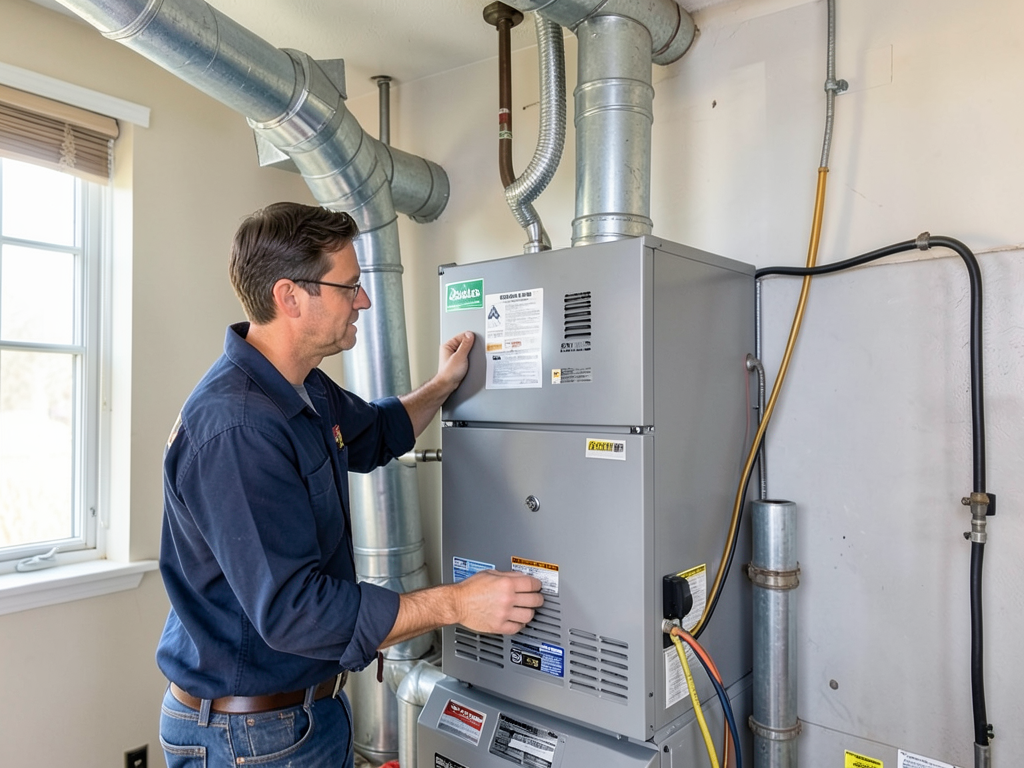
We do not guess. We test the thermocouple with a multimeter to measure millivolt output. A healthy thermocouple generates 25 to 30 millivolts when heated. Anything below 20 millivolts means the sensor is failing and cannot keep the gas valve energized.

Next, we inspect the pilot orifice. Carbon buildup restricts the gas jet, producing a weak yellow flame instead of a strong blue cone. We remove the pilot assembly, clean the orifice with a fine wire brush, and test gas pressure at the valve. If pressure is below 3.5 inches of water column, we adjust the regulator or identify blockages in the gas line.

We also check the flame sensor position. If the thermocouple tip sits too far from the flame, it never heats enough to signal the gas valve. We reposition it so the tip sits directly in the hottest part of the flame, about half an inch from the pilot burner.

Draft issues cause pilot lights to blow out. We inspect your venting system for backdrafts, damaged flue pipes, or missing draft hoods. Homes near Bushnell Park or along the Connecticut River experience higher wind loads that can reverse airflow in poorly sealed chimneys. We seal gaps and install draft diverters if needed.

If the gas valve itself is defective, we replace it. A failing valve may not hold the electromagnet engaged, even with a functional thermocouple. We use OEM parts matched to your furnace model, not universal aftermarket components that fail within months.

Once repairs are complete, we cycle your furnace ten times to confirm the pilot stays lit under load. You get a written report of what we found, what we fixed, and what to monitor going forward.

What Happens During Your Pilot Light Repair

Furnace Pilot Light Issues in Hartford – Expert Diagnosis and Permanent Fixes for Gas Furnace Malfunctions
01

Initial System Testing

We begin by observing your pilot light behavior in real time. We watch the flame color, height, and stability while monitoring thermocouple voltage. This tells us whether the issue is fuel delivery, sensor failure, or environmental. We also test your gas pressure at the inlet to rule out supply problems before disassembling any components.
02

Component-Level Diagnosis

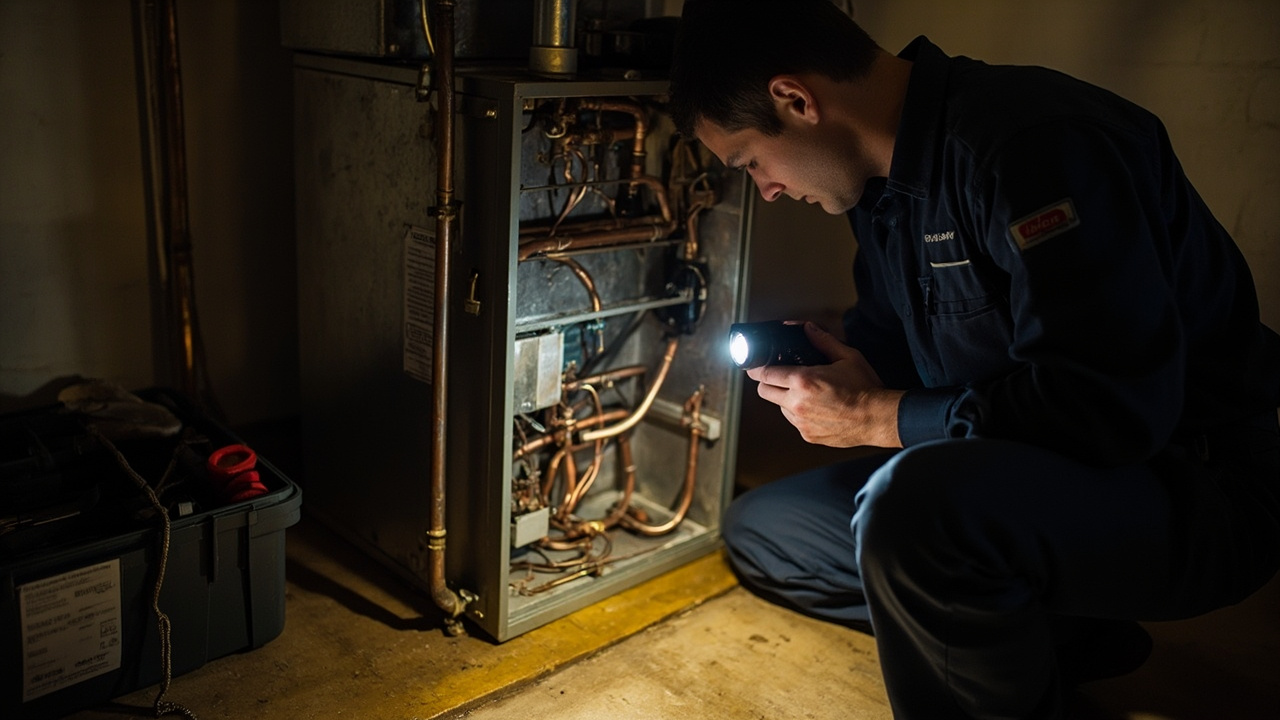
We remove the burner assembly to access the pilot orifice, thermocouple, and gas valve. Each part is inspected for corrosion, carbon deposits, and mechanical wear. We clean or replace faulty components based on test results, not assumptions. If your thermocouple reads weak voltage, we install a new one rated for your furnace's BTU output and test it under operating temperature.
03

Verification and Documentation

After reassembly, we light the pilot and monitor it for 15 minutes while the furnace cycles through heating demand. We confirm the flame stays lit during blower startup, when airflow creates turbulence. You receive a detailed report showing before-and-after voltage readings, parts replaced, and recommended maintenance intervals to prevent future failures.

Why Hartford Homeowners Choose Liberty HVAC for Pilot Light Repairs

We have repaired pilot light issues in hundreds of Hartford homes, from Victorian-era brownstones in the South End to mid-century ranches in Blue Hills. We know the quirks of old Lennox and Carrier furnaces common in this area, and we stock thermocouples and gas valves for legacy models that big-box stores stopped supporting years ago.

Hartford's housing stock is old. Many furnaces were installed before electronic ignition became standard. These standing pilot systems require specialized knowledge that younger technicians trained only on modern equipment do not have. We understand how draft hoods, natural venting, and atmospheric burners interact with your home's chimney design.

We also know local building code requirements. Hartford enforces strict combustion air and venting standards under the Connecticut State Building Code. If your pilot light keeps going out because your furnace room lacks adequate ventilation, we identify the code violation and explain your options for compliance. Ignoring ventilation issues can lead to carbon monoxide buildup, failed inspections, and insurance liability.

Our diagnostic process saves you money. Other companies replace the entire gas valve or control board without testing individual components. We isolate the exact failure point. If your thermocouple is bad but your gas valve is fine, you pay for a $40 part and 30 minutes of labor, not a $600 valve assembly you do not need.

We also respond fast. When your pilot light goes out on a Saturday night and temperatures are dropping, you cannot wait until Monday. We offer same-day service seven days a week during heating season. You call, we answer, and we arrive with the parts your furnace likely needs already on the truck.

You get honest answers, not upsells. If your furnace is 30 years old and burning through repairs, we tell you. We provide replacement options and help you make an informed decision based on your budget and timeline.

What to Expect When You Call Us

Same-Day Emergency Response

We dispatch a technician within two hours for pilot light emergencies during business hours, and within four hours for after-hours calls. When your furnace is down in January, every hour matters. We stock common thermocouple sizes, pilot assemblies, and gas valves on every service truck, so most repairs are completed in one visit. You do not wait three days for parts to arrive while your pipes freeze.

Comprehensive Diagnostic Assessment

Our technician tests your entire ignition system, not just the pilot light. We measure thermocouple voltage, gas pressure, flame characteristics, and draft conditions. We inspect your heat exchanger for cracks that could allow combustion gases to enter your home. You receive a written diagnostic report explaining what failed, why it failed, and what we recommend to prevent recurrence. No guesswork, no vague explanations.

Reliable, Long-Term Repairs

We use manufacturer-specified parts, not generic substitutes. A properly installed thermocouple lasts five to seven years. A cheap universal part fails within months. We also adjust and test your pilot flame to ensure optimal combustion. Your pilot light should burn steady blue with a small yellow tip. If it is orange or flickering, combustion is incomplete and your furnace is wasting gas. We correct it before we leave.

Preventive Maintenance Guidance

After your repair, we explain how to prevent future pilot light problems. We show you how to visually inspect your pilot flame and when to schedule annual cleaning. Most pilot light failures are caused by accumulated dirt and corrosion, which are preventable with routine maintenance. We offer annual tune-up plans that include pilot assembly cleaning, thermocouple testing, and gas pressure adjustment to catch issues before they leave you without heat.

Frequently Asked Questions

You Have Questions,
We Have Answers

What would cause a furnace pilot light to go out? +

A pilot light goes out due to several causes. A dirty or damaged thermocouple fails to sense the flame and shuts off gas flow as a safety measure. Draft issues from nearby windows or poor ventilation blow out the flame. A clogged pilot orifice restricts gas flow. Hartford's fluctuating winter temperatures cause pressure changes in gas lines, affecting pilot stability. Corroded thermocouples are common in older homes with high humidity. A weak gas supply or partially closed valve also extinguishes the pilot. If your pilot light repeatedly goes out, the furnace needs professional inspection before further damage occurs.

What are signs of a bad furnace igniter? +

A bad furnace igniter shows clear warning signs. You hear the furnace click but no flame appears. The igniter glows dimly or not at all when the thermostat calls for heat. You smell raw gas because the igniter fails to light it. Cracks appear on the ceramic igniter surface. The furnace cycles repeatedly without producing heat. Older Hartford homes with original heating systems often face igniter failures after 15-20 years. A multimeter test shows incorrect resistance readings. If the igniter draws power but does not glow bright orange, replacement is necessary to restore heat.

How do I force my furnace to start? +

Never force a furnace to start. This creates dangerous conditions. First, turn the thermostat off and wait five minutes for gas to clear. Check your circuit breaker and reset if tripped. Inspect the furnace switch near the unit. Set the thermostat above room temperature. For pilot light models, follow the manufacturer's relight instructions on the unit's access panel. Hartford's older furnaces require specific relight sequences. If the furnace still does not start, a safety control prevents ignition for a reason. Call a licensed technician. Forcing ignition risks gas buildup, carbon monoxide exposure, and equipment damage.

What are the common causes of pilot light issues? +

Pilot light issues stem from four main causes. Thermocouple failure is most common. This safety device detects the pilot flame and allows gas flow. When it fails, gas shuts off. Draft problems from cracked heat exchangers or improper venting blow out the flame. Hartford's freeze-thaw cycles cause expansion and contraction in vent pipes, creating gaps. Dirt and debris clog the pilot orifice, restricting gas. Low gas pressure from supply issues or partially closed valves starves the pilot. Corroded components from high humidity are common in Hartford basements. Each cause requires different fixes, so accurate diagnosis matters.

Will the furnace work if the pilot light is out? +

No. The furnace will not work if the pilot light is out. The pilot light ignites the main burners. Without it, gas flows but does not burn, creating a dangerous situation. Modern furnaces have safety controls that prevent gas release when the pilot is out. The thermocouple senses no flame and closes the gas valve. Your thermostat calls for heat, but the furnace stays cold. Some Hartford homes have standing pilot systems that require manual relighting. Electronic ignition systems automatically attempt restart. A pilot that will not stay lit indicates a deeper problem requiring professional diagnosis.

How do I know if my thermocouple is bad on my furnace? +

A bad thermocouple shows specific symptoms. The pilot lights but goes out when you release the control knob. The pilot flame does not fully engulf the thermocouple tip. You smell gas because the safety shuts off prematurely. The thermocouple appears corroded or has white oxidation buildup. Hartford's high humidity accelerates corrosion. A voltage test shows less than 20 millivolts when heated. The connection to the gas valve is loose or damaged. The thermocouple sits too far from the pilot flame. If cleaning and repositioning fail, replacement costs less than a service call for repeated outages.

How long do furnace igniters typically last? +

Furnace igniters last 5 to 10 years on average. Hot surface igniters (HSI) fail faster than older pilot systems due to thermal stress. Each heating cycle heats the igniter to over 2,500 degrees, then cools rapidly. Hartford's frequent temperature swings during winter increase cycle counts. Short cycling from oversized furnaces or thermostat issues reduces igniter lifespan. Vibration from blower motors cracks ceramic igniters. Power surges damage the igniter circuit. Proper furnace maintenance extends igniter life. If your furnace is 8 years old and has igniter issues, expect replacement soon. Keep a spare on hand.

How do I know if my spark ignitor is bad? +

A bad spark ignitor shows clear failure signs. You hear clicking but see no spark at the burner. The ignitor electrode appears cracked, broken, or heavily corroded. The gap between the ignitor and ground is too wide or narrow. You smell gas because ignition fails. The porcelain insulator is damaged. Hartford's humidity causes corrosion on ignitor components in basement installations. The ignition control module clicks but the ignitor does not spark. A multimeter test shows no voltage at the ignitor. If the electrode is intact but sparking weakly, the control module likely failed. Both require professional replacement.

What does a delayed ignition furnace sound like? +

Delayed ignition creates a distinct booming or banging sound. You hear the thermostat click, a pause, then a loud boom when gas finally ignites. The furnace sounds like a small explosion at startup. Hartford homeowners often describe it as a whooshing thud. This happens when gas accumulates before igniting. The delay allows unburned gas to pool, then ignite all at once. Dirty burners, weak igniters, or low gas pressure cause delays. The sound indicates dangerous conditions. Each boom stresses the heat exchanger, causing cracks. Address delayed ignition immediately to prevent carbon monoxide leaks and equipment failure.

Can hear your furnace click on but it does not fire up? +

Clicking without firing indicates ignition system failure. The thermostat signals the furnace. The gas valve clicks open. The igniter fails to light the gas, so safety controls shut everything down. Common causes include a cracked igniter, failed spark electrode, or blocked burners. Hartford's hard water causes mineral buildup on burners, blocking gas flow. A faulty flame sensor prevents ignition even when components work. Low gas pressure stops proper ignition. The ignition control board may click but send no power to the igniter. This requires diagnostic testing. Do not ignore this issue. Repeated attempts create gas buildup risks.

How Hartford's Cold Winters and Old Housing Stock Increase Pilot Light Failures

Hartford's average January low hits 17 degrees, and polar vortex events push temperatures below zero multiple times each winter. Your furnace runs almost continuously during these cold snaps, which accelerates thermocouple degradation. The constant heating and cooling cycles cause the metal sensor to weaken and lose its ability to generate voltage. Homes built before 1980, which make up a large portion of Hartford's housing stock, often have original furnaces with pilot systems that were never designed for the extended run times modern insulation and thermostat setbacks demand. The result is pilot lights that worked fine for 20 years suddenly failing every week.

Hartford enforces the Connecticut State Building Code and local amendments that require annual furnace inspections for rental properties. Landlords who ignore pilot light problems risk failed inspections, fines, and tenant complaints to the housing authority. Homeowners in historic districts like Asylum Hill face additional scrutiny when selling, as buyers often request detailed HVAC inspections. A furnace with a failing pilot light raises red flags during inspections and can delay closing. Working with local technicians who understand Hartford's code requirements and inspection standards ensures your furnace meets compliance and performs reliably when temperatures drop.
HVAC Services in The Hartford Area

Liberty HVAC Hartford proudly serves the entire Hartford area and surrounding communities. We're a local business dedicated to our neighbors' comfort. Use the map below to pinpoint our location or to confirm that your home or business is within our primary service area. We are always ready to dispatch a professional, certified technician directly to your door for any heating or cooling need you may have, ensuring prompt and convenient service every single time.

Address:
Liberty HVAC Hartford, 15 N Main St, Hartford, CT, 06107

Additional Services We Offer

Our news updates

Latest Articles & News from The Blogs

Emergency Kitchen Exhaust and HVAC Repair for Downtown Hartford Restaurants When your kitchen exhaust system fails during a dinner rush…

Emergency Kitchen Exhaust and HVAC Repair for Downtown Hartford Restaurants

Emergency Kitchen Exhaust and HVAC Repair for Downtown Hartford Restaurants When your kitchen exhaust system fails during a dinner rush…

Why High Velocity Air Conditioning is the Best Choice for Historic Wethersfield Homes

Expert High Velocity AC Installation in Wethersfield, CT Historic Wethersfield homes built before 1950 often lack the space for traditional…

Keeping Your West End Mini Split Running Smoothly with a Professional Deep Clean

Professional Mini Split Cleaning in West End Hartford, CT Your mini split works hard to keep your West End home…

Contact Us

Your furnace should not require constant relighting. Call (959) 203-9992 now for same-day diagnosis and repair. We fix pilot light problems right the first time, so you stay warm all winter without the frustration.