menu

HVAC Maintenance & Tune-Ups in Hartford – Prevent Breakdowns Before Extreme Weather Hits

Seasonal HVAC check ups protect your heating and cooling systems from Hartford's temperature swings, humidity spikes, and winter freeze events that cause emergency failures when you need comfort most.

Slider Image 1
Slider Image 2
Slider Image 3
Slider Image 4
Slider Image 5
Slider Image 7
Slider Image 8
Slider Image 9
Slider Image 10
Slider Image 11

Why Hartford's Four-Season Climate Demands Regular HVAC System Inspections

Hartford experiences temperature extremes that stress heating and cooling equipment harder than most regions. Winter lows can drop below 10°F, forcing furnaces to cycle constantly. Summer highs push past 90°F with oppressive humidity that makes air conditioners work overtime. This constant thermal stress accelerates wear on compressors, heat exchangers, and blower motors.

The freeze-thaw cycles Hartford sees each winter create moisture infiltration problems. Condensate drain lines freeze. Evaporator coils develop ice buildup. Heat exchangers crack from metal fatigue. Without HVAC preventative maintenance, these issues go undetected until your system fails during a January cold snap or August heat wave.

Hartford's urban air quality adds another layer of complexity. Pollen from the Connecticut River Valley, urban particulates, and seasonal allergens clog filters faster than manufacturers expect. Dirty filters restrict airflow, forcing blowers to work harder and reducing system efficiency by up to 15%. Your energy bills climb while your equipment ages faster.

Most Hartford homeowners wait until something breaks. They ignore strange noises, weak airflow, and temperature inconsistencies until their system quits completely. Emergency repairs cost three times more than preventative fixes. A heating and cooling tune up catches refrigerant leaks, electrical failures, and mechanical wear before they escalate into catastrophic failures that leave you without climate control when outdoor conditions are dangerous.

Regular AC and furnace maintenance extends equipment life by five to ten years. It maintains manufacturer efficiency ratings. It prevents the 2 AM emergency calls that cost you comfort, money, and sleep.

Why Hartford's Four-Season Climate Demands Regular HVAC System Inspections
How Professional HVAC Preventative Maintenance Protects Your Investment

How Professional HVAC Preventative Maintenance Protects Your Investment

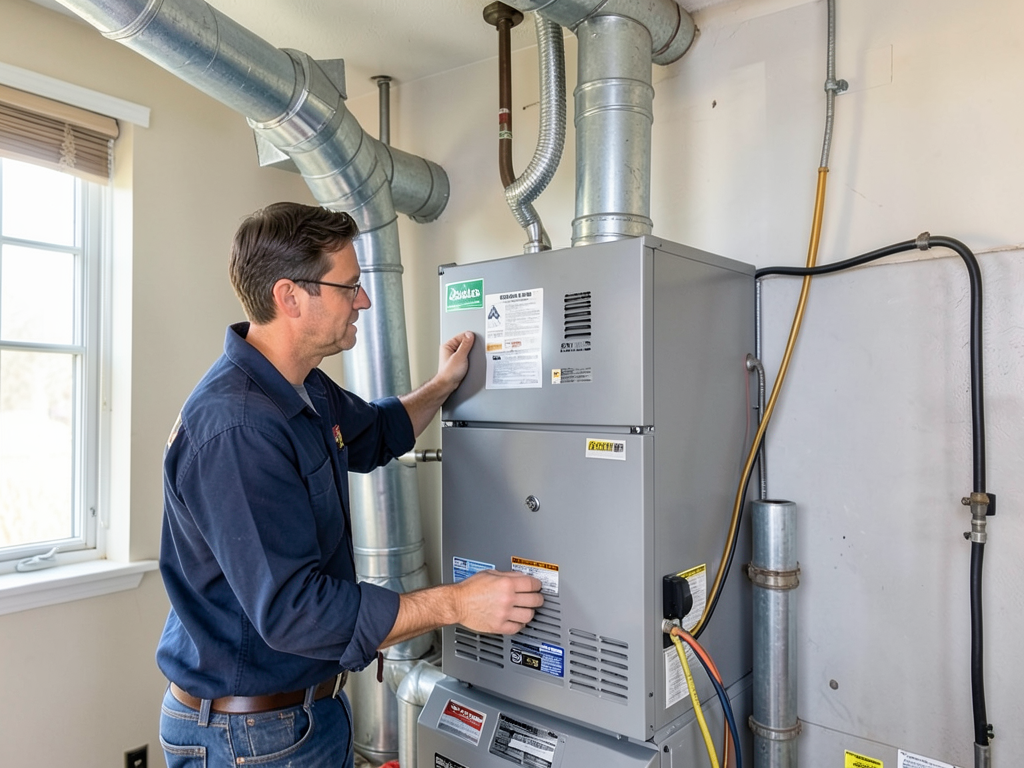
A seasonal HVAC check up is not a filter change and visual inspection. Real HVAC system inspection involves precision diagnostics that measure actual performance against factory specifications.

We start with refrigerant charge verification using manifold gauges and subcooling calculations. Low refrigerant causes compressor overheating and ice formation on evaporator coils. Overcharge reduces cooling capacity and increases energy consumption. Hartford's summer humidity makes proper refrigerant levels critical for dehumidification performance.

Next comes electrical testing. We measure voltage and amperage at the compressor, blower motor, and capacitors. Voltage drops indicate failing contactors. High amperage signals bearing wear or electrical short circuits. Capacitors lose microfarads over time, causing hard starts and motor burnout. We catch these failures before they damage expensive components.

Heat exchanger inspection requires removing blower assemblies to visually inspect for cracks, rust-through, or carbon buildup. Cracked heat exchangers leak carbon monoxide into your living space. This inspection is non-negotiable during furnace maintenance because it directly affects your family's safety.

Combustion analysis on gas furnaces measures oxygen levels, carbon monoxide output, and flue draft. We adjust gas valve pressure to manufacturer specifications. Improper combustion wastes fuel and creates dangerous exhaust gases. Hartford's older homes often have original furnaces with degraded combustion chambers that need professional evaluation.

Blower wheel cleaning removes years of accumulated dust and debris. A dirty blower wheel creates balance issues, excessive noise, and reduced airflow. We also check belt tension, pulley alignment, and bearing lubrication on belt-drive systems.

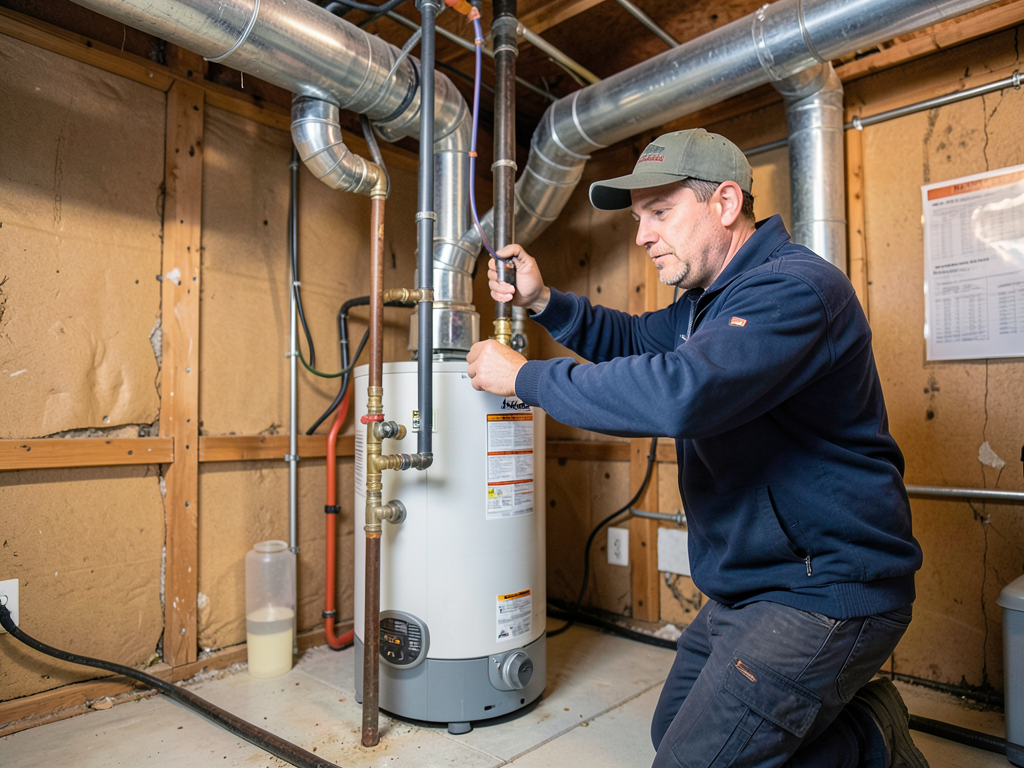
The condensate drain system gets treated with biocide tablets to prevent algae growth. Hartford's humidity creates ideal conditions for biological blockages that cause water damage to ceilings and walls.

What Happens During Your Complete System Tune Up

HVAC Maintenance & Tune-Ups in Hartford – Prevent Breakdowns Before Extreme Weather Hits
01

Comprehensive System Diagnostics

We test both your indoor and outdoor units with calibrated instruments. This includes measuring temperature differentials across coils, checking refrigerant pressures, testing electrical components under load, and documenting baseline performance metrics. You receive a detailed report showing exactly how your system performs compared to factory specifications. This data reveals developing problems months before they cause breakdowns.
02

Precision Adjustments and Cleaning

After diagnostics, we clean evaporator and condenser coils, clear condensate drains, lubricate motors, tighten electrical connections, and calibrate thermostats. Gas furnaces receive burner cleaning and flame sensor polishing. We adjust blower speeds for optimal airflow and check ductwork connections for air leaks. Hartford homes with older ductwork often lose 20% of conditioned air through gaps we can seal during maintenance visits.
03

Performance Verification and Planning

We run complete heating and cooling cycles to verify all adjustments improved performance. You get documentation of work completed, parts that need attention within the next year, and efficiency recommendations. We explain what we found in plain language and help you plan for any upcoming repairs. This prevents surprise failures and lets you budget for equipment replacement before emergency situations force rushed decisions.

Why Hartford Residents Choose Liberty HVAC Hartford for System Maintenance

Hartford's building stock ranges from 1920s colonials in the West End to modern construction in Bushnell Park area developments. Each era has unique HVAC challenges. Pre-war homes often have inadequate ductwork, undersized returns, and boiler systems retrofitted with forced air. Post-war ranch homes have crawlspace installations that Hartford's groundwater affects. Modern construction uses high-efficiency equipment that requires specialized diagnostic tools.

We have maintained HVAC systems across every Hartford neighborhood. We know which streets have chronic low voltage issues that damage compressors. We understand how homes near Bushnell Park experience different humidity patterns than properties near the Connecticut River. We recognize the ductwork configurations common to different builders and eras.

Hartford enforces Connecticut's residential building codes, which reference specific ventilation requirements and combustion air standards. We stay current on these regulations because non-compliant installations create liability issues and safety hazards. When we find code violations during maintenance, we document them and explain your options for bringing the system into compliance.

Our maintenance plans are built around Hartford's seasonal weather patterns. We schedule furnace tune ups in September and October, before heating season begins. AC maintenance happens in April and May, before summer humidity arrives. This timing ensures your equipment is ready when you need it most.

We also understand Hartford's economic realities. Equipment failures hit hardest when budgets are tight. Our preventative approach saves you money by spreading costs across the year instead of facing emergency repair bills during temperature extremes. We find the small problems when they are still small.

Local expertise matters because HVAC problems vary by geography. What works in suburban Avon does not apply to downtown Hartford's multi-family buildings. We focus exclusively on this market, which means we have seen and solved the specific challenges your system faces.

What You Get from a Complete HVAC Maintenance Visit

Scheduled Service Windows

We schedule maintenance during normal business hours with arrival windows you can plan around. Most tune ups take 90 minutes to two hours depending on system complexity and age. We call 30 minutes before arrival so you are not waiting around all day. Our maintenance calendar fills up fast during spring and fall transitions, so booking early gets you preferred time slots. We also offer early morning appointments for customers who need service before work starts.

Detailed System Evaluation

Every maintenance visit includes a written report documenting refrigerant levels, electrical readings, airflow measurements, and component conditions. We photograph any problem areas so you can see what we found. You get a priority list ranking issues by urgency and safety impact. This transparency helps you make informed decisions about repairs. We never push unnecessary services. Our goal is to keep your existing equipment running efficiently for as long as mechanically possible.

Improved Comfort and Efficiency

After maintenance, your system runs quieter, maintains more consistent temperatures, and uses less energy. Clean coils transfer heat more effectively. Calibrated thermostats respond accurately. Proper refrigerant charge ensures maximum cooling capacity. Hartford customers typically see 10% to 15% reductions in energy bills after neglected systems receive professional tune ups. You also get better humidity control, which matters during Hartford's muggy summer months when poor dehumidification makes 75°F feel like 80°F.

Ongoing Support and Planning

We maintain service records for every system we touch. This history helps us track developing problems and predict component failures. When parts need replacement, we provide options with honest assessments of repair versus replacement economics. We also help you plan equipment upgrades when systems reach end of life. Our maintenance customers get priority scheduling for repairs and preferred pricing on installations. This relationship approach means you always have an HVAC expert who knows your equipment and your home.

Frequently Asked Questions

You Have Questions,
We Have Answers

What does a HVAC tune-up include? +

A comprehensive HVAC tune-up includes inspecting and cleaning your furnace or air conditioner, checking refrigerant levels, testing thermostat accuracy, and lubricating moving parts. Technicians inspect electrical connections, tighten components, clean or replace filters, and check airflow. They examine the condensate drain for clogs and test the ignition system. In Hartford, where humidity and temperature swings stress systems year-round, tune-ups also assess ductwork for leaks and ensure proper ventilation. This preventive service catches small issues before they become expensive breakdowns, improves efficiency, and extends equipment life. A tune-up typically takes 60 to 90 minutes.

What is the $5000 rule for HVAC? +

The $5000 rule helps you decide between repairing or replacing your HVAC system. Multiply the age of your unit by the repair cost. If the result exceeds $5000, replacement makes more financial sense. For example, a 12-year-old system needing $500 in repairs equals $6000, suggesting replacement is smarter. Hartford homes face harsh winters and humid summers that accelerate wear. Older systems lose efficiency and require frequent fixes. This rule accounts for diminishing returns on aging equipment. Factor in rising energy bills and potential refrigerant phase-outs when making your decision. A new system offers better efficiency and reliability.

How much is a HVAC tune-up? +

HVAC tune-up costs vary based on system type, service scope, and technician expertise. Most Hartford homeowners pay between a lower and higher range for a standard tune-up. Expect higher prices for older systems needing extra attention or combined furnace and AC service. Emergency or after-hours visits cost more. Many local companies offer maintenance plans that bundle tune-ups with priority service and discounts. Hartford's freeze-thaw cycles and humid summers create unique wear patterns. Investing in annual maintenance prevents costly emergency repairs during peak heating or cooling season. Ask about service agreements that include both seasonal tune-ups.

How often does HVAC need a tune-up? +

You should schedule HVAC tune-ups twice yearly, once before cooling season and once before heating season. Spring maintenance prepares your air conditioner for Hartford's humid summers, while fall service ensures your furnace handles freezing winters. Systems older than 10 years may need more frequent checks. If you run a heat pump year-round, biannual service is essential. Commercial properties with heavy usage need quarterly inspections. Hartford's temperature extremes and high humidity accelerate component wear. Regular tune-ups catch small problems early, maintain efficiency, and prevent breakdowns when you need your system most. Consistent maintenance extends equipment lifespan significantly.

What is the average cost of a full tune-up? +

A full HVAC tune-up averages between a price range depending on your system complexity and home size. Basic single-system service costs less than comprehensive service covering both heating and cooling equipment. Hartford homes with older systems or ductwork issues may need additional work. Full tune-ups include cleaning, testing all components, calibrating thermostats, and safety checks. Multi-zone systems or commercial properties cost more due to added complexity. Maintenance plans offer better value than one-time visits. The investment prevents emergency repairs that cost significantly more. Hartford's climate demands reliable HVAC performance, making tune-ups a smart financial decision that reduces long-term costs.

What are the four types of maintenance HVAC? +

The four types of HVAC maintenance are preventive, predictive, corrective, and emergency. Preventive maintenance includes scheduled tune-ups and filter changes to avoid breakdowns. Predictive maintenance uses diagnostics to identify potential failures before they happen. Corrective maintenance addresses minor issues found during inspections before they worsen. Emergency maintenance handles unexpected breakdowns requiring immediate repair. Hartford property owners benefit most from preventive maintenance due to extreme seasonal demands. Regular inspections catch refrigerant leaks, worn belts, and electrical issues early. Commercial buildings often combine preventive and predictive strategies to minimize downtime. Residential customers should focus on twice-yearly preventive tune-ups.

What is the average lifespan of an HVAC? +

A well-maintained HVAC system lasts 15 to 20 years on average. Furnaces typically reach 15 to 18 years, while air conditioners last 12 to 15 years. Hartford's harsh winters and humid summers can shorten this lifespan without proper care. Systems that skip regular maintenance fail sooner, often by 5 to 7 years. Heat pumps working year-round may need replacement around the 12-year mark. Coastal humidity near the Connecticut River accelerates corrosion. Quality installation, consistent tune-ups, and prompt repairs extend equipment life. Older systems lose efficiency even when running, driving up energy bills before complete failure.

What is the 2 foot rule for HVAC? +

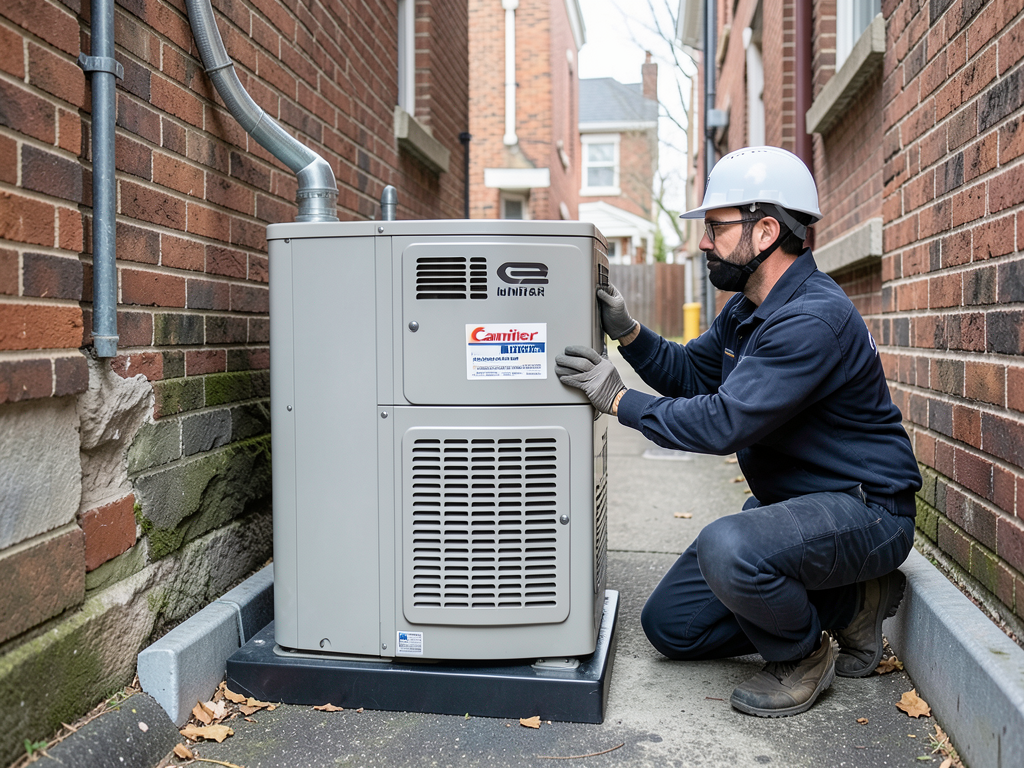
The 2-foot rule requires at least two feet of clearance around outdoor HVAC units for proper airflow and maintenance access. This space prevents obstructions that restrict airflow, reduce efficiency, and cause overheating. Hartford homeowners should trim shrubs, remove debris, and keep items away from condenser units. Snow accumulation during Connecticut winters needs clearing to maintain this clearance. Poor airflow forces your system to work harder, increasing energy costs and wear. The rule also ensures technicians can perform tune-ups and repairs safely. Proper clearance extends equipment life and maintains warranty coverage. Check your outdoor unit seasonally.

Is a new HVAC system tax deductible in 2025? +

New HVAC systems may qualify for federal tax credits in 2025 if they meet energy efficiency standards. The Inflation Reduction Act offers credits for high-efficiency systems, heat pumps, and related improvements. Connecticut residents may access additional state rebates through utility programs. Credits typically apply to systems meeting specific SEER2 and HSPF2 ratings. You must itemize deductions and keep receipts for installation. Consult a tax professional for current eligibility requirements and credit amounts, as rules change annually. Energy-efficient upgrades reduce Hartford heating and cooling costs while providing potential tax benefits. Your HVAC contractor can identify qualifying equipment.

What is the 3 minute rule for AC? +

The 3-minute rule prevents short cycling that damages your AC compressor. After your air conditioner shuts off, wait at least three minutes before restarting it. This delay allows refrigerant pressure to equalize throughout the system. Restarting too quickly forces the compressor to start against high pressure, causing excessive wear and potential failure. Hartford's humid climate means AC units cycle frequently, making this rule important. Modern thermostats include built-in delay protection. If your system short cycles without manual intervention, you need professional diagnosis. Frequent cycling wastes energy and shortens equipment life. Schedule a tune-up if you notice this problem.

How Hartford's Humidity and Temperature Swings Accelerate HVAC Wear

Hartford sits in a transition zone where humid continental climate meets coastal influences from Long Island Sound. Summer dew points regularly exceed 65°F, creating oppressive humidity that forces air conditioners to run longer dehumidification cycles. This extended runtime stresses compressors and wears contactors faster than in drier climates. Winter brings the opposite extreme. Arctic air masses drop temperatures below zero, making heat pumps ineffective and forcing furnaces into continuous operation. These seasonal extremes mean Hartford HVAC systems work harder and need more frequent maintenance than equipment in milder regions. Skipping seasonal tune ups in this climate shortens equipment life and guarantees expensive failures.

Hartford's mix of historic and modern construction creates unique maintenance requirements. Homes in neighborhoods like Asylum Hill and Barry Square often have retrofitted HVAC systems installed in buildings designed for radiator heat. These installations require careful evaluation because improper ductwork sizing and inadequate return air cause chronic problems. Liberty HVAC Hartford has maintained systems across every Hartford neighborhood and building type. We understand the specific challenges your home faces based on age, construction style, and location. This local knowledge means we catch problems other technicians miss and provide solutions that work for Hartford's climate and housing stock.
HVAC Services in The Hartford Area

Liberty HVAC Hartford proudly serves the entire Hartford area and surrounding communities. We're a local business dedicated to our neighbors' comfort. Use the map below to pinpoint our location or to confirm that your home or business is within our primary service area. We are always ready to dispatch a professional, certified technician directly to your door for any heating or cooling need you may have, ensuring prompt and convenient service every single time.

Address:
Liberty HVAC Hartford, 15 N Main St, Hartford, CT, 06107

Additional Services We Offer

Our news updates

Latest Articles & News from The Blogs

Emergency Kitchen Exhaust and HVAC Repair for Downtown Hartford Restaurants When your kitchen exhaust system fails during a dinner rush…

Emergency Kitchen Exhaust and HVAC Repair for Downtown Hartford Restaurants

Emergency Kitchen Exhaust and HVAC Repair for Downtown Hartford Restaurants When your kitchen exhaust system fails during a dinner rush…

Why High Velocity Air Conditioning is the Best Choice for Historic Wethersfield Homes

Expert High Velocity AC Installation in Wethersfield, CT Historic Wethersfield homes built before 1950 often lack the space for traditional…

Keeping Your West End Mini Split Running Smoothly with a Professional Deep Clean

Professional Mini Split Cleaning in West End Hartford, CT Your mini split works hard to keep your West End home…

Contact Us

Prevent emergency breakdowns during temperature extremes. Call Liberty HVAC Hartford at (959) 203-9992 to schedule your heating and cooling system inspection. Our maintenance appointments are filling fast as Hartford residents prepare for summer heat and winter cold. Get on the calendar now.