
menu

High Energy Bills in Hartford – Get Expert HVAC Diagnostics That Stop the Bleeding

If your monthly utility costs keep climbing with no explanation, our certified technicians identify the exact inefficiencies in your heating and cooling system driving those expensive electricity bills across the greater Hartford metro.

Slider Image 1
Slider Image 2
Slider Image 3
Slider Image 4
Slider Image 5
Slider Image 7
Slider Image 8
Slider Image 9
Slider Image 10
Slider Image 11

Why Hartford Homeowners Face Relentless Utility Cost Increases

You open the electric bill and your stomach drops. Again. The number climbed 30% from last year, but you did not change your thermostat habits. Your family is not home more often. Nothing explains the skyrocketing energy bills draining your budget month after month.

Hartford's extreme seasonal swings create the perfect storm for increased heating and cooling costs. Brutal January cold forces furnaces to run overtime, while July humidity pushes air conditioners to their breaking point. When your HVAC system operates inefficiently during these temperature extremes, the meter spins faster and faster.

The real culprit is rarely your usage. It is your equipment. A furnace running at 60% efficiency burns 40% more natural gas than it should. An air conditioner with a refrigerant leak runs continuously without ever reaching your set temperature. Ductwork with gaps in your attic bleeds conditioned air into spaces you never use, forcing your system to work harder to maintain comfort in your living areas.

Many Hartford homes in neighborhoods like West End and Asylum Hill were built before modern energy codes existed. Original ductwork develops leaks over decades. Insulation settles and compresses. Older thermostats fail to regulate temperatures accurately. These small inefficiencies compound into rising utility costs that hit you every single month.

The expensive electricity bills are not going away on their own. They signal that something in your HVAC system is broken, undersized, or operating outside manufacturer specifications. Ignoring the problem means throwing money away while your equipment deteriorates further.

Why Hartford Homeowners Face Relentless Utility Cost Increases
How We Identify the Hidden Causes of Costly Utility Expenses

How We Identify the Hidden Causes of Costly Utility Expenses

Most companies guess. They recommend a new system before understanding what is actually wrong. We use diagnostic equipment and proven methodology to find the real problem driving your high energy bills.

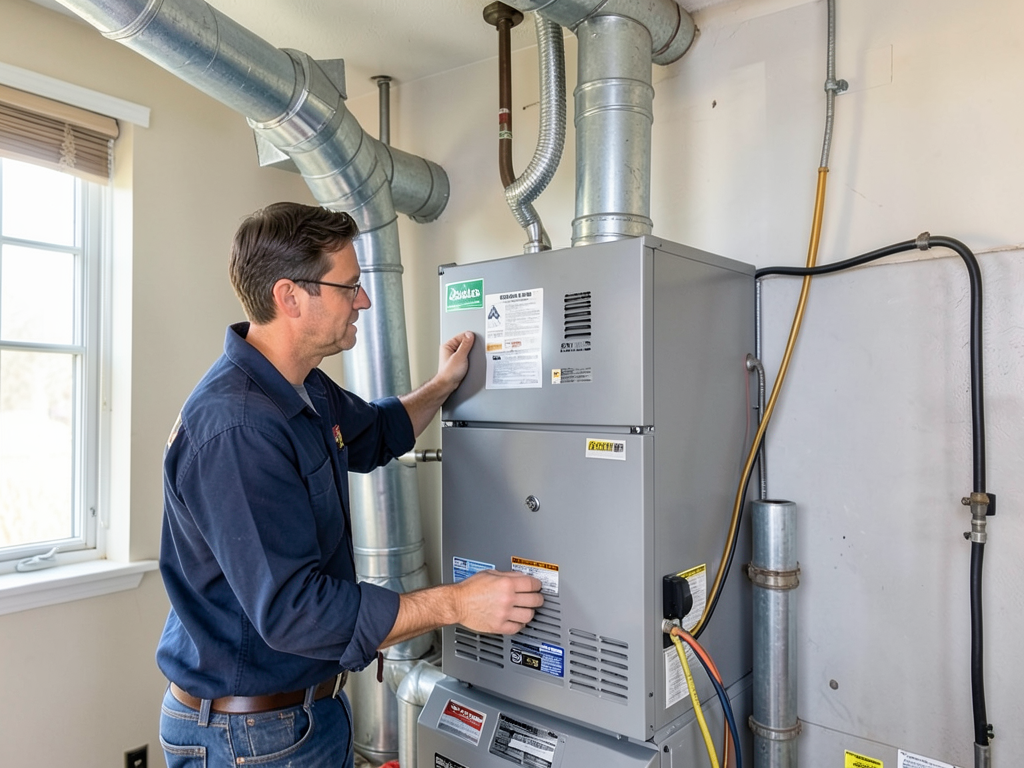
Our technicians start with a blower door test to measure your home's air leakage rate. This quantifies how much conditioned air escapes through gaps, cracks, and poorly sealed ductwork. We follow up with thermal imaging cameras that reveal temperature differentials in your walls, ceilings, and around ductwork runs. Hot or cold spots indicate insulation failures or air pathway problems invisible to the naked eye.

We then measure your system's actual performance against manufacturer specifications. Static pressure readings reveal whether your ductwork is properly sized or creating resistance that forces your blower motor to work harder. Airflow measurements at each register identify distribution problems. Refrigerant charge testing determines if your air conditioner is operating at peak efficiency or wasting electricity on a slow leak.

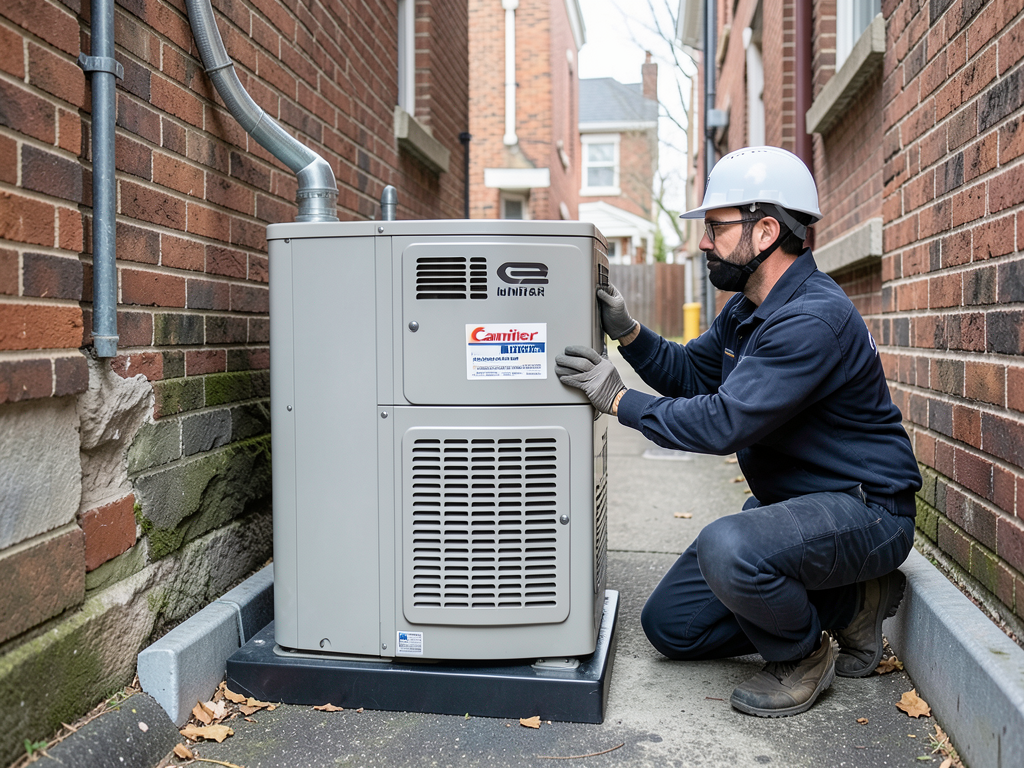
The combustion analysis on your furnace measures efficiency in real time. A heat exchanger with cracks or a burner assembly with carbon buildup can drop efficiency by 20% or more. We measure flue gas temperature, oxygen levels, and carbon monoxide output to determine exact performance.

We inspect your thermostat placement and calibration. A thermostat located near a drafty window or heat-generating appliance sends false signals to your system, causing it to overcycle. Smart thermostats with incorrect programming waste energy during peak rate hours.

Every data point builds a complete picture of where your money is going. We give you a prioritized list of repairs ranked by return on investment, so you can make informed decisions about which fixes deliver the fastest payback on your costly utility expenses.

What Happens During Your Energy Audit

High Energy Bills in Hartford – Get Expert HVAC Diagnostics That Stop the Bleeding
01

System Performance Testing

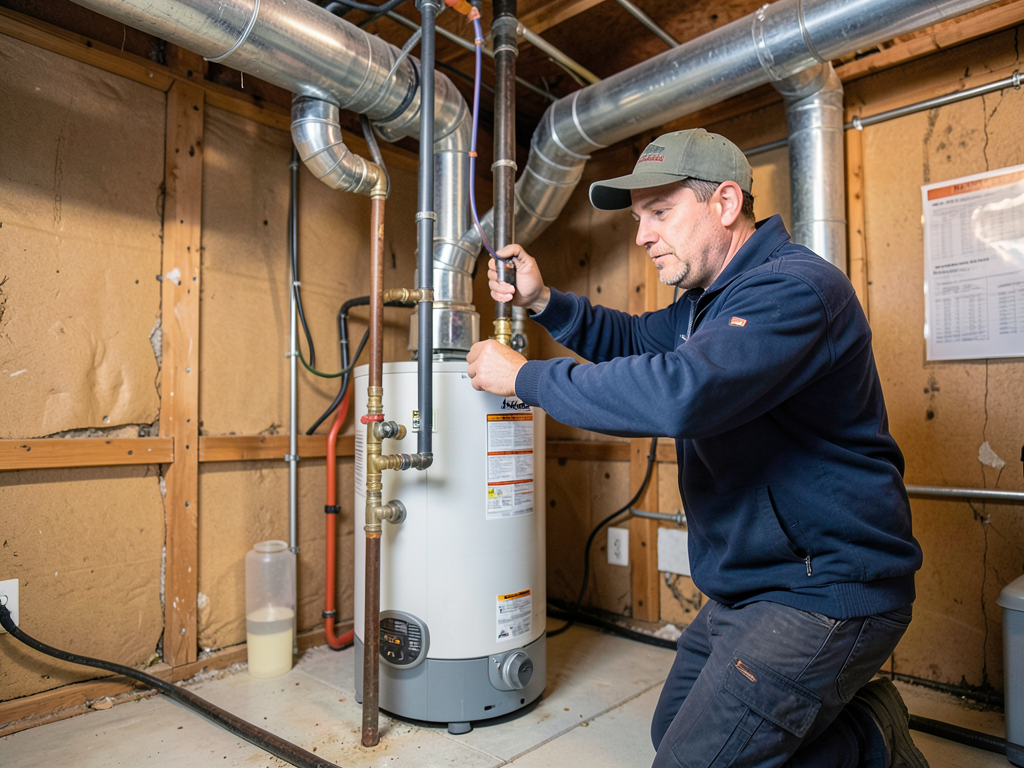
We arrive with diagnostic equipment including manometers for pressure testing, refrigerant gauges, combustion analyzers, and thermal cameras. Your technician measures actual system performance against factory specifications across all components. We document baseline efficiency numbers, airflow rates, and temperature differentials throughout your home. This data reveals which components are underperforming and by how much.
02

Envelope and Distribution Analysis

We inspect your entire ductwork system for leaks, disconnections, and undersized sections causing restriction. Thermal imaging identifies insulation gaps and air infiltration points around windows, doors, and penetrations. We measure supply and return airflow at each register to identify rooms not receiving proper heating or cooling. These distribution problems force your system to run longer cycles, driving up operating costs.
03

Prioritized Action Plan

You receive a detailed report ranking every inefficiency by cost impact and repair expense. We show you exactly how much each problem costs you monthly and the payback period for fixing it. High-impact, low-cost repairs like sealing duct leaks often pay for themselves in weeks. Larger investments like equipment replacement include projected savings over the system's lifespan. You decide which solutions fit your budget and goals.

Why Hartford Residents Trust Our Energy Efficiency Expertise

Liberty HVAC Hartford specializes in solving the exact challenges created by our climate extremes and aging housing stock. We know the specific problems that plague homes in neighborhoods from Parkville to South Green.

Most Hartford homes were built between 1940 and 1980, before modern energy codes required proper duct sealing or adequate insulation. We have diagnosed hundreds of these homes and understand the patterns. Original ductwork in unconditioned attics loses 25% to 40% of heated or cooled air before it reaches living spaces. Knob and tube wiring cavities create air pathways that bypass insulation. Settling foundations create gaps around rim joists.

Our technicians receive ongoing training in building science, not just equipment repair. We understand the relationship between your HVAC system and your home's thermal envelope. A perfectly functioning furnace still wastes energy if your ductwork leaks or your attic insulation has compressed to half its original R-value.

We also understand Hartford's utility rate structure. Eversource charges time-of-use rates during peak demand hours. If your system is oversized or your thermostat is poorly programmed, you burn expensive peak-rate electricity when a properly configured system would coast on lower off-peak power.

Our diagnostic process follows protocols established by the Building Performance Institute and ACCA Manual J load calculations. We do not sell you equipment based on square footage rules of thumb. We calculate your actual heating and cooling loads, then right-size equipment to match.

When we recommend duct sealing, we use mastic and metal-backed tape that meets International Energy Conservation Code standards, not the hardware store duct tape that fails within months. When we suggest insulation upgrades, we calculate the exact R-value needed for Hartford's 6,200 heating degree days.

You get solutions engineered for your specific home and our specific climate, not generic recommendations from a national call center.

What to Expect When You Schedule Your Energy Assessment

Same-Week Scheduling Available

We know high energy bills create financial pressure. You should not wait weeks for answers. Most energy assessments can be scheduled within three to five business days. The evaluation takes two to three hours depending on your home's size and system complexity. We work around your schedule, including evening and weekend appointments. You receive preliminary findings on-site, with a detailed written report emailed within 24 hours. If we identify immediate safety concerns like carbon monoxide spillage or refrigerant leaks, we address them before leaving your property.

Comprehensive Home Performance Evaluation

Your assessment goes beyond the HVAC equipment. We examine the interaction between your heating and cooling system, ductwork, insulation, air sealing, and ventilation. You learn exactly where conditioned air is escaping, which rooms are under-served by your current duct layout, and whether your equipment is properly sized for your actual load. We test thermostat calibration, check filter accessibility, and verify proper drainage from your condensate lines. The goal is identifying every factor contributing to your rising utility costs, not just the obvious equipment problems.

Measurable Energy Savings

Our recommendations are not generic advice. You receive specific repair options with projected costs and energy savings calculated for your home. Duct sealing typically reduces heating and cooling costs by 20% to 30%. Refrigerant charge correction can improve air conditioner efficiency by 15% to 25%. Upgrading from a 60% efficiency furnace to a 95% AFUE model cuts gas consumption by more than one-third. We show you the monthly savings and simple payback period for each option, so you can prioritize repairs that deliver the fastest return on investment.

Ongoing Performance Monitoring

After implementing repairs, we encourage you to track your energy usage against previous years. Most customers see measurable savings within the first billing cycle. We offer optional follow-up assessments six months after major repairs to verify that savings targets are being met. Seasonal maintenance agreements include efficiency testing to catch performance degradation before it impacts your bills. Our goal is permanent cost reduction, not temporary improvement. Properly maintained HVAC equipment maintains peak efficiency for years, protecting you from the climbing utility rates affecting Hartford homeowners.

Frequently Asked Questions

You Have Questions,
We Have Answers

Why is my electric bill so high all of a sudden? +

A sudden spike in your electric bill often signals a system problem. In Hartford's humid summers, your AC may be overworking due to a refrigerant leak or clogged filter. During cold winters, a failing furnace blower motor or heat pump can cause your heating system to run constantly. Check for air leaks around windows and doors, which force your HVAC to cycle more often. Old thermostats can also malfunction and trigger excessive runtime. Compare your current usage to last year's bill for the same month. If usage jumped without lifestyle changes, you likely have an equipment or insulation issue that needs diagnosis.

Why is your energy bill suddenly so much more expensive? +

Hartford residents face sharp energy cost increases due to aging HVAC systems and Connecticut's high electricity rates. Your furnace or AC loses efficiency over time, working harder to maintain the same comfort level. Ductwork leaks in older Hartford homes waste 20 to 30 percent of conditioned air before it reaches your rooms. Poor attic insulation lets heat escape in winter and flood in during summer. Programmable thermostats left on outdated settings also drive up costs. Schedule an HVAC efficiency inspection to identify which components are draining your wallet. Small fixes often deliver immediate savings.

What runs your electric bill up the most? +

Heating and cooling account for nearly half of your electric bill in Hartford. Your AC runs hardest during July and August humidity, while electric heat pumps or resistance heating spike costs in January and February. Water heaters rank second, especially older tank models that reheat water all day. Large appliances like dryers, refrigerators, and dishwashers add up quickly if they run during peak hours. Leaving electronics on standby mode creates phantom loads. In Hartford's older housing stock, poor insulation and drafty windows force your HVAC to compensate, multiplying energy waste across all systems.

How do I know if my energy bill is too high? +

Compare your bill to the Hartford area average, which typically ranges from $120 to $200 monthly for a 1,500 square foot home. Your cost per kilowatt hour appears on your Eversource or United Illuminating statement. If your usage exceeds 900 kWh monthly without obvious causes like electric heat or a large family, investigate further. Track your daily usage through your utility's online portal to spot abnormal patterns. Bills that jump 30 percent or more month over month without weather changes indicate a problem. Request an energy audit to benchmark your home against similar Hartford properties and identify specific waste sources.

How Hartford's Temperature Extremes Amplify HVAC Inefficiency Costs

Hartford experiences over 6,200 heating degree days annually, with January temperatures regularly dropping below 20 degrees. Summer humidity pushes heat index values above 95 degrees during July and August. This extreme seasonal variation means your HVAC system operates under peak load conditions for nearly six months each year. A system that is only 10% inefficient wastes modest energy during mild weather but burns excessive fuel during temperature extremes. That refrigerant leak that costs you $15 extra in May costs $60 extra in January when your heat pump runs continuously. The ductwork gaps that seem minor in October bleed expensive conditioned air throughout brutal winter months. Hartford's climate does not forgive inefficiency.

Liberty HVAC Hartford maintains relationships with local building inspectors and stays current with Connecticut energy codes and Eversource rebate programs. We know which efficiency upgrades qualify for utility incentives that reduce your out-of-pocket costs. Our technicians understand the specific challenges of Hartford's housing stock, from the Victorian homes in Asylum Hill with original radiator systems to the mid-century ranches in Blue Hills with undersized ductwork. This local knowledge means we catch problems other companies miss and recommend solutions proven to work in Connecticut's climate, not generic fixes designed for milder regions.
HVAC Services in The Hartford Area

Liberty HVAC Hartford proudly serves the entire Hartford area and surrounding communities. We're a local business dedicated to our neighbors' comfort. Use the map below to pinpoint our location or to confirm that your home or business is within our primary service area. We are always ready to dispatch a professional, certified technician directly to your door for any heating or cooling need you may have, ensuring prompt and convenient service every single time.

Address:
Liberty HVAC Hartford, 15 N Main St, Hartford, CT, 06107

Additional Services We Offer

Our news updates

Latest Articles & News from The Blogs

Emergency Kitchen Exhaust and HVAC Repair for Downtown Hartford Restaurants When your kitchen exhaust system fails during a dinner rush…

Emergency Kitchen Exhaust and HVAC Repair for Downtown Hartford Restaurants

Emergency Kitchen Exhaust and HVAC Repair for Downtown Hartford Restaurants When your kitchen exhaust system fails during a dinner rush…

Why High Velocity Air Conditioning is the Best Choice for Historic Wethersfield Homes

Expert High Velocity AC Installation in Wethersfield, CT Historic Wethersfield homes built before 1950 often lack the space for traditional…

Keeping Your West End Mini Split Running Smoothly with a Professional Deep Clean

Professional Mini Split Cleaning in West End Hartford, CT Your mini split works hard to keep your West End home…

Contact Us

Your utility costs will not drop until you fix what is broken. Schedule your comprehensive energy assessment today and get answers within the week. Call Liberty HVAC Hartford at (959) 203-9992 now.