menu

Importance of Air Filter Changes in Hartford – Protect Your Family from Poor Indoor Air Quality

Regular air filter replacement removes allergens, dust, and pollutants that accumulate faster in Hartford's humid climate, keeping your HVAC system efficient and your indoor air safe to breathe year-round.

Slider Image 1
Slider Image 2
Slider Image 3
Slider Image 4
Slider Image 5
Slider Image 7
Slider Image 8
Slider Image 9
Slider Image 10
Slider Image 11

Why Hartford Homes Need More Frequent Filter Changes

Hartford's climate creates unique challenges for your HVAC system. The Connecticut River Valley traps humidity and pollen, particularly during spring and fall transitions. This moisture-heavy air carries more particulates into your home, loading up filters faster than in drier regions.

The benefits of changing air filters regularly become clear when you understand what those filters catch. In Hartford, you are dealing with oak and maple pollen from April through June, mold spores from summer humidity, and fine dust particles that settle when older radiator systems kick on in winter. A dirty filter cannot capture these contaminants. Instead, they recirculate through your ductwork and into your living spaces.

The impact of dirty air filters extends beyond air quality. When filters clog with debris, your system works harder to pull air through. This increased resistance raises energy consumption by 15 to 20 percent. In Hartford's temperature swings, where you might run heat in the morning and AC by afternoon during shoulder seasons, that extra strain accelerates wear on blower motors and compressors.

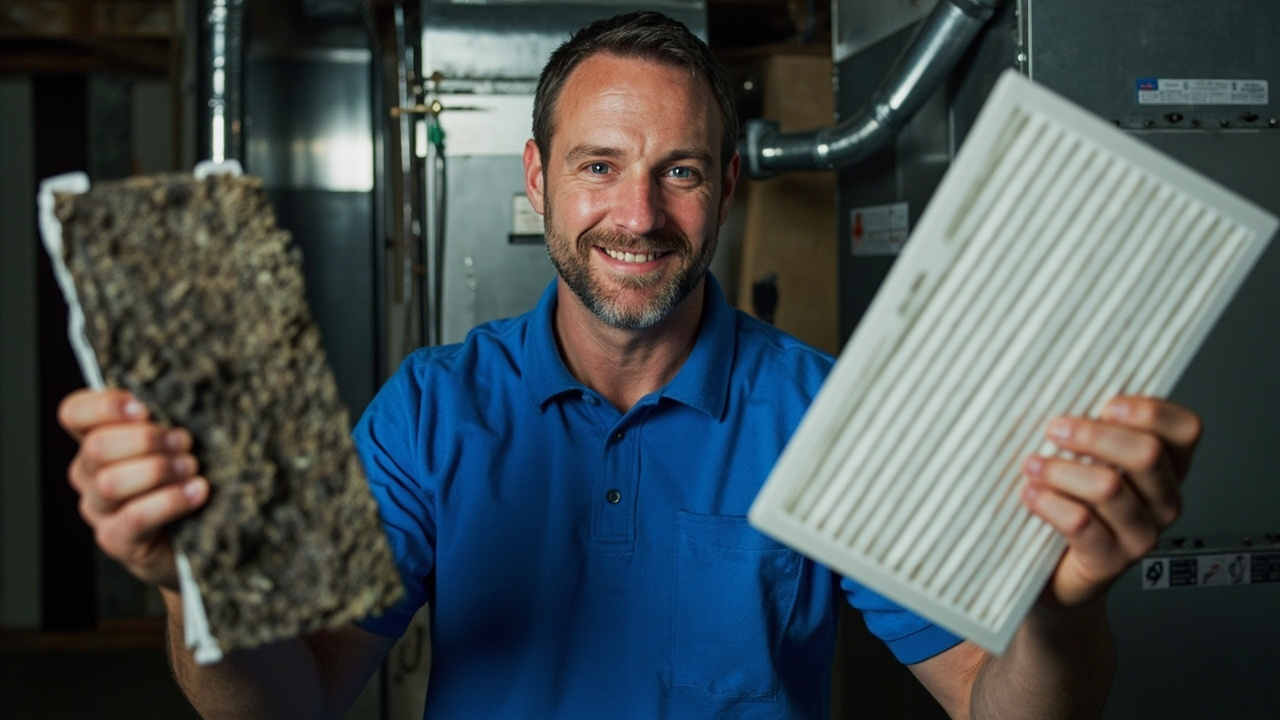
Neighborhoods near I-91 and I-84 face additional particulate loads from traffic emissions. West End and Asylum Hill residents notice faster filter darkening due to urban dust concentration. The significance of air filter replacement becomes evident when you pull out a month-old filter and see it coated black.

Your HVAC system cannot clean air it cannot pull through the filter. When filters stay dirty, allergens bypass the media entirely, settling in ductwork and on furniture. Children and elderly family members feel the effects first, with increased respiratory irritation and allergy symptoms.

Why Hartford Homes Need More Frequent Filter Changes
How Clean Filters Improve System Performance

How Clean Filters Improve System Performance

Why replace HVAC filters on schedule? The answer lies in airflow dynamics. Your air handler is designed to move a specific cubic feet per minute of conditioned air through your home. When a filter reaches 50 percent capacity, static pressure increases across the media. The blower motor compensates by drawing more amperage, generating excess heat in the process.

This thermal stress shortens component life. A clean filter maintains proper airflow velocity through the evaporator coil, allowing refrigerant to absorb heat efficiently. When airflow drops due to a clogged filter, the coil temperature falls below the dew point too quickly, causing freeze-ups. You will see ice formation on refrigerant lines, a clear sign of restricted airflow.

The reasons for changing AC filters extend to humidity control. Hartford summers bring 70 to 80 percent relative humidity. Your AC removes moisture as air passes over the cold evaporator coil. Reduced airflow means less dehumidification, leaving your home feeling clammy even when the thermostat reads 72 degrees.

Furnace operation suffers similarly. Gas furnaces in Hartford homes rely on proper airflow across the heat exchanger to prevent overheating. When filters block airflow, the limit switch trips repeatedly, cycling the burner on and off. This short cycling wastes fuel and creates uneven heating throughout your home.

Filter MERV ratings matter. Most Hartford homes perform best with MERV 8 to 11 filters. These capture pollen, dust mites, and mold spores without creating excessive resistance. Higher MERV ratings restrict airflow unless your system was specifically designed for them. We match filter specifications to your exact equipment and local air quality conditions.

Clean filters also protect your ductwork. When filters fail, dust accumulates on duct interiors, creating habitat for mold growth in humid conditions. Cleaning ductwork costs far more than replacing filters quarterly.

What Happens During Filter Service

Importance of Air Filter Changes in Hartford – Protect Your Family from Poor Indoor Air Quality
01

System Assessment

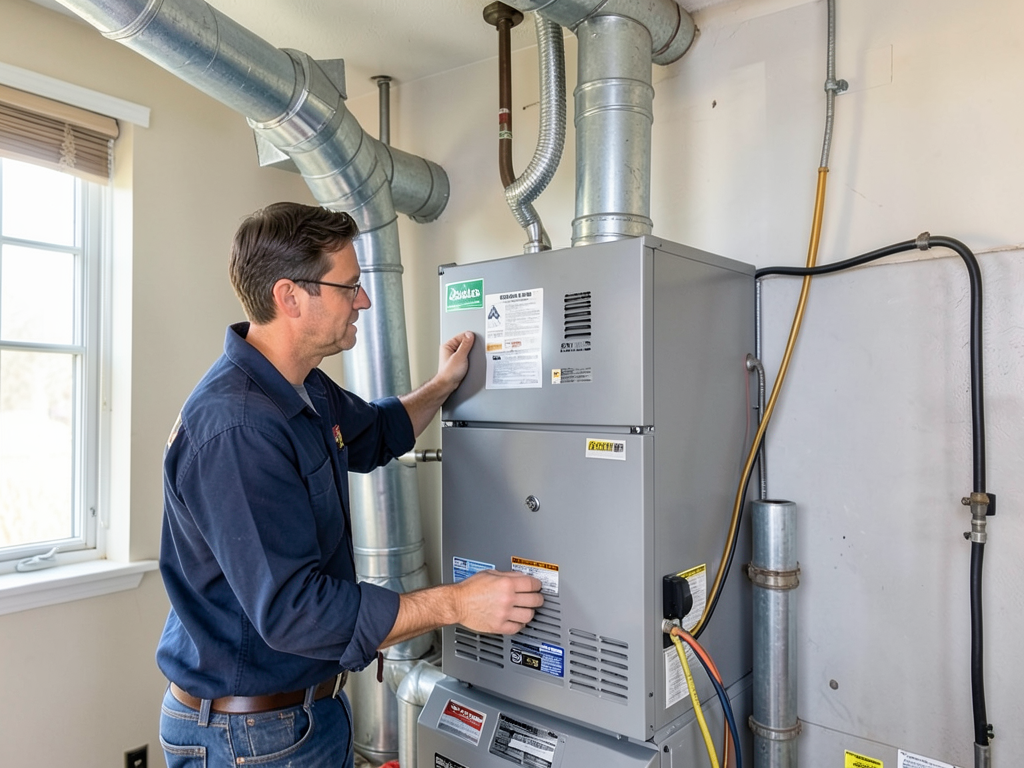
We start by checking your current filter condition and measuring static pressure across the media. This reading tells us if your system is working harder than designed. We also inspect the filter housing for gaps or damage that allow bypass airflow. Hartford's older homes often have non-standard filter sizes, so we verify exact dimensions and identify the correct replacement type for your equipment.
02

Filter Selection

Not every filter fits every system. We match MERV rating to your blower motor capacity and ductwork design. Oversized filters create excessive static pressure. Undersized filters allow debris past the media. For Hartford homes with pets, smokers, or woodstove use, we recommend pleated media that captures smaller particles without choking airflow. We explain the difference between fiberglass, pleated, and electrostatic options so you understand what you are buying.
03

Performance Verification

After installing the new filter, we measure temperature differential across your evaporator coil and verify proper refrigerant pressures. This confirms adequate airflow restoration. We check that access panels seal properly and explain your specific replacement interval based on household conditions. Most Hartford homes need changes every 60 to 90 days, but homes with multiple pets or near construction zones may need monthly service.

Why Hartford Homeowners Trust Local HVAC Knowledge

Hartford's housing stock ranges from Victorian-era homes in the South End to mid-century ranches in the West End. Each building type presents different HVAC challenges. Older homes often have retrofitted forced-air systems with ductwork that was never optimized for modern equipment. These installations need careful filter selection to avoid overtaxing undersized return grilles.

We understand Hartford's seasonal patterns. March and April bring heavy pollen loads that clog filters rapidly. July and August humidity accelerates mold growth on dirty media. October leaf fall creates dust storms that infiltrate homes through foundation vents and attic soffit gaps. This local knowledge shapes our maintenance recommendations.

Connecticut building codes updated mechanical ventilation requirements in recent years. Homes built after 2015 often include energy recovery ventilators that require separate filter maintenance. We service both your main HVAC filters and ERV media, ensuring complete system performance. Many national chains miss this detail.

Liberty HVAC Hartford technicians live and work in the neighborhoods we serve. We have replaced filters in Parkville colonials, Blue Hills split-levels, and Frog Hollow triple-deckers. We know which local suppliers stock odd-size filters for older Lennox and Carrier systems. When you call us, you reach someone who understands your specific equipment and home construction.

Filter changes seem simple, but incorrect installation causes problems. Filters installed backward or without proper sealing allow bypass, negating any air quality benefit. We mark the airflow direction clearly and ensure the filter rack or housing closes securely. These details separate professional service from DIY attempts.

Our filter service includes a visual inspection of your entire system. We spot early warning signs like rusted condensate pans, damaged ductwork connections, or failing capacitors. Catching these issues early prevents emergency breakdowns during Hartford's temperature extremes.

What You Can Expect from Professional Filter Service

Service Timing

Filter replacement takes 15 to 30 minutes depending on your system configuration. We schedule appointments in two-hour windows to accommodate your workday. Most Hartford homeowners choose quarterly service aligned with seasonal changes. Spring service happens before cooling season, summer service mid-season, fall service before heating begins, and winter service mid-heating season. This rhythm keeps your system running efficiently through every weather condition. We send reminders before each scheduled visit so filter changes never slip your mind.

System Inspection

Every filter change includes a visual inspection of accessible components. We check thermostat operation, listen for unusual noises from the blower assembly, and verify proper condensate drainage. In Hartford's humid climate, condensate line blockages cause water damage quickly. We spot these problems before they escalate. You receive a verbal report of any concerns we identify. We explain what we found, why it matters, and what action makes sense. No pressure, just information. If your system needs attention beyond filter service, we provide options with clear explanations.

Air Quality Results

You will notice improved airflow within hours of filter replacement. Rooms that felt stuffy suddenly feel fresher. The system runs quieter because the blower motor no longer strains against resistance. Temperature consistency improves as proper airflow restores even heat distribution. Allergy sufferers often report reduced symptoms within days as airborne particulates decrease. Energy bills drop as your system returns to designed efficiency levels. These improvements compound over time. Regular filter maintenance extends equipment life by reducing mechanical stress and preventing secondary damage from restricted airflow.

Ongoing Maintenance Plans

We offer maintenance agreements that bundle filter changes with seasonal tune-ups. These plans include priority scheduling, which matters during Hartford's peak heating and cooling seasons when service demand spikes. Agreement holders receive reminders before each scheduled visit and discounted rates on any needed repairs. The plan pays for itself through improved efficiency and prevented breakdowns. We track your equipment history, filter types, and service dates in our system. This documentation proves valuable if you sell your home, demonstrating consistent professional maintenance to potential buyers.

Frequently Asked Questions

You Have Questions,
We Have Answers

How important is it to change your air filter? +

Changing your air filter is critical for your HVAC system's efficiency and your indoor air quality. A clogged filter forces your system to work harder, driving up energy bills and shortening equipment life. In Hartford, where humidity and seasonal pollen are high, dirty filters trap allergens, dust, and mold spores that recirculate through your home. Most systems need filter changes every 30 to 90 days depending on usage, pets, and air quality. Skipping this simple task leads to breakdowns, poor airflow, and expensive repairs. Regular filter changes protect your investment and keep your family breathing cleaner air.

Will a new air filter improve performance? +

Yes. A new air filter immediately improves airflow and system efficiency. When filters clog with dust, pet dander, and debris, your HVAC system struggles to pull air through, reducing cooling and heating capacity. Hartford homes experience this faster during spring pollen season and humid summer months when filters trap more particles. You will notice better temperature control, quieter operation, and lower energy consumption. A clean filter allows your system to run as designed, reducing strain on the blower motor and compressor. For optimal performance, match the filter MERV rating to your system's specifications.

What happens if I don't change the air filter in my car? +

This question addresses automotive air filters, not HVAC systems. For vehicle air filters, neglecting replacement reduces engine performance, fuel efficiency, and acceleration. Dirt and debris bypass a clogged filter and enter the engine, causing wear on pistons and cylinders. If you are asking about home HVAC filters in Hartford, ignoring changes leads to system breakdowns, frozen coils, and poor air quality. Your furnace or AC works harder, energy bills spike, and repair costs mount. Whether automotive or HVAC, regular filter maintenance prevents expensive damage and keeps systems running efficiently.

What are the benefits of replacing the air filter? +

Replacing your air filter delivers multiple benefits. You improve indoor air quality by trapping dust, pollen, and allergens before they circulate through your home. Your HVAC system runs more efficiently, lowering monthly energy costs by up to 15 percent. Equipment lasts longer because clean filters reduce strain on motors and compressors. In Hartford, where humidity encourages mold growth, fresh filters prevent spores from spreading through ductwork. You also avoid costly emergency repairs caused by frozen evaporator coils or overheated systems. Regular replacement is the cheapest way to protect your comfort and your wallet.

What is the $5000 AC rule? +

The 5000 dollar AC rule is a repair-versus-replace guideline. Multiply the repair cost by your system's age in years. If the result exceeds 5000 dollars, replacement makes more financial sense than repair. For example, a 1500 dollar repair on a 10-year-old unit equals 15000 dollars, suggesting replacement. A 500 dollar repair on a 3-year-old system equals 1500 dollars, favoring repair. This rule helps Hartford homeowners make smart decisions when facing major AC failures. However, energy efficiency improvements and refrigerant phase-outs also factor into replacement timing.

Can I just clean my air filter instead of replacing it? +

Most residential HVAC filters are disposable and should be replaced, not cleaned. Washing or vacuuming pleated filters damages the media and reduces filtration effectiveness. However, some systems use washable permanent filters designed for cleaning and reuse. Check your filter's label before attempting to clean it. In Hartford's humid climate, damp filters that are not completely dry before reinstallation promote mold growth inside your ductwork. Disposable filters are inexpensive and effective. If you have a permanent filter, follow manufacturer instructions carefully. When in doubt, replace rather than risk compromising air quality or system performance.

Will I notice a difference with a new air filter? +

You will notice a difference immediately. Airflow improves, rooms reach target temperatures faster, and your system runs quieter. Hartford homeowners often report reduced dust on furniture and fewer allergy symptoms after filter changes. If your old filter was severely clogged, you might see energy bills drop within the first billing cycle. The blower motor works less, reducing strain and noise. Temperature consistency improves across rooms because conditioned air moves freely through ducts. If you do not notice improvement, you may have ductwork leaks, refrigerant issues, or other system problems requiring professional diagnosis.

Will my AC work better if I clean the filter? +

Yes, but only temporarily. Cleaning your AC filter restores some airflow, improving cooling efficiency for a short period. However, Hartford's pollen, humidity, and airborne particles quickly re-clog filters. Cleaning also damages disposable pleated filters, reducing their MERV rating and filtration capacity. If you have a washable permanent filter, proper cleaning helps, but these filters still need replacement every few years. For disposable filters, cleaning is a temporary fix that should not replace regular replacement. Your AC works best with a clean, undamaged filter matched to your system's specifications.

Can a dirty air filter cause sluggish acceleration? +

This question addresses automotive engine air filters, not HVAC systems. Yes, a clogged car air filter restricts airflow to the engine, reducing combustion efficiency and causing sluggish acceleration. If you are asking about home HVAC filters in Hartford, dirty filters do not affect acceleration but do restrict airflow to your heating and cooling system. This causes longer run times to reach temperature setpoints, higher energy bills, and reduced comfort. Whether automotive or HVAC, clean filters are critical for optimal performance. Replace filters on schedule to maintain efficiency.

What happens if you haven't changed your air filter in 3 years? +

After three years without a change, your filter is completely clogged and likely damaging your HVAC system. Airflow drops dramatically, forcing your blower motor to overheat. In Hartford, you risk frozen evaporator coils in summer and cracked heat exchangers in winter. Dust and allergens recirculate constantly, worsening indoor air quality. Energy bills skyrocket because your system runs continuously without reaching target temperatures. You may experience complete system failure requiring emergency repair or replacement. Three years of neglect often causes hundreds or thousands in avoidable damage. Replace your filter immediately and schedule professional maintenance to assess system condition.

How Hartford's Connecticut River Valley Climate Affects Filter Life

The Connecticut River Valley creates a microclimate that accelerates filter loading. Moisture from the river combines with urban pollution, creating a sticky film on filter media. Spring floods in nearby wetlands release mold spores that infiltrate homes through foundation vents and window gaps. Hartford's tree canopy, while beautiful, generates massive pollen clouds from March through June. Oak, maple, and birch trees dominate local neighborhoods, producing allergenic pollen that coats cars, sidewalks, and HVAC intakes. These conditions mean Hartford filters reach capacity 30 to 40 percent faster than suburban areas with less vegetation and lower humidity.

Liberty HVAC Hartford understands these regional factors because we experience them ourselves. Our technicians live in the neighborhoods we serve. We know that homes near Bushnell Park face heavier pollen loads, while properties near the highway interchange deal with diesel particulates. This knowledge shapes our filter recommendations and replacement intervals. We stock filter sizes for older Hartford homes, including odd dimensions that big-box stores do not carry. When you work with a local company, you get service calibrated to your actual environment, not generic advice from a call center in another state.
HVAC Services in The Hartford Area

Liberty HVAC Hartford proudly serves the entire Hartford area and surrounding communities. We're a local business dedicated to our neighbors' comfort. Use the map below to pinpoint our location or to confirm that your home or business is within our primary service area. We are always ready to dispatch a professional, certified technician directly to your door for any heating or cooling need you may have, ensuring prompt and convenient service every single time.

Address:
Liberty HVAC Hartford, 15 N Main St, Hartford, CT, 06107

Additional Services We Offer

Our news updates

Latest Articles & News from The Blogs

Emergency Kitchen Exhaust and HVAC Repair for Downtown Hartford Restaurants When your kitchen exhaust system fails during a dinner rush…

Emergency Kitchen Exhaust and HVAC Repair for Downtown Hartford Restaurants

Emergency Kitchen Exhaust and HVAC Repair for Downtown Hartford Restaurants When your kitchen exhaust system fails during a dinner rush…

Why High Velocity Air Conditioning is the Best Choice for Historic Wethersfield Homes

Expert High Velocity AC Installation in Wethersfield, CT Historic Wethersfield homes built before 1950 often lack the space for traditional…

Keeping Your West End Mini Split Running Smoothly with a Professional Deep Clean

Professional Mini Split Cleaning in West End Hartford, CT Your mini split works hard to keep your West End home…

Contact Us

Clean air starts with a clean filter. Call Liberty HVAC Hartford at (959) 203-9992 to schedule service. We carry the right filters for your system and will get your home breathing easier within 24 hours.