
Comparing the Pros and Cons of Oil to Natural Gas Conversions in the South End
Converting from oil to natural gas heating in Hartford’s South End offers homeowners a path to lower energy costs and reduced environmental impact. The South End’s mix of historic and mid-century homes makes this conversion particularly relevant as aging oil systems become less efficient and more costly to maintain. Before making the switch, understanding the full scope of the process, costs, and available incentives will help you make the right decision for your home. The Best Energy Efficient Boilers for Hartford Homes with Old Radiators.
Why South End Homeowners Are Switching to Natural Gas
The South End of Hartford features a diverse housing stock built primarily between the 1920s and 1970s. Many of these homes still rely on oil heating systems that require regular fuel deliveries and seasonal price fluctuations. Natural gas offers several advantages for South End residents including consistent fuel pricing, automatic delivery through existing pipelines, and reduced carbon emissions. The neighborhood’s infrastructure has evolved to support natural gas service through Connecticut Natural Gas (CNG) pipelines, making conversions increasingly feasible for homeowners looking to modernize their heating systems. Connecticut Department of Energy and Environmental Protection.
The Oil to Gas Conversion Process Step by Step
Converting from oil to natural gas requires careful planning and coordination with multiple parties. The process begins with a comprehensive home energy assessment to determine your heating needs and whether your existing ductwork can accommodate a new system. A licensed HVAC contractor will then coordinate with CNG to verify gas line availability at your property. If gas service exists, the contractor installs a new gas line from the street to your home. The next step involves selecting and installing high-efficiency equipment, either a gas furnace or boiler depending on your home’s existing setup. Finally, the oil tank must be properly removed or abandoned according to Connecticut Department of Energy and Environmental Protection (DEEP) regulations, and any necessary chimney modifications are completed. Who to Call for Emergency Furnace Repair in Hartford in the Middle of the Night.
Connecticut Energy Rebates and Financing Options
Connecticut offers substantial financial incentives for homeowners converting to natural gas through the Energize Connecticut program. Current rebates include up to $750 for installing a high-efficiency natural gas furnace or boiler with an Annual Fuel Utilization Efficiency (AFUE) rating of 95% or higher. The program also offers 0.99% APR financing through the Smart-E Loan program for qualifying homeowners. Connecticut Natural Gas provides additional rebates for high-efficiency equipment installations, with amounts varying based on the specific model and efficiency rating. These incentives can significantly offset the upfront costs of conversion, making the investment more attractive for South End homeowners. Energize Connecticut.
Cost Comparison: Oil vs. Natural Gas in Hartford
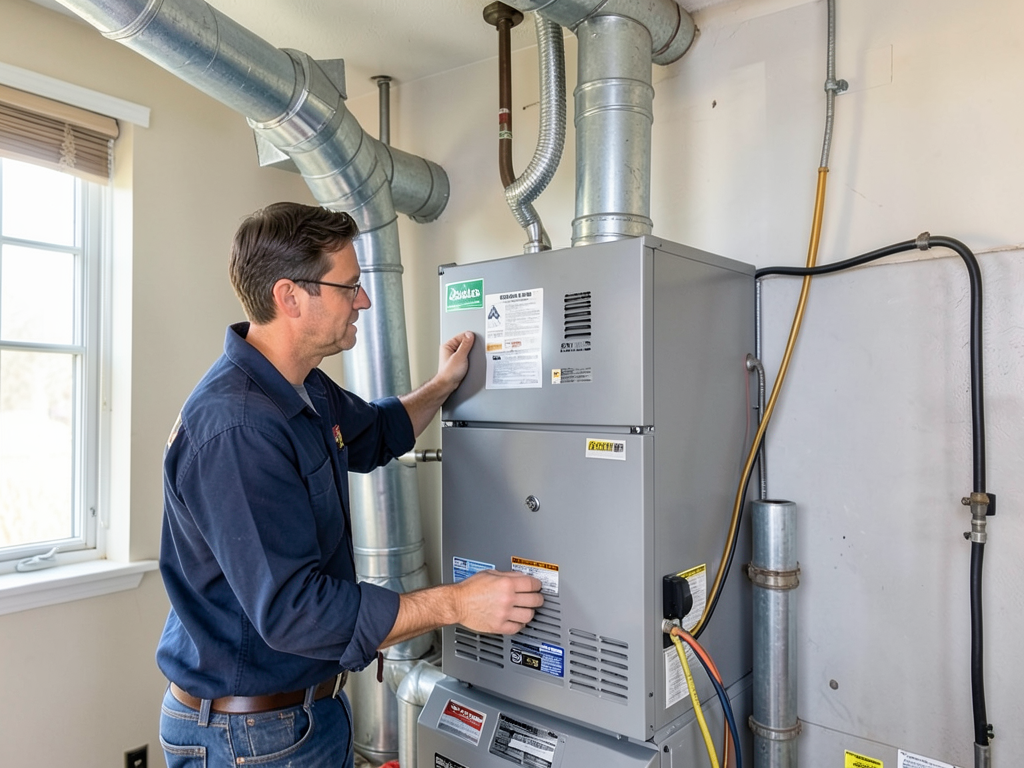
The financial decision between oil and natural gas heating depends on several factors unique to Hartford’s energy market. Recent data shows natural gas prices averaging $1.50 per therm compared to heating oil at approximately $3.50 per gallon. A typical South End home using 800 gallons of oil annually would spend around $2,800 per heating season, while the equivalent natural gas usage would cost approximately $1,800. This represents potential annual savings of $1,000 or more. However, the initial conversion cost typically ranges from $4,500 to $9,000 depending on the complexity of the installation and whether oil tank removal is required. Most homeowners recoup their investment within 5-7 years through energy savings alone. HVAC Hartford.
| Cost Factor | Oil Heating | Natural Gas |
|---|---|---|
| Annual Fuel Cost | $2,800 | $1,800 |
| Equipment Efficiency | 80-85% AFUE | 95-98% AFUE |
| Maintenance Frequency | Annual cleaning required | Every 2-3 years |
| Environmental Impact | Higher CO2 emissions | 25% lower emissions |
Environmental Benefits for Connecticut Homeowners
Switching from oil to natural gas significantly reduces your home’s carbon footprint. Modern natural gas furnaces produce approximately 25% less carbon dioxide per BTU compared to oil heating systems. For a typical South End home, this translates to reducing annual CO2 emissions by 2-3 tons. Connecticut’s greenhouse gas reduction goals make this conversion particularly impactful as the state works toward meeting its 2030 emissions targets. Additionally, natural gas burns cleaner with minimal particulate matter, improving both indoor and outdoor air quality. The elimination of oil deliveries also reduces traffic and associated emissions in residential neighborhoods.
Navigating Hartford Building Department Requirements
Converting from oil to natural gas in Hartford requires specific permits and inspections. The Hartford Building Department requires a mechanical permit for any gas line installation or equipment replacement. For homes in the South End Historic District, additional approvals may be needed to ensure compliance with preservation guidelines. The permit process typically takes 2-3 weeks and costs between $150-$300 depending on the scope of work. A final inspection is mandatory before activating the new system. Working with a contractor familiar with Hartford’s specific requirements can streamline this process and prevent costly delays.
Oil Tank Removal and Environmental Considerations
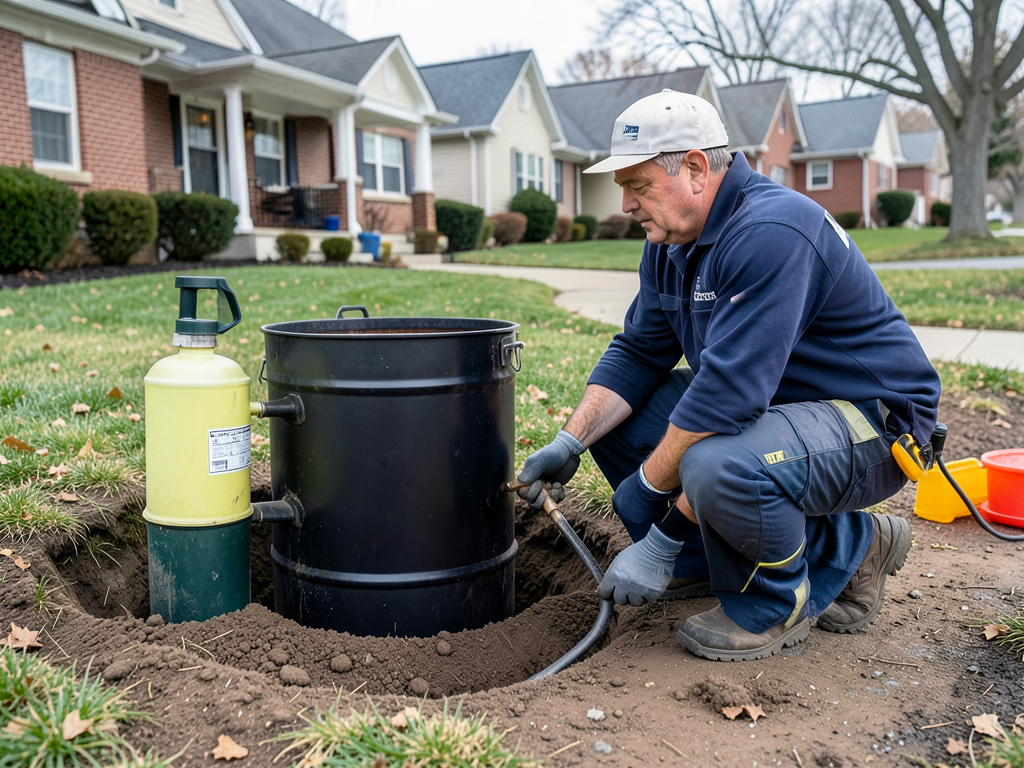
Removing an underground oil tank requires careful attention to environmental regulations. Connecticut DEEP mandates that all underground storage tanks be properly abandoned or removed when converting to another fuel source. The process involves pumping out remaining oil, cleaning the tank interior, and either removing the tank entirely or filling it with an approved inert material. Soil testing is often required to check for contamination, particularly in older South End properties where tanks may have been installed before modern environmental standards. The tank removal process typically costs $1,500-$3,000 and requires 1-2 days to complete. Some contractors offer financing options specifically for tank removal as part of the conversion package. High Efficiency AC Options for Luxury Homes in Glastonbury.
Chimney Modifications for Gas Conversion
Oil heating systems produce higher combustion temperatures than natural gas, often requiring chimney modifications when converting. Natural gas exhaust is cooler and contains more moisture, which can condense in existing chimneys and cause damage over time. Most South End homes built before 1980 will need a stainless steel chimney liner installed to accommodate the new system. The liner prevents moisture damage and ensures proper draft for safe operation. Chimney modifications typically add $800-$1,500 to the conversion cost but are essential for preventing costly water damage and ensuring code compliance.. Read more about How to Decide if a Tankless Water Heater is Worth the Switch in Your West End Home.
Choosing the Right Equipment for Your South End Home
Selecting appropriate equipment is crucial for maximizing efficiency and comfort. For homes with existing radiators, a high-efficiency gas boiler is typically the best choice. Modern condensing boilers achieve AFUE ratings of 95% or higher by capturing heat from exhaust gases that would otherwise be wasted. Homes with ductwork are better suited for gas furnaces, with variable-speed models offering superior comfort through precise temperature control and humidity management. Popular brands for the Hartford market include Navien, Bosch, and Carrier, all offering models eligible for Energize Connecticut rebates. A professional load calculation ensures the selected equipment matches your home’s specific heating requirements.
Timeline and Disruption During Conversion
The complete conversion process typically requires 3-5 days from start to finish. Day one involves removing the old equipment and oil tank, along with any necessary chimney work. Gas line installation and pressure testing occur on day two, followed by equipment installation on day three. The final day includes system commissioning, testing, and the building department inspection. Homeowners should plan for temporary heat interruption during the transition, usually lasting 4-8 hours. Working with a contractor who can coordinate all aspects of the project minimizes disruption and ensures a smooth transition to your new heating system.
Common Concerns and How to Address Them
Many South End homeowners worry about gas line availability, especially in older neighborhoods. Connecticut Natural Gas maintains an online service area map, and most homes built after 1960 have existing gas infrastructure. If gas service is unavailable, the cost of extending a line from the nearest main can range from $1,000 to $5,000 depending on distance. Another common concern involves the reliability of natural gas supply during winter storms. Unlike oil, which can be delivered even during extreme weather, gas service depends on pipeline integrity. However, Connecticut’s underground gas infrastructure has proven highly reliable, with minimal service interruptions even during major storms. Reliable Commercial HVAC Maintenance for Businesses in Downtown Hartford.
Maintenance Requirements for Gas Heating Systems
Natural gas systems require less frequent maintenance than oil systems but still need annual professional servicing to maintain efficiency and safety. A typical maintenance visit includes inspecting the heat exchanger for cracks, testing gas pressure and combustion efficiency, cleaning the burner assembly, and checking safety controls. Modern high-efficiency equipment may also require occasional condensate drain cleaning and filter replacement. The reduced maintenance burden compared to oil systems represents another advantage, with most homeowners spending $100-$200 annually on professional service versus $300-$500 for oil systems.
ROI and Long-Term Value Considerations
Beyond immediate energy savings, converting to natural gas can increase your home’s market value and appeal to future buyers. Energy-efficient homes typically sell faster and at premium prices in Hartford’s competitive market. The elimination of the oil tank also removes a potential environmental liability that could complicate future sales. For homeowners planning to stay 5+ years, the combination of energy savings, reduced maintenance costs, and increased home value often provides a compelling return on investment. Additionally, natural gas systems integrate seamlessly with air conditioning and whole-house dehumidification, offering year-round comfort improvements.
Getting Started with Your Conversion
The first step in converting from oil to natural gas is scheduling a professional assessment of your home’s heating needs and gas service availability. A qualified HVAC contractor will evaluate your existing system, inspect your property for gas line access, and provide a detailed proposal including equipment recommendations, permit requirements, and projected energy savings. Be sure to ask about their experience with South End homes specifically, as the neighborhood’s unique housing stock presents specific challenges and opportunities. Request references from recent conversions in your area to verify the contractor’s expertise with Hartford’s building codes and utility coordination requirements.
Frequently Asked Questions
How long does the entire oil to gas conversion process take?
The complete process typically requires 3-5 days for the physical installation, plus 2-3 weeks for permits and inspections. Most homeowners can complete the entire conversion within 4-6 weeks from initial assessment to final inspection.
Can I keep my existing radiators when converting to natural gas?
Yes, if you have hot water radiators, you can install a high-efficiency gas boiler that works with your existing system. The radiators and piping remain unchanged, though the boiler itself will be replaced with a modern, more efficient model.
What if natural gas isn’t available on my street?
If gas service isn’t currently available, Connecticut Natural Gas can often extend a line to your property. The cost varies based on distance but typically ranges from $1,000 to $5,000. In some cases, neighborhood-wide extensions may be possible with shared costs among multiple homeowners.
Are there any environmental concerns with natural gas?
While natural gas burns cleaner than oil, it is still a fossil fuel. However, modern high-efficiency equipment minimizes environmental impact, and the reduced carbon emissions compared to oil make it a more environmentally responsible choice for most homeowners in the short to medium term.
Will I need to replace my oil tank before converting?
Yes, Connecticut regulations require that underground oil tanks be properly removed or abandoned when converting to another fuel source. Above-ground tanks must also be properly decommissioned. This process ensures environmental protection and code compliance.
Converting from oil to natural gas represents a significant investment in your home’s comfort, efficiency, and value. For South End homeowners dealing with aging oil systems and rising fuel costs, the combination of energy savings, environmental benefits, and available rebates makes this conversion increasingly attractive. The process requires careful planning and coordination with qualified professionals who understand Hartford’s specific requirements and the unique characteristics of South End homes. With proper execution, the switch to natural gas provides reliable, efficient heating for decades to come while reducing both your energy bills and environmental impact.
Ready to explore your oil to gas conversion options? Call (959) 203-9992 today to schedule your free assessment and take the first step toward lower energy costs and improved home comfort. Our experienced team understands the specific needs of South End homes and can guide you through every step of the conversion process.
{
“@context”: “https://schema.org”,
“@type”: “BlogPosting”,
“headline”: “Comparing the Pros and Cons of Oil to Natural Gas Conversions in the South End”,
“description”: “Thinking about converting from oil to natural gas in Hartford’s South End? Learn costs, rebates, and the conversion process from local experts. Call (959) 203-9992.”,
“wordCount”: 2037,
“datePublished”: “2026-06-08T13:01:00.000Z”,
“dateModified”: “2026-06-08T13:01:00.000Z”,
“inLanguage”: “en-US”,
“mainEntityOfPage”: {
“@type”: “WebPage”,
“@id”: “https://libertyhvachartford.com”
},
“publisher”: {
“@type”: “LocalBusiness”,
“name”: “Liberty HVAC Hartford”,
“url”: “https://libertyhvachartford.com”
},
“author”: {
“@type”: “Organization”,
“name”: “Liberty HVAC Hartford”,
“url”: “https://libertyhvachartford.com”
},
“image”: {
“@type”: “ImageObject”,
“url”: “https://libertyhvachartford.com/wp-content/uploads/2026/03/comparing-the-pros-and-cons-of-oil-to-natural-gas-1.png”
}
}
{
“@context”: “https://schema.org”,
“@type”: “HVACBusiness”,
“name”: “Liberty HVAC Hartford”,
“url”: “https://libertyhvachartford.com”,
“address”: {
“@type”: “PostalAddress”,
“addressLocality”: “Hartford”
},
“areaServed”: {
“@type”: “City”,
“name”: “Hartford”
}
}
{
“@context”: “https://schema.org”,
“@type”: “FAQPage”,
“mainEntity”: [
{
“@type”: “Question”,
“name”: “How long does the entire oil to gas conversion process take?”,
“acceptedAnswer”: {
“@type”: “Answer”,
“text”: “The complete process typically requires 3-5 days for the physical installation, plus 2-3 weeks for permits and inspections. Most homeowners can complete the entire conversion within 4-6 weeks from initial assessment to final inspection.”
}
},
{
“@type”: “Question”,
“name”: “Can I keep my existing radiators when converting to natural gas?”,
“acceptedAnswer”: {
“@type”: “Answer”,
“text”: “Yes, if you have hot water radiators, you can install a high-efficiency gas boiler that works with your existing system. The radiators and piping remain unchanged, though the boiler itself will be replaced with a modern, more efficient model.”
}
},
{
“@type”: “Question”,
“name”: “What if natural gas isn’t available on my street?”,
“acceptedAnswer”: {
“@type”: “Answer”,
“text”: “If gas service isn’t currently available, Connecticut Natural Gas can often extend a line to your property. The cost varies based on distance but typically ranges from $1,000 to $5,000. In some cases, neighborhood-wide extensions may be possible with shared costs among multiple homeowners.”
}
},
{
“@type”: “Question”,
“name”: “Are there any environmental concerns with natural gas?”,
“acceptedAnswer”: {
“@type”: “Answer”,
“text”: “While natural gas burns cleaner than oil, it is still a fossil fuel. However, modern high-efficiency equipment minimizes environmental impact, and the reduced carbon emissions compared to oil make it a more environmentally responsible choice for most homeowners in the short to medium term.”
}
},
{
“@type”: “Question”,
“name”: “Will I need to replace my oil tank before converting?”,
“acceptedAnswer”: {
“@type”: “Answer”,
“text”: “Yes, Connecticut regulations require that underground oil tanks be properly removed or abandoned when converting to another fuel source. Above-ground tanks must also be properly decommissioned. This process ensures environmental protection and code compliance.”
}
}
]
}
{
“@context”: “https://schema.org”,
“@type”: “BreadcrumbList”,
“itemListElement”: [
{
“@type”: “ListItem”,
“position”: 1,
“name”: “Home”,
“item”: “https://libertyhvachartford.com”
},
{
“@type”: “ListItem”,
“position”: 2,
“name”: “Blog”,
“item”: “https://libertyhvachartford.com/blog”
},
{
“@type”: “ListItem”,
“position”: 3,
“name”: “Comparing the Pros and Cons of Oil to Natural Gas Conversions in the South End”
}
]
}
{
“@context”: “https://schema.org”,
“@type”: “Service”,
“serviceType”: “HVAC”,
“provider”: {
“@type”: “LocalBusiness”,
“name”: “Liberty HVAC Hartford”,
“url”: “https://libertyhvachartford.com”
},
“areaServed”: {
“@type”: “City”,
“name”: “Hartford”
},
“description”: “Thinking about converting from oil to natural gas in Hartford’s South End? Learn costs, rebates, and the conversion process from local experts. Call (959) 203-9992.”
}