
The Best Ways to Cool an Old Victorian Home in the West End Without Ruining the Architecture
Old Victorian homes in Hartford’s West End need modern cooling but can’t sacrifice their architectural charm. High-velocity systems, ductless mini-splits, and VRF technology offer cooling solutions that preserve plaster walls, original woodwork, and historic facades. This guide covers the best cooling options for West End Victorians while meeting Hartford’s historic preservation requirements. Hartford Historic Preservation Commission.
The Unique Challenges of Air Conditioning Hartford’s Vintage Properties
West End Victorian homes built before 1900 present specific cooling challenges. These homes feature plaster and lath walls, decorative moldings, and intricate woodwork that traditional ductwork would damage. The original construction methods used balloon framing and load-bearing walls that make hidden duct runs nearly impossible.. Read more about Why Custom Ductwork Design Is the Secret to Better Airflow in Your New Windsor Home.
Connecticut’s humid continental climate compounds the problem. Summer humidity in Hartford regularly exceeds 70%, creating uncomfortable conditions in unairconditioned homes. The combination of high heat and moisture can damage historic plaster, cause wood expansion, and create conditions for mold growth behind walls.. Read more about Solving the Problem of Cold Upstairs Rooms in Your Multi Story Simsbury Home.
Many West End homes also sit within Hartford’s historic districts. Any exterior modifications require approval from the Hartford Historic Preservation Commission. This includes condenser placement, vent locations, and any penetrations through original siding or masonry.
Older homes typically lack adequate insulation in walls and attics. This means cooling systems must work harder to maintain comfortable temperatures. The challenge becomes finding solutions that provide modern comfort without requiring invasive construction that could compromise the home’s historic integrity.
Top 3 HVAC Solutions for Homes Without Existing Ductwork
1. High-Velocity HVAC Systems (The ‘Invisible’ Solution)
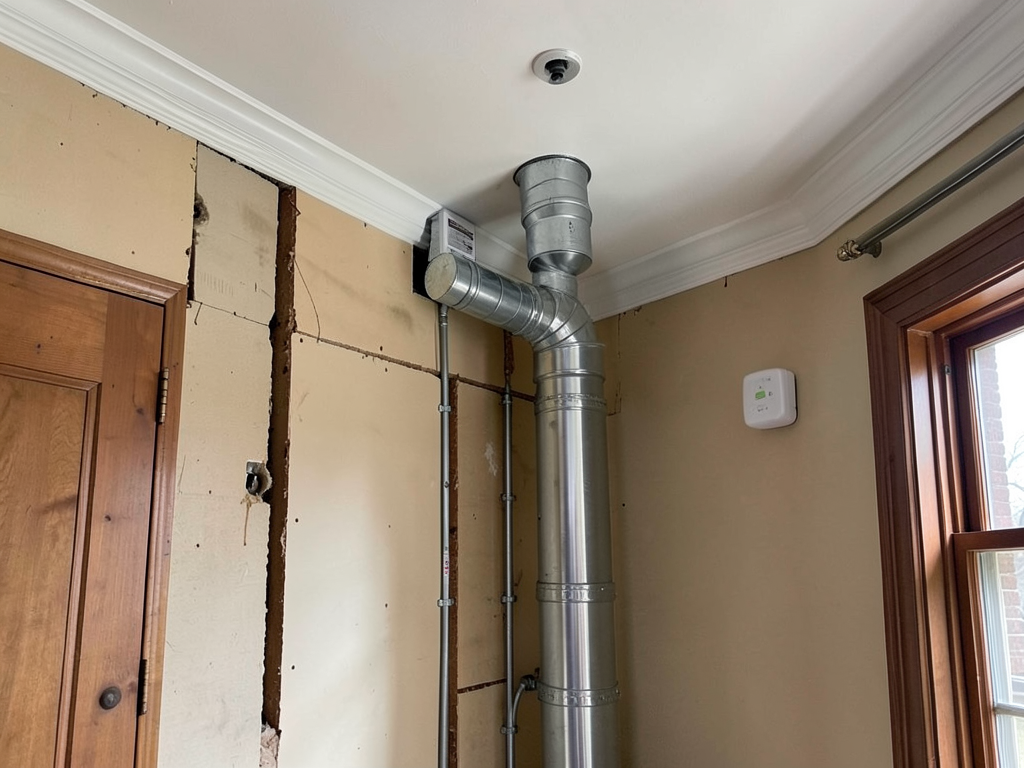
High-velocity HVAC systems use small, flexible ducts that can fit through existing wall cavities without removing plaster. These systems operate at higher pressures than traditional forced air, allowing them to use 2-inch diameter ducts instead of the standard 6-inch to 12-inch ducts.. Read more about How to Choose Between a Standard Heat Pump and a Hybrid Dual Fuel System.
The Unico System and SpacePak represent the leading high-velocity options for historic homes. Both systems use mini-ducts that snake through walls, floors, and ceilings with minimal disruption. The small outlets blend into existing trim work or can be painted to match wall colors. High Efficiency AC Options for Luxury Homes in Glastonbury.
Installation involves running supply ducts through attic spaces, floor cavities, and wall chases. Return air can often be handled through existing fireplaces or discreetly placed grilles. The outdoor condenser typically mounts on the ground near the home, requiring only small refrigerant lines through the foundation.. Read more about How to Keep Your Parkville Retail Space Cool Without Breaking the Bank.
High-velocity systems provide excellent dehumidification. The high-pressure air movement creates a cooling effect that makes rooms feel comfortable at higher temperatures. This reduces energy consumption while maintaining comfort in Hartford’s humid summers. The Best Energy Efficient Boilers for Hartford Homes with Old Radiators.
2. Ductless Mini-Split Installations: Performance Meets Preservation
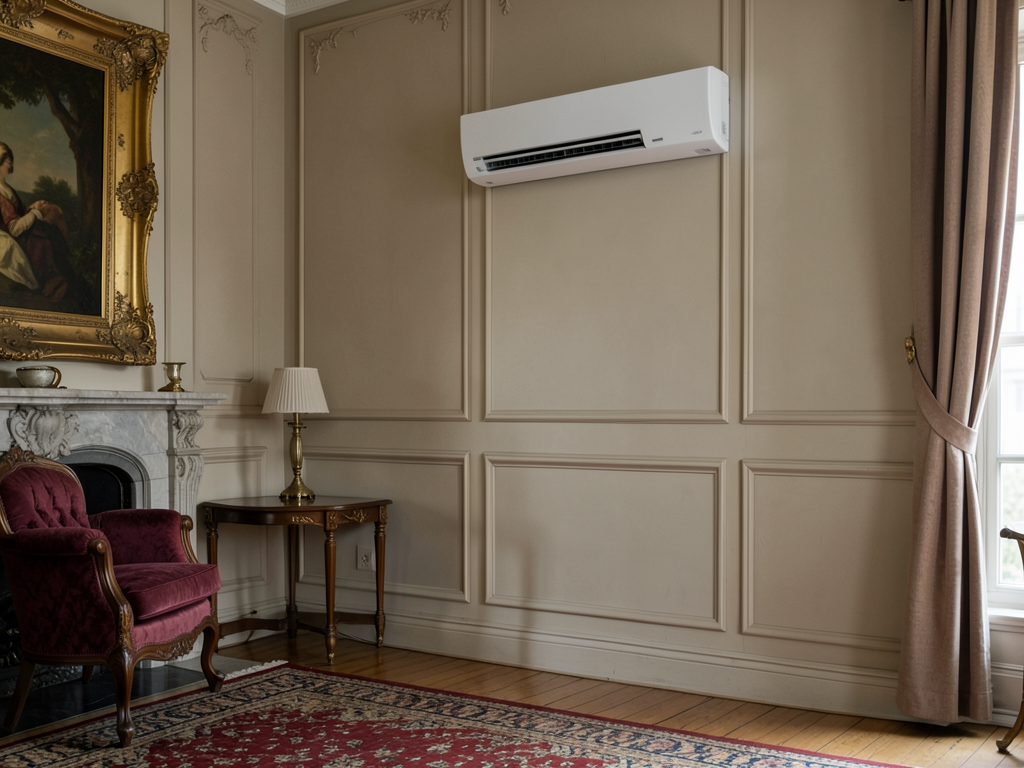
Ductless mini-split systems offer the least invasive cooling option for historic homes. These systems consist of an outdoor condenser and one or more indoor air handlers mounted on walls or ceilings. No ductwork means no demolition of plaster walls or historic trim.
Modern mini-splits achieve SEER2 ratings up to 25, making them highly efficient for older homes with poor insulation. The indoor units can be mounted high on walls where they become nearly invisible from floor level. Some models offer ceiling cassette options that recess flush with the ceiling plane.
Installation requires only a 3-inch hole through the wall for refrigerant lines and condensate drain. This minimal penetration satisfies most Hartford Historic District Commission requirements. The outdoor units can be placed on ground pads or mounted on brackets to avoid ground-level visibility.
Multi-zone systems allow different temperature settings in various rooms. This zoning capability proves valuable in historic homes where some rooms receive more sun exposure than others. The inverter technology in modern mini-splits provides consistent temperatures without the temperature swings of older systems.
3. VRF Systems for Multi-Story Historic Residences
Variable Refrigerant Flow (VRF) systems represent the premium solution for cooling large historic homes. These commercial-grade systems offer the efficiency of mini-splits with the capacity to handle multiple zones across several floors. Reliable Commercial HVAC Maintenance for Businesses in Downtown Hartford.
VRF systems use inverter-driven compressors that modulate capacity based on demand. This means the system runs continuously at varying speeds rather than cycling on and off. The result is more consistent temperatures and better humidity control in Hartford’s muggy summers. Compressor Failure Repair.
The outdoor VRF units can be significantly smaller than traditional systems while providing greater capacity. This matters for West End homes where yard space may be limited. The indoor units offer various mounting options including concealed ceiling units that hide entirely above the ceiling plane.
VRF technology allows for simultaneous heating and cooling in different zones. This proves useful in spring and fall when some rooms may need cooling while others require heating. The system’s advanced controls can be managed via smartphone apps for convenient operation.
Navigating Hartford’s Historic District Guidelines and Permitting
The Hartford Historic Preservation Commission requires review for any exterior modifications to homes within historic districts. This includes air conditioning condenser placement, refrigerant line routing, and any penetrations through original building fabric.. Read more about Professional Central Air Conditioning Installation for Wethersfield Homeowners.
Applications must include detailed drawings showing the proposed installation. The commission evaluates proposals based on visual impact, reversibility, and compatibility with the historic character. Ground-mounted condensers generally receive approval if screened from public view by landscaping or fencing.
Wall penetrations require special consideration. The commission prefers routing refrigerant lines through existing foundation openings or inconspicuous locations. Exposed lines must be painted to match the building exterior. Some installations use decorative conduit that complements the home’s architectural style.
Roof-mounted equipment rarely receives approval for historic homes. The visual impact from street level typically violates preservation guidelines. Ground-mounted or side-yard installations with proper screening offer better chances for approval.
The permitting process typically takes 2-4 weeks for standard installations. Complex projects involving multiple units or unusual mounting configurations may require additional review time. Working with contractors experienced in historic home installations helps navigate the approval process more smoothly.
Energy Efficiency and Rebates: Energize Connecticut for Older Homes
Energize Connecticut offers rebates for high-efficiency cooling systems in existing homes. Heat pump installations qualify for rebates up to $2,000 depending on the system’s efficiency rating. These rebates make high-efficiency options more affordable for West End homeowners. Energize Connecticut rebates.
Heat pumps provide both cooling and heating, replacing the need for separate air conditioning and heating systems. Modern cold-climate heat pumps operate efficiently even when outdoor temperatures drop below freezing. This makes them suitable for Hartford’s cold winters and hot summers.
The Inflation Reduction Act provides additional tax credits for energy-efficient home improvements. Homeowners can claim 30% of qualified expenses up to $1,200 annually. Heat pump installations, insulation improvements, and electrical panel upgrades all qualify for these credits.
Older homes often have inadequate insulation and air sealing. Improving these elements before installing cooling systems can reduce the required system size by 30-50%. This means lower installation costs and reduced operating expenses. Energize Connecticut offers free energy assessments to identify improvement opportunities.. Read more about How Installing a Whole House Dehumidifier Can Stop Mold Growth in Your Basement.
High-efficiency systems with SEER2 ratings above 16 qualify for the best rebates. The initial cost premium typically pays back within 3-5 years through energy savings and available incentives. The reduced operating costs provide ongoing savings throughout the system’s 15-20 year lifespan.
Case Study: Modernizing a West End Victorian
A 1905 Queen Anne Victorian on Scarborough Street needed cooling without damaging its original plaster walls and decorative woodwork. The homeowners wanted to preserve the home’s historic character while adding modern comfort for their growing family.. Read more about Exploring the Benefits of Adding a Zoning System to Your Existing HVAC Setup.
The solution involved installing a Unico high-velocity system throughout the 3,500 square foot home. The installation team routed supply ducts through existing wall cavities and floor spaces. Return air was handled through existing fireplace openings with custom grilles that matched the original woodwork.
The outdoor condenser was placed on a ground-mounted pad behind a newly constructed lattice screen. The screen used materials and design elements that complemented the home’s Victorian architecture. Refrigerant lines were routed through an existing foundation opening and painted to match the siding.
The entire installation took three weeks and preserved all original plaster and woodwork. The homeowners reported even cooling throughout the home with no hot or cold spots. The system’s dehumidification capability made the home comfortable even during Hartford’s most humid summer days.. Read more about Why Your New Britain Home Feels So Humid Even When the AC Is Running.
The project cost $28,000 including all equipment, installation, and historic district permitting. The homeowners qualified for $2,400 in Energize Connecticut rebates and $1,500 in federal tax credits. The final net cost of $24,100 provided a solution that would last for decades without compromising the home’s historic integrity.
Comparison of Cooling Options for Historic Homes
| System Type | Installation Invasiveness | Visual Impact | Cost Range | Best For |
|---|---|---|---|---|
| High-Velocity | Low-Medium | Minimal | $15,000-$30,000 | Whole-house cooling |
| Ductless Mini-Split | Very Low | Low | $8,000-$20,000 | Room-by-room control |
| VRF System | Medium | Minimal | $25,000-$50,000 | Large multi-story homes |
Frequently Asked Questions
Will installing air conditioning damage my historic plaster walls?
Modern high-velocity and ductless systems minimize wall damage. High-velocity systems use 2-inch ducts that fit through existing cavities. Ductless systems require only a 3-inch hole for refrigerant lines. Both options preserve original plaster and woodwork.
How long does installation take for a historic home?
Most installations require 2-4 weeks including historic district permitting. High-velocity systems typically take 1-2 weeks for installation. Ductless systems can often be completed in 3-5 days. Complex VRF installations may require 3-4 weeks.
Can I get rebates for cooling system installation?
Yes. Energize Connecticut offers rebates up to $2,000 for high-efficiency heat pumps. Federal tax credits provide 30% of qualified expenses up to $1,200 annually. Many systems also qualify for utility company rebates.
What about heating? Can these systems provide winter heat?
Heat pump systems provide both cooling and heating. Modern cold-climate heat pumps operate efficiently even when temperatures drop below zero. This eliminates the need for separate heating and cooling systems in most West End homes.
Will my energy bills increase significantly?
High-efficiency systems often reduce energy costs despite adding cooling. Modern heat pumps use 30-50% less energy than older systems. Proper sizing and installation ensure optimal efficiency for your specific home.
Protecting Your Investment: Maintenance and Care
Regular maintenance keeps high-efficiency cooling systems operating at peak performance. Annual professional maintenance includes checking refrigerant levels, cleaning coils, and testing electrical components. This prevents costly breakdowns and extends system life.
Historic homes often have unique maintenance needs. The original construction may have settled unevenly, affecting how the cooling system distributes air. Professional technicians familiar with historic properties can identify and address these issues before they cause comfort problems.
Filter changes become especially important in older homes with original plaster and woodwork. These materials can release more dust than modern construction. High-efficiency filters protect both the cooling system and indoor air quality. Most systems require filter changes every 1-3 months depending on usage.
Humidity control proves critical for preserving historic materials. The cooling system should maintain indoor humidity between 30-50%. Lower humidity can cause wood to crack, while higher humidity promotes mold growth. Modern systems with dehumidification modes help maintain optimal conditions.
Monitoring system performance helps identify issues early. Unusual noises, reduced cooling capacity, or increased energy bills often indicate developing problems. Addressing these promptly prevents more extensive damage and maintains comfort throughout the cooling season.
Making the Right Choice for Your West End Home
Selecting the right cooling system depends on your home’s specific characteristics and your comfort priorities. High-velocity systems work best for whole-house cooling with minimal visual impact. Ductless mini-splits offer the most flexibility for room-by-room control. VRF systems provide premium performance for large homes with multiple zones.. Read more about Choosing the Right Size Central Air Unit for a Smaller Home in Northeast Hartford.
Consider your home’s architectural significance when making decisions. More invasive options might provide better performance but could compromise historic integrity. The goal is finding the balance between modern comfort and historic preservation that works for your specific situation.
Professional assessment helps identify the best solution for your home. A qualified technician can evaluate your home’s construction, insulation levels, and cooling needs. This ensures proper system sizing and identifies any necessary modifications before installation begins.
The investment in proper cooling pays dividends in comfort, energy savings, and property value. Historic homes with modern HVAC systems often command premium prices in the real estate market. The right system preserves your home’s character while providing the comfort you expect in the 21st century.
Call (959) 203-9992 today to schedule your inspection and discover which cooling solution works best for your historic West End Victorian. Our team specializes in preserving architectural integrity while providing modern comfort. Don’t wait until summer heat makes your home unbearable.
Understanding Hartford’s Climate Impact on Cooling Needs
Hartford’s climate creates specific cooling challenges that affect system selection and sizing. The city experiences approximately 44 inches of rainfall annually, with summer thunderstorms often bringing high humidity. This moisture content in the air makes dehumidification as important as cooling capacity.
Summer temperatures in Hartford regularly reach the 90s, with heat index values often exceeding 100 degrees during July and August. The urban heat island effect in downtown Hartford can make conditions feel even warmer. Cooling systems must handle these extreme conditions while maintaining efficiency.
Connecticut’s seasonal temperature swings mean cooling systems often run for extended periods during summer. This continuous operation requires systems built for reliability and efficiency. The high cost of electricity in Connecticut makes energy efficiency a priority for most homeowners.
Winter conditions affect cooling system selection as well. Many homeowners prefer systems that provide both heating and cooling to avoid maintaining separate systems. Heat pump technology has advanced to handle Hartford’s cold winters while still providing efficient cooling in summer.
The proximity to Long Island Sound influences local weather patterns. Sea breezes can moderate temperatures somewhat, but also increase humidity levels. This maritime influence means cooling systems must handle both high sensible cooling loads and significant latent loads for moisture removal.
Integration with Existing Home Systems
Many West End Victorians retain original heating systems like radiators or hot water boilers. These systems often provide excellent heating but cannot provide cooling. The challenge becomes integrating new cooling without interfering with existing heating infrastructure.. Read more about Why Your Steam Radiators Are Clanging and How to Make Them Quiet Again.
High-velocity systems can coexist with radiator heating. The small ducts require minimal space and don’t interfere with radiator placement. Ductless mini-splits provide completely independent operation, allowing homeowners to use heating and cooling separately as needed.
Electrical system capacity often requires evaluation before installing new cooling equipment. Many historic homes have electrical service that predates modern cooling needs. Upgrading electrical service may be necessary to support new cooling systems, especially whole-house installations.
Plumbing systems may need minor modifications to accommodate condensate drains from cooling equipment. Most systems produce 5-10 gallons of condensate daily during peak cooling season. Proper drainage prevents water damage and maintains system efficiency.
Smart home integration has become increasingly popular. Modern cooling systems offer Wi-Fi connectivity and smartphone control. This allows homeowners to adjust temperatures remotely and monitor system performance. Integration with existing smart home platforms provides centralized control of all home systems.
Long-Term Value and Property Considerations
Installing proper cooling in a historic home represents a significant investment that affects property value. Homes with modern HVAC systems typically sell faster and at higher prices than those without. The key is ensuring the installation enhances rather than detracts from the home’s historic character.
Energy efficiency improvements often qualify for various incentives and rebates. These can offset a significant portion of installation costs. The reduced operating costs provide ongoing savings throughout the system’s lifetime. Many homeowners find the energy savings alone justify the initial investment.
Maintenance costs for modern cooling systems are generally lower than older equipment. The improved reliability means fewer service calls and less downtime. Many systems include comprehensive warranties that protect against major component failures.
The environmental impact of cooling choices matters to many West End homeowners. High-efficiency systems reduce carbon emissions and energy consumption. Heat pumps provide environmentally friendly heating and cooling compared to fossil fuel alternatives.
Future resale considerations should influence system selection. Choosing options that preserve historic character while providing modern comfort appeals to the broadest range of potential buyers. This balance maximizes both personal enjoyment and long-term property value.
Call (959) 203-9992 before the next heat wave hits. Our historic home cooling specialists can assess your West End Victorian and recommend the perfect system to keep you comfortable without compromising your home’s architectural integrity. Don’t let another summer pass without the cooling comfort you deserve.
[IMAGE_PLACEHOLDER_3>
- Assess Your Home’s Needs
Evaluate square footage, insulation levels, and existing ductwork. Consider whether you need whole-house cooling or room-by-room control.
- Consider Architectural Impact
Determine how invasive each system option would be to your home’s historic features. High-velocity and ductless systems preserve plaster and woodwork.
- Check Historic District Requirements
Review Hartford Historic Preservation Commission guidelines for exterior modifications. Ground-mounted equipment with screening typically receives approval.
- Evaluate Energy Efficiency
Compare SEER2 ratings and available rebates. Higher efficiency systems cost more initially but save money long-term. Stop Wasting Money with an Annual HVAC Tune Up in East Hartford.
- Get Professional Assessment
Have a qualified technician evaluate your specific home and recommend appropriate system sizing and configuration.
{
“@context”: “https://schema.org”,
“@type”: “BlogPosting”,
“headline”: “The Best Ways to Cool an Old Victorian Home in the West End Without Ruining the Architecture”,
“description”: “Discover high-velocity HVAC, ductless mini-splits, and VRF systems for cooling Hartford’s historic West End homes without damaging Victorian architecture.”,
“wordCount”: 2829,
“datePublished”: “2026-03-07T11:54:00.000Z”,
“dateModified”: “2026-03-07T11:54:00.000Z”,
“inLanguage”: “en-US”,
“mainEntityOfPage”: {
“@type”: “WebPage”,
“@id”: “https://libertyhvachartford.com”
},
“publisher”: {
“@type”: “LocalBusiness”,
“name”: “Liberty HVAC Hartford”,
“url”: “https://libertyhvachartford.com”
},
“author”: {
“@type”: “Organization”,
“name”: “Liberty HVAC Hartford”,
“url”: “https://libertyhvachartford.com”
},
“image”: {
“@type”: “ImageObject”,
“url”: “https://libertyhvachartford.com/wp-content/uploads/2026/03/the-best-ways-to-cool-an-old-victorian-home-in-the-1.png”
}
}
{
“@context”: “https://schema.org”,
“@type”: “HVACBusiness”,
“name”: “Liberty HVAC Hartford”,
“url”: “https://libertyhvachartford.com”,
“address”: {
“@type”: “PostalAddress”,
“addressLocality”: “Hartford”
},
“areaServed”: {
“@type”: “City”,
“name”: “Hartford”
}
}
{
“@context”: “https://schema.org”,
“@type”: “FAQPage”,
“mainEntity”: [
{
“@type”: “Question”,
“name”: “Will installing air conditioning damage my historic plaster walls?”,
“acceptedAnswer”: {
“@type”: “Answer”,
“text”: “Modern high-velocity and ductless systems minimize wall damage. High-velocity systems use 2-inch ducts that fit through existing cavities. Ductless systems require only a 3-inch hole for refrigerant lines. Both options preserve original plaster and woodwork.”
}
},
{
“@type”: “Question”,
“name”: “How long does installation take for a historic home?”,
“acceptedAnswer”: {
“@type”: “Answer”,
“text”: “Most installations require 2-4 weeks including historic district permitting. High-velocity systems typically take 1-2 weeks for installation. Ductless systems can often be completed in 3-5 days. Complex VRF installations may require 3-4 weeks.”
}
},
{
“@type”: “Question”,
“name”: “Can I get rebates for cooling system installation?”,
“acceptedAnswer”: {
“@type”: “Answer”,
“text”: “Yes. Energize Connecticut offers rebates up to $2,000 for high-efficiency heat pumps. Federal tax credits provide 30% of qualified expenses up to $1,200 annually. Many systems also qualify for utility company rebates.”
}
},
{
“@type”: “Question”,
“name”: “What about heating? Can these systems provide winter heat?”,
“acceptedAnswer”: {
“@type”: “Answer”,
“text”: “Heat pump systems provide both cooling and heating. Modern cold-climate heat pumps operate efficiently even when temperatures drop below zero. This eliminates the need for separate heating and cooling systems in most West End homes.”
}
},
{
“@type”: “Question”,
“name”: “Will my energy bills increase significantly?”,
“acceptedAnswer”: {
“@type”: “Answer”,
“text”: “High-efficiency systems often reduce energy costs despite adding cooling. Modern heat pumps use 30-50% less energy than older systems. Proper sizing and installation ensure optimal efficiency for your specific home.”
}
}
]
}
{
“@context”: “https://schema.org”,
“@type”: “HowTo”,
“name”: “How to Choose the Right Cooling System”,
“step”: [
{
“@type”: “HowToStep”,
“position”: 1,
“name”: “Assess Your Home’s Needs”,
“text”: “Evaluate square footage, insulation levels, and existing ductwork. Consider whether you need whole-house cooling or room-by-room control.”
},
{
“@type”: “HowToStep”,
“position”: 2,
“name”: “Consider Architectural Impact”,
“text”: “Determine how invasive each system option would be to your home’s historic features. High-velocity and ductless systems preserve plaster and woodwork.”
},
{
“@type”: “HowToStep”,
“position”: 3,
“name”: “Check Historic District Requirements”,
“text”: “Review Hartford Historic Preservation Commission guidelines for exterior modifications. Ground-mounted equipment with screening typically receives approval.”
},
{
“@type”: “HowToStep”,
“position”: 4,
“name”: “Evaluate Energy Efficiency”,
“text”: “Compare SEER2 ratings and available rebates. Higher efficiency systems cost more initially but save money long-term. Stop Wasting Money with an Annual HVAC Tune Up in East Hartford.”
},
{
“@type”: “HowToStep”,
“position”: 5,
“name”: “Get Professional Assessment”,
“text”: “Have a qualified technician evaluate your specific home and recommend appropriate system sizing and configuration.”
}
],
“image”: “https://libertyhvachartford.com/wp-content/uploads/2026/03/the-best-ways-to-cool-an-old-victorian-home-in-the-1.png”
}
{
“@context”: “https://schema.org”,
“@type”: “BreadcrumbList”,
“itemListElement”: [
{
“@type”: “ListItem”,
“position”: 1,
“name”: “Home”,
“item”: “https://libertyhvachartford.com”
},
{
“@type”: “ListItem”,
“position”: 2,
“name”: “Blog”,
“item”: “https://libertyhvachartford.com/blog”
},
{
“@type”: “ListItem”,
“position”: 3,
“name”: “The Best Ways to Cool an Old Victorian Home in the West End Without Ruining the Architecture”
}
]
}
{
“@context”: “https://schema.org”,
“@type”: “Service”,
“serviceType”: “HVAC”,
“provider”: {
“@type”: “LocalBusiness”,
“name”: “Liberty HVAC Hartford”,
“url”: “https://libertyhvachartford.com”
},
“areaServed”: {
“@type”: “City”,
“name”: “Hartford”
},
“description”: “Discover high-velocity HVAC, ductless mini-splits, and VRF systems for cooling Hartford’s historic West End homes without damaging Victorian architecture.”
}