
How to Keep Your Parkville Retail Space Cool Without Breaking the Bank
Keeping your Parkville retail space comfortable during Hartford’s humid summers doesn’t have to drain your profits. With strategic HVAC choices and maintenance practices, you can maintain ideal temperatures while controlling energy costs. The key lies in understanding your building’s specific cooling needs and implementing targeted solutions that work for Parkville’s unique commercial landscape. Reliable Commercial HVAC Maintenance for Businesses in Downtown Hartford.
Parkville’s mix of historic brick buildings and converted industrial spaces presents distinct cooling challenges. Many retail spaces in the 06106 area struggle with poor insulation, outdated ductwork, and oversized or undersized systems that waste energy. By addressing these issues systematically, you can reduce cooling costs by 15-30% while improving comfort for customers and staff. The Best Energy Efficient Boilers for Hartford Homes with Old Radiators.
Understanding Your Parkville Retail Space’s Cooling Needs
Before investing in new equipment, assess your current system’s performance. Parkville retail spaces typically fall into three categories: historic storefronts on Park Street, converted warehouse spaces along the Parkville corridor, and modern mixed-use developments. Each requires different cooling approaches based on building envelope, occupancy patterns, and heat-generating equipment.
Start with a professional energy audit to identify air leaks, inadequate insulation, and inefficient equipment. Many Hartford businesses discover that simple fixes like sealing ductwork and adding insulation provide immediate savings without replacing entire systems. This diagnostic approach prevents overspending on equipment that won’t address your actual cooling problems.
Cost-Effective Cooling Strategies for Parkville Businesses
Implement a layered cooling strategy that combines smart technology with basic maintenance. Programmable thermostats allow you to adjust temperatures based on business hours, potentially saving 10-15% on cooling costs. Smart vents can direct cool air to high-traffic areas while reducing flow to storage spaces or back rooms.
Consider ceiling fans as a low-cost complement to your HVAC system. They create air movement that makes spaces feel 3-4 degrees cooler, allowing you to set thermostats higher without sacrificing comfort. This simple addition can reduce cooling costs significantly during Hartford’s peak summer months.
Choosing the Right Commercial Cooling System
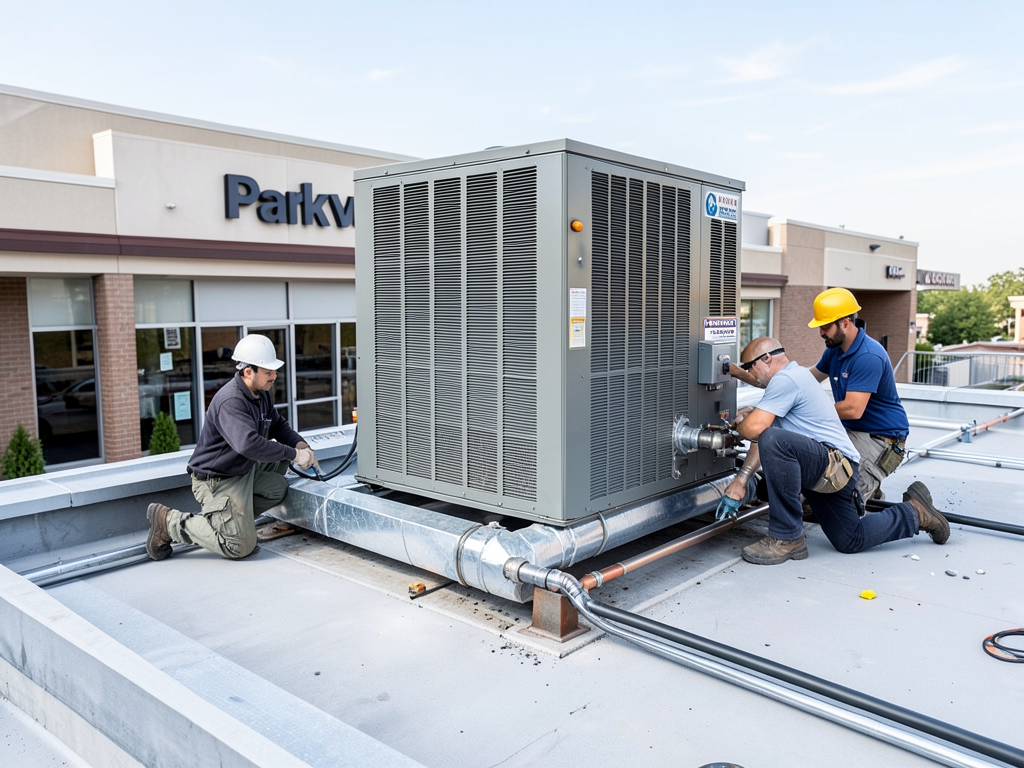
Selecting appropriate cooling equipment requires understanding Parkville’s specific needs. Rooftop units (RTUs) work well for single-story retail spaces, while split systems suit multi-level buildings. VRF (Variable Refrigerant Flow) systems offer zoned cooling for mixed-use spaces, allowing different temperature settings in various areas.
When evaluating systems, look beyond initial costs to total ownership expenses. Energy-efficient units with higher SEER ratings may cost more upfront but typically pay for themselves within 2-3 years through reduced utility bills. Connecticut’s Energize Connecticut program offers rebates for high-efficiency commercial equipment, making upgrades more affordable. Energize Connecticut.
Maintenance Practices That Save Money
Regular maintenance prevents costly breakdowns and keeps systems running efficiently. Change air filters monthly during peak cooling season to maintain proper airflow. Clean condenser coils quarterly to prevent the system from working harder than necessary. These simple tasks can improve efficiency by 5-15%. High Efficiency AC Options for Luxury Homes in Glastonbury.
Schedule professional maintenance twice yearly to catch small issues before they become expensive problems. A technician can check refrigerant levels, inspect electrical connections, and calibrate controls. This preventative approach typically costs $200-400 annually but can prevent $2,000-5,000 emergency repairs. EPA Energy Saver.
Smart Technology for Commercial Cooling
Modern HVAC controls offer significant savings through automation and remote monitoring. Smart thermostats learn your business patterns and adjust temperatures automatically. Some systems can even predict equipment failures before they occur, preventing costly downtime during busy retail periods.
Energy management systems provide real-time data on cooling usage, helping identify waste patterns. For example, you might discover that your system runs full blast during off-hours when minimal cooling would suffice. These insights often reveal 10-20% savings opportunities that would otherwise go unnoticed.
Energy-Saving Upgrades for Parkville Retail Spaces
Window treatments significantly impact cooling costs. Reflective window film can block up to 70% of solar heat gain, reducing cooling loads substantially. Exterior awnings or strategic landscaping with shade trees can provide similar benefits while enhancing your storefront’s appearance.
LED lighting generates less heat than traditional fixtures, reducing the cooling burden on your HVAC system. This upgrade pays for itself through both reduced lighting and cooling costs. Many Parkville businesses report 20-30% total energy savings after switching to LED lighting.
Understanding Hartford’s Cooling Climate
Parkville’s location near the Connecticut River creates unique cooling challenges. High humidity levels in summer require systems with strong dehumidification capabilities. Standard cooling equipment often struggles with Hartford’s combination of heat and moisture, leading to uncomfortable conditions and higher energy bills.
The area’s historic building stock adds another layer of complexity. Many Parkville retail spaces feature brick construction that absorbs heat during the day and releases it slowly at night. This thermal mass effect requires cooling systems that can handle extended cooling cycles and manage humidity effectively.
Financial Incentives and Rebates
Connecticut offers several programs to help businesses upgrade cooling systems. The Energize Connecticut Smart-E Loan provides financing for energy-efficient equipment with favorable terms. Local utilities often offer rebates for high-efficiency units, LED lighting, and smart controls.
Federal tax incentives for energy-efficient commercial buildings can offset 30% of qualifying improvements. These programs change annually, so check current offerings before making major investments. The savings from incentives can make premium equipment cost-competitive with standard options.
Emergency Cooling Solutions
Even well-maintained systems can fail during Hartford’s hottest days. Portable cooling units provide backup during repairs or extreme heat waves. These units cost $500-2,000 depending on capacity but can prevent lost sales during system failures.
Consider a service agreement with a local HVAC provider that guarantees response times during summer months. This priority service can mean the difference between a few hours of discomfort and a full day of lost business during peak shopping periods.
DIY Cooling Tips for Retail Spaces
Simple changes can improve cooling efficiency without major investments. Keep doors closed to prevent cool air loss, especially during afternoon hours when outdoor temperatures peak. Rearrange merchandise to avoid blocking air vents and registers.
Educate staff about energy-saving practices like turning off equipment when not in use and keeping windows covered during the hottest parts of the day. These behavioral changes cost nothing but can reduce cooling needs by 5-10%.
Long-Term Planning for Cooling Efficiency
Develop a 3-5 year plan for cooling system improvements. Start with low-cost measures like maintenance and controls, then progress to equipment upgrades as budget allows. This phased approach spreads costs while delivering immediate savings from early improvements.
Document energy usage patterns to track improvement effectiveness. Many businesses find that initial investments in monitoring equipment pay for themselves through identified waste reduction. This data also helps justify future investments to stakeholders or partners.
Common Cooling Mistakes to Avoid
Avoid these costly errors that many Parkville retailers make. Don’t oversize your cooling system thinking bigger is better. Oversized units cycle on and off frequently, reducing efficiency and humidity control. They also cost more to operate and may not last as long.
Never skip regular maintenance to save money. Small issues that go unchecked typically become expensive repairs. A $100 filter change or $200 coil cleaning can prevent $1,000+ compressor failures. Stop Wasting Money with an Annual HVAC Tune Up in East Hartford.
Working with Local HVAC Professionals
Choose contractors familiar with Parkville’s specific building types and Hartford’s climate challenges. Local experience matters for understanding how historic buildings respond to modern cooling systems and what works best in the area’s unique conditions.
Request references from other Parkville businesses and check reviews specifically mentioning commercial cooling work. Commercial HVAC requires different expertise than residential systems, so verify the contractor’s commercial experience before hiring.
Seasonal Preparation Tips
Prepare your cooling system before summer heat arrives. Clean or replace filters, check refrigerant levels, and test the system in April or May. This early preparation prevents emergency calls when temperatures soar and contractors are busiest. Who to Call for Emergency Furnace Repair in Hartford in the Middle of the Night.
During shoulder seasons, use natural ventilation when possible. Parkville’s location allows for cool evening breezes that can reduce cooling needs if you have appropriate ventilation systems or can open windows strategically.
Measuring Cooling System Performance
Track key performance indicators to ensure your system operates efficiently. Monitor temperature differentials between supply and return air, which should typically be 15-20 degrees. Unusual readings often indicate problems like dirty coils or low refrigerant.
Keep records of energy usage patterns. Sudden increases in consumption without obvious causes (like hotter weather) suggest system problems. Many utility companies provide online tools for tracking usage and comparing it to similar businesses.
Future-Proofing Your Cooling Strategy
Consider emerging technologies that may benefit your business in coming years. Geothermal cooling systems, while expensive to install, offer extremely low operating costs and may become more viable as technology improves and costs decrease.
Stay informed about building code changes that may affect cooling requirements. Hartford periodically updates energy codes, and compliance may require system upgrades or modifications to existing equipment.
Creating a Comfortable Shopping Environment
Optimal retail temperatures typically range from 72-76 degrees Fahrenheit. However, the ideal temperature varies by merchandise type and customer demographics. Electronics stores may need cooler temperatures to prevent equipment overheating, while clothing stores might prefer slightly warmer settings for customer comfort.
Consider humidity control as part of your cooling strategy. High humidity makes spaces feel warmer and can damage merchandise. Many Hartford businesses find that dedicated dehumidification provides better comfort than cooling alone.
Building Envelope Improvements
Address your building’s thermal performance to reduce cooling loads. Add insulation to walls and ceilings where possible, especially in converted warehouse spaces common in Parkville. Even modest improvements can reduce cooling needs by 10-15%.
Seal air leaks around windows, doors, and penetrations. Small gaps can add up to the equivalent of leaving a window open year-round. Weatherstripping and caulking are inexpensive fixes that provide immediate savings.
Employee Training for Cooling Efficiency
Train staff to recognize cooling system issues and report them promptly. Simple observations like unusual noises, inconsistent temperatures, or higher-than-normal energy bills can help catch problems early when they’re less expensive to fix.
Establish protocols for opening and closing procedures that minimize cooling waste. For example, turning off display case lighting overnight and closing storage area doors can reduce cooling loads significantly.
Technology Integration for Maximum Savings
Modern building management systems can integrate HVAC with lighting, security, and other systems for optimal efficiency. These platforms use occupancy sensors and time schedules to minimize energy use while maintaining comfort.
Cloud-based monitoring allows you to track system performance remotely and receive alerts about potential issues. This technology helps prevent costly downtime and allows for proactive maintenance scheduling.
Environmental Considerations
Energy-efficient cooling not only saves money but also reduces your business’s environmental impact. Many customers prefer patronizing businesses that demonstrate environmental responsibility. Consider highlighting your efficiency efforts in marketing materials.
Look into renewable energy options like solar panels to power your cooling systems. While the initial investment is significant, the combination of energy savings and environmental benefits can enhance your business’s reputation and bottom line.
Conclusion: Taking Action on Cooling Efficiency
Effective cooling for your Parkville retail space requires a comprehensive approach combining smart equipment choices, regular maintenance, and energy-saving practices. Start with an energy audit to identify your specific needs, then implement solutions in phases based on priority and budget.
Remember that the most expensive system isn’t always the best choice. Focus on solutions that address your actual cooling challenges while fitting your budget constraints. Small improvements often provide better returns than major equipment replacements.
The key to success lies in understanding your building’s unique characteristics and implementing targeted solutions. With proper planning and execution, you can maintain comfortable temperatures for customers and staff while keeping operating costs under control.
Ready to improve your Parkville retail space’s cooling efficiency? Call (959) 203-9992 today to schedule a professional assessment and discover how much you could save on cooling costs this summer.
Frequently Asked Questions
How much can I expect to save by upgrading my retail space’s cooling system?
Most Parkville businesses see 15-30% savings on cooling costs after implementing efficiency improvements. The exact amount depends on your current system’s condition, building characteristics, and the specific upgrades you choose. Energy audits typically identify the highest-impact improvements for your situation.
What’s the typical payback period for energy-efficient commercial cooling equipment?
High-efficiency commercial cooling equipment typically pays for itself in 2-4 years through reduced energy bills. When you factor in Connecticut’s utility rebates and federal tax incentives, the payback period can shrink to 1-2 years for qualifying systems.
How often should I schedule maintenance for my retail space’s cooling system?
Schedule professional maintenance twice yearly – once before cooling season and once before heating season. Additionally, change air filters monthly during peak cooling months. This preventative approach costs a few hundred dollars annually but prevents thousands in emergency repairs.
Are there specific cooling considerations for historic Parkville retail buildings?
Yes, historic buildings often have poor insulation, outdated ductwork, and thermal mass that affects cooling performance. These structures typically benefit from targeted improvements like duct sealing, insulation upgrades, and systems designed for humidity control rather than just temperature reduction.
What size cooling system do I need for my Parkville retail space?
System sizing depends on your building’s square footage, insulation levels, window exposure, and heat-generating equipment. A professional load calculation ensures you get the right size – not too big (which wastes energy) or too small (which can’t maintain comfort). Most retail spaces need 20-30 BTU per square foot.
{
“@context”: “https://schema.org”,
“@type”: “BlogPosting”,
“headline”: “How to Keep Your Parkville Retail Space Cool Without Breaking the Bank”,
“description”: “Discover cost-effective commercial cooling solutions for Parkville retail spaces. Learn about energy-efficient systems, maintenance tips, and local incentives to save money.”,
“wordCount”: 2248,
“datePublished”: “2026-03-17T15:28:00.000Z”,
“dateModified”: “2026-03-17T15:28:00.000Z”,
“inLanguage”: “en-US”,
“mainEntityOfPage”: {
“@type”: “WebPage”,
“@id”: “https://libertyhvachartford.com”
},
“publisher”: {
“@type”: “LocalBusiness”,
“name”: “Liberty HVAC Hartford”,
“url”: “https://libertyhvachartford.com”
},
“author”: {
“@type”: “Organization”,
“name”: “Liberty HVAC Hartford”,
“url”: “https://libertyhvachartford.com”
},
“image”: {
“@type”: “ImageObject”,
“url”: “https://libertyhvachartford.com/wp-content/uploads/2026/03/how-to-keep-your-parkville-retail-space-cool-witho-1.png”
}
}
{
“@context”: “https://schema.org”,
“@type”: “HVACBusiness”,
“name”: “Liberty HVAC Hartford”,
“url”: “https://libertyhvachartford.com”,
“address”: {
“@type”: “PostalAddress”,
“addressLocality”: “Hartford”
},
“areaServed”: {
“@type”: “City”,
“name”: “Hartford”
}
}
{
“@context”: “https://schema.org”,
“@type”: “FAQPage”,
“mainEntity”: [
{
“@type”: “Question”,
“name”: “How much can I expect to save by upgrading my retail space’s cooling system?”,
“acceptedAnswer”: {
“@type”: “Answer”,
“text”: “Most Parkville businesses see 15-30% savings on cooling costs after implementing efficiency improvements. The exact amount depends on your current system’s condition, building characteristics, and the specific upgrades you choose. Energy audits typically identify the highest-impact improvements for your situation.”
}
},
{
“@type”: “Question”,
“name”: “What’s the typical payback period for energy-efficient commercial cooling equipment?”,
“acceptedAnswer”: {
“@type”: “Answer”,
“text”: “High-efficiency commercial cooling equipment typically pays for itself in 2-4 years through reduced energy bills. When you factor in Connecticut’s utility rebates and federal tax incentives, the payback period can shrink to 1-2 years for qualifying systems.”
}
},
{
“@type”: “Question”,
“name”: “How often should I schedule maintenance for my retail space’s cooling system?”,
“acceptedAnswer”: {
“@type”: “Answer”,
“text”: “Schedule professional maintenance twice yearly – once before cooling season and once before heating season. Additionally, change air filters monthly during peak cooling months. This preventative approach costs a few hundred dollars annually but prevents thousands in emergency repairs.”
}
},
{
“@type”: “Question”,
“name”: “Are there specific cooling considerations for historic Parkville retail buildings?”,
“acceptedAnswer”: {
“@type”: “Answer”,
“text”: “Yes, historic buildings often have poor insulation, outdated ductwork, and thermal mass that affects cooling performance. These structures typically benefit from targeted improvements like duct sealing, insulation upgrades, and systems designed for humidity control rather than just temperature reduction.”
}
},
{
“@type”: “Question”,
“name”: “What size cooling system do I need for my Parkville retail space?”,
“acceptedAnswer”: {
“@type”: “Answer”,
“text”: “System sizing depends on your building’s square footage, insulation levels, window exposure, and heat-generating equipment. A professional load calculation ensures you get the right size – not too big (which wastes energy) or too small (which can’t maintain comfort). Most retail spaces need 20-30 BTU per square foot.”
}
}
]
}
{
“@context”: “https://schema.org”,
“@type”: “BreadcrumbList”,
“itemListElement”: [
{
“@type”: “ListItem”,
“position”: 1,
“name”: “Home”,
“item”: “https://libertyhvachartford.com”
},
{
“@type”: “ListItem”,
“position”: 2,
“name”: “Blog”,
“item”: “https://libertyhvachartford.com/blog”
},
{
“@type”: “ListItem”,
“position”: 3,
“name”: “How to Keep Your Parkville Retail Space Cool Without Breaking the Bank”
}
]
}
{
“@context”: “https://schema.org”,
“@type”: “Service”,
“serviceType”: “HVAC”,
“provider”: {
“@type”: “LocalBusiness”,
“name”: “Liberty HVAC Hartford”,
“url”: “https://libertyhvachartford.com”
},
“areaServed”: {
“@type”: “City”,
“name”: “Hartford”
},
“description”: “Discover cost-effective commercial cooling solutions for Parkville retail spaces. Learn about energy-efficient systems, maintenance tips, and local incentives to save money.”
}