
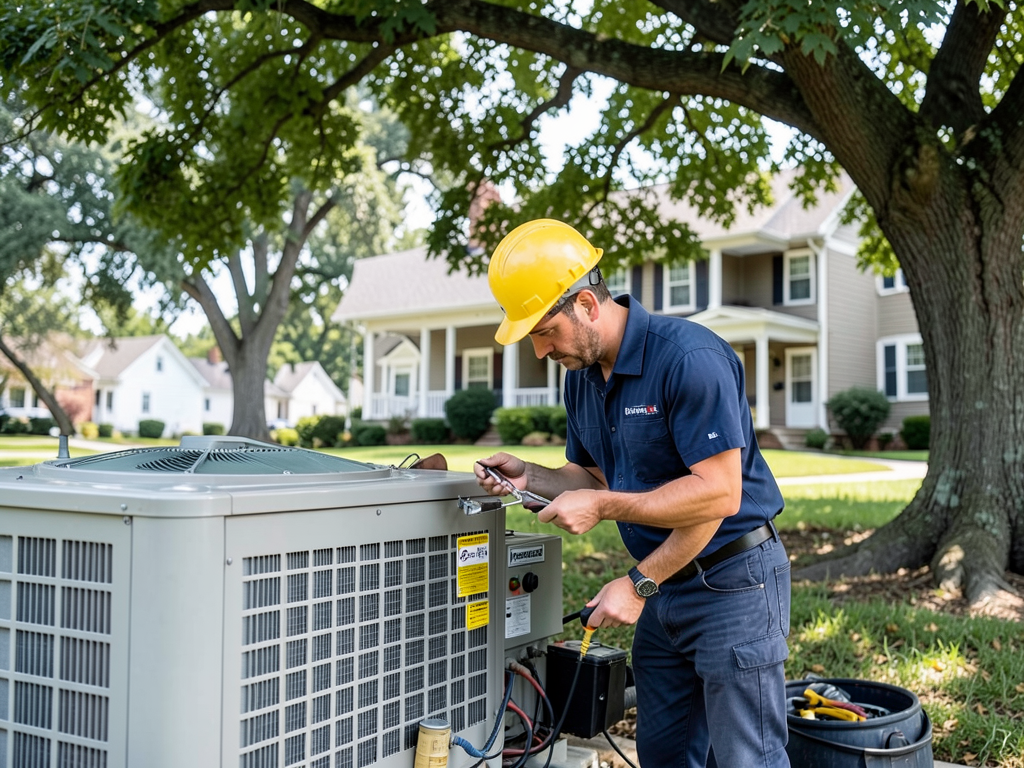
The Essential Spring HVAC Checklist for Families Living in Prospect Hill
As Hartford’s humid continental climate shifts from winter’s freeze to summer’s heat, your HVAC system faces a critical transition. The air in Prospect Hill carries higher moisture content as spring progresses, putting extra strain on your cooling equipment. This spring HVAC checklist helps Hartford families prepare for the humid summer months ahead while protecting their investment and ensuring reliable comfort. EPA Section 608 Refrigerant Regulations.
Prospect Hill sits at an elevation that creates unique airflow patterns through the Connecticut River Valley. Morning fog often lingers in the neighborhood until late morning, creating ideal conditions for condensation buildup on outdoor condenser coils. This checklist addresses those specific challenges while covering essential maintenance tasks that prevent midsummer breakdowns when repair companies are busiest. Connecticut Department of Energy and Environmental Protection.
Why Spring Maintenance Matters for Hartford Homes
Connecticut’s seasonal temperature swings create extreme stress on HVAC components. During winter, your system worked overtime to combat freezing temperatures. Now it must switch to cooling mode while dealing with spring pollen, cottonwood seeds, and increased humidity levels that can exceed 80% on summer afternoons.
According to the Connecticut Department of Energy and Environmental Protection, Hartford experiences an average of 43 days per year with temperatures above 90 degrees Fahrenheit. Most of these occur between June and September, making spring preparation essential for system reliability. The Best Energy Efficient Boilers for Hartford Homes with Old Radiators.
The Connecticut River Valley’s geography creates a heat island effect in urban areas like Hartford. Buildings and pavement absorb heat during the day and release it slowly overnight, preventing proper cooling system cycling. This means your air conditioner works harder and longer than in surrounding rural areas. HVAC Hartford.
Prospect Hill’s mature tree canopy, while beautiful, drops leaves and debris that can block condenser airflow. The neighborhood’s mix of historic and newer construction also means varied duct systems that may have developed leaks over decades of seasonal expansion and contraction.
Spring HVAC Maintenance Tasks Every Hartford Family Should Complete
Start your spring HVAC preparation with these essential tasks. Most homeowners can handle basic maintenance, but some steps require professional expertise to ensure safety and warranty compliance.
1. Replace or Clean Air Filters
Your air filter protects the entire system from dust and debris. During spring, pollen counts in Hartford often reach moderate to high levels, especially in neighborhoods near the Connecticut River. Check your filter monthly during peak seasons.
For homes in Prospect Hill, consider using MERV 8-11 filters that capture pollen without restricting airflow. The neighborhood’s mature trees release significant pollen in April and May, quickly clogging standard filters.
2. Clear Outdoor Unit Area
Walk around your outdoor condenser unit and remove any debris within two feet of the cabinet. Hartford’s spring storms often bring down branches and leaves that accumulate around equipment.. Read more about Protecting Your Outdoor HVAC Unit from Heavy Snow and Falling Debris in Wethersfield.
Cut back any vegetation that touches the unit. Even small bushes can restrict airflow and cause the system to overheat on hot summer days. The Connecticut climate promotes rapid plant growth, so check this area monthly.
3. Check Thermostat Operation
Test your thermostat by switching between heating and cooling modes. The device should respond within 30 seconds. If it hesitates or doesn’t respond, you may need professional calibration or replacement.
Consider upgrading to a programmable or smart thermostat. These devices can reduce energy consumption by 10-15% by optimizing temperature settings when your family is asleep or away from home.
4. Inspect Air Vents and Registers
Walk through your home and check all supply and return vents. Remove any furniture, rugs, or curtains blocking airflow. Blocked vents force your system to work harder and can create pressure imbalances.
Vacuum vent covers to remove dust accumulation. This simple step improves indoor air quality and system efficiency, especially important for families with allergies or respiratory issues. High Efficiency AC Options for Luxury Homes in Glastonbury.
5. Test Carbon Monoxide Detectors
Spring is an excellent time to test all safety devices in your home. Carbon monoxide detectors should be tested monthly and replaced every 5-7 years according to manufacturer specifications.
If you have a gas furnace, ensure the detector is within 15 feet of sleeping areas. Carbon monoxide is odorless and can be deadly, making this safety check essential for Hartford families. Who to Call for Emergency Furnace Repair in Hartford in the Middle of the Night.
6. Check for Unusual Noises or Odors
Turn on your system and listen for unusual sounds. Grinding, squealing, or rattling noises indicate mechanical problems that require professional attention. The earlier you catch these issues, the less expensive the repair typically becomes.
Also check for unusual odors. A burning smell could indicate electrical problems, while musty odors suggest mold growth in ductwork. Both require immediate professional diagnosis.
Professional HVAC Services Hartford Families Should Schedule
While DIY maintenance is valuable, certain tasks require licensed HVAC technicians. These professional services ensure your system operates safely and efficiently throughout Hartford’s demanding summer season.
Professional Coil Cleaning
Condenser coils in Hartford’s humid climate accumulate dirt, pollen, and debris that reduce efficiency by up to 30%. Professional cleaning uses specialized equipment to remove buildup without damaging delicate fins.
The Connecticut River Valley’s pollen levels are among the highest in New England. Professional coil cleaning removes this buildup, improving heat transfer and reducing energy consumption during peak cooling months.
Refrigerant Level Check
Low refrigerant levels indicate leaks that reduce cooling capacity and increase energy costs. Connecticut’s building code requires licensed technicians to handle refrigerants due to environmental regulations.
Modern systems use R-410A refrigerant, which operates at higher pressures than older R-22 systems. This requires specialized equipment and training to service properly while maintaining warranty coverage.
Electrical Component Inspection
Hartford’s summer thunderstorms can cause power surges that damage HVAC electrical components. Professional technicians test capacitors, contactors, and wiring connections to prevent unexpected failures. Compressor Failure Repair.
Electrical inspections also identify worn components before they fail completely. This preventive approach typically costs less than emergency repairs during heat waves when service calls are most expensive.
Condensate Drain Cleaning
Connecticut’s high humidity creates significant condensation during cooling season. Clogged condensate drains can cause water damage and system shutdowns. Professional cleaning ensures proper drainage throughout summer.
Prospect Hill’s older homes often have drain lines running through finished spaces. Professional cleaning prevents water damage to ceilings, walls, and floors from backed-up condensate.
Safety Control Testing
Modern HVAC systems include multiple safety controls that prevent dangerous operating conditions. Professional testing ensures these devices function properly, protecting your family and home.
Safety controls include high-pressure switches, low-pressure switches, and flame sensors. These components must meet Connecticut’s mechanical code requirements for safe operation.
Prospect Hill-Specific HVAC Considerations
Prospect Hill’s unique characteristics create specific HVAC challenges for Hartford families. Understanding these factors helps you make informed decisions about maintenance and upgrades.
The neighborhood’s elevation, approximately 100 feet above downtown Hartford, creates slightly cooler temperatures than the city center. This means your cooling system may run less frequently, but it also means moisture can condense on outdoor units during temperature transitions.
Many Prospect Hill homes were built between 1920 and 1960, featuring original ductwork that may have developed leaks over decades. Connecticut’s seasonal temperature swings cause metal ducts to expand and contract, creating gaps at joints and connections.
The mature tree canopy in Prospect Hill provides summer shade that reduces cooling loads but also drops leaves and seeds that can clog outdoor units. Regular cleaning becomes especially important during late spring when cottonwood seeds are most prevalent.
Prospect Hill’s proximity to the Connecticut River means higher humidity levels than some other Hartford neighborhoods. Your air conditioning system must not only cool your home but also dehumidify the air, placing additional demands on the equipment.
Energy Efficiency Tips for Hartford Families
Connecticut’s energy costs rank among the highest in the nation, making efficiency improvements valuable for Prospect Hill families. Simple changes can reduce cooling costs by 20% or more while improving comfort.
Install a programmable thermostat if you haven’t already. These devices automatically adjust temperatures when you’re sleeping or away from home, reducing energy consumption without sacrificing comfort.
Seal air leaks around windows and doors using weatherstripping or caulk. Connecticut’s older homes often have small gaps that let conditioned air escape, forcing your HVAC system to work harder.
Consider adding attic insulation if your home was built before modern energy codes. Many Prospect Hill homes have insufficient insulation, allowing heat to transfer through the ceiling during summer months.
Use ceiling fans to circulate air and create a wind-chill effect. Fans allow you to raise thermostat settings by 4-5 degrees while maintaining the same comfort level, reducing cooling costs significantly.
Common Spring HVAC Problems in Hartford
Understanding common issues helps Hartford families identify problems early. Many spring HVAC failures result from winter neglect or deferred maintenance.
Capacitor failure is the most common spring problem. These electrical components degrade over time and often fail when systems first start up after months of winter dormancy. The clicking sound of a failing capacitor is a clear warning sign.
Condensate drain clogs cause water damage and system shutdowns. During spring, these drains may contain debris from winter months, creating blockages that prevent proper drainage when cooling begins.
Refrigerant leaks often develop during winter when systems sit idle. Small leaks may not affect heating performance but become obvious when cooling demands increase in spring.
Thermostat batteries die during winter months when systems run less frequently. Dead batteries prevent proper system operation when cooling is needed, causing unnecessary service calls.
When to Call a Professional HVAC Technician
Some HVAC issues require immediate professional attention. Knowing when to call for help prevents minor problems from becoming major repairs.
Call a professional if your system won’t turn on after checking basic items like thermostat settings and circuit breakers. This could indicate electrical problems, failed components, or control board issues.
Unusual noises like grinding, squealing, or rattling indicate mechanical problems that worsen with continued operation. These sounds often precede component failures that can damage other parts of the system.
Water leaks around your indoor unit suggest condensate drain problems or refrigerant issues. Water damage can be extensive and expensive to repair, making prompt professional diagnosis essential.
Uneven cooling throughout your home may indicate duct leaks, insulation problems, or system sizing issues. Professional diagnosis identifies the root cause and recommends appropriate solutions.
If your energy bills spike unexpectedly, your system may be running inefficiently due to dirty coils, low refrigerant, or failing components. Professional maintenance often pays for itself through energy savings.
Preparing for Hartford’s Summer Heat
Connecticut’s summers bring heat waves that test HVAC systems to their limits. Proper spring preparation ensures your family stays comfortable when temperatures soar.
Most HVAC systems in Hartford are sized for typical summer conditions but may struggle during extreme heat waves. Professional maintenance ensures your system operates at peak efficiency when you need it most.
Consider a maintenance agreement with a local HVAC company. These programs typically include spring tune-ups, priority service during heat waves, and discounts on repairs and replacement parts.
Keep your contact information current with your HVAC service provider. Many companies offer emergency services, but you need to be reachable when they need to confirm appointments or discuss repair options.
Have a backup plan for extreme heat. This might include fans, portable air conditioners, or temporary relocation plans if your system fails during a heat wave.
FAQ
How often should I replace my HVAC air filter in Hartford?
Replace standard 1-inch filters every 30-60 days during peak seasons. Homes in Prospect Hill with mature trees may need more frequent changes due to pollen. High-efficiency filters may last 90 days but check them monthly.
What’s the best thermostat setting for summer in Connecticut?
Set your thermostat to 78°F when home and awake. Each degree below 78°F increases energy costs by 3-5%. Use ceiling fans to feel cooler at higher thermostat settings.
How long should my AC run on a hot day in Hartford?
A properly sized system should run 15-20 minutes per cycle, 2-3 times per hour when outdoor temperatures are above 85°F. Longer run times may indicate sizing issues or system problems.
Is annual HVAC maintenance really necessary?
Yes. Annual maintenance prevents 70% of common HVAC failures and can extend system life by 5-10 years. It also maintains manufacturer warranties and ensures safe operation.
What’s the average lifespan of an HVAC system in Connecticut?
Most systems last 15-20 years with proper maintenance. Hartford’s climate with high humidity and temperature extremes can reduce lifespan to 12-15 years without regular professional service.
Conclusion
Spring HVAC maintenance in Prospect Hill isn’t just about comfort—it’s about protecting your investment and ensuring your family stays safe during Hartford’s humid summers. The neighborhood’s unique characteristics, from mature tree canopy to historic construction, create specific challenges that require attention.
Don’t wait until summer heat arrives to discover problems with your system. Complete your spring checklist now, and schedule professional maintenance before the busy season hits. Most HVAC companies offer spring discounts for early scheduling, making now the perfect time to ensure your system is ready for summer.
Remember that some tasks require professional expertise. Licensed technicians have the tools and training to service your system safely while maintaining warranty coverage. They can also identify potential problems before they cause midsummer breakdowns when repair costs and wait times are highest.
Ready to schedule your spring HVAC maintenance? Call (959) 203-9992 today to book your professional tune-up. Our experienced technicians understand Prospect Hill’s unique HVAC needs and can ensure your system is ready for whatever Connecticut’s summer brings. Don’t wait until the first heat wave—schedule your service now and enjoy worry-free cooling all season long.
Pick up the phone and call (959) 203-9992 before the next storm hits. Your family’s comfort and safety are worth the call.
You may also find this helpful. Keeping Rodents and Pests Out of Your Ductwork in Rural Marlborough and Hebron.
{
“@context”: “https://schema.org”,
“@type”: “BlogPosting”,
“headline”: “The Essential Spring HVAC Checklist for Families Living in Prospect Hill”,
“description”: “Prepare your Hartford home for summer heat with this essential spring HVAC checklist. Learn what to check and when to call (959) 203-9992 for expert service.”,
“wordCount”: 2305,
“datePublished”: “2026-05-19T09:39:00.000Z”,
“dateModified”: “2026-05-19T09:39:00.000Z”,
“inLanguage”: “en-US”,
“mainEntityOfPage”: {
“@type”: “WebPage”,
“@id”: “https://libertyhvachartford.com”
},
“publisher”: {
“@type”: “LocalBusiness”,
“name”: “Liberty HVAC Hartford”,
“url”: “https://libertyhvachartford.com”
},
“author”: {
“@type”: “Organization”,
“name”: “Liberty HVAC Hartford”,
“url”: “https://libertyhvachartford.com”
},
“image”: {
“@type”: “ImageObject”,
“url”: “https://libertyhvachartford.com/wp-content/uploads/2026/03/the-essential-spring-hvac-checklist-for-families-l-1.png”
}
}
{
“@context”: “https://schema.org”,
“@type”: “HVACBusiness”,
“name”: “Liberty HVAC Hartford”,
“url”: “https://libertyhvachartford.com”,
“address”: {
“@type”: “PostalAddress”,
“addressLocality”: “Hartford”
},
“areaServed”: {
“@type”: “City”,
“name”: “Hartford”
}
}
{
“@context”: “https://schema.org”,
“@type”: “FAQPage”,
“mainEntity”: [
{
“@type”: “Question”,
“name”: “How often should I replace my HVAC air filter in Hartford?”,
“acceptedAnswer”: {
“@type”: “Answer”,
“text”: “Replace standard 1-inch filters every 30-60 days during peak seasons. Homes in Prospect Hill with mature trees may need more frequent changes due to pollen. High-efficiency filters may last 90 days but check them monthly.”
}
},
{
“@type”: “Question”,
“name”: “What’s the best thermostat setting for summer in Connecticut?”,
“acceptedAnswer”: {
“@type”: “Answer”,
“text”: “Set your thermostat to 78°F when home and awake. Each degree below 78°F increases energy costs by 3-5%. Use ceiling fans to feel cooler at higher thermostat settings.”
}
},
{
“@type”: “Question”,
“name”: “How long should my AC run on a hot day in Hartford?”,
“acceptedAnswer”: {
“@type”: “Answer”,
“text”: “A properly sized system should run 15-20 minutes per cycle, 2-3 times per hour when outdoor temperatures are above 85°F. Longer run times may indicate sizing issues or system problems.”
}
},
{
“@type”: “Question”,
“name”: “Is annual HVAC maintenance really necessary?”,
“acceptedAnswer”: {
“@type”: “Answer”,
“text”: “Yes. Annual maintenance prevents 70% of common HVAC failures and can extend system life by 5-10 years. It also maintains manufacturer warranties and ensures safe operation.”
}
},
{
“@type”: “Question”,
“name”: “What’s the average lifespan of an HVAC system in Connecticut?”,
“acceptedAnswer”: {
“@type”: “Answer”,
“text”: “Most systems last 15-20 years with proper maintenance. Hartford’s climate with high humidity and temperature extremes can reduce lifespan to 12-15 years without regular professional service.”
}
}
]
}
{
“@context”: “https://schema.org”,
“@type”: “BreadcrumbList”,
“itemListElement”: [
{
“@type”: “ListItem”,
“position”: 1,
“name”: “Home”,
“item”: “https://libertyhvachartford.com”
},
{
“@type”: “ListItem”,
“position”: 2,
“name”: “Blog”,
“item”: “https://libertyhvachartford.com/blog”
},
{
“@type”: “ListItem”,
“position”: 3,
“name”: “The Essential Spring HVAC Checklist for Families Living in Prospect Hill”
}
]
}
{
“@context”: “https://schema.org”,
“@type”: “Service”,
“serviceType”: “HVAC”,
“provider”: {
“@type”: “LocalBusiness”,
“name”: “Liberty HVAC Hartford”,
“url”: “https://libertyhvachartford.com”
},
“areaServed”: {
“@type”: “City”,
“name”: “Hartford”
},
“description”: “Prepare your Hartford home for summer heat with this essential spring HVAC checklist. Learn what to check and when to call (959) 203-9992 for expert service.”
}