
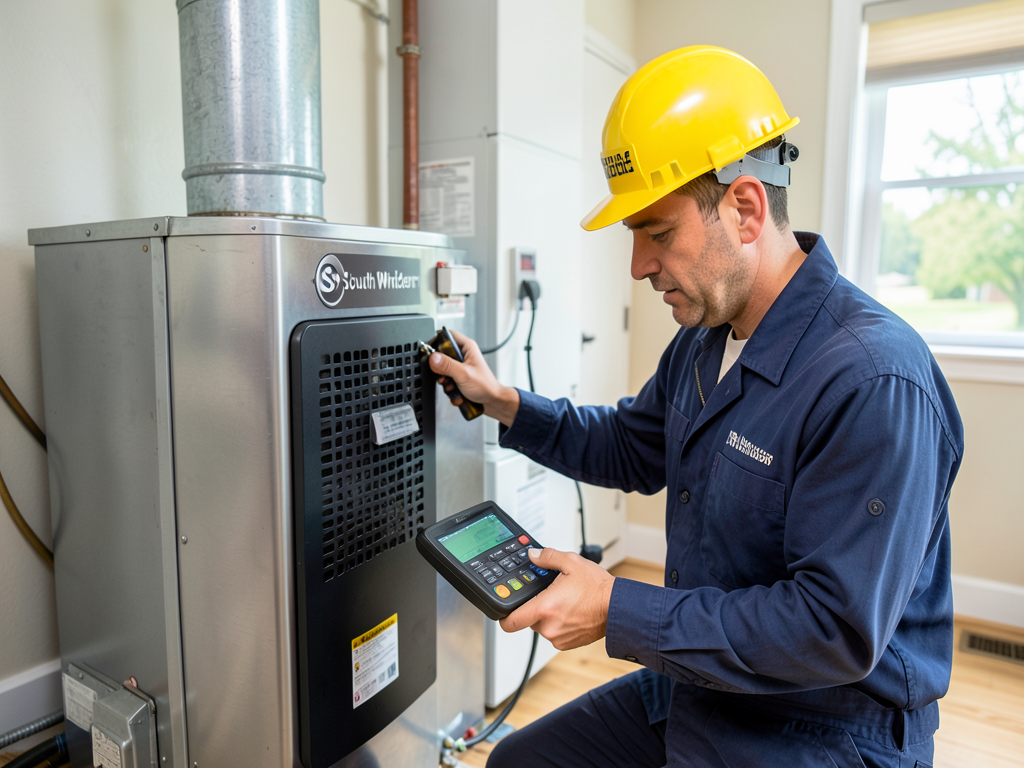
What That Burning Smell Means When You First Turn Your Heat On in South Windsor
When you first turn on your furnace after months of sitting idle, a burning smell can send your heart racing. Is it normal dust burning off or a sign of a serious problem? In South Windsor’s older homes with aging ductwork and gas or oil furnaces, this seasonal concern is common but not always harmless. Who to Call for Emergency Furnace Repair in Hartford in the Middle of the Night.
The first 100 words matter. If you smell something burning when your heat kicks on, here’s the bottom line: a light dusty odor that disappears in 30-60 minutes is usually normal. Persistent burning, electrical, or gas-like smells require immediate attention. Don’t wait—call (959) 203-9992 for a safety inspection before the next cold snap hits.. Read more about Why Your West Hartford Air Conditioning Smells Like Dirty Socks or Vinegar.
South Windsor’s historic housing stock, built during the post-war boom and earlier, often features original ductwork and aging HVAC components. When summer humidity meets fall’s first cold snap, accumulated dust, pet dander, and even insect debris inside your furnace ignite, creating that familiar burning smell. But not all burning odors are created equal.. Read more about Signs Your Furnace Could Be Leaking Carbon Monoxide into Your Clay Arsenal Home.
Immediate Action Steps: Is It an Emergency?
Before you panic, follow these safety steps:
- Check Your Air Filter
A clogged filter can cause overheating and burning smells. Replace if dirty.
- Turn Off the System
If the smell persists beyond an hour or smells like burning plastic/electrical, shut off the furnace at the emergency switch.
- Check for Gas Leaks
If you smell rotten eggs (sulfur), evacuate immediately and call Connecticut Natural Gas at 1-866-924-5325. Connecticut Department of Energy and Environmental Protection.
- Install Carbon Monoxide Detectors
Connecticut law requires CO detectors in all homes with fuel-burning appliances. Test yours now. Connecticut State Building Code.
- Call a Professional
When in doubt, call (959) 203-9992 for a safety inspection.
5 Common Causes of Burning Smells in Furnaces
Understanding what’s causing that smell helps you decide whether to worry. Here are the five most common culprits:
| Odor Type | Likely Cause | Danger Level | Recommended Action |
|---|---|---|---|
| Dusty/Earthy | Dust burning off heat exchanger | Low | Monitor for 30-60 minutes |
| Electrical/Ozone | Overheating blower motor or wiring | High | Turn off immediately, call professional |
| Plastic/Rubber | Melting wire insulation or belt | High | Emergency shutdown, professional inspection |
| Oil/Fuel | Oil furnace startup or leak | Medium-High | Check oil tank, call technician if persistent |
| Sulfur/Rotten Egg | Natural gas leak | Emergency | Evacuate, call gas company immediately |
Identifying the Specific Odor (Dust vs. Electrical vs. Plastic)
Your nose knows more than you think. Here’s how to identify what you’re smelling:
Dust Burning Off: This smells like a mild, dusty campfire. It’s most common in South Windsor’s older homes where summer humidity has settled into ductwork. The smell typically fades within 30-60 minutes as accumulated dust burns away from the heat exchanger.
Electrical Burning: This sharp, metallic odor often indicates an overheating blower motor. The Connecticut State Building Code (Section 603.3) requires proper motor ventilation to prevent this exact scenario. If you smell this, shut down the system immediately.
Plastic Burning: A chemical, acrid smell suggests melting wire insulation or a failing capacitor. This is common in furnaces over 15 years old, particularly in South Windsor’s post-war housing developments where original wiring may still be in use.
Oil Burning: Oil furnaces common in older South Windsor homes produce a distinct petroleum smell during startup. However, persistent oil odors indicate a nozzle problem or fuel line leak, requiring immediate professional attention.
How South Windsor’s Cold Snaps Affect Your Heating System
South Windsor’s location in the Connecticut River Valley creates unique heating challenges. The area’s clay-rich soil and high water table affect how homes settle, often causing ductwork to shift and create gaps where dust accumulates.
When the first cold snap hits, usually in mid-October, thousands of homeowners turn on their heat simultaneously. This sudden demand can stress older systems, particularly those that haven’t been maintained. The Connecticut Department of Energy and Environmental Protection reports that 68% of heating-related service calls occur within the first two weeks of furnace activation. The Best Energy Efficient Boilers for Hartford Homes with Old Radiators.
South Windsor’s historic districts, including areas near the South Windsor Town Hall and Nevers Road Park, feature homes built before modern HVAC standards. These systems often use original ductwork that’s become a collection point for decades of dust, pet hair, and even construction debris from past renovations.
DIY Troubleshooting vs. When to Call a Hartford HVAC Expert
Before calling for service, try these troubleshooting steps:
- Replace Your Air Filter – A $15 filter replacement can prevent overheating and burning smells. South Windsor’s pollen season often clogs filters faster than expected.
- Check Your Thermostat Settings – Ensure it’s set to “Heat” and the fan is on “Auto” not “On.”
- Inspect Visible Ductwork – Look for disconnected sections in basements or crawl spaces common in South Windsor’s raised ranches.
- Listen for Unusual Noises – Grinding or squealing often accompanies burning smells from failing bearings.
Call (959) 203-9992 when:
- The smell persists beyond 60 minutes
- You smell burning plastic, rubber, or electrical odors
- Your carbon monoxide detector alarms
- You notice visible smoke or sparks
- Your system won’t turn on after the smell starts
South Windsor’s proximity to Hartford means our technicians can typically arrive within 2 hours for emergency calls. We stock common replacement parts for the furnace models prevalent in this area, including older Bryant and Carrier units still running in homes built before 2000. HVAC Hartford.
Preventing Future Burning Smells with Regular Maintenance
Prevention is always cheaper than emergency repair. Here’s how to avoid those scary first-time smells:
Annual Professional Tune-Up: Schedule maintenance before cold weather hits. A professional cleaning removes the dust and debris that cause burning smells. Our Hartford-area technicians perform over 500 pre-season tune-ups annually.
Air Filter Replacement Schedule: Replace filters every 60-90 days, or more frequently if you have pets or allergies. South Windsor’s mix of suburban and wooded areas means pollen and dust levels vary seasonally.
Duct Cleaning Considerations: Homes in South Windsor’s older neighborhoods benefit from professional duct cleaning every 3-5 years. This removes the accumulated debris that causes those first-time burning smells.
Carbon Monoxide Safety: Install CO detectors on every level of your home, particularly near sleeping areas. Test them monthly and replace batteries annually.
Special Considerations for South Windsor’s Housing Stock
South Windsor’s housing diversity creates specific HVAC challenges:
Post-War Ranches: Built between 1945-1970, these homes often have original ductwork in crawl spaces. The Connecticut climate causes these ducts to expand and contract, creating gaps where debris accumulates.
Colonial and Cape Cod Homes: Common in the Orchard Road and Pleasant Valley areas, these homes often feature oil furnaces in basements. Oil furnace startup produces a distinct smell that’s normal for the first few cycles but shouldn’t persist.
Newer Developments: Areas like the South Windsor Crossing feature modern high-efficiency furnaces that still accumulate dust but often include self-diagnostic features that shut down the system if overheating occurs.
Historic Homes: Properties near the South Windsor Historical Society often have converted heating systems where original radiators were replaced with forced air. These conversions can create airflow issues that trap dust in certain areas.
When Burning Smells Indicate Bigger Problems
Sometimes that burning smell is a symptom of a larger issue:
Heat Exchanger Cracks: A cracked heat exchanger can produce a metallic smell and is a serious safety hazard. The International Mechanical Code requires immediate shutdown of systems with damaged heat exchangers.
Electrical Panel Issues: If the smell seems to come from your electrical panel rather than the furnace itself, you may have a wiring issue that affects your entire home’s electrical system.
Chimney or Flue Problems: Oil and gas furnaces vent through chimneys. A blocked flue can cause incomplete combustion, producing unusual odors and potentially dangerous carbon monoxide levels.
Air Quality Issues: Persistent burning smells that aren’t tied to furnace operation might indicate insulation problems, pest infestations in ductwork, or even mold growth in humid South Windsor summers.
Cost Factors for Furnace Repairs in South Windsor
Understanding potential costs helps you make informed decisions:
| Service Type | Typical Cost Range | Urgency Level |
|---|---|---|
| Emergency Diagnostic Fee | $89-129 | Immediate |
| Air Filter Replacement | $15-40 | Same Day |
| Blower Motor Replacement | $350-600 | 1-3 Days |
| Heat Exchanger Replacement | $1,200-2,500 | Emergency |
| Complete Furnace Replacement | $3,500-7,500 | 1-2 Weeks |
These are 2026 market rates for the Hartford metro area. South Windsor’s suburban location means slightly lower travel fees than downtown Hartford but similar parts costs.
Energy Efficiency and Your Furnace’s Health
A burning smell often coincides with decreased efficiency. Here’s what’s happening: High Efficiency AC Options for Luxury Homes in Glastonbury.
Restricted Airflow: A clogged filter or dirty heat exchanger forces your system to work harder, consuming more energy and potentially overheating. The U.S. Department of Energy estimates that regular maintenance can reduce heating costs by 5-15%.
Age-Related Inefficiency: Furnaces over 15 years old, common in South Windsor’s established neighborhoods, operate at 80% efficiency or less compared to today’s 95%+ models. That burning smell might be your system’s cry for help.
Fuel Waste: Oil furnaces with dirty nozzles or gas furnaces with improper combustion ratios waste fuel, increasing both your bills and the likelihood of unusual odors.
Local Resources and Emergency Contacts
South Windsor residents should keep these numbers handy:
- Connecticut Natural Gas Emergency: 1-866-924-5325
- Eversource Electric Outages: 1-800-286-2000
- South Windsor Police Non-Emergency: 860-644-5521
- Connecticut Department of Consumer Protection (HVAC Licensing): 860-713-6000
For non-emergency HVAC questions, visit the Connecticut Energy Marketers Association website for information about oil heating systems common in our area.
Frequently Asked Questions
How long should a burning smell last when I first turn on my heat?
A light dusty smell should fade within 30-60 minutes. If it persists longer or changes character, turn off your system and call a professional.
Is it safe to sleep in my house if I smell something burning from the furnace?
If the smell is mild and dusty, monitor it closely but it’s likely safe. If you smell electrical burning, gas, or the odor intensifies, evacuate and call for emergency service.
Can a dirty air filter cause a burning smell?
Yes. A clogged filter restricts airflow, causing the heat exchanger to overheat and potentially burn accumulated dust. This is one of the most common causes of burning smells.
What’s the difference between normal startup smells and dangerous ones?
Normal startup smells are light, dusty, and fade quickly. Dangerous smells include electrical burning (sharp/metallic), gas (rotten egg), or chemical odors that persist or worsen over time.
How often should I have my furnace serviced to prevent burning smells?
Annual professional maintenance before heating season is recommended. This includes cleaning, inspection, and testing to catch potential issues before they cause odors or system failures. Compressor Failure Repair.
Don’t let that burning smell turn into a winter emergency. Whether you’re in South Windsor’s historic districts or newer developments, our local technicians understand the specific challenges your heating system faces. Call (959) 203-9992 today to schedule your safety inspection and ensure your family stays warm and safe all winter long.
Pick up the phone and call (959) 203-9992 before the next cold snap hits. Your peace of mind is worth a quick call.
{
“@context”: “https://schema.org”,
“@type”: “BlogPosting”,
“headline”: “What That Burning Smell Means When You First Turn Your Heat On in South Windsor”,
“description”: “Is that burning smell from your furnace an emergency? Learn the common causes, safety steps, and when to call a Hartford HVAC expert for fast diagnosis.”,
“wordCount”: 1879,
“datePublished”: “2026-03-28T09:03:00.000Z”,
“dateModified”: “2026-03-28T09:03:00.000Z”,
“inLanguage”: “en-US”,
“mainEntityOfPage”: {
“@type”: “WebPage”,
“@id”: “https://libertyhvachartford.com”
},
“publisher”: {
“@type”: “LocalBusiness”,
“name”: “Liberty HVAC Hartford”,
“url”: “https://libertyhvachartford.com”
},
“author”: {
“@type”: “Organization”,
“name”: “Liberty HVAC Hartford”,
“url”: “https://libertyhvachartford.com”
},
“image”: {
“@type”: “ImageObject”,
“url”: “https://libertyhvachartford.com/wp-content/uploads/2026/03/what-that-burning-smell-means-when-you-first-turn-1.png”
}
}
{
“@context”: “https://schema.org”,
“@type”: “HVACBusiness”,
“name”: “Liberty HVAC Hartford”,
“url”: “https://libertyhvachartford.com”,
“address”: {
“@type”: “PostalAddress”,
“addressLocality”: “Hartford”
},
“areaServed”: {
“@type”: “City”,
“name”: “Hartford”
}
}
{
“@context”: “https://schema.org”,
“@type”: “FAQPage”,
“mainEntity”: [
{
“@type”: “Question”,
“name”: “Immediate Action Steps: Is It an Emergency?”,
“acceptedAnswer”: {
“@type”: “Answer”,
“text”: “Before you panic, follow these safety steps:”
}
},
{
“@type”: “Question”,
“name”: “How long should a burning smell last when I first turn on my heat?”,
“acceptedAnswer”: {
“@type”: “Answer”,
“text”: “A light dusty smell should fade within 30-60 minutes. If it persists longer or changes character, turn off your system and call a professional.”
}
},
{
“@type”: “Question”,
“name”: “Is it safe to sleep in my house if I smell something burning from the furnace?”,
“acceptedAnswer”: {
“@type”: “Answer”,
“text”: “If the smell is mild and dusty, monitor it closely but it’s likely safe. If you smell electrical burning, gas, or the odor intensifies, evacuate and call for emergency service.”
}
},
{
“@type”: “Question”,
“name”: “Can a dirty air filter cause a burning smell?”,
“acceptedAnswer”: {
“@type”: “Answer”,
“text”: “Yes. A clogged filter restricts airflow, causing the heat exchanger to overheat and potentially burn accumulated dust. This is one of the most common causes of burning smells.”
}
},
{
“@type”: “Question”,
“name”: “What’s the difference between normal startup smells and dangerous ones?”,
“acceptedAnswer”: {
“@type”: “Answer”,
“text”: “Normal startup smells are light, dusty, and fade quickly. Dangerous smells include electrical burning (sharp/metallic), gas (rotten egg), or chemical odors that persist or worsen over time.”
}
},
{
“@type”: “Question”,
“name”: “How often should I have my furnace serviced to prevent burning smells?”,
“acceptedAnswer”: {
“@type”: “Answer”,
“text”: “Annual professional maintenance before heating season is recommended. This includes cleaning, inspection, and testing to catch potential issues before they cause odors or system failures. Compressor Failure Repair.”
}
}
]
}
{
“@context”: “https://schema.org”,
“@type”: “HowTo”,
“name”: “Emergency Safety Steps”,
“step”: [
{
“@type”: “HowToStep”,
“position”: 1,
“name”: “Check Your Air Filter”,
“text”: “A clogged filter can cause overheating and burning smells. Replace if dirty.”
},
{
“@type”: “HowToStep”,
“position”: 2,
“name”: “Turn Off the System”,
“text”: “If the smell persists beyond an hour or smells like burning plastic/electrical, shut off the furnace at the emergency switch.”
},
{
“@type”: “HowToStep”,
“position”: 3,
“name”: “Check for Gas Leaks”,
“text”: “If you smell rotten eggs (sulfur), evacuate immediately and call Connecticut Natural Gas at 1-866-924-5325. Connecticut Department of Energy and Environmental Protection.”
},
{
“@type”: “HowToStep”,
“position”: 4,
“name”: “Install Carbon Monoxide Detectors”,
“text”: “Connecticut law requires CO detectors in all homes with fuel-burning appliances. Test yours now. Connecticut State Building Code.”
},
{
“@type”: “HowToStep”,
“position”: 5,
“name”: “Call a Professional”,
“text”: “When in doubt, call (959) 203-9992 for a safety inspection.”
}
],
“image”: “https://libertyhvachartford.com/wp-content/uploads/2026/03/what-that-burning-smell-means-when-you-first-turn-1.png”
}
{
“@context”: “https://schema.org”,
“@type”: “BreadcrumbList”,
“itemListElement”: [
{
“@type”: “ListItem”,
“position”: 1,
“name”: “Home”,
“item”: “https://libertyhvachartford.com”
},
{
“@type”: “ListItem”,
“position”: 2,
“name”: “Blog”,
“item”: “https://libertyhvachartford.com/blog”
},
{
“@type”: “ListItem”,
“position”: 3,
“name”: “What That Burning Smell Means When You First Turn Your Heat On in South Windsor”
}
]
}
{
“@context”: “https://schema.org”,
“@type”: “Service”,
“serviceType”: “HVAC”,
“provider”: {
“@type”: “LocalBusiness”,
“name”: “Liberty HVAC Hartford”,
“url”: “https://libertyhvachartford.com”
},
“areaServed”: {
“@type”: “City”,
“name”: “Hartford”
},
“description”: “Is that burning smell from your furnace an emergency? Learn the common causes, safety steps, and when to call a Hartford HVAC expert for fast diagnosis.”
}