
Why Your West Hartford Air Conditioning Smells Like Dirty Socks or Vinegar
If your air conditioning vents are emitting a foul odor that reminds you of dirty socks or vinegar, you’re not alone. This common problem affects many Hartford homeowners, especially during the humid summer months when your AC runs constantly. The good news is that these odors usually have specific causes that can be identified and resolved by a professional technician. HVAC Hartford.
In West Hartford’s climate, where summer humidity regularly exceeds 70%, your air conditioning system works overtime to remove moisture from the air. This constant battle against humidity creates the perfect conditions for bacteria, mold, and other microorganisms to thrive in your HVAC system. When these organisms grow on your evaporator coils or in your condensate drain pan, they release the unpleasant odors you’re noticing.. Read more about Where to Find Certified Lennox Repair Specialists Near Glastonbury.
The most important thing to understand is that these smells aren’t just unpleasant—they can indicate underlying issues that may affect your system’s efficiency and even your family’s health. Let’s explore what causes these specific odors and what you can do about them. High Efficiency AC Options for Luxury Homes in Glastonbury.
Identifying Your AC Smell: The Diagnostic Guide
Before we can fix the problem, we need to identify exactly what you’re smelling. Different odors point to different issues, and proper diagnosis is crucial for effective treatment.
Smells Like Dirty Socks or Musty Laundry
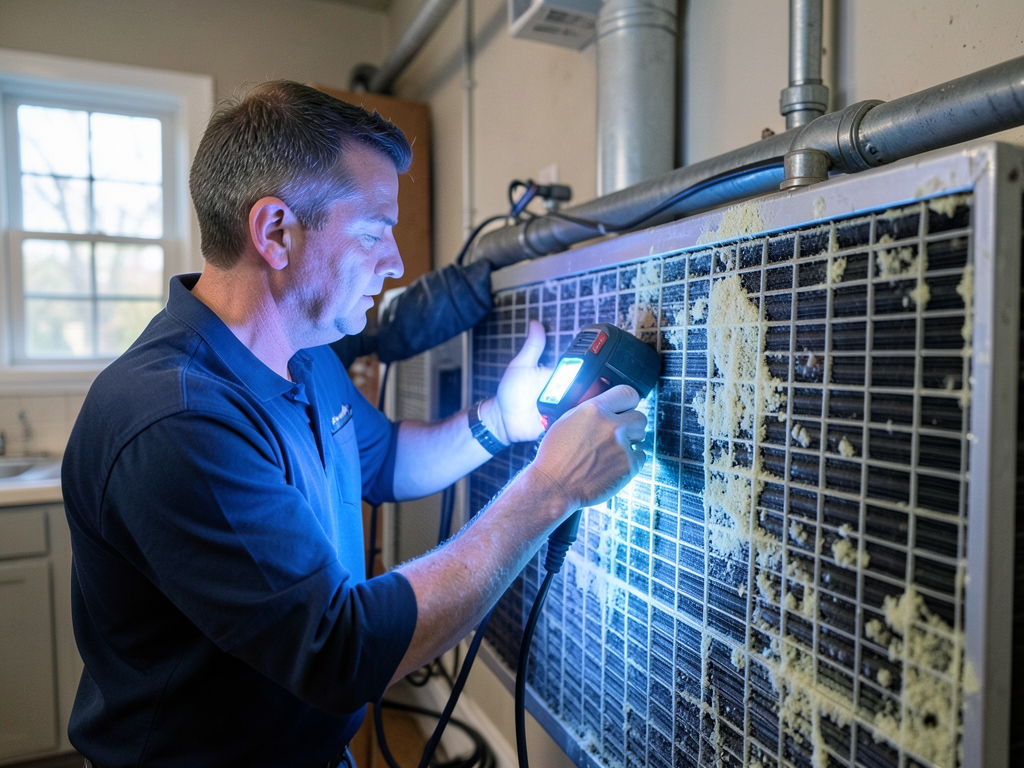
This is the classic “Dirty Sock Syndrome” that HVAC technicians encounter frequently in Connecticut homes. The odor typically develops when bacteria colonize the evaporator coils, especially in systems that run at varying temperatures or don’t get hot enough to kill the bacteria during their off cycles. The bacteria feed on organic matter that accumulates on the coils and release volatile organic compounds (VOCs) that create that distinctive musty, sock-like smell.
Smells Like Vinegar or Acidic
A sharp, vinegar-like odor often indicates the presence of acetic acid-producing bacteria or a refrigerant leak. When refrigerant lines develop small leaks, the escaping refrigerant can mix with moisture and create an acidic smell. This is particularly concerning because refrigerant leaks can reduce your system’s efficiency and potentially release harmful chemicals into your home.
Smells Like Rotten Eggs
If you detect a sulfur-like or rotten egg smell, this could indicate a natural gas leak in your home. While this isn’t directly related to your AC system, gas leaks can sometimes be drawn into your ventilation system. This is a serious safety concern that requires immediate evacuation and emergency service. Who to Call for Emergency Furnace Repair in Hartford in the Middle of the Night.
Smells Like Burning or Electrical
A burning odor suggests electrical problems such as overheating motors, failing capacitors, or wiring issues. This requires immediate attention as it could indicate a fire hazard. Turn off your system immediately if you notice this smell.
Smells Like Sewage or Rotten Meat
These extremely foul odors often indicate a dead animal in your ductwork or a severe sewer gas leak. In older Hartford homes with crawl spaces or basements, animals sometimes find their way into ductwork and cannot escape.
Common Causes in Hartford’s Climate
West Hartford’s specific climate conditions contribute significantly to AC odor problems. Understanding these local factors helps explain why certain issues are more common here than in other regions.
High Humidity and Mold Growth
Connecticut’s humid continental climate creates ideal conditions for mold and mildew growth. When your AC runs continuously during summer, the evaporator coils remain at temperatures around 40-50°F. In Hartford’s 70-80% summer humidity, condensation forms on these cold surfaces, creating a damp environment where mold spores can thrive.
Condensate Drain Line Issues
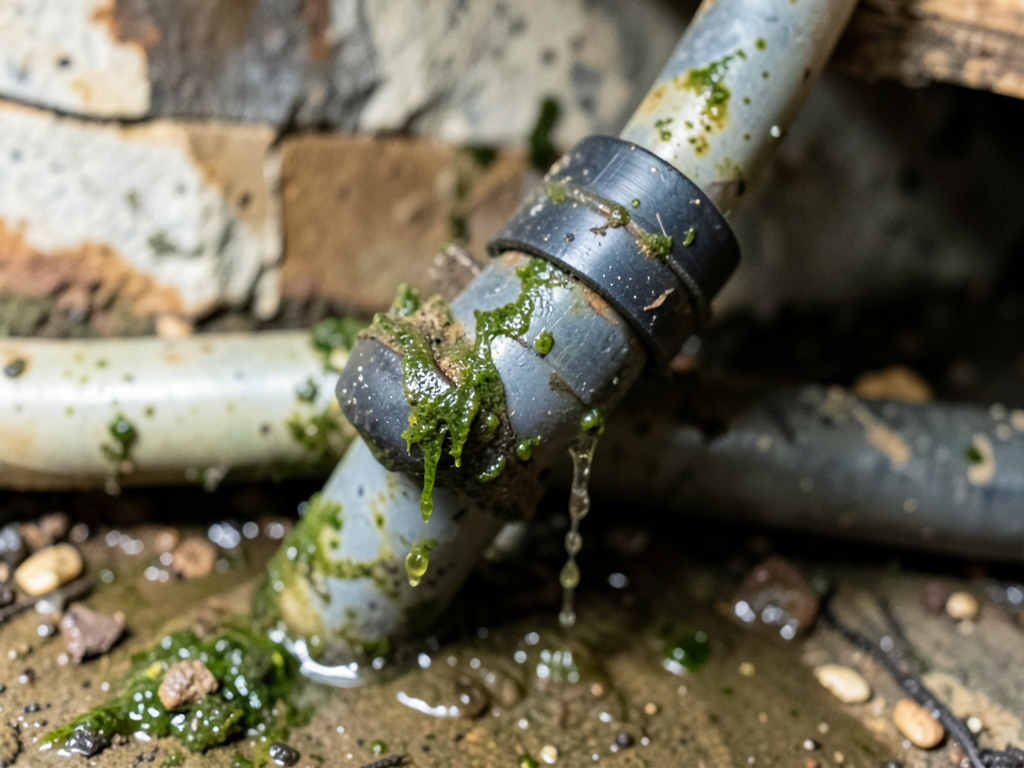
The condensate drain line removes water from your AC system. In West Hartford homes, these lines often clog with algae, mold, and debris from our local water supply. When the drain line backs up, water accumulates in the drain pan, creating stagnant water that breeds bacteria and produces foul odors.. Read more about What to Do When Water Starts Leaking From Your Attic AC Unit in Cromwell.
Older Home Architecture Challenges
Many West Hartford homes were built between 1920-1970 with plaster walls and limited insulation. These older systems often have ductwork that runs through unconditioned spaces like crawl spaces or attics. Temperature variations in these spaces can cause condensation on duct surfaces, leading to mold growth inside the ducts.
Pollen and Allergen Buildup
The Connecticut River Valley is known for high pollen counts, especially from oak, maple, and pine trees common in West Hartford neighborhoods. These allergens accumulate on your AC coils and in your air filter, providing organic material that bacteria feed on.
Health Risks and When to Turn Off Your System
While most AC odors are more annoying than dangerous, some situations require immediate action to protect your family’s health and safety.
Safety Concerns That Require Immediate Shutdown
If you smell burning, electrical odors, or rotten eggs, turn off your AC immediately and evacuate the area. These odors can indicate fire hazards or gas leaks. Contact emergency services if you suspect a gas leak, then call a professional HVAC technician once the immediate danger has passed.
Mold and Mildew Health Effects
According to the EPA, exposure to mold and mildew can cause respiratory issues, allergic reactions, and other health problems, particularly in children, elderly individuals, and those with compromised immune systems. If you notice persistent musty odors accompanied by increased allergy symptoms or respiratory issues, it’s time to call a professional. EPA mold information.
Carbon Monoxide Concerns
While carbon monoxide (CO) doesn’t have a smell, a malfunctioning furnace or other fuel-burning appliance can sometimes produce odors that mix with CO emissions. If you experience headaches, dizziness, or nausea along with unusual odors, evacuate immediately and call for emergency service.
DIY vs. Professional Solutions
Understanding what you can safely handle yourself versus what requires professional expertise can save you time and prevent costly mistakes.
Safe DIY Steps for Hartford Homeowners
Before calling a professional, you can take several steps that might resolve minor odor issues:
- Replace your air filter with a new, high-quality filter rated MERV 8-11 for residential use
- Clean visible debris from around your outdoor condenser unit
- Check your condensate drain line for visible clogs or standing water
- Run your fan-only mode for several hours to help dry out the system
When to Call a Professional
Professional service becomes necessary when:
- Odors persist after basic maintenance
- You notice reduced cooling efficiency or unusual system noises
- The smell is accompanied by health symptoms
- You suspect refrigerant leaks or electrical problems
Professional Treatment Options
Professional HVAC technicians use specialized equipment and treatments to address odor problems:
- Chemical coil cleaning with EPA-registered antimicrobial solutions
- UV light installation to prevent future bacterial growth
- Duct cleaning and sanitization using HEPA-filtered equipment
- Condensate drain line clearing and treatment
- Refrigerant leak detection and repair
Why Local Expertise Matters in Hartford
West Hartford’s unique combination of climate, architecture, and local conditions requires specialized knowledge that out-of-area technicians may not possess.
Understanding Local Building Codes
Connecticut’s building codes, based on the International Mechanical Code (IMC), have specific requirements for HVAC installations in the Hartford area. Local technicians understand these requirements and can ensure your system meets all safety and efficiency standards.
Familiarity with Local Housing Stock
West Hartford features a diverse mix of housing styles, from historic colonials in the Bishops Corner area to mid-century ranches in Elmwood. Each style presents unique HVAC challenges. For example, older homes often have plaster walls that make duct modifications difficult, while newer constructions may have different ventilation requirements.
Knowledge of Local Utility Systems
Hartford area homes may be served by different utility providers (Eversource, CNG) with varying gas pressure and quality. Local technicians understand these differences and how they affect your HVAC system’s performance and safety.
Prevention Strategies for Hartford Homes
Preventing AC odors is often easier and less expensive than treating them after they develop. Here are strategies specifically tailored for West Hartford’s conditions.
Regular Maintenance Schedule
Connecticut’s climate requires more frequent maintenance than milder regions. We recommend:
- Air filter changes every 30-60 days during cooling season
- Professional coil cleaning annually, preferably in spring before heavy use
- Drain line treatment every 3-4 months with commercial-grade algaecide
- UV light inspection and bulb replacement annually
Humidity Control Strategies
Since humidity is the root cause of many odor problems, controlling indoor humidity can prevent issues before they start:
- Install a whole-house dehumidifier sized for your home’s cubic footage
- Use bathroom and kitchen exhaust fans consistently
- Repair any plumbing leaks promptly to prevent moisture buildup
- Consider a smart thermostat that monitors humidity levels
Air Quality Improvements
Improving your home’s overall air quality can reduce the organic material that feeds odor-causing bacteria:
- Install HEPA filtration systems for superior particle removal
- Use high-quality air purifiers with activated carbon filters
- Maintain proper ventilation in crawl spaces and attics
- Consider indoor plants that naturally filter air (with proper maintenance)
Cost Considerations for Hartford Homeowners
Understanding the potential costs involved can help you budget for necessary repairs and maintenance.
DIY Maintenance Costs
Basic maintenance supplies are relatively inexpensive:
- High-quality air filters: $15-30 each
- Condensate drain pan tablets: $10-15 for a 6-month supply
- Coil cleaning spray: $20-40 per can
Professional Service Costs
Professional services vary in cost depending on the extent of the problem:
- Basic AC tune-up: $150-250
- Coil cleaning: $200-400
- Duct cleaning: $300-600 for average home
- UV light installation: $500-800
- Refrigerant leak repair: $300-1,500 depending on severity
Prevention vs. Treatment Cost Analysis
Preventive maintenance typically costs 30-50% less than treating established problems. For example, annual maintenance might cost $300-400, while addressing severe mold contamination could cost $1,000-2,000.
Frequently Asked Questions
Why does my AC smell worse when I first turn it on?
This is common and usually indicates bacterial growth that has been dormant during the off-season. When you first run your AC, the moisture and airflow activate these organisms, releasing odors. A professional cleaning before the cooling season can prevent this issue.
Can I use household cleaners to clean my AC coils?
Household cleaners can damage your AC coils and may not effectively kill the bacteria causing odors. Professional-grade coil cleaners are specifically formulated to clean without damaging the delicate aluminum fins and copper tubing.
How long does it take to eliminate AC odors?
The timeline depends on the cause. Simple filter changes can provide immediate improvement, while treating established mold colonies may take 24-48 hours for complete odor elimination. Severe cases might require multiple treatments over several weeks.
Will a new AC unit prevent these odor problems?
Newer units often have features that reduce odor problems, such as improved coil designs and UV light systems. However, proper maintenance is still essential regardless of your system’s age. Even new units can develop odors in Hartford’s humid climate without proper care.
Is it safe to stay in my home with these odors?
For most mild odor issues, staying in your home is safe, though uncomfortable. However, if you experience health symptoms like headaches, dizziness, or respiratory distress, evacuate and seek professional help immediately.
Take Action Today
Don’t let unpleasant AC odors compromise your comfort or health. Whether you’re dealing with the classic “dirty sock” smell or a sharp vinegar odor, professional help is just a phone call away.
Call (959) 203-9992 today to schedule your inspection. Our experienced technicians understand West Hartford’s unique climate challenges and can quickly diagnose and resolve your AC odor problems. We offer same-day service for urgent situations and provide clear, upfront pricing with no hidden fees.
Pick up the phone and call (959) 203-9992 before the next heat wave hits. Your comfort and peace of mind are worth it. For more information, visit ASHRAE HVAC standards.
You may also find this helpful. Keeping Your West End Mini Split Running Smoothly with a Professional Deep Clean.
{
“@context”: “https://schema.org”,
“@type”: “BlogPosting”,
“headline”: “Why Your West Hartford Air Conditioning Smells Like Dirty Socks or Vinegar”,
“description”: “Is your AC vent emitting a foul odor? Learn why your West Hartford air conditioning smells like dirty socks or vinegar and what to do about it.”,
“wordCount”: 1925,
“datePublished”: “2026-04-02T08:17:00.000Z”,
“dateModified”: “2026-04-02T08:17:00.000Z”,
“inLanguage”: “en-US”,
“mainEntityOfPage”: {
“@type”: “WebPage”,
“@id”: “https://libertyhvachartford.com”
},
“publisher”: {
“@type”: “LocalBusiness”,
“name”: “Liberty HVAC Hartford”,
“url”: “https://libertyhvachartford.com”
},
“author”: {
“@type”: “Organization”,
“name”: “Liberty HVAC Hartford”,
“url”: “https://libertyhvachartford.com”
},
“image”: {
“@type”: “ImageObject”,
“url”: “https://libertyhvachartford.com/wp-content/uploads/2026/03/why-your-west-hartford-air-conditioning-smells-lik-1.png”
}
}
{
“@context”: “https://schema.org”,
“@type”: “HVACBusiness”,
“name”: “Liberty HVAC Hartford”,
“url”: “https://libertyhvachartford.com”,
“address”: {
“@type”: “PostalAddress”,
“addressLocality”: “Hartford”
},
“areaServed”: {
“@type”: “City”,
“name”: “Hartford”
}
}
{
“@context”: “https://schema.org”,
“@type”: “FAQPage”,
“mainEntity”: [
{
“@type”: “Question”,
“name”: “Why does my AC smell worse when I first turn it on?”,
“acceptedAnswer”: {
“@type”: “Answer”,
“text”: “This is common and usually indicates bacterial growth that has been dormant during the off-season. When you first run your AC, the moisture and airflow activate these organisms, releasing odors. A professional cleaning before the cooling season can prevent this issue.”
}
},
{
“@type”: “Question”,
“name”: “Can I use household cleaners to clean my AC coils?”,
“acceptedAnswer”: {
“@type”: “Answer”,
“text”: “Household cleaners can damage your AC coils and may not effectively kill the bacteria causing odors. Professional-grade coil cleaners are specifically formulated to clean without damaging the delicate aluminum fins and copper tubing.”
}
},
{
“@type”: “Question”,
“name”: “How long does it take to eliminate AC odors?”,
“acceptedAnswer”: {
“@type”: “Answer”,
“text”: “The timeline depends on the cause. Simple filter changes can provide immediate improvement, while treating established mold colonies may take 24-48 hours for complete odor elimination. Severe cases might require multiple treatments over several weeks.”
}
},
{
“@type”: “Question”,
“name”: “Will a new AC unit prevent these odor problems?”,
“acceptedAnswer”: {
“@type”: “Answer”,
“text”: “Newer units often have features that reduce odor problems, such as improved coil designs and UV light systems. However, proper maintenance is still essential regardless of your system’s age. Even new units can develop odors in Hartford’s humid climate without proper care.”
}
},
{
“@type”: “Question”,
“name”: “Is it safe to stay in my home with these odors?”,
“acceptedAnswer”: {
“@type”: “Answer”,
“text”: “For most mild odor issues, staying in your home is safe, though uncomfortable. However, if you experience health symptoms like headaches, dizziness, or respiratory distress, evacuate and seek professional help immediately.”
}
}
]
}
{
“@context”: “https://schema.org”,
“@type”: “BreadcrumbList”,
“itemListElement”: [
{
“@type”: “ListItem”,
“position”: 1,
“name”: “Home”,
“item”: “https://libertyhvachartford.com”
},
{
“@type”: “ListItem”,
“position”: 2,
“name”: “Blog”,
“item”: “https://libertyhvachartford.com/blog”
},
{
“@type”: “ListItem”,
“position”: 3,
“name”: “Why Your West Hartford Air Conditioning Smells Like Dirty Socks or Vinegar”
}
]
}
{
“@context”: “https://schema.org”,
“@type”: “Service”,
“serviceType”: “HVAC”,
“provider”: {
“@type”: “LocalBusiness”,
“name”: “Liberty HVAC Hartford”,
“url”: “https://libertyhvachartford.com”
},
“areaServed”: {
“@type”: “City”,
“name”: “Hartford”
},
“description”: “Is your AC vent emitting a foul odor? Learn why your West Hartford air conditioning smells like dirty socks or vinegar and what to do about it.”
}