
Why Ductless Mini Splits Are the Perfect Cooling Solution for Blue Hills Homes
Blue Hills homeowners face unique cooling challenges in Hartford’s humid continental climate. Many homes in this historic neighborhood lack existing ductwork, making traditional central air conditioning expensive and invasive to install. Ductless mini split systems offer a perfect solution, providing efficient cooling without the need for extensive renovations.
These systems deliver both heating and cooling through individual wall-mounted units connected to an outdoor compressor. For Blue Hills residents, this means targeted comfort in specific rooms without wasting energy cooling unused spaces. The technology has advanced significantly, with modern units performing reliably even during Connecticut’s freezing winters. ENERGY STAR.
Local utility rebates through Energize Connecticut and federal tax credits make these systems more affordable than ever. The average Blue Hills homeowner can expect to save 30-40% on energy costs compared to window units or electric resistance heating. Energize Connecticut.
How Blue Hills Architecture Makes Ductless Systems Ideal
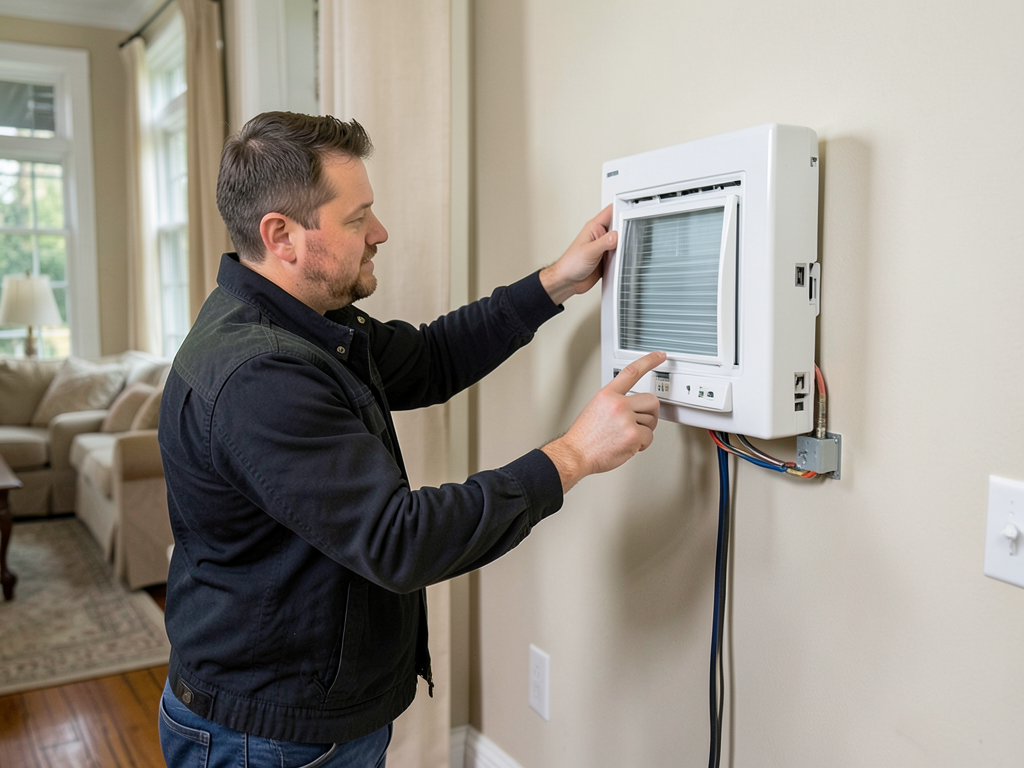
Many Blue Hills homes were built before air conditioning existed, featuring plaster walls and hardwood floors that complicate traditional HVAC installation. These older construction methods mean installing ductwork would require removing walls, ceilings, and floors throughout the home.
Ductless systems bypass these challenges entirely. Installation requires only a small three-inch hole for refrigerant lines and electrical connections. The indoor units mount directly to walls or ceilings, preserving your home’s historic character while adding modern comfort.
Blue Hills’ mix of Victorian-era homes and mid-century bungalows presents unique cooling needs. Ductless systems excel here because they allow different zones to operate independently. Keep your bedroom cool at night without wasting energy on empty living spaces.
Installation Process for Hartford Homes

Professional installation follows a specific process to ensure optimal performance. First, technicians perform a Manual J load calculation to determine the exact cooling capacity needed for your space. This calculation considers room dimensions, insulation levels, window orientation, and Hartford’s specific climate factors.
The outdoor unit mounts on a concrete pad or wall bracket, positioned for proper airflow and noise reduction. Indoor units install in strategic locations based on room layout and usage patterns. Refrigerant lines run through walls or along exterior surfaces, connecting the indoor and outdoor components.
Most Blue Hills installations complete in one to two days. The process includes system charging, electrical connection, and thorough testing to verify proper operation. Hartford building codes require permits for all new HVAC installations, ensuring safety and compliance.
Energy Efficiency and Cost Savings
Modern ductless systems achieve SEER2 ratings between 18 and 30, significantly higher than window units or older central systems. This efficiency translates directly to lower utility bills. In Hartford’s climate, where air conditioning runs frequently during summer months, these savings add up quickly.
The inverter technology in quality systems adjusts compressor speed to maintain exact temperatures without the energy spikes of traditional on/off cycling. This means consistent comfort with minimal power consumption. During Connecticut’s humid summers, the systems’ superior dehumidification removes moisture more effectively than standard air conditioners.
Annual maintenance costs remain low compared to traditional systems. Filters clean easily, and the absence of ductwork eliminates duct cleaning expenses. Most systems operate reliably for 15-20 years with basic care.
Local Rebates and Financial Incentives
Connecticut homeowners can access multiple rebate programs for ductless installations. Energize Connecticut offers rebates up to $500 per indoor unit for qualifying systems. Eversource and United Illuminating customers may qualify for additional incentives through their utility providers.
The federal 25C tax credit provides up to $2,000 for qualifying heat pump installations, including ductless systems. This credit applies to both equipment and installation costs, reducing your tax burden dollar-for-dollar. Local HVAC contractors familiar with these programs can handle much of the paperwork.
Utility companies also offer special financing through on-bill repayment programs, allowing you to spread costs over several years while enjoying immediate energy savings. These programs make high-efficiency systems accessible to more homeowners.
Single-Zone vs. Multi-Zone Systems
Choosing between system types depends on your home’s layout and cooling needs. Single-zone systems work well for additions, finished basements, or specific problem areas. They cost less upfront but only condition one space at a time.
Multi-zone systems connect multiple indoor units to one outdoor compressor. This configuration suits whole-home cooling, allowing different temperatures in various rooms. The flexibility proves valuable in Blue Hills homes where some areas may need more cooling than others.
System sizing matters significantly. An undersized unit runs constantly without achieving desired temperatures. Oversized units short-cycle, reducing efficiency and comfort. Professional load calculations prevent these issues, ensuring your system matches your home’s specific requirements.
Performance in Connecticut Winters
Modern cold-climate heat pumps operate effectively even when temperatures drop below zero. Hyper-heating technology allows these systems to extract heat from extremely cold air, providing reliable warmth throughout Hartford’s winter months. This eliminates the need for separate heating systems in many cases.
During polar vortex events, these systems maintain efficiency by using advanced defrost cycles and variable-speed compressors. The technology continues extracting usable heat from air as cold as -13°F, though supplemental heating may activate during extreme conditions.
Energy consumption remains lower than electric resistance heating or propane systems. The heat pump technology moves existing heat rather than generating it, achieving efficiency ratings above 300% in moderate conditions.
Common Installation Questions
Homeowners frequently ask about noise levels. Modern indoor units operate between 19 and 30 decibels, quieter than a whisper. Outdoor units produce minimal noise, comparable to a small refrigerator.
Installation timing varies by project complexity. Simple single-zone installations complete in under four hours. Multi-zone whole-home projects require one to two days. Weather rarely delays indoor work, though outdoor unit mounting may pause during severe conditions.
Permits from the City of Hartford Building Department ensure installations meet all safety codes. Licensed contractors handle permit acquisition and inspections as part of the installation process.
Maintenance Requirements
Ductless systems need minimal maintenance compared to traditional HVAC. Monthly filter cleaning maintains efficiency and air quality. The process takes minutes using warm water and mild soap. Some high-end filters last up to five years before replacement.
Annual professional maintenance includes checking refrigerant levels, cleaning coils, and verifying electrical connections. These checkups prevent minor issues from becoming major problems. Hartford’s humid climate makes coil cleaning particularly important to prevent mold growth.
Outdoor units need occasional cleaning to remove leaves, pollen, and debris. Keeping the area around the unit clear ensures proper airflow and system efficiency.
Environmental Benefits
Ductless systems use environmentally friendly R-32 refrigerant, which has a lower global warming potential than older refrigerants. The high efficiency reduces overall energy consumption, decreasing your carbon footprint even if your electricity comes from fossil fuel sources.
Zone control prevents energy waste by conditioning only occupied spaces. This targeted approach can reduce cooling energy use by 20-30% compared to central systems that cool entire homes regardless of occupancy.
Many systems integrate with smart thermostats, allowing remote control and scheduling. This connectivity enables energy-saving adjustments when you’re away from home.
Choosing the Right Contractor
Look for NATE-certified technicians with specific experience in ductless installations. Ask about their familiarity with Hartford’s building codes and permit requirements. Quality contractors provide detailed written estimates and explain all options clearly.
Check references from other Blue Hills homeowners. Ask about installation quality, system performance, and post-installation support. Reliable contractors stand behind their work with comprehensive warranties.
Consider contractors who offer maintenance plans and emergency service. These services ensure your system operates efficiently for its entire lifespan.
Frequently Asked Questions
Do ductless mini splits work in Blue Hills’ cold winters?
Yes. Modern cold-climate heat pumps operate effectively down to -13°F. Hyper-heating technology ensures reliable performance even during Connecticut’s coldest periods.
How long does installation take in a Blue Hills home?
Single-zone installations complete in 4-6 hours. Multi-zone whole-home projects require 1-2 days depending on system complexity and home layout.
Are permits required for ductless installations in Hartford?
Yes. The City of Hartford Building Department requires permits for all new HVAC installations. Licensed contractors handle permit acquisition and inspections.
What rebates are available for Blue Hills homeowners?
Energize Connecticut offers up to $500 per indoor unit. Federal tax credits provide up to $2,000. Utility companies may offer additional incentives through on-bill financing programs.
Making the Right Choice for Your Home
Ductless mini splits offer Blue Hills homeowners an efficient, cost-effective cooling solution that respects historic architecture while providing modern comfort. The technology’s reliability, combined with available rebates and incentives, makes now an ideal time to upgrade your home’s climate control.
Consider your specific needs, home layout, and budget when evaluating options. Professional consultation helps determine the best system configuration for your situation.
The investment in quality equipment and professional installation pays dividends through lower energy bills, improved comfort, and increased home value. Many Blue Hills homeowners find ductless systems solve cooling challenges that seemed impossible with traditional HVAC methods.
Call (959) 203-9992 today to schedule your inspection. Our Hartford HVAC experts will evaluate your home and provide a detailed quote for your ductless mini split installation. Don’t wait for the next heat wave to discover your cooling options.
You may also find this helpful. Stay Cool in Your Frog Hollow Apartment with a Compact Ductless AC.
{
“@context”: “https://schema.org”,
“@type”: “BlogPosting”,
“headline”: “Why Ductless Mini Splits Are the Perfect Cooling Solution for Blue Hills Homes”,
“description”: “Discover why ductless mini splits are ideal for Blue Hills homes. Learn about efficiency, installation, and local rebates from Hartford HVAC experts.”,
“wordCount”: 1505,
“datePublished”: “2026-02-16T07:06:00.000Z”,
“dateModified”: “2026-02-16T07:06:00.000Z”,
“inLanguage”: “en-US”,
“mainEntityOfPage”: {
“@type”: “WebPage”,
“@id”: “https://libertyhvachartford.com”
},
“publisher”: {
“@type”: “LocalBusiness”,
“name”: “Liberty HVAC Hartford”,
“url”: “https://libertyhvachartford.com”
},
“author”: {
“@type”: “Organization”,
“name”: “Liberty HVAC Hartford”,
“url”: “https://libertyhvachartford.com”
},
“image”: {
“@type”: “ImageObject”,
“url”: “https://libertyhvachartford.com/wp-content/uploads/2026/03/why-ductless-mini-splits-are-the-perfect-cooling-s-1.png”
}
}
{
“@context”: “https://schema.org”,
“@type”: “HVACBusiness”,
“name”: “Liberty HVAC Hartford”,
“url”: “https://libertyhvachartford.com”,
“address”: {
“@type”: “PostalAddress”,
“addressLocality”: “Hartford”
},
“areaServed”: {
“@type”: “City”,
“name”: “Hartford”
}
}
{
“@context”: “https://schema.org”,
“@type”: “FAQPage”,
“mainEntity”: [
{
“@type”: “Question”,
“name”: “Do ductless mini splits work in Blue Hills’ cold winters?”,
“acceptedAnswer”: {
“@type”: “Answer”,
“text”: “Yes. Modern cold-climate heat pumps operate effectively down to -13°F. Hyper-heating technology ensures reliable performance even during Connecticut’s coldest periods.”
}
},
{
“@type”: “Question”,
“name”: “How long does installation take in a Blue Hills home?”,
“acceptedAnswer”: {
“@type”: “Answer”,
“text”: “Single-zone installations complete in 4-6 hours. Multi-zone whole-home projects require 1-2 days depending on system complexity and home layout.”
}
},
{
“@type”: “Question”,
“name”: “Are permits required for ductless installations in Hartford?”,
“acceptedAnswer”: {
“@type”: “Answer”,
“text”: “Yes. The City of Hartford Building Department requires permits for all new HVAC installations. Licensed contractors handle permit acquisition and inspections.”
}
},
{
“@type”: “Question”,
“name”: “What rebates are available for Blue Hills homeowners?”,
“acceptedAnswer”: {
“@type”: “Answer”,
“text”: “Energize Connecticut offers up to $500 per indoor unit. Federal tax credits provide up to $2,000. Utility companies may offer additional incentives through on-bill financing programs.”
}
}
]
}
{
“@context”: “https://schema.org”,
“@type”: “BreadcrumbList”,
“itemListElement”: [
{
“@type”: “ListItem”,
“position”: 1,
“name”: “Home”,
“item”: “https://libertyhvachartford.com”
},
{
“@type”: “ListItem”,
“position”: 2,
“name”: “Blog”,
“item”: “https://libertyhvachartford.com/blog”
},
{
“@type”: “ListItem”,
“position”: 3,
“name”: “Why Ductless Mini Splits Are the Perfect Cooling Solution for Blue Hills Homes”
}
]
}
{
“@context”: “https://schema.org”,
“@type”: “Service”,
“serviceType”: “HVAC”,
“provider”: {
“@type”: “LocalBusiness”,
“name”: “Liberty HVAC Hartford”,
“url”: “https://libertyhvachartford.com”
},
“areaServed”: {
“@type”: “City”,
“name”: “Hartford”
},
“description”: “Discover why ductless mini splits are ideal for Blue Hills homes. Learn about efficiency, installation, and local rebates from Hartford HVAC experts.”
}