
What is the Best Vacation Thermostat Setting for Hartford Winters?
Heading south for a winter vacation in Hartford can be stressful when you worry about frozen pipes. The last thing you want is to return to a flooded home. The good news is that setting your thermostat correctly can prevent this disaster while still saving energy. For Hartford’s freezing winters, the industry standard minimum safe temperature is 55°F. This temperature keeps your pipes above freezing while reducing heating costs. However, several factors specific to your Hartford home can affect this number. The Best Energy Efficient Boilers for Hartford Homes with Old Radiators.
The Golden Rule: The Minimum Safe Temperature
Most Hartford HVAC professionals recommend setting your thermostat to at least 55°F when you leave for winter vacation. This temperature provides a safety buffer against the extreme cold snaps that hit Connecticut. The 55°F minimum comes from building code requirements and HVAC industry standards that recognize this as the threshold where pipes in exterior walls begin to freeze. Some homeowners with older Hartford homes or those with plumbing in exterior walls might need to set their thermostat to 60°F for extra protection. HVAC Hartford.
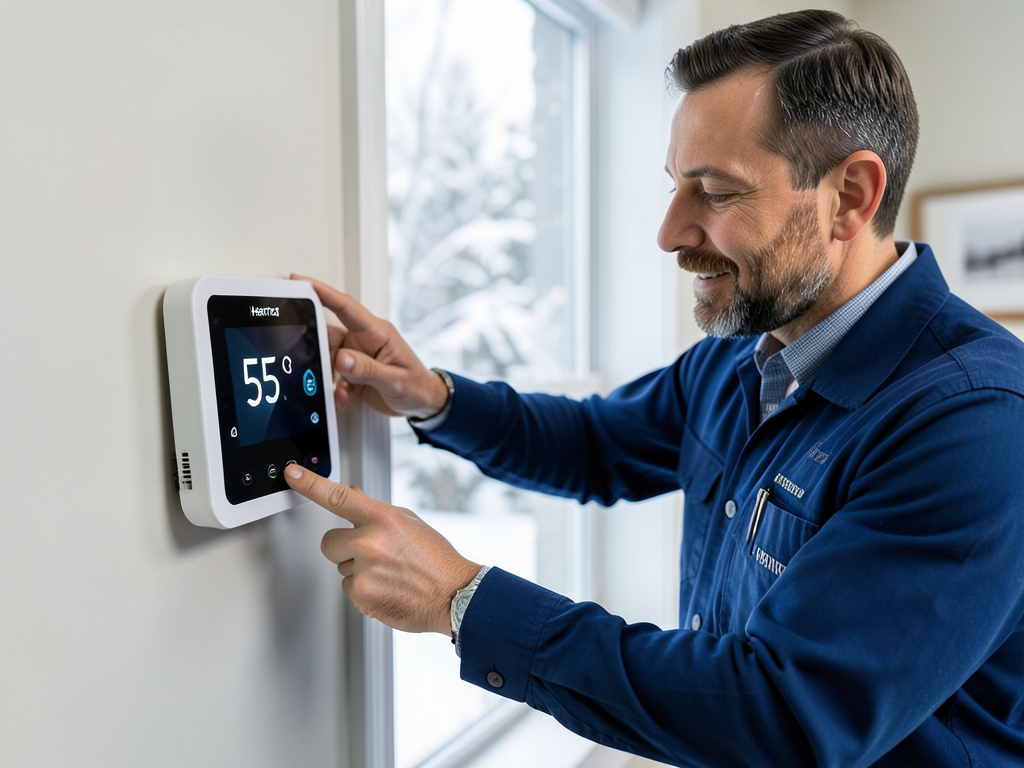
Why 55°F matters in Hartford: Hartford’s January lows often drop to 22°F or below, with record lows reaching -10°F during polar vortex events. At these temperatures, the heat from your home must fight against Connecticut’s bitter cold to keep pipes in exterior walls from freezing. The 55°F setting ensures enough heat radiates through your walls to prevent ice formation in your plumbing.
Factors Influencing Your Setting
Your Hartford home’s specific characteristics determine whether 55°F is sufficient. Several factors increase your freeze risk and might require a higher thermostat setting.
- Home Age and Construction
Older Hartford homes built before 1980 often have less insulation and single-pane windows. These homes lose heat faster through walls and windows, requiring a higher thermostat setting of 58-60°F.
- Plumbing Location
Pipes running through exterior walls or unheated spaces like garages need more protection. If your Hartford home has plumbing on outside walls, set your thermostat to 60°F.
- Insulation Quality
Homes with modern insulation (R-38 in attics, R-13 in walls) retain heat better. Well-insulated Hartford homes can safely use the 55°F minimum.. Read more about How to Safely Restart Your HVAC System After a Power Outage in the Greater Hartford Area.
- Duration of Absence
For trips longer than two weeks, consider setting to 60°F instead of 55°F. The longer your home sits empty, the more likely a thermostat malfunction could occur.
System-Specific Advice
Different heating systems in Hartford homes require specific thermostat strategies during winter vacations.
| Heating System Type | Vacation Setting | Special Considerations |
|---|---|---|
| Gas Furnace | 55-60°F | Most reliable for Hartford winters |
| Heat Pump | 60-65°F | Avoid emergency heat mode |
| Boiler System | 55°F | Check water pressure before leaving |
| Electric Baseboard | 60°F | Slower heat response time |
Heat pumps require special attention: Hartford’s cold winters can trigger emergency heat mode, which dramatically increases energy use. Set your heat pump thermostat to 60-65°F and switch to emergency heat only if temperatures drop below 20°F. Heat pumps struggle to extract heat from Connecticut’s frigid air, making them less reliable for vacation protection than gas furnaces.
Boiler systems need pressure checks: Before leaving for vacation, check your boiler’s water pressure gauge. Hartford’s hard water can cause mineral buildup that affects pressure. Low pressure in a boiler system can cause the system to shut down, leaving your pipes vulnerable. The ideal pressure reading is between 12-15 PSI.
The Role of Smart Thermostats
Smart thermostats provide Hartford homeowners with remote monitoring capabilities that traditional thermostats cannot match. During winter vacations, these devices become essential safety tools.
Modern smart thermostats like the Ecobee or Nest can send alerts when temperatures drop below your set threshold. This feature proves invaluable during Hartford’s unpredictable winter weather. If a power outage occurs or your heating system fails, you’ll receive an immediate notification on your phone.
Smart thermostats also allow you to adjust settings remotely. If Hartford experiences an unexpected cold snap while you’re away, you can raise the temperature from anywhere. Some models even integrate with home automation systems to trigger additional safeguards like opening cabinet doors under sinks automatically.
The energy savings from smart thermostats typically offset their cost within two heating seasons for Hartford homes. These devices learn your home’s patterns and optimize heating cycles, potentially saving 10-15% on your annual heating bill while providing vacation protection.
Winter Vacation Checklist for Hartford Homeowners
Before leaving Hartford for your winter vacation, complete this checklist to protect your home from frozen pipes and heating system failures. Compressor Failure Repair.
- Set Thermostat Correctly
Adjust to 55-60°F based on your home’s specific needs. Older Hartford homes may need 60°F.
- Open Cabinet Doors
Open kitchen and bathroom cabinet doors to allow warm air circulation around plumbing.
- Shut Off Main Water
Turn off the main water valve and drain pipes by opening faucets. This prevents flooding if a pipe does burst.
- Check Furnace Filter
Replace or clean your furnace filter. A dirty filter can cause system failure during cold snaps. Who to Call for Emergency Furnace Repair in Hartford in the Middle of the Night.
- Test Smoke and CO Detectors
Replace batteries and test all detectors. Heating systems can produce carbon monoxide if malfunctioning.
- Ask a Neighbor to Monitor
Have a trusted Hartford neighbor check your home every few days.
Additional Hartford-specific precautions: Hartford’s clay soil can cause foundation shifting that affects pipe connections. Before leaving, check visible pipes in basements and crawl spaces for signs of wear or corrosion. The city’s aging infrastructure means water main breaks can cause pressure fluctuations that stress your home’s plumbing.
Emergency Measures for Extreme Cold
Sometimes Hartford experiences extreme cold that pushes even the best preparations to their limits. When temperatures drop below 0°F, consider these additional measures. EPA energy efficiency guidelines.
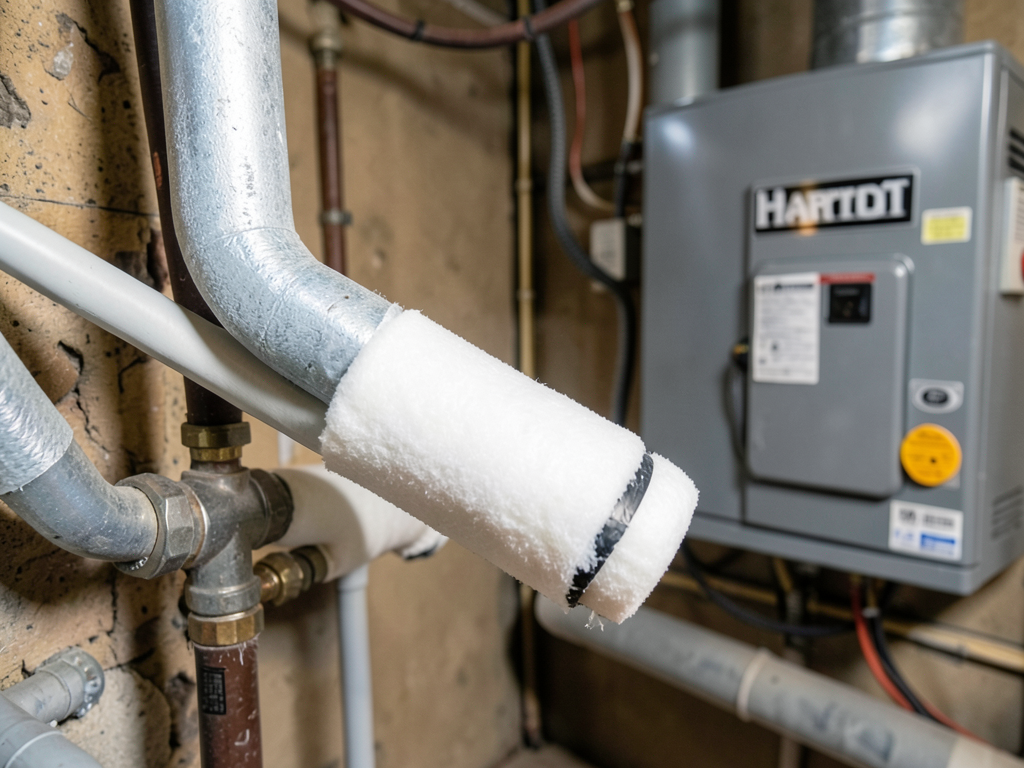
Install pipe insulation on all exposed plumbing in unheated areas like basements, attics, and crawl spaces. Foam pipe insulation costs about $2 per six-foot section and can prevent freezing in moderately cold conditions. For extreme cold, consider heat tape on vulnerable pipes, though this requires electricity to function.
Let faucets drip slightly during extreme cold snaps. Moving water freezes less readily than standing water. A slow drip from both hot and cold taps costs only pennies per day but can prevent thousands in water damage.
Consider installing a freeze alarm that calls you if indoor temperatures drop below your set threshold. These devices cost $50-100 and provide peace of mind when you’re vacationing far from Hartford.
Cost Comparison: Prevention vs. Repair
Understanding the financial impact helps justify the small investments in freeze prevention. Here’s how prevention costs compare to potential damage:
| Prevention Measure | Cost | Potential Repair Savings |
|---|---|---|
| Smart thermostat installation | $150-300 | Prevents emergency service calls ($200-500) |
| Foam pipe insulation | $50-100 | Prevents pipe replacement ($1,000-3,000) |
| Water main shut-off | $0 | Prevents flooding damage ($5,000-25,000) |
| Freeze alarm | $50-100 | Early warning prevents major damage |
The average Hartford homeowner who experiences a burst pipe during vacation faces $10,000-15,000 in repair costs, not including the irreplaceable personal items that often get damaged. Prevention measures costing less than $500 can eliminate this risk entirely.
Common Mistakes Hartford Homeowners Make
Even well-intentioned homeowners make critical errors when preparing for winter vacations. Here are the most common mistakes we see in Hartford.
Turning the heat completely off: Some homeowners think they’ll save money by turning off heat entirely. This approach guarantees frozen pipes in Hartford’s climate. The energy saved on heating gets wiped out by the massive repair costs from burst pipes.
Setting temperature too low: Setting to 45-50°F might seem safe but doesn’t account for heating system failures or extreme cold snaps. Hartford’s record lows can overwhelm systems struggling to maintain even 55°F.
Ignoring humidity levels: Hartford’s winter air can be quite dry. Extremely low humidity can cause wood floors and furniture to crack. Consider using a whole-house humidifier set to 30-40% humidity during your absence.
Forgetting about the water heater: Set your water heater to vacation mode (typically 50°F) to save energy. This prevents unnecessary heating while you’re away and reduces the risk of pressure buildup in the tank.
Local Building Code Considerations
Hartford follows Connecticut State Building Code based on International Mechanical Code (IMC) Section 1301.3, which requires minimum heating system functionality to prevent freezing in occupied buildings. While this code doesn’t specifically address vacation settings, it establishes the 55°F threshold as the minimum temperature for occupied spaces during heating season. International Association of Certified Home Inspectors.
According to the IMC, heating equipment must maintain indoor temperatures of at least 68°F when occupied, but this drops to 55°F for unoccupied periods in residential buildings. This standard protects against frozen pipes while recognizing energy conservation needs.
For Hartford homes in historic districts, additional considerations apply. Many Victorian-era homes have plumbing routed through exterior walls due to original construction methods. These homes often require higher thermostat settings (60°F minimum) to compensate for less effective insulation and older window seals.
Smart Technology Integration
Modern Hartford homes increasingly integrate smart technology for winter protection. Beyond smart thermostats, consider these connected devices for vacation peace of mind.
Water leak detectors placed near water heaters, under sinks, and near washing machines can alert you to problems before they become disasters. These battery-powered devices send notifications to your phone when they detect moisture, allowing you to call a Hartford plumber before extensive damage occurs.
Smart water shut-off valves automatically turn off your home’s water supply if they detect unusual flow patterns that might indicate a burst pipe. These systems cost $400-800 installed but can prevent catastrophic flooding.
Security cameras with temperature sensors provide visual confirmation that your home remains safe. Many Hartford homeowners use these systems to check on pets staying behind or to verify that their freeze prevention measures are working correctly.
Insurance Considerations
Your Hartford homeowner’s insurance may have specific requirements for winter vacation coverage. Many policies require maintaining minimum heat levels (usually 55°F) to qualify for full coverage on freeze-related damage.
Some insurers offer discounts for smart home protection systems that include freeze detection. Check with your Hartford insurance provider about potential savings from installing leak detectors or smart thermostats.
Document your freeze prevention measures before leaving. Photos of your thermostat setting, water shut-off valve position, and any additional protections can help if you need to file a claim upon return.
Energy Savings vs. Protection Balance
Finding the right balance between energy savings and freeze protection requires understanding your specific situation. Here’s a practical approach for Hartford homeowners.
Start with the 55°F baseline. If your home is newer than 1990, well-insulated, and you’ll be gone less than a week, this temperature provides adequate protection while saving 15-20% on your heating bill compared to maintaining 68°F.
For older Hartford homes or longer absences, increase to 60°F. This setting costs about $3-5 more per day but provides significant additional protection against Hartford’s unpredictable winter weather.
Consider the cost of your peace of mind. For many Hartford homeowners, the $50-100 additional cost of setting to 60°F instead of 55°F is worth the reduced anxiety during vacation.
Professional Inspection Services
For Hartford homeowners who want absolute peace of mind, professional vacation inspection services provide regular home checks during your absence. These services typically cost $25-50 per visit and include:
- Thermostat verification and temperature logging
- Visual inspection for signs of heating system problems
- Check of exposed plumbing for leaks or freezing
- Security verification of all entry points
- Emergency contact if problems are detected
Many Hartford HVAC companies offer these services specifically for winter vacationers. The cost is minimal compared to potential repair bills and provides professional eyes on your home’s critical systems.
Conclusion
Setting your thermostat correctly for a Hartford winter vacation requires balancing energy savings with freeze protection. The 55°F minimum provides a solid starting point, but your specific home characteristics may require adjustments up to 60°F for adequate protection.
Smart technology, proper preparation, and understanding Hartford’s unique winter challenges can help you vacation with confidence. Remember that prevention costs far less than repair, and the small investments in freeze protection can save you thousands in potential damage.
Don’t let frozen pipes ruin your winter vacation. Take the time to prepare your Hartford home properly, and you’ll return to a safe, warm house ready for your next adventure.
Call (959) 203-9992 today to schedule your pre-vacation HVAC inspection and ensure your home is ready for Hartford’s winter weather.
Frequently Asked Questions
What is the absolute lowest temperature I can set my thermostat to in winter?
The absolute lowest safe temperature is 55°F for most Hartford homes. Setting below this risks frozen pipes, especially in homes with plumbing in exterior walls or poor insulation.
How much money will I save by lowering my thermostat while on vacation?
Each degree you lower your thermostat saves approximately 3% on your heating bill. Dropping from 68°F to 55°F can save 30-40% on heating costs during your absence.
Should I turn off my water heater when I go on vacation?
No, but set it to vacation mode (around 50°F). Completely turning it off can cause pressure issues and make it harder to get hot water when you return.
How long can I leave my house at 55°F without risking frozen pipes?
You can safely leave your house at 55°F for up to two weeks in most Hartford homes. For longer absences, consider setting to 60°F or having someone check on your home regularly.
What should I do if my power goes out while I’m on vacation?
If you have a smart thermostat, you’ll receive a power outage alert. Consider having a neighbor check on your home or installing a whole-house generator for extended absences during winter months.
Can I use space heaters instead of my central heating system?
Space heaters are not recommended for freeze protection. They can overload circuits, pose fire risks, and won’t provide adequate whole-house heating to prevent pipe freezing in exterior walls.
How do I know if my home needs a higher thermostat setting than 55°F?
Homes built before 1980, those with plumbing in exterior walls, or properties with poor insulation typically need 60°F settings. Consider a professional HVAC assessment if you’re unsure about your home’s specific needs.
What’s the difference between emergency heat and regular heat on my thermostat?
Emergency heat uses electric resistance heating, which is much more expensive than your heat pump’s normal operation. Only use emergency heat if temperatures drop below 20°F or your heat pump fails completely.
Should I drain my pipes completely if I’m going away for a long time?
For absences longer than a month, consider shutting off the main water valve and draining pipes. For shorter trips, simply setting your thermostat correctly and keeping cabinet doors open is usually sufficient.
How can I monitor my home’s temperature while I’m away?
Smart thermostats provide remote temperature monitoring and alerts. Some security systems also include temperature sensors that can notify you of dangerous drops in indoor temperature.
{
“@context”: “https://schema.org”,
“@type”: “BlogPosting”,
“headline”: “Setting Your Thermostat for a Connecticut Winter Vacation Without Risking Frozen Pipes”,
“description”: “Learn the exact thermostat settings to prevent frozen pipes in Hartford this winter. Get expert advice on protecting your home during cold snaps.”,
“wordCount”: 2473,
“datePublished”: “2026-05-30T07:04:00.000Z”,
“dateModified”: “2026-05-30T07:04:00.000Z”,
“inLanguage”: “en-US”,
“mainEntityOfPage”: {
“@type”: “WebPage”,
“@id”: “https://libertyhvachartford.com”
},
“publisher”: {
“@type”: “LocalBusiness”,
“name”: “Liberty HVAC Hartford”,
“url”: “https://libertyhvachartford.com”
},
“author”: {
“@type”: “Organization”,
“name”: “Liberty HVAC Hartford”,
“url”: “https://libertyhvachartford.com”
},
“image”: {
“@type”: “ImageObject”,
“url”: “https://libertyhvachartford.com/wp-content/uploads/2026/03/setting-your-thermostat-for-a-connecticut-winter-v-1.png”
}
}
{
“@context”: “https://schema.org”,
“@type”: “HVACBusiness”,
“name”: “Liberty HVAC Hartford”,
“url”: “https://libertyhvachartford.com”,
“address”: {
“@type”: “PostalAddress”,
“addressLocality”: “Hartford”
},
“areaServed”: {
“@type”: “City”,
“name”: “Hartford”
}
}
{
“@context”: “https://schema.org”,
“@type”: “FAQPage”,
“mainEntity”: [
{
“@type”: “Question”,
“name”: “What is the absolute lowest temperature I can set my thermostat to in winter?”,
“acceptedAnswer”: {
“@type”: “Answer”,
“text”: “The absolute lowest safe temperature is 55°F for most Hartford homes. Setting below this risks frozen pipes, especially in homes with plumbing in exterior walls or poor insulation.”
}
},
{
“@type”: “Question”,
“name”: “How much money will I save by lowering my thermostat while on vacation?”,
“acceptedAnswer”: {
“@type”: “Answer”,
“text”: “Each degree you lower your thermostat saves approximately 3% on your heating bill. Dropping from 68°F to 55°F can save 30-40% on heating costs during your absence.”
}
},
{
“@type”: “Question”,
“name”: “Should I turn off my water heater when I go on vacation?”,
“acceptedAnswer”: {
“@type”: “Answer”,
“text”: “No, but set it to vacation mode (around 50°F). Completely turning it off can cause pressure issues and make it harder to get hot water when you return.”
}
},
{
“@type”: “Question”,
“name”: “How long can I leave my house at 55°F without risking frozen pipes?”,
“acceptedAnswer”: {
“@type”: “Answer”,
“text”: “You can safely leave your house at 55°F for up to two weeks in most Hartford homes. For longer absences, consider setting to 60°F or having someone check on your home regularly.”
}
},
{
“@type”: “Question”,
“name”: “What should I do if my power goes out while I’m on vacation?”,
“acceptedAnswer”: {
“@type”: “Answer”,
“text”: “If you have a smart thermostat, you’ll receive a power outage alert. Consider having a neighbor check on your home or installing a whole-house generator for extended absences during winter months.”
}
},
{
“@type”: “Question”,
“name”: “Can I use space heaters instead of my central heating system?”,
“acceptedAnswer”: {
“@type”: “Answer”,
“text”: “Space heaters are not recommended for freeze protection. They can overload circuits, pose fire risks, and won’t provide adequate whole-house heating to prevent pipe freezing in exterior walls.”
}
},
{
“@type”: “Question”,
“name”: “How do I know if my home needs a higher thermostat setting than 55°F?”,
“acceptedAnswer”: {
“@type”: “Answer”,
“text”: “Homes built before 1980, those with plumbing in exterior walls, or properties with poor insulation typically need 60°F settings. Consider a professional HVAC assessment if you’re unsure about your home’s specific needs.”
}
},
{
“@type”: “Question”,
“name”: “What’s the difference between emergency heat and regular heat on my thermostat?”,
“acceptedAnswer”: {
“@type”: “Answer”,
“text”: “Emergency heat uses electric resistance heating, which is much more expensive than your heat pump’s normal operation. Only use emergency heat if temperatures drop below 20°F or your heat pump fails completely.”
}
},
{
“@type”: “Question”,
“name”: “Should I drain my pipes completely if I’m going away for a long time?”,
“acceptedAnswer”: {
“@type”: “Answer”,
“text”: “For absences longer than a month, consider shutting off the main water valve and draining pipes. For shorter trips, simply setting your thermostat correctly and keeping cabinet doors open is usually sufficient.”
}
},
{
“@type”: “Question”,
“name”: “How can I monitor my home’s temperature while I’m away?”,
“acceptedAnswer”: {
“@type”: “Answer”,
“text”: “Smart thermostats provide remote temperature monitoring and alerts. Some security systems also include temperature sensors that can notify you of dangerous drops in indoor temperature.”
}
}
]
}
{
“@context”: “https://schema.org”,
“@type”: “HowTo”,
“name”: “Factors Affecting Thermostat Settings”,
“step”: [
{
“@type”: “HowToStep”,
“position”: 1,
“name”: “Home Age and Construction”,
“text”: “Older Hartford homes built before 1980 often have less insulation and single-pane windows. These homes lose heat faster through walls and windows, requiring a higher thermostat setting of 58-60°F.”
},
{
“@type”: “HowToStep”,
“position”: 2,
“name”: “Plumbing Location”,
“text”: “Pipes running through exterior walls or unheated spaces like garages need more protection. If your Hartford home has plumbing on outside walls, set your thermostat to 60°F.”
},
{
“@type”: “HowToStep”,
“position”: 3,
“name”: “Insulation Quality”,
“text”: “Homes with modern insulation (R-38 in attics, R-13 in walls) retain heat better. Well-insulated Hartford homes can safely use the 55°F minimum.”
},
{
“@type”: “HowToStep”,
“position”: 4,
“name”: “Duration of Absence”,
“text”: “For trips longer than two weeks, consider setting to 60°F instead of 55°F. The longer your home sits empty, the more likely a thermostat malfunction could occur.”
}
],
“image”: “https://libertyhvachartford.com/wp-content/uploads/2026/03/setting-your-thermostat-for-a-connecticut-winter-v-1.png”
}
{
“@context”: “https://schema.org”,
“@type”: “BreadcrumbList”,
“itemListElement”: [
{
“@type”: “ListItem”,
“position”: 1,
“name”: “Home”,
“item”: “https://libertyhvachartford.com”
},
{
“@type”: “ListItem”,
“position”: 2,
“name”: “Blog”,
“item”: “https://libertyhvachartford.com/blog”
},
{
“@type”: “ListItem”,
“position”: 3,
“name”: “Setting Your Thermostat for a Connecticut Winter Vacation Without Risking Frozen Pipes”
}
]
}
{
“@context”: “https://schema.org”,
“@type”: “Service”,
“serviceType”: “HVAC”,
“provider”: {
“@type”: “LocalBusiness”,
“name”: “Liberty HVAC Hartford”,
“url”: “https://libertyhvachartford.com”
},
“areaServed”: {
“@type”: “City”,
“name”: “Hartford”
},
“description”: “Learn the exact thermostat settings to prevent frozen pipes in Hartford this winter. Get expert advice on protecting your home during cold snaps.”
}