
Protecting Your Outdoor HVAC Unit from Heavy Snow and Falling Debris in Wethersfield
Wintry weather in Wethersfield can be brutal on outdoor HVAC equipment. With heavy snowfall, ice buildup, and debris from trees and roofs, your condenser unit faces serious risks during Connecticut winters. The good news is that with proper preparation and protection, you can prevent costly damage and ensure your system runs efficiently when you need it most. Connecticut Department of Energy and Environmental Protection.
Wethersfield experiences an average of 35 inches of snow annually, with January temperatures often dropping below 20°F. These conditions create perfect circumstances for ice dams to form on roofs, sending large sheets of ice crashing down onto outdoor units. Additionally, the town’s mature tree canopy means falling branches and accumulated debris pose constant threats throughout the winter season.
Why Wethersfield’s Climate Creates Unique HVAC Challenges
The Connecticut River Valley’s microclimate affects how snow and ice accumulate on your property. Wethersfield’s proximity to the river creates slightly higher humidity levels than surrounding areas, which means snow often has a higher moisture content. This wet, heavy snow places extra stress on outdoor units compared to the drier powder found in northern New England. Connecticut Department of Consumer Protection.
Local building patterns also contribute to the risk. Many Wethersfield homes feature roof designs with multiple valleys and dormers, creating perfect conditions for ice dam formation. The town’s historic district contains numerous Victorian-era homes with steep roof pitches that shed snow in large, dangerous sheets.
According to the Connecticut Department of Energy and Environmental Protection, Hartford County experiences an average of 4-5 significant winter storms each season that produce at least 6 inches of snow. These storms often come with strong winds that drive snow into condenser coils, reducing efficiency and potentially causing damage. High Efficiency AC Options for Luxury Homes in Glastonbury.
Essential Protection Methods for Your Outdoor Unit
Protecting your outdoor HVAC unit requires a multi-layered approach. The most effective strategy combines physical barriers, proper placement, and regular maintenance. Here’s what works best for Wethersfield homes:
- Install a Quality HVAC Cover
Use a breathable, weather-resistant cover specifically designed for your unit’s make and model. These covers should be removed during mild weather to prevent moisture buildup underneath.
- Create a Protective Barrier
Install a simple plywood shield angled above the unit to deflect falling ice and debris. The barrier should extend at least 2 feet beyond the unit on all sides.
- Clear Surrounding Area
Trim back tree branches within 6 feet of the unit and remove any structures that could collapse under snow load onto your HVAC equipment.
- Elevate the Unit
Ensure your condenser sits on a raised pad at least 6 inches above grade to prevent snow accumulation around the base.
Common Snow and Debris Damage Patterns in Wethersfield
Through years of service calls across Wethersfield, certain damage patterns emerge consistently. Understanding these helps you identify problems early:
Ice Dam Impact Damage: When ice dams break free from roofs, they often strike with enough force to bend fan blades, damage coil fins, or even crack the unit’s housing. Homes along Church Street and Jordan Lane show the highest incidence of this damage due to their roof designs.
Snow Drift Accumulation: South-facing units near the Connecticut River often experience deeper snow drifts due to prevailing northwest winds. These drifts can completely bury units, causing the system to work harder when it’s finally uncovered.
Branch Impact: Mature oak and maple trees common in Wethersfield’s older neighborhoods shed branches during ice storms. A single falling branch can damage refrigerant lines or electrical connections.
Debris Clogging: Fall leaves that remain in the area get trapped in units when early snows arrive. This debris holds moisture against metal components, accelerating corrosion.
Professional Winterization Services vs. DIY Protection
While many homeowners attempt DIY protection, professional winterization offers significant advantages. Here’s a comparison of approaches:
| Protection Method | DIY Approach | Professional Service | Effectiveness Rating |
|---|---|---|---|
| Unit Covering | Generic tarp with bungee cords | Custom-fit breathable cover | Professional: 9/10, DIY: 5/10 |
| Debris Removal | Basic cleaning before first snow | Thorough coil cleaning and inspection | Professional: 8/10, DIY: 6/10 |
| Structural Protection | Improvised plywood barrier | Engineered deflector system | Professional: 9/10, DIY: 4/10 |
| System Testing | Visual inspection only | Comprehensive performance test | Professional: 10/10, DIY: 3/10 |
Emergency Response for Snow-Damaged Units
When damage occurs despite your best efforts, quick action prevents further problems. Here’s what to do if you discover snow or debris damage:
- Safety First
Never attempt to clear heavy snow or ice from a damaged unit yourself. The weight can cause additional damage or personal injury. - Document the Damage
Take photos from multiple angles before any cleanup begins. This documentation helps with insurance claims and repair assessments. - Shut Down the System
Turn off power to the unit at the breaker to prevent electrical hazards or further mechanical damage. - Call for Professional Assessment
Contact a licensed HVAC technician who can safely evaluate and repair the damage.
Wethersfield residents should be particularly alert after major storms. The town’s emergency services report that HVAC-related calls spike 40% in the week following significant snowfall events. Who to Call for Emergency Furnace Repair in Hartford in the Middle of the Night.
Long-Term Protection Strategies for Wethersfield Homes
Beyond seasonal preparation, consider these long-term strategies to minimize winter damage risks:
Strategic Unit Placement: When installing new systems or replacing existing units, position them away from roof valleys and under minimal tree canopy. South-facing walls with east exposure typically experience less snow accumulation.
Roof Maintenance: Regular gutter cleaning and proper attic insulation reduce ice dam formation. Homes in Wethersfield’s historic district may qualify for specialized preservation grants that include roof improvements.
Landscaping Modifications: Replace weak-limbed trees near HVAC units with more resilient species. The Connecticut Agricultural Experiment Station recommends red maple or serviceberry for areas near mechanical equipment.
Insurance Review: Many homeowner policies exclude snow and ice damage. Review your coverage annually and consider adding equipment protection riders if you live in high-risk areas like the Wethersfield Cove neighborhood.
Cost-Benefit Analysis of Protection Methods
Investing in proper protection saves money long-term. Here’s what Hartford County homeowners typically experience: Stop Wasting Money with an Annual HVAC Tune Up in East Hartford.
| Protection Level | Initial Cost | Annual Savings | Break-even Period | Recommended For |
|---|---|---|---|---|
| Basic DIY | $50-100 | $75-150 | 1-2 years | Apartments, rentals |
| Enhanced DIY | $200-300 | $200-400 | 1-2 years | Most single-family homes |
| Professional System | $800-1,500 | $400-800 | 2-3 years | High-efficiency systems, historic homes |
Local Building Code Considerations
Wethersfield follows the Connecticut State Building Code, which includes specific requirements for outdoor mechanical equipment. Section 1305.1.1 of the International Mechanical Code, adopted by Connecticut, mandates minimum clearances and support requirements for outdoor units.. Read more about Setting Your Thermostat for a Connecticut Winter Vacation Without Risking Frozen Pipes.
Local amendments require that units in flood-prone areas like parts of the Cove Avenue corridor be elevated at least 12 inches above the base flood elevation. Additionally, historic district properties must receive approval from the Wethersfield Historic District Commission before installing protective structures.
According to the Wethersfield Building Department, approximately 15% of winter-related HVAC service calls result from code violations that become apparent during severe weather. Common issues include inadequate pad support and insufficient clearance from combustible materials.
Climate Change and Future Protection Needs
Connecticut’s climate is changing, with the state experiencing a 2.5°F temperature increase since the early 1900s. This warming trend affects winter precipitation patterns, creating more freeze-thaw cycles that increase ice dam formation risks.
The University of Connecticut’s Center for Land Use Education and Research predicts that Hartford County will see more frequent winter storms with mixed precipitation. This changing pattern means that traditional protection methods may need adjustment in coming years. HVAC Hartford.
Homeowners should consider more robust protection systems now, as the frequency of damaging events is expected to increase. The cost of protection is likely to remain stable while repair costs continue rising due to increasing demand during storm events.. Read more about How to Safely Restart Your HVAC System After a Power Outage in the Greater Hartford Area.
Frequently Asked Questions
Should I completely cover my outdoor HVAC unit during winter?
Complete coverage is not recommended. Instead, use a breathable cover that allows moisture to escape while protecting against snow and debris. Completely sealed covers trap moisture, leading to rust and corrosion.
How often should I check my protected unit during winter?
Inspect your unit after every major storm and at least twice per month during active winter weather. Look for snow accumulation, ice buildup, and any signs of damage or shifting.
Can falling ice really damage my HVAC unit?
Yes. Ice falling from even a one-story roof can strike with enough force to bend coil fins, damage fan blades, or crack the unit’s housing. The risk increases significantly with two or three-story homes common in Wethersfield’s historic districts.
What’s the best material for a protective barrier?
Plywood with a sloped top surface works well for most applications. For high-risk areas, consider powder-coated aluminum deflectors that won’t rust or deteriorate over time.
How do I know if my unit has been damaged by snow or ice?
Signs include unusual noises when starting, reduced heating or cooling capacity, visible dents or bends in the housing, and ice accumulation that doesn’t melt during daytime warming.
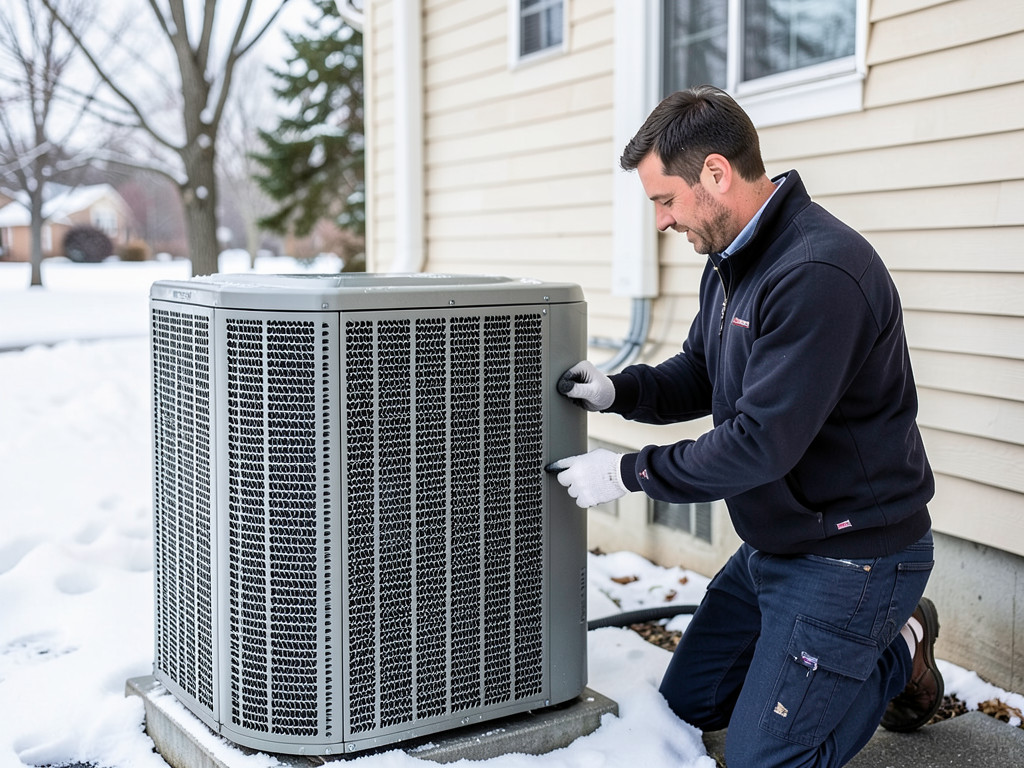
Diagram showing proper HVAC unit placement relative to roof lines and tree canopy, with protective barrier installation details.
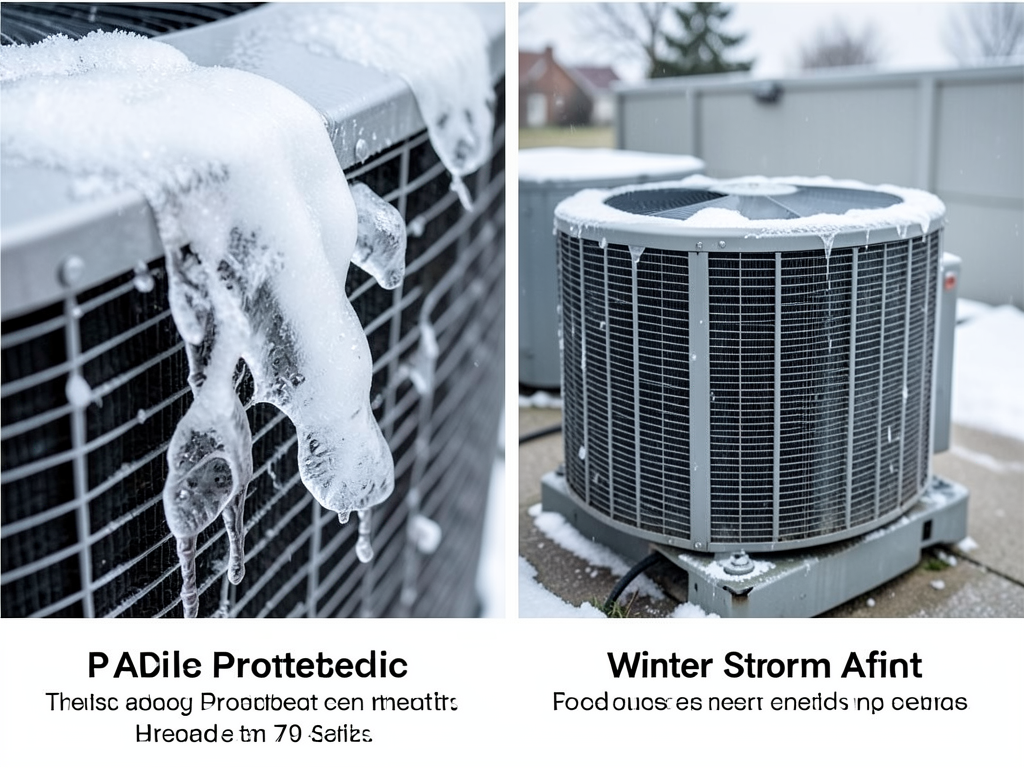
Photo series demonstrating common snow and ice damage patterns on outdoor HVAC units after winter storms in Connecticut.
Step-by-step installation guide for a professional-grade HVAC protection system including covers, barriers, and elevation components.
Take Action Before the Next Storm Hits
Don’t wait until the first major snowfall to protect your outdoor HVAC unit. The time to act is now, before Wethersfield experiences its next significant winter storm. Simple preparation can prevent thousands of dollars in damage and ensure your system operates efficiently all winter long. The Best Energy Efficient Boilers for Hartford Homes with Old Radiators.
Professional winterization services include comprehensive inspections, custom protection system installation, and performance testing that DIY methods simply cannot match. Our technicians understand the specific challenges that Wethersfield’s climate and architecture create for outdoor HVAC equipment.
Call (959) 203-9992 today to schedule your winter protection assessment. Our team will evaluate your specific situation, recommend appropriate protection measures, and ensure your system is ready for whatever winter brings. Don’t let snow and ice damage leave you without heat when you need it most.
Pick up the phone and call (959) 203-9992 before the next storm hits. Your comfort and safety depend on a properly protected HVAC system, and our experienced technicians are ready to help you prepare for winter’s challenges.
{
“@context”: “https://schema.org”,
“@type”: “BlogPosting”,
“headline”: “Protecting Your Outdoor HVAC Unit from Heavy Snow and Falling Debris in Wethersfield”,
“description”: “Learn how to protect your outdoor HVAC unit from heavy snow and debris in Wethersfield’s harsh winters. Expert tips for Connecticut homeowners.”,
“wordCount”: 1740,
“datePublished”: “2026-05-22T06:40:00.000Z”,
“dateModified”: “2026-05-22T06:40:00.000Z”,
“inLanguage”: “en-US”,
“mainEntityOfPage”: {
“@type”: “WebPage”,
“@id”: “https://libertyhvachartford.com”
},
“publisher”: {
“@type”: “LocalBusiness”,
“name”: “Liberty HVAC Hartford”,
“url”: “https://libertyhvachartford.com”
},
“author”: {
“@type”: “Organization”,
“name”: “Liberty HVAC Hartford”,
“url”: “https://libertyhvachartford.com”
},
“image”: {
“@type”: “ImageObject”,
“url”: “https://libertyhvachartford.com/wp-content/uploads/2026/03/protecting-your-outdoor-hvac-unit-from-heavy-snow-1.png”
}
}
{
“@context”: “https://schema.org”,
“@type”: “HVACBusiness”,
“name”: “Liberty HVAC Hartford”,
“url”: “https://libertyhvachartford.com”,
“address”: {
“@type”: “PostalAddress”,
“addressLocality”: “Hartford”
},
“areaServed”: {
“@type”: “City”,
“name”: “Hartford”
}
}
{
“@context”: “https://schema.org”,
“@type”: “FAQPage”,
“mainEntity”: [
{
“@type”: “Question”,
“name”: “Should I completely cover my outdoor HVAC unit during winter?”,
“acceptedAnswer”: {
“@type”: “Answer”,
“text”: “Complete coverage is not recommended. Instead, use a breathable cover that allows moisture to escape while protecting against snow and debris. Completely sealed covers trap moisture, leading to rust and corrosion.”
}
},
{
“@type”: “Question”,
“name”: “How often should I check my protected unit during winter?”,
“acceptedAnswer”: {
“@type”: “Answer”,
“text”: “Inspect your unit after every major storm and at least twice per month during active winter weather. Look for snow accumulation, ice buildup, and any signs of damage or shifting.”
}
},
{
“@type”: “Question”,
“name”: “Can falling ice really damage my HVAC unit?”,
“acceptedAnswer”: {
“@type”: “Answer”,
“text”: “Yes. Ice falling from even a one-story roof can strike with enough force to bend coil fins, damage fan blades, or crack the unit’s housing. The risk increases significantly with two or three-story homes common in Wethersfield’s historic districts.”
}
},
{
“@type”: “Question”,
“name”: “What’s the best material for a protective barrier?”,
“acceptedAnswer”: {
“@type”: “Answer”,
“text”: “Plywood with a sloped top surface works well for most applications. For high-risk areas, consider powder-coated aluminum deflectors that won’t rust or deteriorate over time.”
}
},
{
“@type”: “Question”,
“name”: “How do I know if my unit has been damaged by snow or ice?”,
“acceptedAnswer”: {
“@type”: “Answer”,
“text”: “Signs include unusual noises when starting, reduced heating or cooling capacity, visible dents or bends in the housing, and ice accumulation that doesn’t melt during daytime warming.”
}
}
]
}
{
“@context”: “https://schema.org”,
“@type”: “HowTo”,
“name”: “How to Protect Your HVAC Unit”,
“step”: [
{
“@type”: “HowToStep”,
“position”: 1,
“name”: “Install a Quality HVAC Cover”,
“text”: “Use a breathable, weather-resistant cover specifically designed for your unit’s make and model. These covers should be removed during mild weather to prevent moisture buildup underneath.”
},
{
“@type”: “HowToStep”,
“position”: 2,
“name”: “Create a Protective Barrier”,
“text”: “Install a simple plywood shield angled above the unit to deflect falling ice and debris. The barrier should extend at least 2 feet beyond the unit on all sides.”
},
{
“@type”: “HowToStep”,
“position”: 3,
“name”: “Clear Surrounding Area”,
“text”: “Trim back tree branches within 6 feet of the unit and remove any structures that could collapse under snow load onto your HVAC equipment.”
},
{
“@type”: “HowToStep”,
“position”: 4,
“name”: “Elevate the Unit”,
“text”: “Ensure your condenser sits on a raised pad at least 6 inches above grade to prevent snow accumulation around the base.”
}
],
“image”: “https://libertyhvachartford.com/wp-content/uploads/2026/03/protecting-your-outdoor-hvac-unit-from-heavy-snow-1.png”
}
{
“@context”: “https://schema.org”,
“@type”: “BreadcrumbList”,
“itemListElement”: [
{
“@type”: “ListItem”,
“position”: 1,
“name”: “Home”,
“item”: “https://libertyhvachartford.com”
},
{
“@type”: “ListItem”,
“position”: 2,
“name”: “Blog”,
“item”: “https://libertyhvachartford.com/blog”
},
{
“@type”: “ListItem”,
“position”: 3,
“name”: “Protecting Your Outdoor HVAC Unit from Heavy Snow and Falling Debris in Wethersfield”
}
]
}
{
“@context”: “https://schema.org”,
“@type”: “Service”,
“serviceType”: “HVAC”,
“provider”: {
“@type”: “LocalBusiness”,
“name”: “Liberty HVAC Hartford”,
“url”: “https://libertyhvachartford.com”
},
“areaServed”: {
“@type”: “City”,
“name”: “Hartford”
},
“description”: “Learn how to protect your outdoor HVAC unit from heavy snow and debris in Wethersfield’s harsh winters. Expert tips for Connecticut homeowners.”
}