
Keeping Rodents and Pests Out of Your Ductwork in Rural Marlborough and Hebron
Rodents and pests can cause serious damage to your HVAC system and compromise your indoor air quality. In rural areas like Marlborough and Hebron where homes border wooded areas and farmland, mice and other pests often find their way into ductwork during colder months. These unwanted guests not only create unpleasant odors and noises but also pose significant health risks through contamination and allergens.
Understanding how to identify, remove, and prevent rodent infestations in your ductwork is essential for maintaining a safe and comfortable home environment. This guide covers everything you need to know about keeping your HVAC system pest-free.
How to Tell if You Have Mice in Your Ductwork
Early detection of rodents in your ductwork can prevent extensive damage and contamination. Here are the key signs to watch for:
Unusual Noises – Scratching, scurrying, or gnawing sounds coming from walls or ceilings, especially at night when rodents are most active. These noises often originate near return air vents or supply registers.
Distinctive Odors – A strong ammonia-like smell indicates rodent urine in your ductwork. This odor intensifies when your HVAC system runs and circulates air through contaminated ducts.
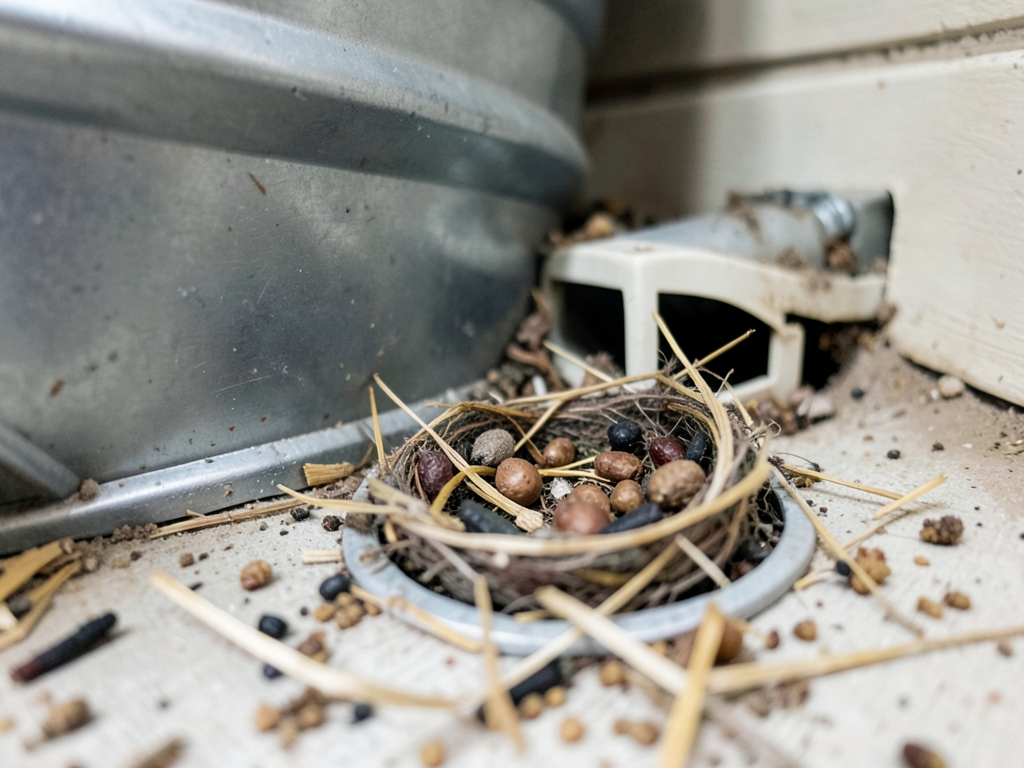
Visual Evidence – Small, dark droppings near floor vents or in basements indicate rodent activity. You might also notice shredded paper, insulation, or other nesting materials around your home.
Increased Allergies – If family members experience worsening allergy symptoms or respiratory issues, contaminated ductwork could be circulating allergens throughout your home.
Energy Bill Spikes – Holes in ductwork allow conditioned air to escape, forcing your HVAC system to work harder and increasing energy costs.
The Health Risks of Rodents in HVAC Systems
Rodents in your ductwork create serious health hazards that extend far beyond simple nuisance. Understanding these risks helps you appreciate the urgency of addressing infestations promptly.
Hantavirus Pulmonary Syndrome – This potentially fatal disease spreads through contact with rodent urine, droppings, or saliva. When rodents nest in ductwork, their waste particles become airborne and circulate through your home’s ventilation system.
Salmonella and Other Bacteria – Rodents carry numerous pathogens that contaminate surfaces and air. These bacteria can cause severe gastrointestinal illness when inhaled or transferred to food preparation areas.
Allergen Amplification – Rodent dander, urine proteins, and droppings trigger allergic reactions and asthma attacks. Contaminated ductwork continuously distributes these allergens throughout your living spaces.
Structural Damage – Rodents gnaw on ductwork, insulation, and electrical wiring, creating fire hazards and compromising your HVAC system’s efficiency.
Secondary Pest Infestations – Rodent presence attracts insects like fleas, ticks, and mites, creating additional pest control challenges for homeowners.
Why Rural Hartford County Homes Face Higher Risk
Rural areas like Marlborough and Hebron experience unique challenges when it comes to rodent control. Several factors make these communities particularly vulnerable to HVAC system infestations.
Agricultural Proximity – Homes near farmland provide ideal transition zones for rodents moving between fields and residential structures. Harvest seasons often drive mice toward warmer buildings.
Wooded Surroundings – Dense tree cover and natural vegetation offer abundant shelter and food sources for rodents, increasing the likelihood they’ll find entry points to your home.
Older Home Construction – Many rural properties feature aging foundations, crawl spaces, and utility penetrations that create numerous access points for small pests.
Seasonal Weather Patterns – Connecticut’s harsh winters drive rodents indoors seeking warmth and food, with HVAC systems providing perfect nesting locations.
Soil Composition – The clay-rich soils common in Hartford County retain moisture, supporting larger rodent populations that eventually seek indoor shelter.
Local Building Codes – According to Connecticut State Building Code Section 603.8, all exterior penetrations must be sealed to prevent pest entry, but many older rural homes predate these requirements.
Professional Removal vs. DIY: What You Should Know
Attempting to handle rodent infestations in ductwork yourself can be dangerous and ineffective. Professional intervention provides the safest and most thorough solution.
Safety Concerns – Rodent droppings and urine can harbor deadly pathogens. Disturbing contaminated areas without proper protective equipment can aerosolize dangerous particles.
Complete Removal Challenges – DIY traps and poisons rarely eliminate entire rodent populations. Professionals use comprehensive strategies that address both visible and hidden pests.
Equipment Requirements – Professional-grade HEPA vacuums, antimicrobial treatments, and specialized inspection cameras are necessary for thorough duct cleaning and sanitization.
Code Compliance – Connecticut regulations require proper disposal of contaminated materials and specific cleaning protocols to prevent cross-contamination.
Hidden Damage Assessment – Professionals can identify structural damage, insulation contamination, and potential entry points that homeowners often miss.
Insurance Considerations – Many homeowner insurance policies require professional documentation for pest-related claims and repairs.
Our 4-Step Duct Sanitization Process
Professional duct sanitization requires specialized equipment and expertise. Here’s our comprehensive approach to eliminating rodent contamination and preventing future infestations.
- Comprehensive Inspection
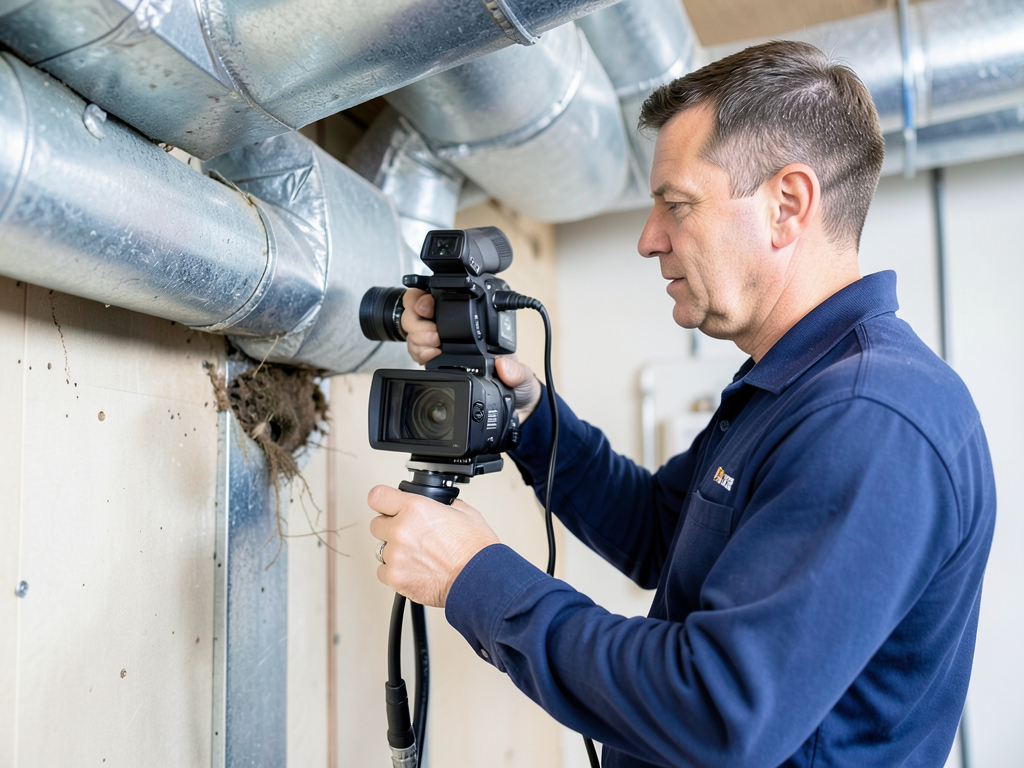
Our technicians use high-resolution cameras and moisture meters to identify all contamination sources, damage locations, and entry points. This diagnostic phase determines the scope of work needed.
- Safe Removal
Using HEPA-filtered extraction equipment, we remove all contaminated materials following EPA guidelines for biohazardous waste. This prevents airborne particle distribution during cleaning. EPA Hantavirus Information.
- Antimicrobial Treatment
We apply EPA-registered disinfectants specifically formulated for HVAC systems. These treatments eliminate bacteria, viruses, and odors while creating an environment resistant to future pest colonization.
- Duct Sealing and Repair
Using commercial-grade sealants and replacement materials, we repair all damage and seal entry points. This prevents re-infestation and improves HVAC efficiency. High Efficiency AC Options for Luxury Homes in Glastonbury.
Quality Assurance Testing – After completion, we conduct air quality testing to verify that all contaminants have been eliminated and your system is safe for operation.
Prevention: Keeping Pests Out of CT Ductwork
Preventing rodent entry is far more effective than dealing with infestations after they occur. Here are proven strategies for protecting your HVAC system.
Exterior Sealing – Mice can squeeze through openings as small as a dime. Seal all foundation cracks, utility penetrations, and gaps around doors and windows using appropriate materials for your home’s construction.
Vent Protection – Install heavy-duty mesh screens over all exterior vents, including dryer vents, bathroom exhaust fans, and HVAC intake and exhaust ports. Use hardware cloth with openings no larger than 1/4 inch.
Landscaping Management – Keep vegetation trimmed at least 18 inches from your home’s foundation. Remove wood piles, debris, and other materials that provide rodent shelter near your structure.
Food Source Elimination – Store pet food in sealed containers, clean up outdoor spills promptly, and use rodent-proof garbage containers to eliminate attractants.
Regular Maintenance – Schedule annual HVAC inspections to identify potential entry points and address minor issues before they become major problems.
Professional Monitoring – Consider quarterly pest control services that include exterior inspections and preventive treatments around your home’s perimeter.
Cost Factors and Investment Protection
Understanding the financial aspects of rodent prevention and remediation helps you make informed decisions about protecting your home investment.
| Service Type | Typical Cost Range | Key Factors |
|---|---|---|
| Initial Inspection | $150-300 | Home size, accessibility, suspected contamination extent |
| Duct Cleaning | $450-1,200 | Ductwork length, contamination level, system accessibility |
| Sanitization Treatment | $300-800 | Square footage, contamination severity, treatment method |
| Entry Point Sealing | $200-600 | Number of gaps, materials needed, accessibility |
| Preventive Maintenance | $200-400 annually | Frequency, coverage area, service agreement terms |
Insurance Coverage – Most standard policies don’t cover rodent damage, considering it preventable maintenance. However, some comprehensive policies may cover secondary damage like electrical fires caused by rodent-chewed wiring.
Return on Investment – Preventive measures typically cost 60-70% less than remediation services. Additionally, sealed and clean ductwork improves HVAC efficiency by 15-25%, providing ongoing energy savings.
Frequently Asked Questions
How quickly can rodents damage HVAC ductwork?
Rodents can begin causing noticeable damage within days of entering ductwork. They gnaw constantly to maintain their teeth, creating holes that compromise system efficiency. Complete system failure from extensive damage typically occurs within 3-6 months of active infestation. Compressor Failure Repair.
Can I continue using my HVAC system if I suspect rodent activity?
No. Operating your HVAC system with rodent contamination spreads pathogens throughout your home and can cause permanent damage to your equipment. Shut down the system immediately and contact professionals for inspection and remediation.
How often should I have my ducts inspected for pests?
Annual inspections are recommended for all homes, with bi-annual inspections suggested for rural properties near wooded areas or farmland. Spring and fall inspections catch seasonal pest activity before major infestations develop.
Will cleaning alone solve my rodent problem?
No. Cleaning removes existing contamination but doesn’t address how pests entered or prevent re-infestation. Comprehensive solutions include removal, cleaning, sealing entry points, and implementing preventive measures.
Are there eco-friendly options for rodent prevention?
Yes. Many pest control companies now offer botanical-based repellents, ultrasonic deterrents, and physical barrier methods that avoid harsh chemicals while remaining effective. These options are particularly valuable for homes with children, pets, or environmental concerns.
Call (959) 203-9992 today to schedule your comprehensive duct inspection and protect your home from rodent contamination.
Don’t wait until you hear scratching in your walls or smell ammonia from your vents. Early intervention prevents costly damage and protects your family’s health. Our team serves Marlborough, Hebron, and all of rural Hartford County with professional HVAC services you can trust. HVAC Hartford.
Pick up the phone and call (959) 203-9992 before the next cold snap drives rodents into your ductwork. We’ll identify vulnerabilities, eliminate existing problems, and implement solutions that keep your system running cleanly and efficiently all year long. For more information, visit CDC Hantavirus Guidelines.
{
“@context”: “https://schema.org”,
“@type”: “BlogPosting”,
“headline”: “Keeping Rodents and Pests Out of Your Ductwork in Rural Marlborough and Hebron”,
“description”: “Learn how to identify and prevent mice and pests in your HVAC ducts. Protect your home’s air quality with expert tips for rural Hartford County homes.”,
“wordCount”: 1581,
“datePublished”: “2026-05-31T10:10:00.000Z”,
“dateModified”: “2026-05-31T10:10:00.000Z”,
“inLanguage”: “en-US”,
“mainEntityOfPage”: {
“@type”: “WebPage”,
“@id”: “https://libertyhvachartford.com”
},
“publisher”: {
“@type”: “LocalBusiness”,
“name”: “Liberty HVAC Hartford”,
“url”: “https://libertyhvachartford.com”
},
“author”: {
“@type”: “Organization”,
“name”: “Liberty HVAC Hartford”,
“url”: “https://libertyhvachartford.com”
},
“image”: {
“@type”: “ImageObject”,
“url”: “https://libertyhvachartford.com/wp-content/uploads/2026/03/keeping-rodents-and-pests-out-of-your-ductwork-in-1.png”
}
}
{
“@context”: “https://schema.org”,
“@type”: “HVACBusiness”,
“name”: “Liberty HVAC Hartford”,
“url”: “https://libertyhvachartford.com”,
“address”: {
“@type”: “PostalAddress”,
“addressLocality”: “Hartford”
},
“areaServed”: {
“@type”: “City”,
“name”: “Hartford”
}
}
{
“@context”: “https://schema.org”,
“@type”: “FAQPage”,
“mainEntity”: [
{
“@type”: “Question”,
“name”: “How quickly can rodents damage HVAC ductwork?”,
“acceptedAnswer”: {
“@type”: “Answer”,
“text”: “Rodents can begin causing noticeable damage within days of entering ductwork. They gnaw constantly to maintain their teeth, creating holes that compromise system efficiency. Complete system failure from extensive damage typically occurs within 3-6 months of active infestation. Compressor Failure Repair.”
}
},
{
“@type”: “Question”,
“name”: “Can I continue using my HVAC system if I suspect rodent activity?”,
“acceptedAnswer”: {
“@type”: “Answer”,
“text”: “No. Operating your HVAC system with rodent contamination spreads pathogens throughout your home and can cause permanent damage to your equipment. Shut down the system immediately and contact professionals for inspection and remediation.”
}
},
{
“@type”: “Question”,
“name”: “How often should I have my ducts inspected for pests?”,
“acceptedAnswer”: {
“@type”: “Answer”,
“text”: “Annual inspections are recommended for all homes, with bi-annual inspections suggested for rural properties near wooded areas or farmland. Spring and fall inspections catch seasonal pest activity before major infestations develop.”
}
},
{
“@type”: “Question”,
“name”: “Will cleaning alone solve my rodent problem?”,
“acceptedAnswer”: {
“@type”: “Answer”,
“text”: “No. Cleaning removes existing contamination but doesn’t address how pests entered or prevent re-infestation. Comprehensive solutions include removal, cleaning, sealing entry points, and implementing preventive measures.”
}
},
{
“@type”: “Question”,
“name”: “Are there eco-friendly options for rodent prevention?”,
“acceptedAnswer”: {
“@type”: “Answer”,
“text”: “Yes. Many pest control companies now offer botanical-based repellents, ultrasonic deterrents, and physical barrier methods that avoid harsh chemicals while remaining effective. These options are particularly valuable for homes with children, pets, or environmental concerns.”
}
}
]
}
{
“@context”: “https://schema.org”,
“@type”: “HowTo”,
“name”: “How to Sanitize Rodent-Contaminated Ductwork”,
“step”: [
{
“@type”: “HowToStep”,
“position”: 1,
“name”: “Comprehensive Inspection”,
“text”: “Our technicians use high-resolution cameras and moisture meters to identify all contamination sources, damage locations, and entry points. This diagnostic phase determines the scope of work needed.”
},
{
“@type”: “HowToStep”,
“position”: 2,
“name”: “Safe Removal”,
“text”: “Using HEPA-filtered extraction equipment, we remove all contaminated materials following EPA guidelines for biohazardous waste. This prevents airborne particle distribution during cleaning. EPA Hantavirus Information.”
},
{
“@type”: “HowToStep”,
“position”: 3,
“name”: “Antimicrobial Treatment”,
“text”: “We apply EPA-registered disinfectants specifically formulated for HVAC systems. These treatments eliminate bacteria, viruses, and odors while creating an environment resistant to future pest colonization.”
},
{
“@type”: “HowToStep”,
“position”: 4,
“name”: “Duct Sealing and Repair”,
“text”: “Using commercial-grade sealants and replacement materials, we repair all damage and seal entry points. This prevents re-infestation and improves HVAC efficiency. High Efficiency AC Options for Luxury Homes in Glastonbury.”
}
],
“image”: “https://libertyhvachartford.com/wp-content/uploads/2026/03/keeping-rodents-and-pests-out-of-your-ductwork-in-1.png”
}
{
“@context”: “https://schema.org”,
“@type”: “BreadcrumbList”,
“itemListElement”: [
{
“@type”: “ListItem”,
“position”: 1,
“name”: “Home”,
“item”: “https://libertyhvachartford.com”
},
{
“@type”: “ListItem”,
“position”: 2,
“name”: “Blog”,
“item”: “https://libertyhvachartford.com/blog”
},
{
“@type”: “ListItem”,
“position”: 3,
“name”: “Keeping Rodents and Pests Out of Your Ductwork in Rural Marlborough and Hebron”
}
]
}
{
“@context”: “https://schema.org”,
“@type”: “Service”,
“serviceType”: “HVAC”,
“provider”: {
“@type”: “LocalBusiness”,
“name”: “Liberty HVAC Hartford”,
“url”: “https://libertyhvachartford.com”
},
“areaServed”: {
“@type”: “City”,
“name”: “Hartford”
},
“description”: “Learn how to identify and prevent mice and pests in your HVAC ducts. Protect your home’s air quality with expert tips for rural Hartford County homes.”
}