
How to Safely Restart Your HVAC System After a Power Outage in the Greater Hartford Area
When the power comes back on after a storm in Hartford, your air conditioner might not start right away. That’s by design. Modern HVAC systems have built-in protections to prevent damage from voltage surges and pressure spikes. Following the right restart sequence protects your compressor and gets your home cooling safely. Hartford emergency management.
The first step is always turning your thermostat to the OFF position before power returns. This prevents the system from trying to start during unstable voltage conditions. Wait at least 30 minutes after power restoration before switching the thermostat back to COOL. This cooldown period allows internal capacitors and compressors to reset properly. Compressor Failure Repair.
- Turn Thermostat to OFF
Locate your thermostat and set it to the OFF position. This prevents the system from cycling during voltage fluctuations when power returns.
- Wait 30 Minutes
Allow at least 30 minutes for internal circuits to reset. This protects the compressor from damage due to pressure buildup.
- Check Circuit Breaker
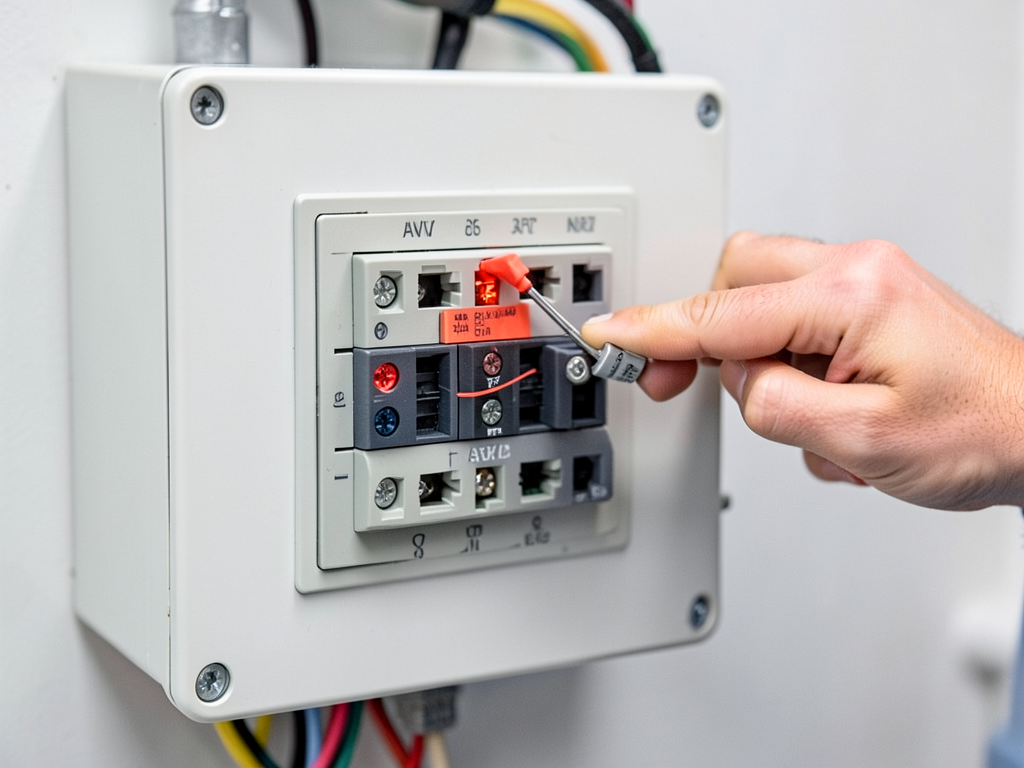
Locate your electrical panel. Find the breaker labeled for your outdoor AC unit. If it’s tripped, switch it fully to OFF then back to ON.
- Set Thermostat to COOL
After the waiting period, set your thermostat to COOL and your desired temperature. The system should start normally.
Understanding Hartford’s Power Surge Challenges
Hartford experiences frequent power fluctuations due to its aging electrical infrastructure and severe weather patterns. When the grid goes down and suddenly comes back online, voltage can spike dramatically. These surges can damage sensitive HVAC components like capacitors and control boards. HVAC Hartford.
Eversource, Hartford’s primary utility provider, reports that most power-related HVAC damage occurs within the first 60 seconds after restoration. The utility company recommends using whole-house surge protectors for sensitive electronics, including your air conditioning system. Eversource outage map.
Step-by-Step Circuit Breaker Reset Process
Your HVAC system has two potential breakers that might trip during an outage. The main electrical panel contains the primary breaker, while some outdoor units have a separate disconnect switch near the condenser.
To reset the main breaker: Open your electrical panel door. Look for a breaker labeled “AC,” “HVAC,” or with an outdoor unit number. If the switch is between ON and OFF, it has tripped. Push it fully to OFF, wait 5 seconds, then switch it back to ON. For the outdoor disconnect, flip the switch or pull the handle out and push it back in firmly.
Never force a breaker that feels stuck. This could indicate a short circuit or ground fault requiring professional attention. If the breaker trips again immediately after resetting, turn the system off and call a licensed technician.
Common Reasons Your AC Won’t Start After Power Returns
Sometimes the thermostat clicks but nothing happens outside. This often indicates a failed capacitor, which provides the initial power boost to start the compressor and fan motors. During a power outage, capacitors can fail due to voltage stress.
Listen for specific sounds when you try to restart. A humming noise without the fan spinning suggests a stuck capacitor or seized motor. No sound at all might mean a blown fuse in the outdoor disconnect or a failed control board. A clicking sound that repeats every few minutes often indicates a compressor trying to start but failing due to internal damage.
Modern thermostats, especially smart models like Nest or Ecobee, may need manual reconnection to Wi-Fi after power restoration. Some models also have a built-in delay that prevents immediate restart, adding to the 30-minute wait time.
Safety Precautions for Hartford’s Weather Conditions
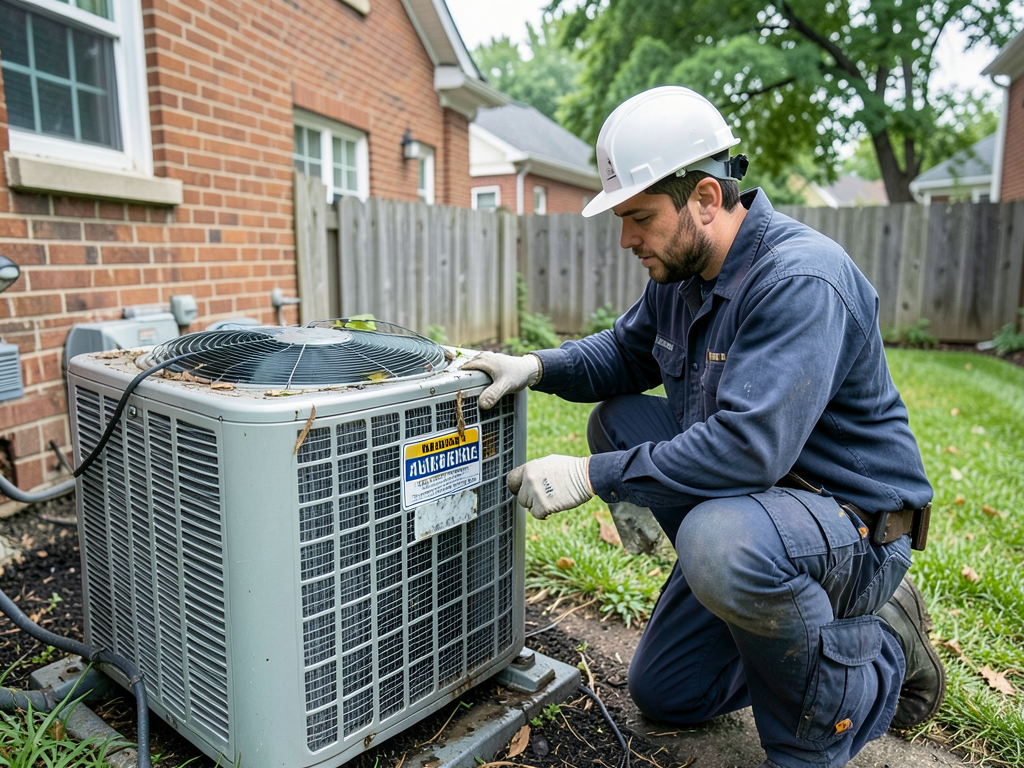
Hartford’s humid continental climate means summer storms often bring heavy rain and flooding. Before restarting your system, check that your outdoor unit sits above any standing water. Water around electrical components creates shock hazards and can cause short circuits.
Look for physical damage to the outdoor unit. Fallen tree branches, hail damage, or debris impact can bend fan blades or damage the condenser coil. Operating a damaged unit can cause further mechanical failure and void your warranty.
If you smell burning plastic or see smoke coming from the unit, do not attempt to restart. This indicates electrical component failure that requires immediate professional service. Turn off the breaker and call for emergency repair. Who to Call for Emergency Furnace Repair in Hartford in the Middle of the Night.
When to Call a Professional HVAC Technician
Some situations require professional diagnosis and repair. Call a licensed technician if your breaker trips repeatedly, if you notice burning smells, or if the system runs but doesn’t cool. These symptoms often indicate capacitor failure, compressor damage, or refrigerant leaks.
Professional service becomes urgent if your home temperature exceeds 85 degrees Fahrenheit, especially if you have elderly family members, young children, or medical conditions affected by heat. Hartford’s high humidity makes heat feel more oppressive and can create dangerous indoor conditions quickly.
Liberty HVAC Hartford offers 24/7 emergency service for situations where DIY troubleshooting isn’t enough. Our NATE-certified technicians carry common replacement parts and can diagnose most issues within an hour of arrival.
Preventive Measures for Future Outages
Installing a whole-house surge protector at your main electrical panel provides the best defense against power surge damage. These devices divert excess voltage away from your HVAC system and other sensitive electronics.
Consider a smart thermostat with built-in delay features. These models automatically wait the recommended 30 minutes before attempting to restart after power restoration. Some can even send alerts to your phone when the system fails to start properly.
Regular maintenance catches potential failure points before outages expose them. A spring tune-up includes checking capacitors, cleaning coils, and testing electrical connections. This preventive care reduces the likelihood of post-outage failures.
Local Hartford Resources and Emergency Contacts
For power outage updates, visit Eversource’s outage map at eversource.com/outage or call their 24-hour emergency line at 800-286-2000. United Illuminating customers can check ui.com/outage-center or call 800-722-5584.
Hartford’s emergency management office provides cooling center locations during extended outages. Call 311 or visit hartford.gov/emergency-management for current information on public cooling spaces.
For immediate HVAC service, call Liberty HVAC Hartford at (959) 203-9992. We provide emergency repair throughout Hartford County, including Glastonbury, Newington, and South Windsor.
Frequently Asked Questions
How long should I wait before restarting my AC after a power outage?
Wait at least 30 minutes after power restoration before turning your thermostat back to COOL. This allows internal capacitors and compressors to reset safely.
Why does my AC breaker keep tripping after an outage?
Repeated breaker trips indicate a short circuit, ground fault, or failing component. Turn the system off and call a licensed technician immediately.
Can a power surge damage my HVAC system?
Yes. Voltage spikes during power restoration commonly damage capacitors, control boards, and compressors. Surge protectors prevent most of this damage.
What should I do if my outdoor AC unit was underwater?
Do not attempt to restart if the unit was submerged. Water creates electrical hazards and can cause short circuits. Call a professional for inspection and drying.
How can I tell if my capacitor is bad?
Symptoms include humming noises without fan movement, repeated clicking sounds, or the system not starting at all. Capacitors store high voltage and should only be tested by professionals.
Call (959) 203-9992 today to schedule your inspection or emergency repair. Don’t let the next storm leave you without cooling when you need it most.
{
“@context”: “https://schema.org”,
“@type”: “BlogPosting”,
“headline”: “How to Safely Restart Your HVAC System After a Power Outage in the Greater Hartford Area”,
“description”: “Learn the safe steps to restart your HVAC after a Hartford power outage. Includes Eversource-specific tips, 30-minute reset rule, and when to call (959) 203-9992.”,
“wordCount”: 1239,
“datePublished”: “2026-06-03T06:25:00.000Z”,
“dateModified”: “2026-06-03T06:25:00.000Z”,
“inLanguage”: “en-US”,
“mainEntityOfPage”: {
“@type”: “WebPage”,
“@id”: “https://libertyhvachartford.com”
},
“publisher”: {
“@type”: “LocalBusiness”,
“name”: “Liberty HVAC Hartford”,
“url”: “https://libertyhvachartford.com”
},
“author”: {
“@type”: “Organization”,
“name”: “Liberty HVAC Hartford”,
“url”: “https://libertyhvachartford.com”
},
“image”: {
“@type”: “ImageObject”,
“url”: “https://libertyhvachartford.com/wp-content/uploads/2026/03/how-to-safely-restart-your-hvac-system-after-a-pow-1.png”
}
}
{
“@context”: “https://schema.org”,
“@type”: “HVACBusiness”,
“name”: “Liberty HVAC Hartford”,
“url”: “https://libertyhvachartford.com”,
“address”: {
“@type”: “PostalAddress”,
“addressLocality”: “Hartford”
},
“areaServed”: {
“@type”: “City”,
“name”: “Hartford”
}
}
{
“@context”: “https://schema.org”,
“@type”: “FAQPage”,
“mainEntity”: [
{
“@type”: “Question”,
“name”: “How long should I wait before restarting my AC after a power outage?”,
“acceptedAnswer”: {
“@type”: “Answer”,
“text”: “Wait at least 30 minutes after power restoration before turning your thermostat back to COOL. This allows internal capacitors and compressors to reset safely.”
}
},
{
“@type”: “Question”,
“name”: “Why does my AC breaker keep tripping after an outage?”,
“acceptedAnswer”: {
“@type”: “Answer”,
“text”: “Repeated breaker trips indicate a short circuit, ground fault, or failing component. Turn the system off and call a licensed technician immediately.”
}
},
{
“@type”: “Question”,
“name”: “Can a power surge damage my HVAC system?”,
“acceptedAnswer”: {
“@type”: “Answer”,
“text”: “Yes. Voltage spikes during power restoration commonly damage capacitors, control boards, and compressors. Surge protectors prevent most of this damage.”
}
},
{
“@type”: “Question”,
“name”: “What should I do if my outdoor AC unit was underwater?”,
“acceptedAnswer”: {
“@type”: “Answer”,
“text”: “Do not attempt to restart if the unit was submerged. Water creates electrical hazards and can cause short circuits. Call a professional for inspection and drying.”
}
},
{
“@type”: “Question”,
“name”: “How can I tell if my capacitor is bad?”,
“acceptedAnswer”: {
“@type”: “Answer”,
“text”: “Symptoms include humming noises without fan movement, repeated clicking sounds, or the system not starting at all. Capacitors store high voltage and should only be tested by professionals.”
}
}
]
}
{
“@context”: “https://schema.org”,
“@type”: “HowTo”,
“name”: “How to Restart Your HVAC After an Outage”,
“step”: [
{
“@type”: “HowToStep”,
“position”: 1,
“name”: “Turn Thermostat to OFF”,
“text”: “Locate your thermostat and set it to the OFF position. This prevents the system from cycling during voltage fluctuations when power returns.”
},
{
“@type”: “HowToStep”,
“position”: 2,
“name”: “Wait 30 Minutes”,
“text”: “Allow at least 30 minutes for internal circuits to reset. This protects the compressor from damage due to pressure buildup.”
},
{
“@type”: “HowToStep”,
“position”: 3,
“name”: “Check Circuit Breaker”,
“text”: “Locate your electrical panel. Find the breaker labeled for your outdoor AC unit. If it’s tripped, switch it fully to OFF then back to ON.”
},
{
“@type”: “HowToStep”,
“position”: 4,
“name”: “Set Thermostat to COOL”,
“text”: “After the waiting period, set your thermostat to COOL and your desired temperature. The system should start normally.”
}
],
“image”: “https://libertyhvachartford.com/wp-content/uploads/2026/03/how-to-safely-restart-your-hvac-system-after-a-pow-1.png”
}
{
“@context”: “https://schema.org”,
“@type”: “BreadcrumbList”,
“itemListElement”: [
{
“@type”: “ListItem”,
“position”: 1,
“name”: “Home”,
“item”: “https://libertyhvachartford.com”
},
{
“@type”: “ListItem”,
“position”: 2,
“name”: “Blog”,
“item”: “https://libertyhvachartford.com/blog”
},
{
“@type”: “ListItem”,
“position”: 3,
“name”: “How to Safely Restart Your HVAC System After a Power Outage in the Greater Hartford Area”
}
]
}
{
“@context”: “https://schema.org”,
“@type”: “Service”,
“serviceType”: “HVAC”,
“provider”: {
“@type”: “LocalBusiness”,
“name”: “Liberty HVAC Hartford”,
“url”: “https://libertyhvachartford.com”
},
“areaServed”: {
“@type”: “City”,
“name”: “Hartford”
},
“description”: “Learn the safe steps to restart your HVAC after a Hartford power outage. Includes Eversource-specific tips, 30-minute reset rule, and when to call (959) 203-9992.”
}