
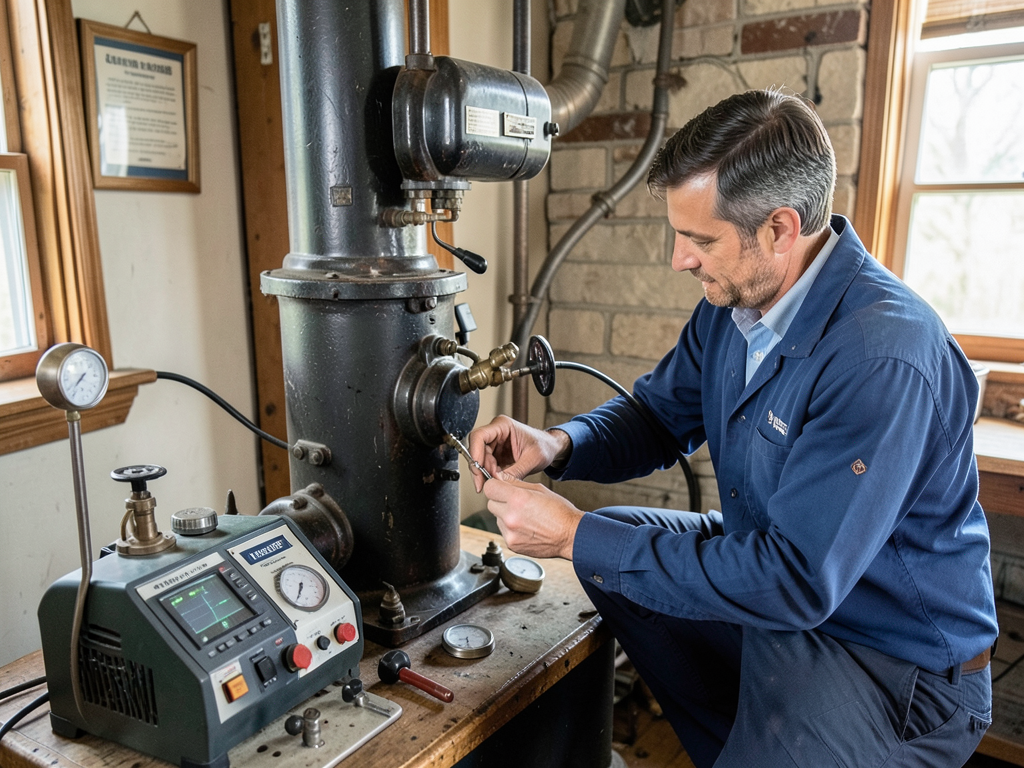
HVAC Red Flags to Look for Before Buying an Older Home in Southwest Hartford
Buying an older home in Southwest Hartford can be a dream come true, but hidden HVAC problems can quickly turn that dream into a financial nightmare. Many buyers focus on the charming architecture and historic details, yet overlook the aging heating and cooling systems that could cost thousands in repairs or replacement. This guide reveals the critical HVAC red flags specific to Southwest Hartford’s older homes, helping you make an informed decision before signing on the dotted line.. Read more about Understanding How Your HVAC System Impacts Your Home Resale Value in West Hartford.
The humid continental climate here means systems face extreme seasonal stress. Freezing winters and hot, humid summers push older equipment to its limits. Many Southwest Hartford homes still rely on original ductwork, aging boilers, or inefficient window units that simply cannot keep up with modern comfort demands. Understanding what to look for can save you from inheriting someone else’s costly mechanical problems. The Best Energy Efficient Boilers for Hartford Homes with Old Radiators.
Common HVAC Issues in Southwest Hartford’s Older Homes
Southwest Hartford’s historic neighborhoods feature homes built primarily between 1900 and 1960. These properties often have unique HVAC challenges that newer homes don’t face. The area’s clay-rich soil and proximity to the Park River watershed create specific moisture and foundation issues that directly impact HVAC performance.
Many homes in this area still use original cast iron radiators connected to aging steam boilers. While charming and efficient when properly maintained, these systems often suffer from failing pressure relief valves, corroded pipes, and inefficient burners. The Hartford Building Department requires all boiler installations to meet current Connecticut State Building Code Section 303.4 for safety compliance.. Read more about Why Your Steam Boiler in Asylum Hill Keeps Shutting Off Every Few Minutes.
Window air conditioning units remain common in these older homes. However, many buyers don’t realize that multiple window units can consume 30-40% more energy than a properly sized central system. The electrical systems in these homes often cannot handle the load, creating fire hazards and tripped breakers during summer heat waves.. Read more about Why Replacing Window Units with Central Air is a Smarter Financial Move for Newington Homeowners.
Critical Red Flags During Your Home Inspection
A standard home inspection rarely includes a comprehensive HVAC evaluation. Many inspectors simply verify that systems turn on and off. For Southwest Hartford’s older homes, you need a specialized HVAC inspection that examines the specific failure points common to this area. Compressor Failure Repair.
Listen for unusual sounds when the system runs. A failing blower motor often produces a high-pitched whine or grinding noise. The smell of burning dust or electrical components indicates serious problems. Feel the air temperature difference between supply and return vents – anything less than 15 degrees difference suggests efficiency issues. High Efficiency AC Options for Luxury Homes in Glastonbury.
Check the age of the equipment. Most HVAC systems have a 15-20 year lifespan. If the furnace or air conditioner is over 15 years old, replacement costs should factor into your offer price. Many Southwest Hartford homes still use R-22 refrigerant, which became illegal to produce in 2020, making repairs extremely expensive. Who to Call for Emergency Furnace Repair in Hartford in the Middle of the Night.
Moisture and Ventilation Concerns
Southwest Hartford’s high humidity creates perfect conditions for mold growth in HVAC systems. Look for condensation on ductwork, especially in basements and crawl spaces. The area’s clay soil retains moisture, increasing humidity levels inside older homes with poor vapor barriers.
Check for proper ventilation in attics and crawl spaces. Many older homes lack adequate ventilation, causing heat buildup in summer and moisture problems year-round. The EPA recommends one square foot of vent area for every 150 square feet of attic space, but many Southwest Hartford homes fall far short of this standard.
Inspect the condensate drain lines for algae growth or clogs. A backed-up condensate line can cause water damage to ceilings and walls, especially in second-floor HVAC installations common in older colonials and capes throughout the area.
Energy Efficiency Red Flags
Older HVAC systems in Southwest Hartford homes often operate at 60-70% efficiency compared to modern 95%+ efficient units. This means you’re literally burning money through the flue. Check the Annual Fuel Utilization Efficiency (AFUE) rating on furnaces – anything below 80% indicates an energy hog. Stop Wasting Money with an Annual HVAC Tune Up in East Hartford.
Inspect the ductwork for leaks. Studies show typical duct systems lose 20-30% of conditioned air through gaps and poor connections. In older homes, you might find ductwork running through uninsulated spaces, causing additional energy waste and comfort issues.
Look for programmable thermostats. Many older homes still use basic mercury switch thermostats that waste energy by running constantly. Smart thermostats can reduce heating and cooling costs by 10-15% annually, but older electrical panels may need upgrades to support them.
Carbon Monoxide Safety Concerns
Carbon monoxide poisoning poses a serious risk in older homes with aging heating systems. Many Southwest Hartford homes lack proper carbon monoxide detectors, or have detectors past their 5-7 year expiration date. The Connecticut Department of Public Health mandates CO detectors within 10 feet of all sleeping areas.
Inspect the heat exchanger in furnaces for cracks. A damaged heat exchanger can leak carbon monoxide into living spaces. This requires a combustion analyzer test that most general home inspectors don’t perform. The Hartford Fire Department responds to dozens of CO calls annually from faulty heating equipment.
Check for proper venting of all combustion appliances. Many older homes have deteriorating chimney liners or blocked vents that force dangerous gases back into the house. This is especially common in homes converted from coal to oil or gas heating over the decades.
Permit and Code Compliance Issues
Many older Southwest Hartford homes have undocumented HVAC modifications. Previous owners may have installed equipment without permits, creating liability issues for you as the new owner. The Hartford Building Department maintains records of all permitted work – always check these before closing.
Look for unpermitted additions or finished basements with HVAC systems. These spaces often lack proper ventilation and may not meet current building codes. Insurance companies frequently deny claims for unpermitted work, leaving you financially exposed.
Check for proper refrigerant handling certifications. Since 2018, Connecticut law requires EPA Section 608 certification for anyone handling refrigerants. Uncertified work can result in fines up to $10,000 per violation for the property owner.
Cost vs. Long-Term Value Analysis
A comprehensive HVAC inspection typically costs $200-400 but can save you $5,000-15,000 in unexpected repairs. Many Southwest Hartford buyers have discovered they needed complete system replacements within months of purchase, negating any initial savings on the home price.
Consider the age of the home when evaluating HVAC systems. A 100-year-old home with original HVAC equipment is a ticking time bomb. Factor in replacement costs when making your offer – you might save money by negotiating a lower price rather than facing emergency replacement costs.
Energy-efficient upgrades often pay for themselves within 3-5 years through utility savings. However, older homes may need electrical panel upgrades, ductwork modifications, or structural reinforcements to accommodate modern high-efficiency equipment.
Professional Inspection Checklist
When hiring an HVAC specialist for your Southwest Hartford home inspection, ensure they examine these critical components:
- Heat exchanger integrity and combustion analysis
- Refrigerant charge and leak detection
- Ductwork condition and airflow measurements
- Electrical connections and amp draw testing
- Condensate drain functionality
- Thermostat calibration and zoning
- Carbon monoxide and gas leak testing
- Insulation levels in attics and walls
A thorough inspection should take 2-3 hours and include a written report with photos of any issues found. Don’t settle for a 30-minute walk-through that misses critical problems.
Geographic Factors Affecting HVAC Performance
Southwest Hartford’s location near the Connecticut River creates unique HVAC challenges. The river valley effect causes temperature inversions in winter, making some areas significantly colder than surrounding regions. Homes in these microclimates may need oversized heating systems.. Read more about Solving Temperature Swings in Long Ranch Style Homes Throughout Rocky Hill.
The area’s historic development pattern means many homes sit on small lots with limited outdoor space for equipment. This can force installations in suboptimal locations, reducing efficiency and increasing maintenance needs. Some properties require rooftop units or creative duct routing through finished spaces.
Local wind patterns affect both heating and cooling loads. Southwest winds off the river can create drafts through older windows and doors, while summer southerly breezes might reduce cooling needs on some homes while increasing them on others.
Making Your Offer Decision
Use your HVAC inspection findings to negotiate effectively. If major repairs are needed, you have several options: request the seller make repairs, ask for a price reduction to cover replacement costs, or walk away if problems are too extensive.. Read more about Finding an HVAC Contractor with Experience in Century Old Boilers in Sheldon-Charter Oak.
Request all HVAC maintenance records from the seller. A well-maintained system can last 5-10 years longer than a neglected one. Look for patterns of frequent repairs or escalating costs, which often indicate impending system failure.
Consider getting quotes for necessary repairs or replacements before making your final offer. This gives you concrete numbers to work with during negotiations rather than guessing at potential costs.
Frequently Asked Questions
What’s the biggest HVAC red flag in older Hartford homes?
The most serious red flag is an aging furnace or boiler over 15 years old with no maintenance records. These systems often have cracked heat exchangers that leak carbon monoxide, creating immediate safety hazards.
How much should I budget for HVAC repairs in a 50-year-old Hartford home?
Budget $3,000-8,000 for a comprehensive HVAC inspection and any necessary immediate repairs. If replacement is needed, expect $8,000-15,000 for a complete system in an older home with ductwork modifications.
Can I use my home inspection report for HVAC issues?
Standard home inspection reports only verify basic functionality. They miss critical issues like heat exchanger cracks, refrigerant leaks, or code violations that require specialized HVAC testing equipment and expertise.
Next Steps for Smart Home Buyers
Before making an offer on any older home in Southwest Hartford, schedule a specialized HVAC inspection with a licensed technician familiar with the area’s unique challenges. Don’t let charming architecture blind you to costly mechanical problems lurking behind the walls.
Call (959) 203-9992 today to schedule your comprehensive HVAC inspection. Our technicians know exactly what to look for in Southwest Hartford’s historic homes and can identify problems that general inspectors miss. Protect your investment and avoid costly surprises after closing.
Pick up the phone and call (959) 203-9992 before the next storm hits. Don’t wait until your dream home becomes a money pit. Our team provides detailed reports with photos and recommendations, giving you the information you need to make a confident buying decision.
Additional Resources
For more information about Hartford’s building codes and permit requirements, visit the Hartford Building Department. You can also review Connecticut’s energy efficiency standards at the Connecticut Energy Efficiency Fund website.
You may also find this helpful. Keeping Rodents and Pests Out of Your Ductwork in Rural Marlborough and Hebron.
You may also find this helpful. What to Do if You Smell Rotten Eggs or Gas Near Your Manchester Furnace.
{
“@context”: “https://schema.org”,
“@type”: “BlogPosting”,
“headline”: “HVAC Red Flags to Look for Before Buying an Older Home in Southwest Hartford”,
“description”: “Discover critical HVAC red flags when buying older homes in Southwest Hartford. Our expert guide helps you avoid costly surprises with local code compliance and inspection tips.”,
“wordCount”: 1768,
“datePublished”: “2026-05-16T14:09:00.000Z”,
“dateModified”: “2026-05-16T14:09:00.000Z”,
“inLanguage”: “en-US”,
“mainEntityOfPage”: {
“@type”: “WebPage”,
“@id”: “https://libertyhvachartford.com”
},
“publisher”: {
“@type”: “LocalBusiness”,
“name”: “Liberty HVAC Hartford”,
“url”: “https://libertyhvachartford.com”
},
“author”: {
“@type”: “Organization”,
“name”: “Liberty HVAC Hartford”,
“url”: “https://libertyhvachartford.com”
},
“image”: {
“@type”: “ImageObject”,
“url”: “https://libertyhvachartford.com/wp-content/uploads/2026/03/hvac-red-flags-to-look-for-before-buying-an-older-1.png”
}
}
{
“@context”: “https://schema.org”,
“@type”: “HVACBusiness”,
“name”: “Liberty HVAC Hartford”,
“url”: “https://libertyhvachartford.com”,
“address”: {
“@type”: “PostalAddress”,
“addressLocality”: “Hartford”
},
“areaServed”: {
“@type”: “City”,
“name”: “Hartford”
}
}
{
“@context”: “https://schema.org”,
“@type”: “FAQPage”,
“mainEntity”: [
{
“@type”: “Question”,
“name”: “What’s the biggest HVAC red flag in older Hartford homes?”,
“acceptedAnswer”: {
“@type”: “Answer”,
“text”: “The most serious red flag is an aging furnace or boiler over 15 years old with no maintenance records. These systems often have cracked heat exchangers that leak carbon monoxide, creating immediate safety hazards.”
}
},
{
“@type”: “Question”,
“name”: “How much should I budget for HVAC repairs in a 50-year-old Hartford home?”,
“acceptedAnswer”: {
“@type”: “Answer”,
“text”: “Budget $3,000-8,000 for a comprehensive HVAC inspection and any necessary immediate repairs. If replacement is needed, expect $8,000-15,000 for a complete system in an older home with ductwork modifications.”
}
},
{
“@type”: “Question”,
“name”: “Can I use my home inspection report for HVAC issues?”,
“acceptedAnswer”: {
“@type”: “Answer”,
“text”: “Standard home inspection reports only verify basic functionality. They miss critical issues like heat exchanger cracks, refrigerant leaks, or code violations that require specialized HVAC testing equipment and expertise.”
}
}
]
}
{
“@context”: “https://schema.org”,
“@type”: “BreadcrumbList”,
“itemListElement”: [
{
“@type”: “ListItem”,
“position”: 1,
“name”: “Home”,
“item”: “https://libertyhvachartford.com”
},
{
“@type”: “ListItem”,
“position”: 2,
“name”: “Blog”,
“item”: “https://libertyhvachartford.com/blog”
},
{
“@type”: “ListItem”,
“position”: 3,
“name”: “HVAC Red Flags to Look for Before Buying an Older Home in Southwest Hartford”
}
]
}
{
“@context”: “https://schema.org”,
“@type”: “Service”,
“serviceType”: “HVAC”,
“provider”: {
“@type”: “LocalBusiness”,
“name”: “Liberty HVAC Hartford”,
“url”: “https://libertyhvachartford.com”
},
“areaServed”: {
“@type”: “City”,
“name”: “Hartford”
},
“description”: “Discover critical HVAC red flags when buying older homes in Southwest Hartford. Our expert guide helps you avoid costly surprises with local code compliance and inspection tips.”
}