
Modern Air Conditioning Solutions for Historic Properties in Sheldon-Charter Oak
Sheldon-Charter Oak’s historic homes built in the late 1800s and early 1900s present unique cooling challenges. Thick masonry walls, intricate plasterwork, and lack of existing ductwork make traditional central air installation difficult. High-velocity HVAC systems and ductless mini-splits now offer invisible solutions that preserve your home’s character while delivering modern comfort.. Read more about Specialized Cooling Solutions for Server Rooms and IT Closets in Hartford Business Districts.
Many Sheldon-Charter Oak properties were constructed before air conditioning existed. These homes typically feature balloon framing, lath-and-plaster walls, and ornate woodwork that cannot be easily modified. The Connecticut State Building Code requires special permits for any structural modifications to historic properties, making the choice of cooling system critical.. Read more about Why High Velocity Air Conditioning is the Best Choice for Historic Wethersfield Homes.
Why Sheldon-Charter Oak Homes Need Specialized Cooling Solutions
The area’s humid continental climate creates specific challenges. Summer temperatures regularly exceed 85 degrees with humidity levels above 70 percent. This combination makes effective dehumidification as important as cooling. Many historic homes also retain original steam radiators, which complicates the integration of modern cooling systems.
Sheldon-Charter Oak’s architectural significance means any modifications must preserve the streetscape and interior character. The Hartford Historic Properties Commission requires detailed plans for any visible changes to the exterior. This includes condenser placement, vent locations, and any penetrations through historic materials. HVAC Hartford.
High-Velocity HVAC Systems: The Invisible Solution
High-velocity systems use small flexible ducts approximately two inches in diameter. These ducts can be routed through existing wall cavities without major demolition. The Unico System and SpacePak are the two primary manufacturers serving the historic home market. EPA Section 608 certification.
Installation involves running supply ducts through wall cavities and installing discreet outlets in ceilings or high on walls. These outlets are much smaller than traditional vents and can be painted to match existing trim. The main air handler typically installs in an attic or basement where it remains completely hidden.. Read more about Keeping Your West End Mini Split Running Smoothly with a Professional Deep Clean.
High-velocity systems operate at higher air speeds than conventional systems. This creates better air circulation and more effective dehumidification. The smaller ducts also mean less air mixing, which helps maintain consistent temperatures throughout the home.
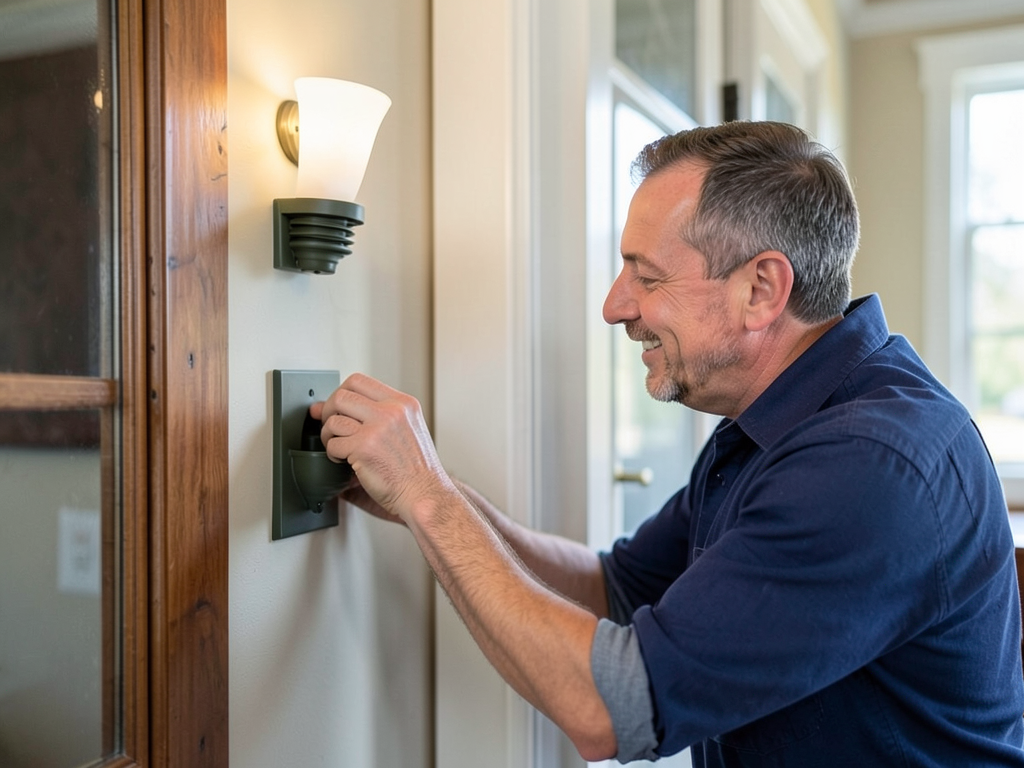
A technician installs a high-velocity outlet in a Sheldon-Charter Oak Victorian home, showing the small profile and paint-matched finish that preserves historic character.
Ductless Mini-Split Systems for Historic Properties
Ductless mini-splits offer another non-invasive cooling solution. These systems consist of an outdoor compressor unit connected to one or more indoor air handlers. Each air handler mounts on an interior wall or ceiling and operates independently. Compressor Failure Repair.
Modern mini-splits have improved significantly in both efficiency and aesthetics. Units are available with low-profile designs and various mounting options. Some manufacturers offer units that recess into ceilings for an even more discreet appearance. High Efficiency AC Options for Luxury Homes in Glastonbury.
The main advantage of mini-splits is zone control. Each indoor unit has its own thermostat, allowing different rooms to maintain different temperatures. This is particularly useful in historic homes where insulation levels vary between rooms.
Installation requires only a three-inch hole for the refrigerant lines and condensate drain. This minimal penetration makes mini-splits ideal for preserving original plaster walls and woodwork. The outdoor units can be placed on ground-level pads or mounted on brackets to keep them out of sight.
Comparing High-Velocity vs. Mini-Split Systems
| Feature | High-Velocity | Mini-Split |
|---|---|---|
| Installation Impact | Minimal wall openings | Single 3-inch penetration per zone |
| Visual Impact | Small outlets blend with trim | Wall/ceiling units visible |
| Zone Control | Central thermostat control | Independent room control |
| Dehumidification | Superior moisture removal | Standard moisture removal |
| Cost Range | $8,000-$15,000 | $3,500-$8,000 per zone |
| Best For | Whole-house cooling | Room-by-room cooling |
Historic Preservation Requirements in Sheldon-Charter Oak
The Hartford Historic Properties Commission enforces strict guidelines for modifications to historic properties. Any exterior changes require a Certificate of Appropriateness. This includes condenser placement and any penetrations through exterior walls.
Interior modifications to historically significant rooms may also require approval. This typically applies to parlors, dining rooms, and other formal spaces with original features. The commission evaluates proposals based on their impact on the building’s architectural significance.
Federal tax credits may be available for energy-efficient improvements to certified historic properties. These programs require using approved materials and methods that preserve the building’s character. The National Park Service provides specific guidelines for HVAC installations in historic buildings. National Park Service HVAC guidelines.
Local contractors familiar with historic preservation understand these requirements. They know how to navigate the approval process and work within the constraints of historic building codes. This expertise prevents costly mistakes and delays.
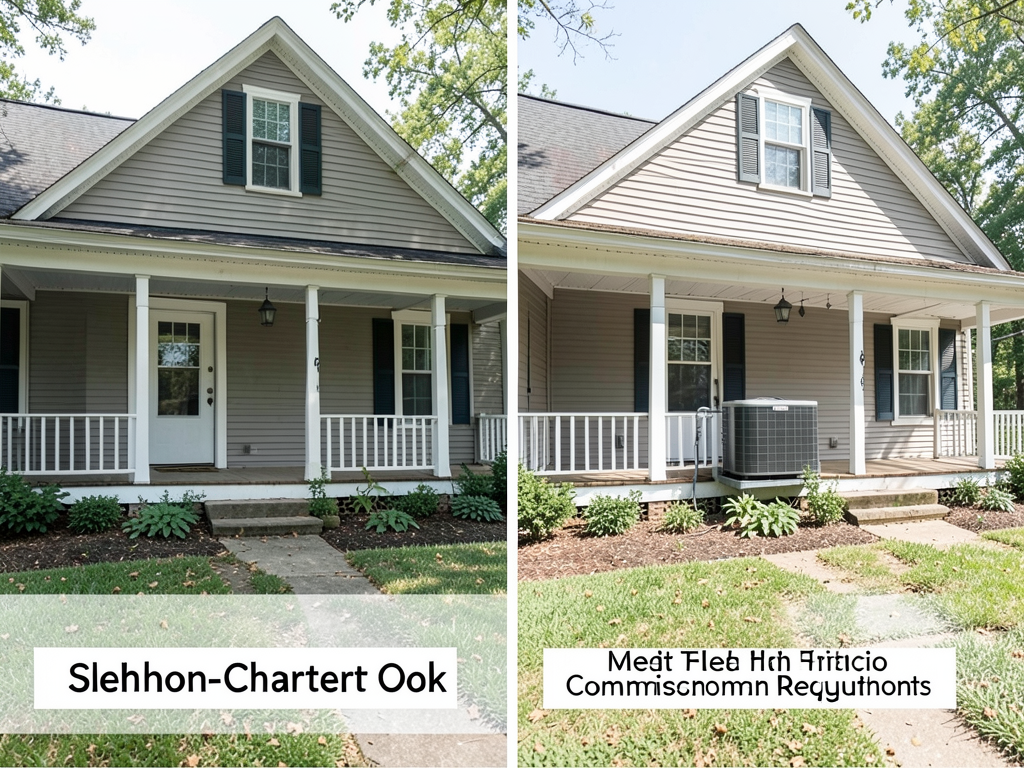
A before-and-after comparison showing a Sheldon-Charter Oak home with a discreetly placed condenser unit that meets historic commission requirements.
Common Challenges and Solutions
Balloon framing, common in Sheldon-Charter Oak homes built before 1920, creates unique installation challenges. This construction method uses continuous wall studs from foundation to roof. Running new ducts through these cavities requires careful planning to avoid structural issues.
Original plaster walls present another challenge. Modern HVAC work often damages these delicate surfaces. Experienced technicians use specialized tools and techniques to minimize damage. They may create access points in less visible areas and use repair materials that match the original plaster.
Many historic homes lack adequate electrical service for modern HVAC equipment. Upgrading electrical panels and wiring must be coordinated with the HVAC installation. This work should be done by licensed electricians familiar with historic buildings.
Radiator heating systems complicate cooling installations. The existing pipes and radiators limit where new equipment can be placed. Some homeowners choose to retain radiators while adding cooling, requiring careful system design to avoid conflicts.
Energy Efficiency Considerations
Historic homes typically have poor insulation by modern standards. This affects HVAC sizing and efficiency. High-velocity systems often perform better in poorly insulated homes because they provide more consistent air circulation and better dehumidification.
Modern high-efficiency equipment can significantly reduce energy costs. Variable-speed compressors adjust output based on demand, reducing electricity usage. Many systems also include smart controls that optimize operation based on occupancy and weather conditions. The Best Energy Efficient Boilers for Hartford Homes with Old Radiators.
The Connecticut Energy Efficiency Fund offers rebates for qualifying HVAC installations. These programs require meeting specific efficiency standards and may include additional requirements for historic properties. Local contractors can help navigate these programs.
Proper system sizing is critical in historic homes. Oversized equipment cycles on and off frequently, reducing efficiency and comfort. Professional load calculations consider the unique characteristics of historic construction, including air leakage and thermal mass.
Professional Installation Requirements
Connecticut State Building Code Section 506 requires HVAC installations to meet specific safety and efficiency standards. This includes proper refrigerant handling, electrical connections, and ventilation requirements. Licensed contractors must pull permits and schedule inspections.
EPA Section 608 certification is required for technicians handling refrigerants. This federal mandate ensures proper handling of chemicals that can damage the ozone layer. Certified technicians understand the environmental and safety requirements for refrigerant work.
Local building departments may require additional inspections for historic properties. These inspections verify that installations meet both modern code requirements and historic preservation guidelines. Working with experienced local contractors helps ensure compliance.
Professional installation includes proper commissioning of the system. This involves testing airflow, checking refrigerant levels, and verifying thermostat operation. Many contractors also provide homeowner training on system operation and maintenance.
Maintenance and Longevity
High-velocity and mini-split systems require regular maintenance to maintain efficiency. This includes cleaning air handlers, checking refrigerant levels, and replacing filters. Many manufacturers recommend professional maintenance twice yearly.
Historic homes may require more frequent maintenance due to dust and debris in older wall cavities. This can affect system performance and indoor air quality. Professional cleaning services can address these issues without damaging historic materials.
Filter selection is important in historic homes. High-efficiency filters can improve indoor air quality but may restrict airflow in high-velocity systems. Professional technicians can recommend appropriate filter options that balance air quality with system performance.
Emergency repair services should be available for critical systems. Many historic homeowners rely on their cooling systems during summer months. Quick response times prevent damage to both the HVAC equipment and the historic structure. Who to Call for Emergency Furnace Repair in Hartford in the Middle of the Night.
Cost Factors and Investment Considerations
Installation costs vary based on home size, existing conditions, and system complexity. High-velocity systems typically cost more than conventional central air but less than extensive renovation to accommodate traditional ductwork.
Energy savings can offset higher initial costs over time. Modern high-efficiency equipment can reduce cooling costs by 30-50 percent compared to older systems or window units. The exact savings depend on usage patterns and local utility rates.
Home value impact should be considered. Modern HVAC systems can increase property values and make historic homes more marketable. Energy-efficient improvements may also qualify for property tax incentives in some jurisdictions.
Financing options may be available through utility companies or government programs. These can make high-efficiency systems more affordable for historic property owners. Local contractors often have relationships with financing providers.
Frequently Asked Questions
Will installing air conditioning damage my historic plaster walls?
Professional installation using high-velocity or mini-split systems minimizes wall damage. High-velocity systems use small ducts that fit in existing cavities. Mini-splits require only a three-inch hole for refrigerant lines. Experienced contractors use specialized techniques to protect historic plaster.
How do I get approval for HVAC changes in a historic district?
Start by consulting the Hartford Historic Properties Commission. They provide guidelines for exterior modifications and may require a Certificate of Appropriateness. Professional contractors familiar with historic preservation can help prepare applications and navigate the approval process.
Can I keep my radiators and still add air conditioning?
Yes, many historic homes retain radiators while adding cooling systems. High-velocity and mini-split systems work independently of existing heating systems. The key is proper system design to avoid conflicts between the two systems.
What maintenance do these systems require?
Both system types need regular filter changes and professional maintenance twice yearly. High-velocity systems may require more frequent cleaning due to older wall cavities. Professional maintenance ensures efficiency and prevents costly repairs.
Are there energy rebates available for historic homes?
The Connecticut Energy Efficiency Fund offers rebates for qualifying high-efficiency HVAC installations. Additional incentives may be available through federal tax credits for energy improvements to historic properties. Local contractors can provide current rebate information.
A technician performs routine maintenance on a high-velocity air handler in a Sheldon-Charter Oak basement, demonstrating the compact size and accessibility of modern equipment.
Take the Next Step Toward Comfortable Living
Modern air conditioning solutions make historic Sheldon-Charter Oak homes comfortable without compromising their character. High-velocity systems and ductless mini-splits offer invisible cooling that preserves architectural integrity while delivering modern comfort.
Professional assessment determines the best solution for your specific home. Factors include existing construction, heating system configuration, and your comfort preferences. Local contractors understand the unique challenges of historic properties and can recommend appropriate solutions.
Call (959) 203-9992 today to schedule your historic home comfort assessment. Our technicians specialize in preserving Sheldon-Charter Oak’s architectural heritage while bringing modern comfort to your home. Don’t let another summer pass without the cooling you deserve.
Pick up the phone and call (959) 203-9992 before the next heat wave hits. We’ll evaluate your home’s specific needs and show you how modern HVAC technology can enhance your historic property without compromising its character.
{
“@context”: “https://schema.org”,
“@type”: “BlogPosting”,
“headline”: “Modern Air Conditioning Solutions for Historic Properties in Sheldon-Charter Oak”,
“description”: “Expert HVAC solutions for Sheldon-Charter Oak’s historic homes. High-velocity systems and mini-splits preserve architectural integrity while delivering modern comfort.”,
“wordCount”: 1871,
“datePublished”: “2026-04-17T08:17:00.000Z”,
“dateModified”: “2026-04-17T08:17:00.000Z”,
“inLanguage”: “en-US”,
“mainEntityOfPage”: {
“@type”: “WebPage”,
“@id”: “https://libertyhvachartford.com”
},
“publisher”: {
“@type”: “LocalBusiness”,
“name”: “Liberty HVAC Hartford”,
“url”: “https://libertyhvachartford.com”
},
“author”: {
“@type”: “Organization”,
“name”: “Liberty HVAC Hartford”,
“url”: “https://libertyhvachartford.com”
},
“image”: {
“@type”: “ImageObject”,
“url”: “https://libertyhvachartford.com/wp-content/uploads/2026/03/modern-air-conditioning-solutions-for-historic-pro-1.png”
}
}
{
“@context”: “https://schema.org”,
“@type”: “HVACBusiness”,
“name”: “Liberty HVAC Hartford”,
“url”: “https://libertyhvachartford.com”,
“address”: {
“@type”: “PostalAddress”,
“addressLocality”: “Hartford”
},
“areaServed”: {
“@type”: “City”,
“name”: “Hartford”
}
}
{
“@context”: “https://schema.org”,
“@type”: “FAQPage”,
“mainEntity”: [
{
“@type”: “Question”,
“name”: “Will installing air conditioning damage my historic plaster walls?”,
“acceptedAnswer”: {
“@type”: “Answer”,
“text”: “Professional installation using high-velocity or mini-split systems minimizes wall damage. High-velocity systems use small ducts that fit in existing cavities. Mini-splits require only a three-inch hole for refrigerant lines. Experienced contractors use specialized techniques to protect historic plaster.”
}
},
{
“@type”: “Question”,
“name”: “How do I get approval for HVAC changes in a historic district?”,
“acceptedAnswer”: {
“@type”: “Answer”,
“text”: “Start by consulting the Hartford Historic Properties Commission. They provide guidelines for exterior modifications and may require a Certificate of Appropriateness. Professional contractors familiar with historic preservation can help prepare applications and navigate the approval process.”
}
},
{
“@type”: “Question”,
“name”: “Can I keep my radiators and still add air conditioning?”,
“acceptedAnswer”: {
“@type”: “Answer”,
“text”: “Yes, many historic homes retain radiators while adding cooling systems. High-velocity and mini-split systems work independently of existing heating systems. The key is proper system design to avoid conflicts between the two systems.”
}
},
{
“@type”: “Question”,
“name”: “What maintenance do these systems require?”,
“acceptedAnswer”: {
“@type”: “Answer”,
“text”: “Both system types need regular filter changes and professional maintenance twice yearly. High-velocity systems may require more frequent cleaning due to older wall cavities. Professional maintenance ensures efficiency and prevents costly repairs.”
}
},
{
“@type”: “Question”,
“name”: “Are there energy rebates available for historic homes?”,
“acceptedAnswer”: {
“@type”: “Answer”,
“text”: “The Connecticut Energy Efficiency Fund offers rebates for qualifying high-efficiency HVAC installations. Additional incentives may be available through federal tax credits for energy improvements to historic properties. Local contractors can provide current rebate information.”
}
}
]
}
{
“@context”: “https://schema.org”,
“@type”: “BreadcrumbList”,
“itemListElement”: [
{
“@type”: “ListItem”,
“position”: 1,
“name”: “Home”,
“item”: “https://libertyhvachartford.com”
},
{
“@type”: “ListItem”,
“position”: 2,
“name”: “Blog”,
“item”: “https://libertyhvachartford.com/blog”
},
{
“@type”: “ListItem”,
“position”: 3,
“name”: “Modern Air Conditioning Solutions for Historic Properties in Sheldon-Charter Oak”
}
]
}
{
“@context”: “https://schema.org”,
“@type”: “Service”,
“serviceType”: “HVAC”,
“provider”: {
“@type”: “LocalBusiness”,
“name”: “Liberty HVAC Hartford”,
“url”: “https://libertyhvachartford.com”
},
“areaServed”: {
“@type”: “City”,
“name”: “Hartford”
},
“description”: “Expert HVAC solutions for Sheldon-Charter Oak’s historic homes. High-velocity systems and mini-splits preserve architectural integrity while delivering modern comfort.”
}