
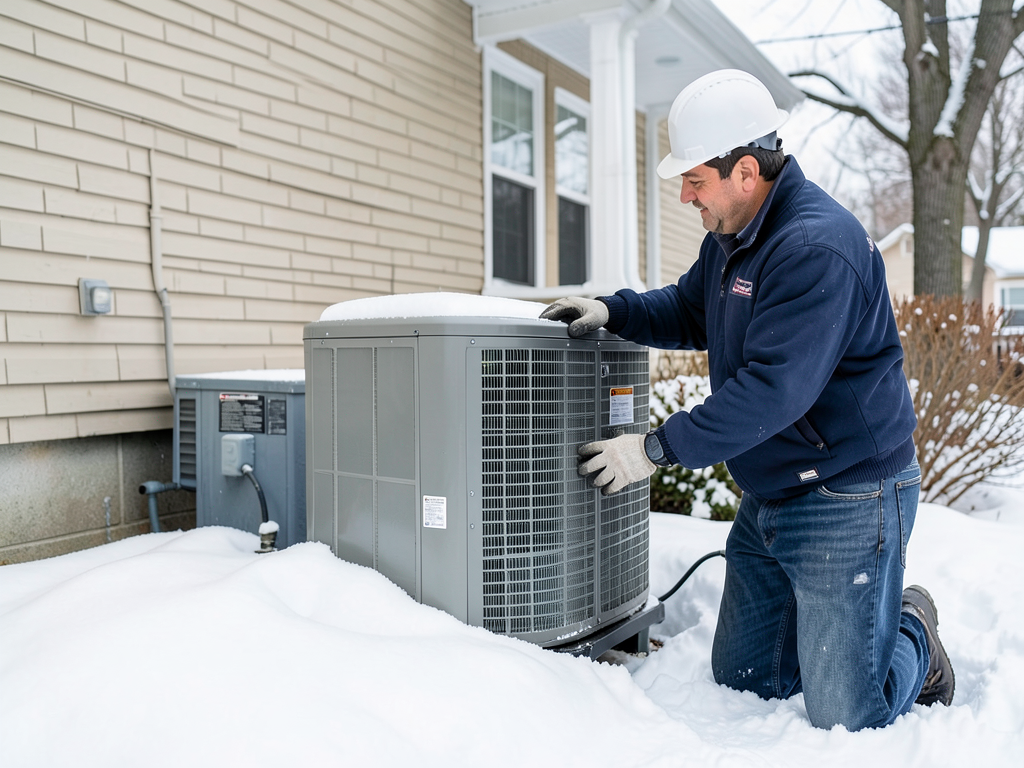
Switching from Oil to a Heat Pump in Connecticut – Costs and Local Rebates
Homeowners across Hartford and surrounding towns are making the switch from oil heating to heat pumps as energy costs rise and state incentives become more attractive. The average Hartford home spends over $2,500 annually on heating oil while heat pumps can cut that cost by 30 to 50 percent depending on system design and home efficiency. Energy Star heat pump specifications.
A properly sized cold-climate heat pump delivers reliable heating even when temperatures drop below zero. Modern systems use variable-speed compressors and advanced refrigerants to maintain efficiency through Connecticut’s harshest winters. Installation costs range from $8,000 to $20,000 depending on home size and whether ductwork exists. Federal tax credits through the Inflation Reduction Act cover 30 percent of equipment costs up to $2,000 and Energize Connecticut offers additional rebates that can reduce the net investment by $1,500 to $5,000. Energize Connecticut rebates.
Why Hartford Homeowners Are Choosing Heat Pumps
Heat pumps provide both heating and cooling in a single system. That means no separate air conditioner is needed during Hartford’s humid summers. Variable-speed technology also improves indoor air quality by running longer at lower speeds which filters air more effectively and maintains consistent temperatures. HVAC Hartford.
Older Hartford neighborhoods like West End and South End often have oil boilers in basements built decades ago. These systems lose efficiency over time and require regular fuel deliveries. Heat pumps eliminate the need for on-site fuel storage and reduce carbon emissions by up to 60 percent when paired with Connecticut’s increasingly clean electric grid. High Efficiency AC Options for Luxury Homes in Glastonbury.
Understanding Cold-Climate Heat Pump Technology
Standard heat pumps struggle when outdoor temperatures fall below 25 degrees Fahrenheit. Cold-climate models use enhanced compressors, improved heat exchangers, and low-temperature refrigerants to extract heat from air as cold as -15 degrees. The Northeast Energy Efficiency Partnerships lists qualified cold-climate heat pumps that meet minimum efficiency standards for Connecticut winters. The Best Energy Efficient Boilers for Hartford Homes with Old Radiators.
During extreme cold snaps a heat pump may need supplemental heat. Many Hartford homeowners keep their existing oil furnace as backup or install electric resistance coils within the heat pump system. This hybrid approach ensures comfort while maximizing efficiency during milder weather. Who to Call for Emergency Furnace Repair in Hartford in the Middle of the Night.
Federal and State Incentives That Lower Your Cost
The federal 25C tax credit allows homeowners to claim 30 percent of qualified heat pump costs including installation. The credit applies to both air-source and ground-source systems with a maximum of $2,000 per year. Connecticut’s Energize CT program offers rebates ranging from $1,500 to $5,000 based on system type and income level.
Low-income households may qualify for enhanced rebates through the Home Energy Solutions program. These incentives are stackable meaning a homeowner could receive both the federal tax credit and a state rebate on the same project. Utility providers like Eversource also offer additional rebates for high-efficiency equipment.
Installation Process and What to Expect
A professional heat pump installation begins with a Manual J load calculation to determine the exact heating and cooling capacity needed. This calculation considers insulation levels, window types, and local climate data specific to Hartford County. Oversized systems waste energy and cause temperature swings while undersized units struggle on the coldest days.
For homes without ductwork a ductless mini-split system offers a flexible solution. Indoor units mount on walls or ceilings and connect to an outdoor compressor via refrigerant lines. Each zone can be controlled independently which improves comfort and reduces energy waste. Homes with existing ducts may use a ducted air-source heat pump which integrates with current infrastructure. Compressor Failure Repair.
Comparing Oil Heating to Heat Pump Operation Costs
Oil heating efficiency is measured by AFUE (Annual Fuel Utilization Efficiency). Older oil boilers operate at 70 to 80 percent AFUE meaning 20 to 30 percent of fuel energy is lost. Modern heat pumps achieve efficiencies of 300 to 400 percent by moving heat rather than generating it through combustion.
Current heating oil prices in Connecticut average $3.80 per gallon. A typical home uses 700 to 900 gallons annually for heating. At current electricity rates of $0.21 per kilowatt-hour a heat pump uses about 10,000 to 15,000 kilowatt-hours per year for the same heating load. The exact savings depend on system efficiency and local utility rates.
Permit Requirements and Local Code Compliance
Hartford County follows the Connecticut State Building Code based on the International Mechanical Code. Heat pump installations require permits for electrical work, refrigerant handling, and in some cases structural modifications. The City of Hartford’s building department reviews plans to ensure compliance with setback requirements and noise ordinances.
Refrigerant handling must follow EPA Section 608 regulations. Certified technicians recover and reclaim refrigerant to prevent atmospheric release. Outdoor units must maintain minimum clearances from property lines and bedroom windows to meet local noise limits typically 45 to 50 decibels at the property line.
Choosing the Right System for Your Hartford Home
Home age and construction type influence the best heat pump choice. Victorian homes in West Hartford often have radiator systems that can be converted to air-to-water heat pumps. Mid-century ranches in Glastonbury may already have ductwork suitable for a ducted system. Homes built before 1950 may need insulation upgrades to maximize heat pump efficiency.
Geothermal heat pumps offer the highest efficiency but require significant upfront investment and yard space for ground loops. Air-source heat pumps cost less and install faster making them the most popular choice for Hartford area homeowners. A professional energy audit helps determine which system delivers the best return on investment.
Maintenance and Long-Term Performance
Heat pumps require annual maintenance to maintain efficiency and warranty coverage. Tasks include cleaning coils, checking refrigerant levels, testing electrical connections, and inspecting ductwork for leaks. Many Hartford HVAC contractors offer maintenance plans that include two visits per year to prepare for summer cooling and winter heating.
Properly maintained heat pumps last 15 to 20 years. Air filters should be replaced every one to three months depending on household dust and pet levels. Outdoor units need clear space around them for airflow so keep vegetation trimmed back at least two feet.
Environmental Impact and Energy Independence
Switching from oil to a heat pump reduces greenhouse gas emissions even when accounting for electricity generation. Connecticut’s electric grid includes nuclear, hydroelectric, and growing solar and wind capacity. As the grid becomes cleaner heat pump emissions decrease further over time.
Heat pumps also reduce dependence on foreign oil markets. Fuel prices can spike during geopolitical events while electricity rates remain more stable. Solar panel integration with heat pumps can create a nearly self-sufficient heating and cooling system for homes with adequate roof space.
Common Concerns and Misconceptions
Some homeowners worry heat pumps cannot handle Connecticut’s cold winters. Modern cold-climate models routinely operate in sub-zero temperatures. The key is proper sizing and potentially adding a backup heat source for the rare extreme event.
Another concern is noise. Today’s outdoor units operate at 50 to 60 decibels about the level of normal conversation. Indoor mini-split units are nearly silent often under 30 decibels on low speed. Proper installation location and vibration isolation minimize noise transfer to living spaces.
Finding a Qualified Hartford Heat Pump Installer
Look for NATE-certified technicians with experience in cold-climate heat pump installations. Ask for Manual J calculations and proof of proper licensing and insurance. A reputable contractor will provide detailed proposals including equipment specifications, efficiency ratings, and estimated annual operating costs.
Liberty HVAC Hartford has installed hundreds of heat pump systems across Greater Hartford. Our team understands local building codes, rebate programs, and the specific challenges of heating Connecticut homes efficiently. We provide free consultations to evaluate your current system and recommend the best solution for your home and budget.
Frequently Asked Questions
How much does it cost to switch from oil to a heat pump in Hartford?
Installation costs range from $8,000 to $20,000 depending on home size and whether ductwork exists. Federal tax credits and state rebates can reduce the net cost by $3,500 to $7,000.
Do heat pumps work in Connecticut’s cold winters?
Yes. Cold-climate heat pumps operate efficiently down to -15 degrees Fahrenheit. Most Hartford homeowners use a hybrid system with existing oil heat as backup for extreme cold snaps.
What rebates are available for heat pump installation?
Federal 25C tax credits cover 30 percent up to $2,000. Energize Connecticut offers rebates from $1,500 to $5,000. Utility providers may offer additional incentives.
How long does installation take?
Most installations complete in two to four days. Ductless systems install faster while homes needing electrical upgrades or ductwork modifications take longer.
Can I keep my oil furnace as backup?
Yes. Many homeowners maintain their oil system as backup for extreme cold or power outages. This provides peace of mind while still capturing most efficiency gains.
What maintenance do heat pumps require?
Annual professional maintenance plus monthly air filter changes. Many contractors offer maintenance plans that include seasonal tune-ups.
Are heat pumps noisy?
Modern units operate at 50 to 60 decibels outdoors about normal conversation level. Indoor units are much quieter often under 30 decibels.
How do I know what size heat pump I need?
A Manual J load calculation determines exact heating and cooling requirements based on your home’s construction, insulation, and local climate data.
Ready to Make the Switch
Heat pumps offer Hartford homeowners a path to lower energy bills, improved comfort, and reduced environmental impact. With federal and state incentives available now is an excellent time to explore your options.
Call (959) 203-9992 today to schedule your free heat pump consultation. Our team will evaluate your current system, explain available rebates, and provide a detailed proposal with no obligation. Don’t wait for the next oil price spike to take control of your home’s heating and cooling costs.
{
“@context”: “https://schema.org”,
“@type”: “BlogPosting”,
“headline”: “Switching from Oil to a Heat Pump in Connecticut – Costs and Local Rebates”,
“description”: “Learn the true costs of switching from oil to heat pumps in Hartford CT plus Energize CT rebates, federal tax credits, and how cold-climate heat pumps perform in New England winters.”,
“wordCount”: 1656,
“datePublished”: “2026-02-19T15:40:00.000Z”,
“dateModified”: “2026-02-19T15:40:00.000Z”,
“inLanguage”: “en-US”,
“mainEntityOfPage”: {
“@type”: “WebPage”,
“@id”: “https://libertyhvachartford.com”
},
“publisher”: {
“@type”: “LocalBusiness”,
“name”: “Liberty HVAC Hartford”,
“url”: “https://libertyhvachartford.com”
},
“author”: {
“@type”: “Organization”,
“name”: “Liberty HVAC Hartford”,
“url”: “https://libertyhvachartford.com”
},
“image”: {
“@type”: “ImageObject”,
“url”: “https://libertyhvachartford.com/wp-content/uploads/2026/03/switching-from-oil-to-a-heat-pump-in-connecticut-c-1.png”
}
}
{
“@context”: “https://schema.org”,
“@type”: “HVACBusiness”,
“name”: “Liberty HVAC Hartford”,
“url”: “https://libertyhvachartford.com”,
“address”: {
“@type”: “PostalAddress”,
“addressLocality”: “Hartford”
},
“areaServed”: {
“@type”: “City”,
“name”: “Hartford”
}
}
{
“@context”: “https://schema.org”,
“@type”: “FAQPage”,
“mainEntity”: [
{
“@type”: “Question”,
“name”: “How much does it cost to switch from oil to a heat pump in Hartford?”,
“acceptedAnswer”: {
“@type”: “Answer”,
“text”: “Installation costs range from $8,000 to $20,000 depending on home size and whether ductwork exists. Federal tax credits and state rebates can reduce the net cost by $3,500 to $7,000.”
}
},
{
“@type”: “Question”,
“name”: “Do heat pumps work in Connecticut’s cold winters?”,
“acceptedAnswer”: {
“@type”: “Answer”,
“text”: “Yes. Cold-climate heat pumps operate efficiently down to -15 degrees Fahrenheit. Most Hartford homeowners use a hybrid system with existing oil heat as backup for extreme cold snaps.”
}
},
{
“@type”: “Question”,
“name”: “What rebates are available for heat pump installation?”,
“acceptedAnswer”: {
“@type”: “Answer”,
“text”: “Federal 25C tax credits cover 30 percent up to $2,000. Energize Connecticut offers rebates from $1,500 to $5,000. Utility providers may offer additional incentives.”
}
},
{
“@type”: “Question”,
“name”: “How long does installation take?”,
“acceptedAnswer”: {
“@type”: “Answer”,
“text”: “Most installations complete in two to four days. Ductless systems install faster while homes needing electrical upgrades or ductwork modifications take longer.”
}
},
{
“@type”: “Question”,
“name”: “Can I keep my oil furnace as backup?”,
“acceptedAnswer”: {
“@type”: “Answer”,
“text”: “Yes. Many homeowners maintain their oil system as backup for extreme cold or power outages. This provides peace of mind while still capturing most efficiency gains.”
}
},
{
“@type”: “Question”,
“name”: “What maintenance do heat pumps require?”,
“acceptedAnswer”: {
“@type”: “Answer”,
“text”: “Annual professional maintenance plus monthly air filter changes. Many contractors offer maintenance plans that include seasonal tune-ups.”
}
},
{
“@type”: “Question”,
“name”: “Are heat pumps noisy?”,
“acceptedAnswer”: {
“@type”: “Answer”,
“text”: “Modern units operate at 50 to 60 decibels outdoors about normal conversation level. Indoor units are much quieter often under 30 decibels.”
}
},
{
“@type”: “Question”,
“name”: “How do I know what size heat pump I need?”,
“acceptedAnswer”: {
“@type”: “Answer”,
“text”: “A Manual J load calculation determines exact heating and cooling requirements based on your home’s construction, insulation, and local climate data.”
}
}
]
}
{
“@context”: “https://schema.org”,
“@type”: “BreadcrumbList”,
“itemListElement”: [
{
“@type”: “ListItem”,
“position”: 1,
“name”: “Home”,
“item”: “https://libertyhvachartford.com”
},
{
“@type”: “ListItem”,
“position”: 2,
“name”: “Blog”,
“item”: “https://libertyhvachartford.com/blog”
},
{
“@type”: “ListItem”,
“position”: 3,
“name”: “Switching from Oil to a Heat Pump in Connecticut – Costs and Local Rebates”
}
]
}
{
“@context”: “https://schema.org”,
“@type”: “Service”,
“serviceType”: “HVAC”,
“provider”: {
“@type”: “LocalBusiness”,
“name”: “Liberty HVAC Hartford”,
“url”: “https://libertyhvachartford.com”
},
“areaServed”: {
“@type”: “City”,
“name”: “Hartford”
},
“description”: “Learn the true costs of switching from oil to heat pumps in Hartford CT plus Energize CT rebates, federal tax credits, and how cold-climate heat pumps perform in New England winters.”
}