
Who Is Responsible for HVAC Maintenance in a Frog Hollow Rental Property
In Connecticut rental properties, the responsibility for HVAC maintenance is divided between landlords and tenants based on the type of work needed. Landlords must provide a heating system that keeps the property at a minimum temperature during winter, while tenants are responsible for routine care and prompt reporting of issues. Understanding these roles can prevent disputes and ensure your system runs efficiently through Hartford’s harsh seasonal changes. Connecticut General Statutes Section 47a-7.
Connecticut law requires landlords to maintain the heating system in good working order, but the specifics depend on the lease agreement and the nature of the problem. Tenants must handle basic upkeep like changing filters and keeping vents clear, while landlords cover major repairs, annual professional inspections, and system replacements when necessary.
Before we dive into the details, here’s what you need to know right away: In Connecticut, landlords must provide heat during the heating season (typically October 1 through May 1) to maintain at least 65 degrees Fahrenheit when outdoor temperatures drop below 55 degrees. Tenants are responsible for changing air filters every 1-3 months and keeping the system free of obstructions. For any major repair or replacement, the landlord bears the cost and responsibility.
Understanding Connecticut Landlord-Tenant Laws for Heating and Cooling
Connecticut General Statutes Section 47a-7 establishes the “implied warranty of habitability” that requires landlords to maintain rental properties in a condition fit for human habitation. This includes providing a functioning heating system during the heating season. The statute specifically addresses temperature requirements, mandating that landlords provide heat capable of maintaining at least 65 degrees Fahrenheit in all habitable rooms when outdoor temperatures fall below 55 degrees.
Unlike heating, air conditioning is not legally required in Connecticut rental properties unless specifically included in the lease agreement. However, if the property has an AC system, both parties share responsibility for its maintenance based on the nature of the work needed.
The Connecticut Department of Consumer Protection enforces these regulations, and tenants who experience heating failures during the required season can file complaints with local housing authorities. Hartford’s municipal code aligns with state law but adds specific requirements for rental property inspections and maintenance. Hartford Housing Code Enforcement.
Lease agreements should clearly outline HVAC responsibilities to prevent misunderstandings. Standard clauses typically specify that tenants must report malfunctions promptly and perform basic maintenance, while landlords handle repairs, replacements, and annual professional servicing.
Standard Renter Responsibilities (The Routine Care)
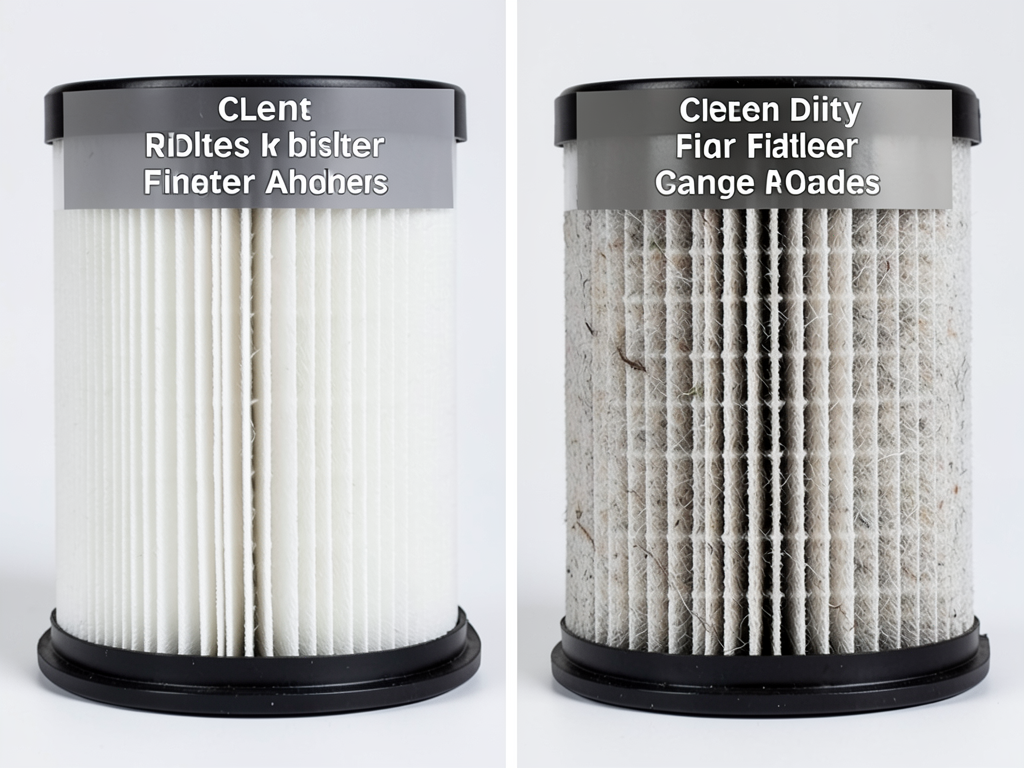
Tenants in Frog Hollow rental properties are responsible for routine HVAC maintenance that prevents system strain and maintains efficiency. These duties include changing air filters every 30-90 days depending on the filter type and household conditions. MERV 8 filters, common in older Hartford homes, should be replaced monthly during peak usage seasons. High Efficiency AC Options for Luxury Homes in Glastonbury.
Keeping vents and registers clear of furniture, rugs, and debris ensures proper airflow throughout the unit. Blocked vents force the system to work harder, increasing energy costs and potentially causing premature component failure. Tenants should also maintain a clear space of at least two feet around the outdoor condenser unit, removing leaves, snow, and debris seasonally. The Best Energy Efficient Boilers for Hartford Homes with Old Radiators.
Thermostat management falls under tenant responsibility. Setting reasonable temperatures (between 68-72 degrees in winter, 74-78 degrees in summer) prevents system overwork. Smart thermostats can help maintain consistent temperatures and reduce energy consumption.
Prompt reporting of unusual noises, smells, or performance issues is crucial. Strange sounds like grinding, squealing, or banging often indicate bearing failure or belt problems that worsen if ignored. Musty odors might suggest mold growth in ductwork, while burning smells could indicate electrical issues requiring immediate attention. Compressor Failure Repair.
Tenants should also keep the area around the furnace or boiler clear for safety and maintenance access. Never store flammable materials near heating equipment, and ensure carbon monoxide detectors are functioning properly. Who to Call for Emergency Furnace Repair in Hartford in the Middle of the Night.
Landlord HVAC Responsibilities (The Big Repairs)
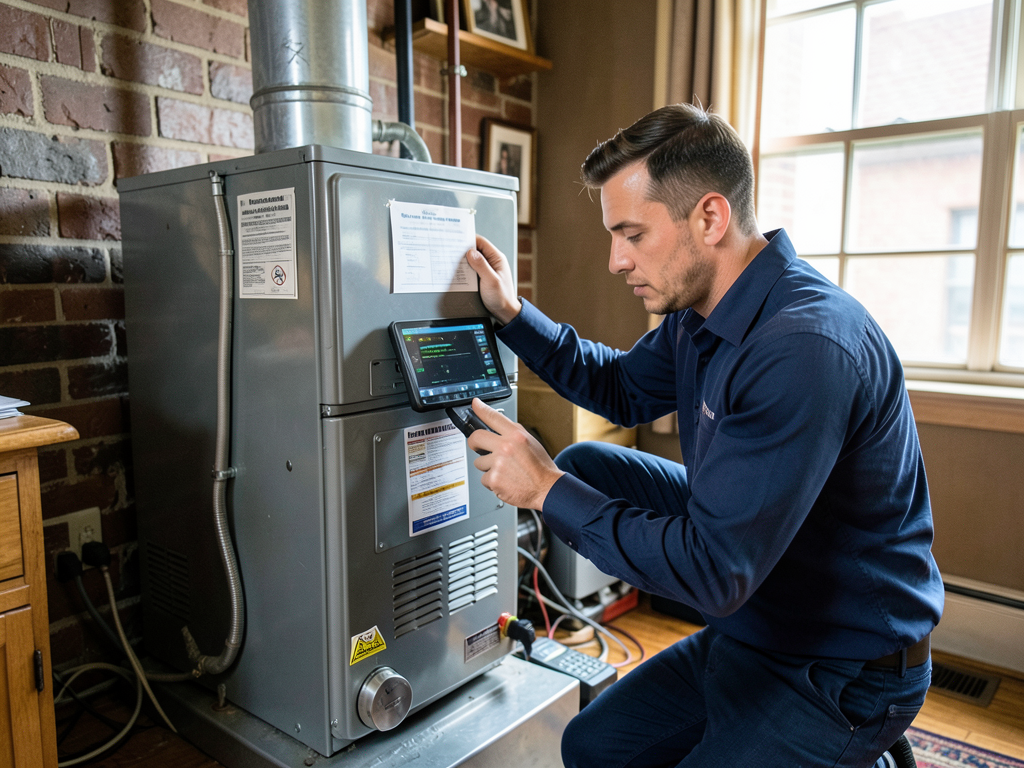
Landlords bear responsibility for all major HVAC repairs, system replacements, and professional maintenance that extends equipment life. This includes annual tune-ups by licensed HVAC technicians, which typically cost $150-300 and involve cleaning burners, checking refrigerant levels, testing electrical components, and calibrating the system.
When components fail, landlords must cover the cost of parts and labor for repairs. Common issues requiring landlord intervention include compressor failure, heat exchanger cracks, refrigerant leaks, and control board malfunctions. These repairs often cost hundreds to thousands of dollars and require professional expertise.
System replacement falls entirely on the landlord when the existing unit reaches the end of its useful life (typically 15-20 years for furnaces, 10-15 years for AC units). Connecticut’s energy efficiency standards and building codes require that replacement systems meet current efficiency requirements, which may increase upfront costs but reduce long-term utility expenses.
Landlords must also address emergency heating failures during the heating season within 24-48 hours. Connecticut law considers lack of heat during winter a serious habitability issue that can justify rent withholding or repair-and-deduct remedies if not addressed promptly.. Read more about Emergency Kitchen Exhaust and HVAC Repair for Downtown Hartford Restaurants.
Professional duct cleaning every 3-5 years, though not legally required, is often handled by landlords as part of comprehensive maintenance programs. This service removes accumulated dust, debris, and potential allergens from the ductwork, improving indoor air quality and system efficiency.
Seasonal HVAC Needs Specific to the Hartford Climate
Hartford’s humid continental climate creates unique HVAC challenges that affect maintenance responsibilities. Winters bring sub-zero temperatures and heavy snowfall that can damage outdoor units and strain heating systems. Landlords should ensure proper insulation and weather stripping to prevent heat loss, while tenants must clear snow from around outdoor condensers and keep furnace vents free of ice buildup. HVAC Hartford.
Summer humidity in the Connecticut River Valley often exceeds 70%, requiring robust dehumidification capabilities. Central air systems must be sized correctly to handle both cooling and moisture removal. Tenants should monitor indoor humidity levels (ideally between 30-50%) and report any condensation or mold issues promptly.
Fall and spring shoulder seasons in Hartford create frequent temperature swings that stress HVAC components. Heat pumps, common in newer Frog Hollow properties, must switch between heating and cooling modes efficiently. Both parties should ensure the system’s reversing valve functions correctly and that the outdoor unit remains clear of leaves and debris.
Connecticut’s hard water affects humidifier performance in many Hartford homes. Scale buildup on humidifier pads reduces efficiency and can promote bacterial growth. Landlords typically handle humidifier maintenance, but tenants should monitor water usage and report any unusual operation.
Spring pollen season requires more frequent filter changes to maintain indoor air quality. HEPA or high-MERV filters (rated 11-13) can trap allergens but may restrict airflow if not replaced regularly. The balance between filtration efficiency and system performance is crucial for tenant comfort and system longevity.
What to Do if Your Hartford Landlord Fails to Repair the HVAC
When landlords fail to address HVAC issues promptly, tenants have several options under Connecticut law. The first step is always written notice to the landlord, preferably via certified mail, detailing the problem and requesting repair within a reasonable timeframe (typically 15-30 days for non-emergency issues).
For emergency heating failures during the heating season, Connecticut law allows tenants to take more immediate action. If the landlord doesn’t respond within 24 hours of written notice, tenants may arrange emergency repairs and deduct the cost from rent, up to the amount of one month’s rent. This “repair and deduct” remedy requires documentation of the problem, repair costs, and landlord notification.
Tenants can also file complaints with the Hartford Housing Code Enforcement office at 550 Main Street. The city conducts inspections and can issue citations or orders for necessary repairs. Multiple violations may result in fines or court orders requiring the landlord to make repairs.
In severe cases where lack of heat or cooling creates unsafe living conditions, tenants may withhold rent until repairs are completed. However, this approach requires careful documentation and often legal consultation to avoid eviction proceedings. Small claims court is another option for recovering costs of repairs or damages caused by HVAC failures.
Connecticut’s tenant protection laws prohibit landlord retaliation for exercising these rights. If a landlord attempts eviction or rent increases within six months of a complaint or repair-and-deduct action, the tenant can file a retaliation claim with the Connecticut Housing Court.
Downloadable Tenant HVAC Maintenance Checklist
Maintaining your rental property’s HVAC system doesn’t have to be complicated. Here’s a seasonal checklist to help you stay on top of routine maintenance while understanding your landlord’s responsibilities.
Monthly Tasks (Tenant Responsibility):
- Check and replace air filters (more often if you have pets or allergies)
- Ensure vents are open and unobstructed
- Test thermostat operation
- Check for unusual noises or odors
Seasonal Tasks (Shared Responsibility):
- Clear debris from outdoor condenser unit
- Check insulation on exposed pipes
- Schedule professional tune-up (landlord’s responsibility)
- Test carbon monoxide detectors
Annual Tasks (Landlord Responsibility):
- Professional system inspection and cleaning
- Check refrigerant levels
- Inspect electrical connections
- Evaluate system efficiency
Emergency Signs Requiring Immediate Landlord Contact:
- No heat during winter months
- System completely non-responsive
- Unusual burning smells
- Water leaks around equipment
Keep copies of all maintenance requests and repair communications. This documentation proves invaluable if disputes arise about responsibility or timeliness of repairs.
Frequently Asked Questions
Does my landlord have to provide air conditioning in Connecticut?
No, Connecticut law does not require landlords to provide air conditioning unless specifically stated in the lease agreement. However, if the property has an AC system, the landlord must maintain it in good working order if the lease includes air conditioning as an amenity.
How often should I change my HVAC filter in a rental property?
Change your HVAC filter every 30-90 days depending on the filter type and your household conditions. Homes with pets, allergies, or smokers may need monthly changes. Check the filter monthly and replace it when it appears dirty or every three months at minimum.
What temperature must my landlord maintain during winter in Connecticut?
Connecticut law requires landlords to provide heat capable of maintaining at least 65 degrees Fahrenheit in all habitable rooms when outdoor temperatures fall below 55 degrees. This requirement typically applies from October 1 through May 1, though specific dates may vary based on local ordinances.
Can I withhold rent if my landlord won’t fix the HVAC?
Rent withholding is a complex legal remedy that requires careful documentation and often legal consultation. In Connecticut, you may withhold rent for serious habitability issues like lack of heat during winter, but you must follow specific procedures including written notice to the landlord and documentation of the problem.
Who pays for HVAC repairs if I accidentally damage the system?
If you cause damage through negligence or misuse, you’re responsible for repairs. Examples include breaking components while cleaning, causing electrical issues through improper thermostat use, or damaging outdoor units. Normal wear and tear remains the landlord’s responsibility.
Conclusion
Understanding HVAC maintenance responsibilities in your Frog Hollow rental property protects both you and your landlord while ensuring comfortable living conditions year-round. Remember that landlords must provide functional heating during Connecticut’s cold winters and handle all major repairs and professional maintenance. As a tenant, your role focuses on routine care, prompt reporting of issues, and keeping the system free from obstructions.
When HVAC problems arise, clear communication and proper documentation prevent disputes and ensure timely repairs. Keep records of all maintenance requests and repairs, and don’t hesitate to contact Hartford housing authorities if your landlord fails to address serious issues promptly.
For complex HVAC issues or if you’re unsure about your rights and responsibilities, professional guidance can save time and prevent costly mistakes. Call (959) 203-9992 today to schedule your inspection and get expert advice on your specific situation. Don’t wait until the next system failure leaves you without heat or cooling when you need it most.
Liberty HVAC Hartford serves the entire Greater Hartford area with emergency repair services, routine maintenance, and system replacements. Our licensed technicians understand Connecticut’s unique climate challenges and building requirements, ensuring your rental property’s HVAC system operates efficiently and reliably throughout the year.
Pick up the phone and call (959) 203-9992 before the next storm hits. Whether you’re dealing with an emergency heating failure or need guidance on routine maintenance responsibilities, our team is ready to help you navigate Connecticut’s landlord-tenant laws and keep your rental property comfortable in every season.
- Document the Problem
Write down when the issue started, what symptoms you’ve noticed, and any error messages on thermostats or equipment. Take photos if possible.
- Notify Your Landlord
Send a written notice (email or certified mail) describing the problem and requesting repair within a reasonable timeframe. Keep copies of all communications.
- Follow Up Promptly
If you don’t receive a response within the agreed timeframe, follow up with another notice. For emergency heating issues during winter, escalate to phone calls after 24 hours.
- Know Your Rights
Understand Connecticut’s repair-and-deduct laws and when you can take action without landlord approval for emergency situations.
- Seek Professional Help
When in doubt about responsibility or repair procedures, contact Liberty HVAC Hartford at (959) 203-9992 for expert guidance and emergency services.
You may also find this helpful. Preventing Your Condo Air Conditioner from Leaking Through the Ceiling in Downtown Hartford.
{
“@context”: “https://schema.org”,
“@type”: “BlogPosting”,
“headline”: “Who Is Responsible for HVAC Maintenance in a Frog Hollow Rental Property”,
“description”: “Confused about HVAC maintenance duties in your Frog Hollow rental? Learn Connecticut landlord-tenant laws, tenant responsibilities, and when to call Liberty HVAC.”,
“wordCount”: 2201,
“datePublished”: “2026-04-14T07:40:00.000Z”,
“dateModified”: “2026-04-14T07:40:00.000Z”,
“inLanguage”: “en-US”,
“mainEntityOfPage”: {
“@type”: “WebPage”,
“@id”: “https://libertyhvachartford.com”
},
“publisher”: {
“@type”: “LocalBusiness”,
“name”: “Liberty HVAC Hartford”,
“url”: “https://libertyhvachartford.com”
},
“author”: {
“@type”: “Organization”,
“name”: “Liberty HVAC Hartford”,
“url”: “https://libertyhvachartford.com”
},
“image”: {
“@type”: “ImageObject”,
“url”: “https://libertyhvachartford.com/wp-content/uploads/2026/03/who-is-responsible-for-hvac-maintenance-in-a-frog-1.png”
}
}
{
“@context”: “https://schema.org”,
“@type”: “HVACBusiness”,
“name”: “Liberty HVAC Hartford”,
“url”: “https://libertyhvachartford.com”,
“address”: {
“@type”: “PostalAddress”,
“addressLocality”: “Hartford”
},
“areaServed”: {
“@type”: “City”,
“name”: “Hartford”
}
}
{
“@context”: “https://schema.org”,
“@type”: “FAQPage”,
“mainEntity”: [
{
“@type”: “Question”,
“name”: “Does my landlord have to provide air conditioning in Connecticut?”,
“acceptedAnswer”: {
“@type”: “Answer”,
“text”: “No, Connecticut law does not require landlords to provide air conditioning unless specifically stated in the lease agreement. However, if the property has an AC system, the landlord must maintain it in good working order if the lease includes air conditioning as an amenity.”
}
},
{
“@type”: “Question”,
“name”: “How often should I change my HVAC filter in a rental property?”,
“acceptedAnswer”: {
“@type”: “Answer”,
“text”: “Change your HVAC filter every 30-90 days depending on the filter type and your household conditions. Homes with pets, allergies, or smokers may need monthly changes. Check the filter monthly and replace it when it appears dirty or every three months at minimum.”
}
},
{
“@type”: “Question”,
“name”: “What temperature must my landlord maintain during winter in Connecticut?”,
“acceptedAnswer”: {
“@type”: “Answer”,
“text”: “Connecticut law requires landlords to provide heat capable of maintaining at least 65 degrees Fahrenheit in all habitable rooms when outdoor temperatures fall below 55 degrees. This requirement typically applies from October 1 through May 1, though specific dates may vary based on local ordinances.”
}
},
{
“@type”: “Question”,
“name”: “Can I withhold rent if my landlord won’t fix the HVAC?”,
“acceptedAnswer”: {
“@type”: “Answer”,
“text”: “Rent withholding is a complex legal remedy that requires careful documentation and often legal consultation. In Connecticut, you may withhold rent for serious habitability issues like lack of heat during winter, but you must follow specific procedures including written notice to the landlord and documentation of the problem.”
}
},
{
“@type”: “Question”,
“name”: “Who pays for HVAC repairs if I accidentally damage the system?”,
“acceptedAnswer”: {
“@type”: “Answer”,
“text”: “If you cause damage through negligence or misuse, you’re responsible for repairs. Examples include breaking components while cleaning, causing electrical issues through improper thermostat use, or damaging outdoor units. Normal wear and tear remains the landlord’s responsibility.”
}
}
]
}
{
“@context”: “https://schema.org”,
“@type”: “HowTo”,
“name”: “How to Handle HVAC Issues in Your Rental”,
“step”: [
{
“@type”: “HowToStep”,
“position”: 1,
“name”: “Document the Problem”,
“text”: “Write down when the issue started, what symptoms you’ve noticed, and any error messages on thermostats or equipment. Take photos if possible.”
},
{
“@type”: “HowToStep”,
“position”: 2,
“name”: “Notify Your Landlord”,
“text”: “Send a written notice (email or certified mail) describing the problem and requesting repair within a reasonable timeframe. Keep copies of all communications.”
},
{
“@type”: “HowToStep”,
“position”: 3,
“name”: “Follow Up Promptly”,
“text”: “If you don’t receive a response within the agreed timeframe, follow up with another notice. For emergency heating issues during winter, escalate to phone calls after 24 hours.”
},
{
“@type”: “HowToStep”,
“position”: 4,
“name”: “Know Your Rights”,
“text”: “Understand Connecticut’s repair-and-deduct laws and when you can take action without landlord approval for emergency situations.”
},
{
“@type”: “HowToStep”,
“position”: 5,
“name”: “Seek Professional Help”,
“text”: “When in doubt about responsibility or repair procedures, contact Liberty HVAC Hartford at (959) 203-9992 for expert guidance and emergency services.”
}
],
“image”: “https://libertyhvachartford.com/wp-content/uploads/2026/03/who-is-responsible-for-hvac-maintenance-in-a-frog-1.png”
}
{
“@context”: “https://schema.org”,
“@type”: “BreadcrumbList”,
“itemListElement”: [
{
“@type”: “ListItem”,
“position”: 1,
“name”: “Home”,
“item”: “https://libertyhvachartford.com”
},
{
“@type”: “ListItem”,
“position”: 2,
“name”: “Blog”,
“item”: “https://libertyhvachartford.com/blog”
},
{
“@type”: “ListItem”,
“position”: 3,
“name”: “Who Is Responsible for HVAC Maintenance in a Frog Hollow Rental Property”
}
]
}
{
“@context”: “https://schema.org”,
“@type”: “Service”,
“serviceType”: “HVAC”,
“provider”: {
“@type”: “LocalBusiness”,
“name”: “Liberty HVAC Hartford”,
“url”: “https://libertyhvachartford.com”
},
“areaServed”: {
“@type”: “City”,
“name”: “Hartford”
},
“description”: “Confused about HVAC maintenance duties in your Frog Hollow rental? Learn Connecticut landlord-tenant laws, tenant responsibilities, and when to call Liberty HVAC.”
}