
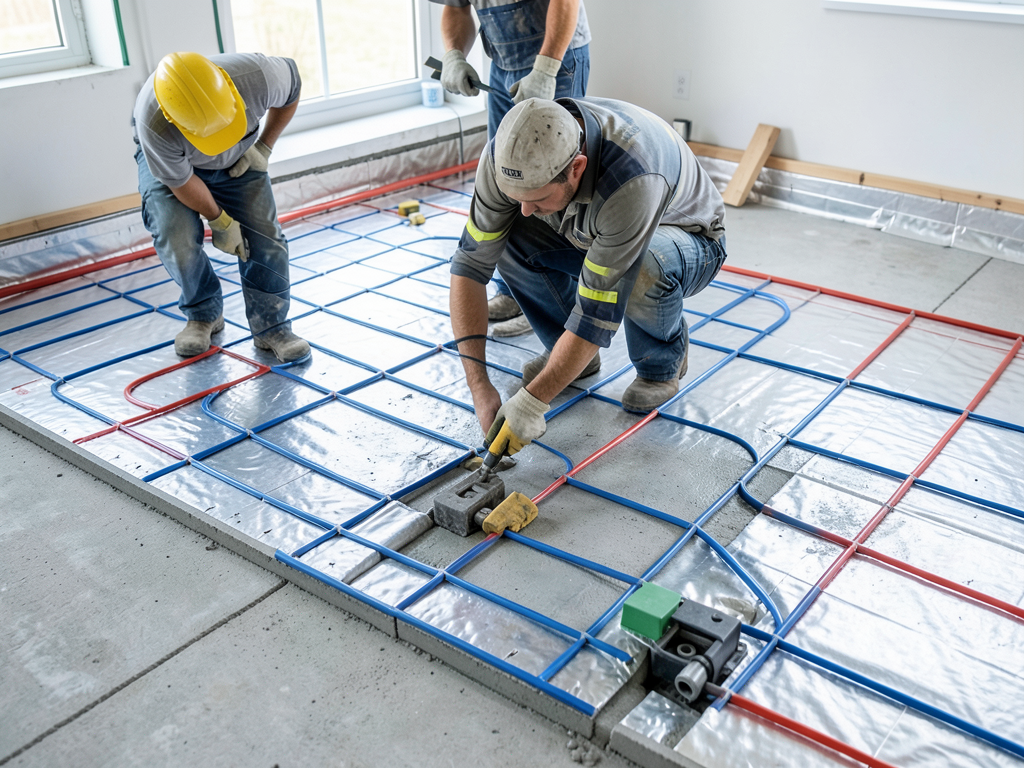
Everything You Should Know Before Installing Radiant Floor Heating in Your Farmington Remodel
Radiant floor heating transforms cold Connecticut winters into consistent comfort by warming your Farmington home from the ground up. Unlike forced-air systems that blow dust and create temperature swings, radiant heat delivers silent, even warmth through your floors. For Farmington homeowners considering this upgrade, understanding the local requirements, costs, and installation process is essential before starting your remodel.. Read more about A Homeowners Guide to HVAC Financing and Payment Plans in Greater Hartford.
Farmington’s historic homes and newer constructions each present unique challenges for radiant heating installation. The town’s mix of Victorian-era properties in the historic district and modern developments near the University of Connecticut Health Center means your specific installation approach depends heavily on your home’s age and construction style.
Before you commit to radiant floor heating, you need to understand the three main system types, local permit requirements, and how Connecticut’s climate affects system performance. This guide covers everything Farmington homeowners need to know, from choosing between hydronic and electric systems to navigating Farmington’s building permit process.
Types of Radiant Floor Heating Systems for Farmington Homes
Radiant floor heating comes in two primary forms: hydronic (water-based) and electric. Each has distinct advantages for Farmington’s climate and housing stock.
Hydronic systems circulate warm water through PEX tubing embedded in your floor. These systems excel in Farmington’s cold winters because they provide consistent, energy-efficient heat. A typical hydronic system costs $6-12 per square foot installed, making it ideal for whole-home heating in larger Farmington properties. The Best Energy Efficient Boilers for Hartford Homes with Old Radiators.
Electric radiant systems use heating cables or mats installed beneath your flooring. While simpler to install and perfect for small spaces like bathrooms, electric systems cost $8-15 per square foot and work best as supplemental heat rather than primary heating sources in Farmington’s harsh winters.
The choice between systems often depends on your home’s existing infrastructure. Farmington’s older homes typically have boiler systems that can be adapted for hydronic radiant heat, while newer constructions might benefit from the simplicity of electric systems in specific areas.
Farmington Building Permit Requirements for Radiant Heating
Installing radiant floor heating in Farmington requires proper permits from the Farmington Building Department. The town follows Connecticut State Building Code based on International Mechanical Code (IMC), with specific requirements for hydronic systems.
For hydronic systems, you’ll need plumbing permits since the system connects to your home’s water supply or boiler. Farmington requires licensed plumbers to handle all water connections, and systems must include proper backflow prevention devices as mandated by Connecticut Department of Public Health regulations.
Electric radiant systems require electrical permits through Farmington’s building department. All work must comply with National Electrical Code Article 424, which governs fixed electric space heating equipment. Farmington inspectors specifically check for proper GFCI protection in bathroom and kitchen installations.
The permit process typically takes 2-3 weeks in Farmington, with inspections required at rough-in and final stages. Historic district properties may face additional review requirements through Farmington’s Historic District Commission.. Read more about How to Properly Heat and Cool a New Sunroom Addition in Granby.
Cost Breakdown for Radiant Floor Heating in Farmington
Radiant floor heating costs in Farmington vary significantly based on system type, home size, and installation complexity. Understanding these cost factors helps you budget accurately for your remodel.
Hydronic system installation ranges from $6,000 to $20,000 for a typical Farmington home, depending on square footage and whether you’re retrofitting or installing during new construction. The boiler or water heater needed for hydronic systems adds $3,000 to $7,000 to your total cost.
Electric systems cost $8 to $15 per square foot installed. For a 200-square-foot bathroom, expect to pay $1,600 to $3,000. While electric systems have lower upfront costs, they typically cost more to operate than hydronic systems in Farmington’s cold climate.
Additional costs include floor preparation ($2-4 per square foot), thermostat controls ($150-500), and potential subfloor modifications. Farmington homes with concrete slabs may need additional insulation, adding $1-2 per square foot to your project.
Best Flooring Types for Radiant Heat in Connecticut Homes
Not all flooring materials work equally well with radiant heating. Farmington’s climate and lifestyle needs influence which flooring options perform best with your radiant system. High Efficiency AC Options for Luxury Homes in Glastonbury.
Tile and stone flooring provide the best heat transfer and work excellently with both hydronic and electric systems. Ceramic and porcelain tiles heat quickly and retain warmth effectively, making them ideal for Farmington bathrooms, kitchens, and entryways where cold floors are most noticeable.
Engineered hardwood performs well with radiant heat when properly installed. Unlike solid hardwood, engineered wood resists warping from temperature changes. Farmington homeowners should choose products specifically rated for radiant heating and maintain humidity between 30-50% to prevent seasonal expansion and contraction.
Luxury vinyl plank (LVP) offers excellent compatibility with radiant systems at a lower cost than hardwood. Modern LVP products withstand temperature fluctuations and provide good heat transfer. Many Farmington homeowners choose LVP for basements and lower levels where radiant heating adds comfort to naturally cooler spaces.
Carpet can work with radiant heat but reduces system efficiency. If you prefer carpet in Farmington bedrooms, choose low-pile options with minimal underlayment to allow heat transfer. Keep in mind that carpeted areas will feel cooler than adjacent hard-surface rooms.
Energy Efficiency and Operating Costs in Farmington
Radiant floor heating offers significant energy efficiency advantages for Farmington homes, particularly when paired with modern high-efficiency boilers or heat pumps.
Hydronic radiant systems typically operate at 85-95% efficiency when paired with Energy Star certified boilers. In Farmington’s climate, where winter temperatures regularly drop below freezing, radiant heat maintains consistent comfort at lower thermostat settings compared to forced-air systems. Most homeowners report 10-15% lower heating bills after installing radiant systems.
Electric radiant systems cost more to operate in Connecticut due to higher electricity rates. However, they excel in zoned applications where you only heat occupied spaces. Farmington residents using electric radiant in bathrooms and kitchens often see minimal impact on their utility bills while gaining significant comfort improvements.
Modern radiant systems integrate seamlessly with smart thermostats, allowing Farmington homeowners to create heating zones and schedule temperatures based on occupancy patterns. This zoning capability can reduce energy consumption by up to 20% compared to single-zone forced-air systems.
Retrofitting Historic Farmington Homes with Radiant Heat
Farmington’s historic district contains numerous Victorian and Colonial-era homes that present unique challenges for radiant heating installation. Understanding these challenges helps you plan realistic retrofit projects.
Older Farmington homes often have plaster walls and hardwood floors that complicate radiant installation. For hydronic systems, installers may need to access floor joists from below or create channels in existing flooring. This work requires careful preservation of historic materials and often increases installation costs by 30-50%.
Many Farmington historic homes lack adequate insulation, which affects radiant system performance. Before installing radiant heat, consider adding insulation to walls, attics, and basements. Farmington’s building department may require specific insulation upgrades as part of your permit approval for historic properties.
Electrical capacity poses another consideration for Farmington’s older homes. Electric radiant systems may require electrical panel upgrades, especially in homes built before 1970. A licensed electrician should evaluate your home’s electrical service before planning electric radiant installations.
Working with contractors experienced in historic home renovations is crucial for Farmington’s older properties. These professionals understand preservation requirements and can recommend installation methods that maintain your home’s character while adding modern comfort.
Integration with Existing HVAC Systems
Radiant floor heating doesn’t always replace your existing HVAC system. Many Farmington homeowners install radiant heat as a supplement to their current forced-air or boiler systems.
For homes with existing boilers, hydronic radiant systems offer straightforward integration. Your current boiler can often handle the additional load, especially if it’s a modern high-efficiency unit. Farmington HVAC contractors should perform a heat load calculation to ensure your boiler can support both existing radiators and new radiant zones.
Homes with forced-air systems can benefit from hybrid approaches. Install radiant heat in frequently used areas like bathrooms and kitchens, while maintaining forced-air for whole-house heating. This strategy provides immediate comfort where you need it most while preserving your existing system’s capacity.
Air-source heat pumps pair excellently with radiant floor heating in Farmington’s climate. The heat pump provides efficient cooling in summer and can supplement your radiant system during mild spring and fall weather. This combination offers year-round comfort with excellent energy efficiency.
Smart zoning controls allow seamless integration between radiant and existing systems. Modern controls can automatically switch between heating sources based on outdoor temperatures, occupancy, and utility rates, optimizing comfort and efficiency.
Maintenance Requirements for Farmington Homes
Radiant floor heating systems require minimal maintenance, but Farmington’s specific conditions create some unique considerations for local homeowners.
Hard water affects both hydronic and electric systems in Farmington. The town’s water supply contains minerals that can accumulate in hydronic system components over time. Annual system flushing and water treatment help prevent scale buildup that reduces efficiency and can damage pumps and valves.
Floor sensors in electric systems should be tested annually to ensure accurate temperature readings. Farmington’s temperature extremes can cause sensor drift over time, leading to comfort issues or system inefficiency. Most manufacturers recommend sensor calibration every 2-3 years.
Boilers supporting hydronic systems need annual professional maintenance, including cleaning, inspection, and efficiency testing. Farmington HVAC contractors should check for proper combustion, clean heat exchangers, and verify all safety controls function correctly.
Floor coverings require specific care to maintain radiant system efficiency. Avoid using wax-based cleaners on tile floors, as these can create insulating layers that reduce heat transfer. For carpeted areas over radiant heat, vacuum regularly to prevent dust accumulation that can insulate the floor.
Common Installation Mistakes to Avoid
Understanding common radiant heating installation mistakes helps Farmington homeowners avoid costly problems and ensures optimal system performance.
Insufficient insulation ranks as the most frequent installation error. Without proper subfloor insulation, heat escapes downward rather than warming your living space. Farmington’s climate demands R-10 or higher insulation beneath radiant tubing, especially in basements and homes with crawl spaces.
Incorrect tubing spacing affects system performance and comfort. For hydronic systems, spacing tubing too far apart creates cold spots and reduces efficiency. Most Farmington installations require 6-12 inch spacing depending on the space’s heat load and flooring type.
Floor height changes often surprise homeowners during radiant installation. The added thickness of tubing, mortar, and flooring can raise floor levels by 1/2 to 3/4 inch. This elevation change affects door clearances, transitions to other rooms, and may require modifications to baseboards or cabinetry.
Electrical circuit overload occurs when electric radiant systems aren’t properly planned. Farmington homes may need dedicated circuits for larger electric installations. Always have a licensed electrician verify your electrical capacity before installation begins.
Ignoring flooring manufacturer recommendations leads to warranty issues and performance problems. Many flooring products have specific temperature limits and installation requirements for use over radiant heat. Always verify compatibility before selecting flooring materials.
Energy Rebates and Incentives for Farmington Residents
Farmington homeowners can access several energy efficiency rebates and tax incentives when installing radiant floor heating systems.
Energize Connecticut (EnergizeCT.com) offers rebates for high-efficiency heating equipment, including boilers used with hydronic radiant systems. Current incentives provide up to $500 for Energy Star certified boilers with efficiency ratings of 90% or higher. These rebates apply to both new installations and system upgrades in Farmington homes. Energize Connecticut.
The federal Residential Energy Efficiency Tax Credit allows Farmington homeowners to claim 30% of installation costs for qualifying radiant heating systems, up to $2,000. This credit applies to both hydronic and electric systems installed in existing homes, making radiant heating more affordable for remodeling projects. Federal Energy Tax Credits.
Connecticut’s Home Energy Solutions program offers free energy assessments to Farmington residents. During these assessments, energy specialists identify heating system improvements and provide information about available rebates. Many Farmington homeowners combine radiant installation with other energy efficiency upgrades to maximize incentive opportunities.
Local utility companies serving Farmington may offer additional rebates for high-efficiency heating equipment. Check with Eversource Energy and Connecticut Natural Gas for current incentive programs that could reduce your radiant heating installation costs.
Frequently Asked Questions
How long does radiant floor heating take to warm up?
Radiant floor heating typically takes 30-60 minutes to reach comfortable temperatures. Hydronic systems may take slightly longer than electric systems due to the thermal mass of water in the pipes. Farmington homeowners often program their systems to begin heating 30 minutes before waking or returning home.
Can radiant floor heating cool my home in summer?
Standard radiant floor heating systems cannot cool your home. However, some Farmington homeowners install hydronic systems compatible with air-source heat pumps that provide both heating and cooling. These hybrid systems offer year-round comfort but cost more than heating-only installations.
Will radiant heating raise my floor height significantly?
Radiant heating typically raises floor height by 1/2 to 3/4 inch, depending on the system type and flooring materials. Electric systems generally add less height than hydronic systems. Farmington homeowners should plan for these changes when considering door clearances and transitions to other rooms.
How long do radiant floor heating systems last?
Quality radiant floor heating systems last 20-30 years or more with proper maintenance. PEX tubing in hydronic systems often carries 25-year warranties, while electric heating cables typically last 15-20 years. Farmington’s climate and water quality can affect system longevity, making regular maintenance important.
Is radiant floor heating worth the investment in Farmington?
For many Farmington homeowners, radiant floor heating provides excellent comfort and energy savings that justify the investment. The system’s efficiency, silent operation, and allergy-friendly benefits often outweigh higher upfront costs, especially for whole-home installations in larger properties.
Ready to Install Radiant Floor Heating in Your Farmington Home?
Radiant floor heating offers Farmington homeowners unmatched comfort and efficiency, but proper planning and installation are crucial for success. From navigating local permit requirements to selecting the right system for your home’s construction, professional guidance ensures your investment delivers maximum comfort and energy savings.
Call (959) 203-9992 today to schedule a consultation with Farmington’s radiant heating experts. We’ll evaluate your home, explain your options, and provide a detailed quote for your radiant floor heating project. Don’t wait until next winter to experience the comfort of warm floors throughout your Farmington home.
Pick up the phone and call (959) 203-9992 before the next cold snap hits. Our team understands Farmington’s specific building requirements, historic home considerations, and energy efficiency incentives that make radiant heating affordable for local homeowners.
{
“@context”: “https://schema.org”,
“@type”: “BlogPosting”,
“headline”: “Everything You Should Know Before Installing Radiant Floor Heating in Your Farmington Remodel”,
“description”: “Learn everything about radiant floor heating for Farmington homes including costs, permits, and installation. Call (959) 203-9992 for expert HVAC advice.”,
“wordCount”: 2391,
“datePublished”: “2026-03-11T14:17:00.000Z”,
“dateModified”: “2026-03-11T14:17:00.000Z”,
“inLanguage”: “en-US”,
“mainEntityOfPage”: {
“@type”: “WebPage”,
“@id”: “https://libertyhvachartford.com”
},
“publisher”: {
“@type”: “LocalBusiness”,
“name”: “Liberty HVAC Hartford”,
“url”: “https://libertyhvachartford.com”
},
“author”: {
“@type”: “Organization”,
“name”: “Liberty HVAC Hartford”,
“url”: “https://libertyhvachartford.com”
},
“image”: {
“@type”: “ImageObject”,
“url”: “https://libertyhvachartford.com/wp-content/uploads/2026/03/everything-you-should-know-before-installing-radia-1.png”
}
}
{
“@context”: “https://schema.org”,
“@type”: “HVACBusiness”,
“name”: “Liberty HVAC Hartford”,
“url”: “https://libertyhvachartford.com”,
“address”: {
“@type”: “PostalAddress”,
“addressLocality”: “Hartford”
},
“areaServed”: {
“@type”: “City”,
“name”: “Hartford”
}
}
{
“@context”: “https://schema.org”,
“@type”: “FAQPage”,
“mainEntity”: [
{
“@type”: “Question”,
“name”: “How long does radiant floor heating take to warm up?”,
“acceptedAnswer”: {
“@type”: “Answer”,
“text”: “Radiant floor heating typically takes 30-60 minutes to reach comfortable temperatures. Hydronic systems may take slightly longer than electric systems due to the thermal mass of water in the pipes. Farmington homeowners often program their systems to begin heating 30 minutes before waking or returning home.”
}
},
{
“@type”: “Question”,
“name”: “Can radiant floor heating cool my home in summer?”,
“acceptedAnswer”: {
“@type”: “Answer”,
“text”: “Standard radiant floor heating systems cannot cool your home. However, some Farmington homeowners install hydronic systems compatible with air-source heat pumps that provide both heating and cooling. These hybrid systems offer year-round comfort but cost more than heating-only installations.”
}
},
{
“@type”: “Question”,
“name”: “Will radiant heating raise my floor height significantly?”,
“acceptedAnswer”: {
“@type”: “Answer”,
“text”: “Radiant heating typically raises floor height by 1/2 to 3/4 inch, depending on the system type and flooring materials. Electric systems generally add less height than hydronic systems. Farmington homeowners should plan for these changes when considering door clearances and transitions to other rooms.”
}
},
{
“@type”: “Question”,
“name”: “How long do radiant floor heating systems last?”,
“acceptedAnswer”: {
“@type”: “Answer”,
“text”: “Quality radiant floor heating systems last 20-30 years or more with proper maintenance. PEX tubing in hydronic systems often carries 25-year warranties, while electric heating cables typically last 15-20 years. Farmington’s climate and water quality can affect system longevity, making regular maintenance important.”
}
},
{
“@type”: “Question”,
“name”: “Is radiant floor heating worth the investment in Farmington?”,
“acceptedAnswer”: {
“@type”: “Answer”,
“text”: “For many Farmington homeowners, radiant floor heating provides excellent comfort and energy savings that justify the investment. The system’s efficiency, silent operation, and allergy-friendly benefits often outweigh higher upfront costs, especially for whole-home installations in larger properties.”
}
},
{
“@type”: “Question”,
“name”: “Ready to Install Radiant Floor Heating in Your Farmington Home?”,
“acceptedAnswer”: {
“@type”: “Answer”,
“text”: “Radiant floor heating offers Farmington homeowners unmatched comfort and efficiency, but proper planning and installation are crucial for success. From navigating local permit requirements to selecting the right system for your home’s construction, professional guidance ensures your investment delivers maximum comfort and energy savings.”
}
}
]
}
{
“@context”: “https://schema.org”,
“@type”: “BreadcrumbList”,
“itemListElement”: [
{
“@type”: “ListItem”,
“position”: 1,
“name”: “Home”,
“item”: “https://libertyhvachartford.com”
},
{
“@type”: “ListItem”,
“position”: 2,
“name”: “Blog”,
“item”: “https://libertyhvachartford.com/blog”
},
{
“@type”: “ListItem”,
“position”: 3,
“name”: “Everything You Should Know Before Installing Radiant Floor Heating in Your Farmington Remodel”
}
]
}
{
“@context”: “https://schema.org”,
“@type”: “Service”,
“serviceType”: “HVAC”,
“provider”: {
“@type”: “LocalBusiness”,
“name”: “Liberty HVAC Hartford”,
“url”: “https://libertyhvachartford.com”
},
“areaServed”: {
“@type”: “City”,
“name”: “Hartford”
},
“description”: “Learn everything about radiant floor heating for Farmington homes including costs, permits, and installation. Call (959) 203-9992 for expert HVAC advice.”
}