
Why Your New Britain Home Feels So Humid Even When the AC Is Running
Your air conditioner runs constantly but your home still feels sticky and damp. That clammy feeling is telling you something important: your AC isn’t removing enough moisture from the air. In New Britain’s humid summers, this is a common problem that leaves homeowners uncomfortable and frustrated. Air Conditioning Contractors of America.
The issue isn’t always a broken AC. Many times, the system is working exactly as designed but simply can’t keep up with New Britain’s moisture levels. Understanding why this happens is the first step to getting your home comfortable again.. Read more about Why Custom Ductwork Design Is the Secret to Better Airflow in Your New Windsor Home.
Call (959) 203-9992 today to schedule your inspection and stop the humidity for good.
Why New Britain Homes Experience Excessive Humidity
New Britain’s location in central Connecticut creates perfect conditions for indoor humidity problems. The city sits in a valley where warm, moist air from Long Island Sound gets trapped, especially during summer months when dew points regularly climb above 70°F. Connecticut Department of Public Health.
Many homes in New Britain were built before 1980, featuring construction methods that allow more moisture infiltration. Older homes often lack proper vapor barriers, and their single-pane windows create cold surfaces where condensation forms. The Stanley Quarter neighborhood, with its mix of Victorian and Colonial homes, exemplifies this challenge.
Connecticut’s building code (Section 403 of the Connecticut State Building Code) requires mechanical ventilation in new construction, but many existing homes never had these systems installed. Without proper air exchange, moisture from cooking, showers, and even breathing builds up inside.
Local soil conditions also play a role. New Britain’s clay-rich soil retains moisture and can create hydrostatic pressure against basement walls. This water vapor migrates upward through concrete foundations, adding to indoor humidity levels that your AC must combat.
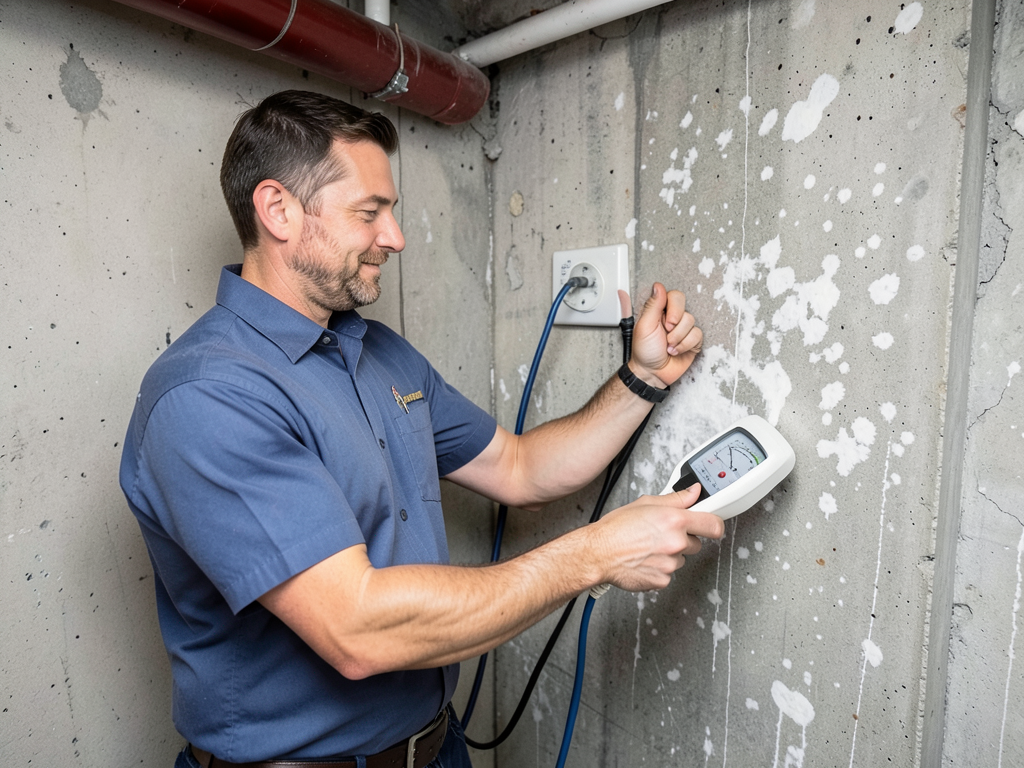
Health and Structural Risks of 60%+ Indoor Humidity
When indoor humidity stays above 60%, problems multiply quickly. Mold spores, which are always present in the air, find the moisture they need to grow on walls, ceilings, and inside HVAC systems. The Connecticut Department of Public Health reports that mold exposure can trigger asthma attacks and allergic reactions. EPA recommendations for indoor humidity.
Wood structures absorb excess moisture and begin to swell. Doors stick, hardwood floors cup, and window frames warp. Over time, this moisture damage can compromise structural integrity. The EPA recommends keeping indoor humidity between 30-50% to prevent these issues.
High humidity also makes your home feel warmer than it actually is. At 75°F with 70% relative humidity, your body can’t cool itself effectively through sweat evaporation. This forces you to lower the thermostat, increasing energy bills without solving the comfort problem. The Best Energy Efficient Boilers for Hartford Homes with Old Radiators.
Dust mites, another common allergen, thrive in humid conditions. These microscopic creatures live in bedding, carpets, and upholstery, feeding on dead skin cells. They reproduce rapidly when humidity exceeds 50%, creating another layer of indoor air quality concerns.
Connecticut’s humid climate means these problems aren’t seasonal. Even in spring and fall, when temperatures are mild, high humidity can make your home feel uncomfortable and promote mold growth in dark, undisturbed areas.
Diagnosing the Cause: HVAC vs. Local Environmental Factors
Before investing in solutions, you need to understand what’s causing your humidity problem. Start with these diagnostic steps that any homeowner can perform:
- Check Your AC’s Runtime
Set a timer when your AC starts and stops. If it runs less than 50% of the time during hot, humid weather, it may be oversized and not removing enough moisture.. Read more about What to Do When Your Central Air Stops Working in Your Rocky Hill Condo.
- Measure Indoor Humidity
Use a hygrometer to check humidity levels in different rooms. Readings above 60% indicate a problem, especially if they’re consistent throughout the house.. Read more about How Installing a Whole House Dehumidifier Can Stop Mold Growth in Your Basement.
- Inspect for Air Leaks
Feel around windows and doors for drafts on humid days. Air leaks bring in moist outdoor air that your AC must dehumidify.. Read more about Why Your Outdoor AC Unit Is Making a Loud Screeching Noise and What It Means.
- Check Your AC Filter
A dirty filter restricts airflow, causing the evaporator coil to freeze and reducing moisture removal capacity.
Common AC-related causes include short cycling, where the system turns on and off too frequently. This happens when the AC is oversized for your home’s cooling load. While it cools quickly, it doesn’t run long enough to remove significant moisture.
Refrigerant leaks also reduce cooling and dehumidification capacity. Low refrigerant causes the evaporator coil to freeze, creating ice that blocks airflow and moisture removal. You might notice ice buildup on the outdoor unit or hear hissing sounds from refrigerant lines.
Local environmental factors often compound HVAC issues. New Britain’s proximity to forested areas means pollen and organic debris can clog outdoor condenser coils, reducing efficiency. Homes near the Quinnipiac River or other water bodies experience higher ambient humidity levels. High Efficiency AC Options for Luxury Homes in Glastonbury.
Underground water issues affect many New Britain homes. If your basement feels damp or you notice efflorescence (white mineral deposits) on concrete walls, water vapor is likely entering your living space through the foundation.

Recommended Humidity Control Solutions for Connecticut Climates
Whole-Home Dehumidification Systems
Whole-home dehumidifiers integrate with your existing HVAC system to remove 70-130 pints of moisture daily. Unlike portable units that only serve one room, these systems maintain consistent humidity throughout your entire home.
The Aprilaire and Honeywell whole-home dehumidifiers are popular choices in Connecticut because they’re designed for our climate’s extreme humidity swings. They include automatic humidistats that maintain your target humidity level without constant adjustment.
Installation requires professional sizing based on your home’s square footage, construction type, and local climate data. A properly sized unit in a typical New Britain home costs between $2,500-$4,500 installed, including integration with your existing ductwork.
These systems offer significant advantages over portable dehumidifiers. They’re quiet, require minimal maintenance, and don’t need daily emptying. Most importantly, they work in conjunction with your AC to provide year-round humidity control.
AC Sizing and ‘Short-Cycling’ Issues
If your AC is oversized, replacing it with a properly sized unit often solves humidity problems. Modern high-efficiency units with variable-speed compressors run longer at lower speeds, removing more moisture than older single-speed units. Compressor Failure Repair.
The Air Conditioning Contractors of America (ACCA) Manual J calculation determines the correct AC size for your home. This calculation considers square footage, insulation levels, window types, local climate, and even the number of occupants.
Many New Britain homes have AC units that are 1-2 tons larger than necessary. While this might seem beneficial for cooling speed, it creates humidity problems and wastes energy. An oversized unit cools rooms quickly but shuts off before removing adequate moisture.
Variable-speed technology represents the latest advancement in humidity control. These units adjust their output based on cooling demand, running longer cycles at lower speeds that excel at moisture removal. They also maintain more consistent temperatures, eliminating the hot and cold spots common with single-speed units.
Basement Waterproofing and Moisture Barriers
Since much of New Britain’s housing stock includes basements, addressing foundation moisture is crucial. Simple solutions include extending downspouts away from the foundation and ensuring proper grading slopes away from your home.
For more severe cases, interior drainage systems collect water that seeps through basement walls and direct it to a sump pump. This prevents water from evaporating into your living space and overwhelming your AC’s dehumidification capacity.
Vapor barriers installed on basement walls prevent moisture migration from the surrounding soil. These heavy-duty plastic sheets create an impermeable layer that blocks water vapor while allowing any existing moisture to drain properly.
Dehumidifiers specifically designed for basements can remove 30-70 pints of moisture daily from this high-humidity environment. While not as comprehensive as whole-home systems, they’re effective for homes with primarily basement moisture issues.
Contact a Local New Britain HVAC Specialist
Humidity problems require professional diagnosis because the solution depends on your home’s specific construction, your AC system’s condition, and local environmental factors. What works for a 1950s ranch in the East Side might not suit a Victorian in the West End.
A qualified HVAC technician will perform a complete assessment including airflow measurements, refrigerant level checks, and humidity mapping throughout your home. They’ll also inspect your ductwork for leaks that could be introducing humid air.
Many Connecticut homeowners qualify for Energize Connecticut rebates when upgrading to high-efficiency HVAC equipment or installing whole-home dehumidification systems. These programs can offset 20-30% of the installation cost.
Don’t let another humid summer make your home uncomfortable. Professional diagnosis can identify whether you need simple maintenance, system replacement, or additional humidity control equipment.
Call (959) 203-9992 today to schedule your inspection. Our technicians understand New Britain’s unique climate challenges and can recommend solutions that actually work for your specific situation.
Pick up the phone and call (959) 203-9992 before the next heat wave hits. Your comfort and your home’s protection from moisture damage are worth the call.
Frequently Asked Questions
How do I know if my AC is removing enough humidity?
Measure indoor humidity with a hygrometer. If levels stay above 60% even when the AC runs constantly, your system isn’t removing enough moisture. Also watch for condensation on windows, musty odors, and that sticky feeling that persists even when the temperature feels cool.
Can I just add a bigger AC to solve humidity problems?
No, bigger isn’t better for humidity control. An oversized AC cools too quickly and shuts off before removing adequate moisture. The solution is usually a properly sized unit with variable-speed technology or adding a whole-home dehumidifier to your existing system.
How much does it cost to install a whole-home dehumidifier?
Installation typically costs $2,500-$4,500 for a properly sized unit, including integration with your existing HVAC system. This varies based on your home’s size, existing ductwork configuration, and the specific model chosen. Many Connecticut homeowners qualify for utility rebates that reduce this cost.
Will a whole-home dehumidifier increase my energy bills?
Whole-home dehumidifiers are energy efficient and often reduce overall energy costs. By maintaining optimal humidity, you can set your thermostat 2-3 degrees higher while feeling just as comfortable. This reduces AC runtime, which typically consumes more energy than the dehumidifier itself.
How often should I service my AC to prevent humidity problems?
Annual professional maintenance is essential for optimal humidity control. This includes cleaning the evaporator coil, checking refrigerant levels, inspecting the condensate drain, and verifying proper airflow. Between professional visits, change your filter every 1-3 months depending on usage and filter type.
{
“@context”: “https://schema.org”,
“@type”: “BlogPosting”,
“headline”: “Why Your New Britain Home Feels So Humid Even When the AC Is Running”,
“description”: “Discover why your New Britain home stays humid despite running AC. Learn local solutions for Connecticut’s moisture problems and get expert help today.”,
“wordCount”: 1725,
“datePublished”: “2026-03-08T11:00:00.000Z”,
“dateModified”: “2026-03-08T11:00:00.000Z”,
“inLanguage”: “en-US”,
“mainEntityOfPage”: {
“@type”: “WebPage”,
“@id”: “https://libertyhvachartford.com”
},
“publisher”: {
“@type”: “LocalBusiness”,
“name”: “Liberty HVAC Hartford”,
“url”: “https://libertyhvachartford.com”
},
“author”: {
“@type”: “Organization”,
“name”: “Liberty HVAC Hartford”,
“url”: “https://libertyhvachartford.com”
},
“image”: {
“@type”: “ImageObject”,
“url”: “https://libertyhvachartford.com/wp-content/uploads/2026/03/why-your-new-britain-home-feels-so-humid-even-when-1.png”
}
}
{
“@context”: “https://schema.org”,
“@type”: “HVACBusiness”,
“name”: “Liberty HVAC Hartford”,
“url”: “https://libertyhvachartford.com”,
“address”: {
“@type”: “PostalAddress”,
“addressLocality”: “Hartford”
},
“areaServed”: {
“@type”: “City”,
“name”: “Hartford”
}
}
{
“@context”: “https://schema.org”,
“@type”: “FAQPage”,
“mainEntity”: [
{
“@type”: “Question”,
“name”: “How do I know if my AC is removing enough humidity?”,
“acceptedAnswer”: {
“@type”: “Answer”,
“text”: “Measure indoor humidity with a hygrometer. If levels stay above 60% even when the AC runs constantly, your system isn’t removing enough moisture. Also watch for condensation on windows, musty odors, and that sticky feeling that persists even when the temperature feels cool.”
}
},
{
“@type”: “Question”,
“name”: “Can I just add a bigger AC to solve humidity problems?”,
“acceptedAnswer”: {
“@type”: “Answer”,
“text”: “No, bigger isn’t better for humidity control. An oversized AC cools too quickly and shuts off before removing adequate moisture. The solution is usually a properly sized unit with variable-speed technology or adding a whole-home dehumidifier to your existing system.”
}
},
{
“@type”: “Question”,
“name”: “How much does it cost to install a whole-home dehumidifier?”,
“acceptedAnswer”: {
“@type”: “Answer”,
“text”: “Installation typically costs $2,500-$4,500 for a properly sized unit, including integration with your existing HVAC system. This varies based on your home’s size, existing ductwork configuration, and the specific model chosen. Many Connecticut homeowners qualify for utility rebates that reduce this cost.”
}
},
{
“@type”: “Question”,
“name”: “Will a whole-home dehumidifier increase my energy bills?”,
“acceptedAnswer”: {
“@type”: “Answer”,
“text”: “Whole-home dehumidifiers are energy efficient and often reduce overall energy costs. By maintaining optimal humidity, you can set your thermostat 2-3 degrees higher while feeling just as comfortable. This reduces AC runtime, which typically consumes more energy than the dehumidifier itself.”
}
},
{
“@type”: “Question”,
“name”: “How often should I service my AC to prevent humidity problems?”,
“acceptedAnswer”: {
“@type”: “Answer”,
“text”: “Annual professional maintenance is essential for optimal humidity control. This includes cleaning the evaporator coil, checking refrigerant levels, inspecting the condensate drain, and verifying proper airflow. Between professional visits, change your filter every 1-3 months depending on usage and filter type.”
}
}
]
}
{
“@context”: “https://schema.org”,
“@type”: “HowTo”,
“name”: “How to Diagnose Indoor Humidity Issues”,
“step”: [
{
“@type”: “HowToStep”,
“position”: 1,
“name”: “Check Your AC’s Runtime”,
“text”: “Set a timer when your AC starts and stops. If it runs less than 50% of the time during hot, humid weather, it may be oversized and not removing enough moisture.”
},
{
“@type”: “HowToStep”,
“position”: 2,
“name”: “Measure Indoor Humidity”,
“text”: “Use a hygrometer to check humidity levels in different rooms. Readings above 60% indicate a problem, especially if they’re consistent throughout the house.”
},
{
“@type”: “HowToStep”,
“position”: 3,
“name”: “Inspect for Air Leaks”,
“text”: “Feel around windows and doors for drafts on humid days. Air leaks bring in moist outdoor air that your AC must dehumidify.”
},
{
“@type”: “HowToStep”,
“position”: 4,
“name”: “Check Your AC Filter”,
“text”: “A dirty filter restricts airflow, causing the evaporator coil to freeze and reducing moisture removal capacity.”
}
],
“image”: “https://libertyhvachartford.com/wp-content/uploads/2026/03/why-your-new-britain-home-feels-so-humid-even-when-1.png”
}
{
“@context”: “https://schema.org”,
“@type”: “BreadcrumbList”,
“itemListElement”: [
{
“@type”: “ListItem”,
“position”: 1,
“name”: “Home”,
“item”: “https://libertyhvachartford.com”
},
{
“@type”: “ListItem”,
“position”: 2,
“name”: “Blog”,
“item”: “https://libertyhvachartford.com/blog”
},
{
“@type”: “ListItem”,
“position”: 3,
“name”: “Why Your New Britain Home Feels So Humid Even When the AC Is Running”
}
]
}
{
“@context”: “https://schema.org”,
“@type”: “Service”,
“serviceType”: “HVAC”,
“provider”: {
“@type”: “LocalBusiness”,
“name”: “Liberty HVAC Hartford”,
“url”: “https://libertyhvachartford.com”
},
“areaServed”: {
“@type”: “City”,
“name”: “Hartford”
},
“description”: “Discover why your New Britain home stays humid despite running AC. Learn local solutions for Connecticut’s moisture problems and get expert help today.”
}