
How to Choose Between a Standard Heat Pump and a Hybrid Dual Fuel System
Choosing the right heating system for your Hartford home means balancing efficiency with reliability during Connecticut’s harsh winters. Standard heat pumps offer excellent efficiency in moderate temperatures but struggle when mercury drops below freezing. Hybrid dual fuel systems combine an electric heat pump with a gas or propane furnace backup, automatically switching to the most cost-effective fuel source based on outdoor temperatures. This guide breaks down the technical differences performance in Hartford’s climate and available rebates to help you make the right choice. Who to Call for Emergency Furnace Repair in Hartford in the Middle of the Night.
Understanding Standard Heat Pumps vs Hybrid Dual Fuel Systems
Standard heat pumps extract heat from outdoor air and transfer it inside during winter. They work efficiently until outdoor temperatures fall below 35-40 degrees Fahrenheit when their performance drops significantly. Hybrid dual fuel systems pair that same heat pump with a secondary furnace that activates when temperatures get too cold for the heat pump to operate efficiently. The Best Energy Efficient Boilers for Hartford Homes with Old Radiators.
The key difference lies in the switchover point. Standard heat pumps try to extract heat from increasingly cold air losing efficiency as temperatures drop. Hybrid systems use a smart thermostat that monitors outdoor temperature and automatically switches to the furnace when it reaches a predetermined point typically between 30-35 degrees in Connecticut. High Efficiency AC Options for Luxury Homes in Glastonbury.
Standard heat pumps have fewer moving parts and lower upfront costs. Hybrid systems cost more initially but provide better performance during polar vortex events common in Hartford winters. The furnace backup ensures you stay warm even when temperatures plummet below zero.. Read more about Deciding If Your Old Hartford Furnace Needs a Costly Repair or a Total Replacement.
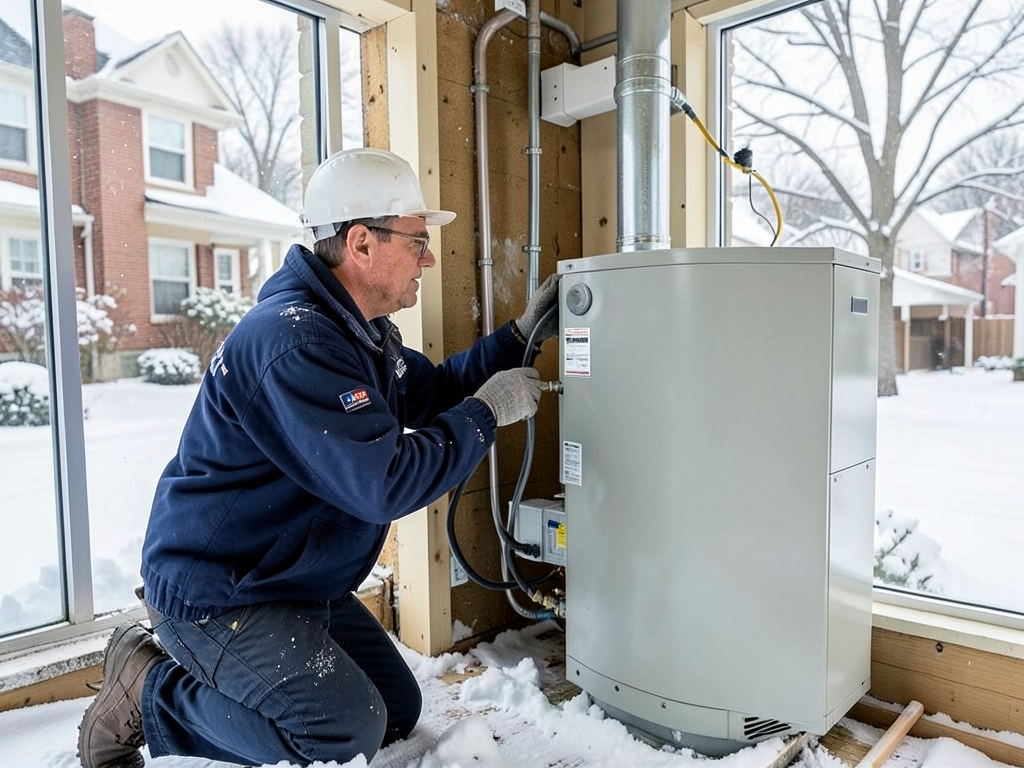
Why Hartford’s Climate Makes Hybrid Systems Attractive
Hartford experiences Connecticut’s signature climate pattern: humid summers requiring robust air conditioning and freezing winters demanding reliable heating. The city sits in USDA Hardiness Zone 6b where winter lows regularly reach 0-10 degrees Fahrenheit. Reliable Commercial HVAC Maintenance for Businesses in Downtown Hartford.
Standard heat pumps lose about 40% of their heating capacity when temperatures drop from 47 degrees to 17 degrees. During Hartford’s typical January cold snaps when overnight lows hit the teens heat pumps must rely on expensive auxiliary electric resistance heat to maintain comfort.
Hybrid systems solve this by using the heat pump’s efficiency during mild weather and switching to the furnace when temperatures drop below the optimal range. The furnace provides consistent heat output regardless of outdoor temperature while the heat pump handles the majority of heating hours during Connecticut’s transitional seasons.. Read more about Getting Your HVAC System Ready for a Harsh New England Winter Before the First Frost.
Hartford’s proximity to the Connecticut River creates microclimates where temperatures can vary significantly across short distances. Homes in flood-prone areas like the Hartford Meadows may experience colder conditions due to higher humidity levels near the water.
Cost Analysis: Operating Expenses in Connecticut
Connecticut has some of the highest electricity rates in the continental United States averaging 21.4 cents per kilowatt-hour as of 2026. Natural gas prices in Hartford average $1.55 per therm. These rates create a complex cost calculation for heating systems.
Standard heat pumps cost approximately $0.18-$0.22 per hour to operate in moderate temperatures. When temperatures drop and the system relies on auxiliary heat costs jump to $0.35-$0.45 per hour. Hybrid systems use the heat pump when electricity rates are lower typically during off-peak hours and switch to gas when it becomes more economical.
A typical Hartford home using a standard heat pump might spend $1,800-$2,200 annually on heating. The same home with a hybrid system could reduce costs to $1,400-$1,800 depending on natural gas prices and the efficiency of both components.
| System Type | Average Annual Heating Cost | Upfront Investment | Break-even Period |
|---|---|---|---|
| Standard Heat Pump | $1,800-$2,200 | $8,000-$12,000 | 5-7 years |
| Hybrid Dual Fuel | $1,400-$1,800 | $12,000-$16,000 | 7-10 years |
| High-Efficiency Gas Furnace | $1,600-$2,000 | $6,000-$9,000 | 3-5 years |
Energize Connecticut Rebates and Federal Tax Credits
Connecticut homeowners can access substantial incentives through Energize Connecticut programs administered by United Illuminating and Eversource. These rebates significantly reduce the cost difference between standard and hybrid systems. Energize Connecticut.
The Energize Connecticut Heat Pump Rebate Program offers up to $10,000 for qualifying air-source heat pump installations. Systems must meet minimum efficiency requirements of HSPF2 8.2 and SEER2 15.0 to qualify for the maximum rebate.
Federal tax credits under the Inflation Reduction Act provide an additional 30% credit up to $2,000 for qualifying heat pump installations. Hybrid systems with qualifying components can claim the full credit amount.
Connecticut Natural Gas customers may qualify for additional rebates of $300-$500 when installing high-efficiency furnaces as part of a hybrid system. These rebates stack with the Energize Connecticut incentives.
The application process requires submitting proof of purchase, equipment efficiency ratings, and installation documentation. Most contractors handle rebate paperwork as part of their service but homeowners should verify all requirements before installation.. Read more about Everything You Should Know Before Installing Radiant Floor Heating in Your Farmington Remodel.
Technical Specifications for Hartford Homes
Heat pump sizing for Hartford requires careful calculation of heating and cooling loads. A typical 2,000 square foot home in Hartford needs a 3-4 ton system depending on insulation levels and window efficiency.
HSPF2 ratings measure heating efficiency in cold climates. Hartford homes should target systems with HSPF2 ratings above 9.0 for optimal performance. SEER2 ratings for cooling efficiency should exceed 16.0 to handle Connecticut’s humid summers.
Variable speed compressors provide better humidity control and more consistent temperatures than single-stage units. These systems run at lower speeds for longer periods reducing temperature swings and improving comfort. Compressor Failure Repair.
Furnace sizing for hybrid systems typically ranges from 60,000 to 100,000 BTU depending on home size and insulation. Two-stage or modulating furnaces provide better integration with heat pumps and more precise temperature control.
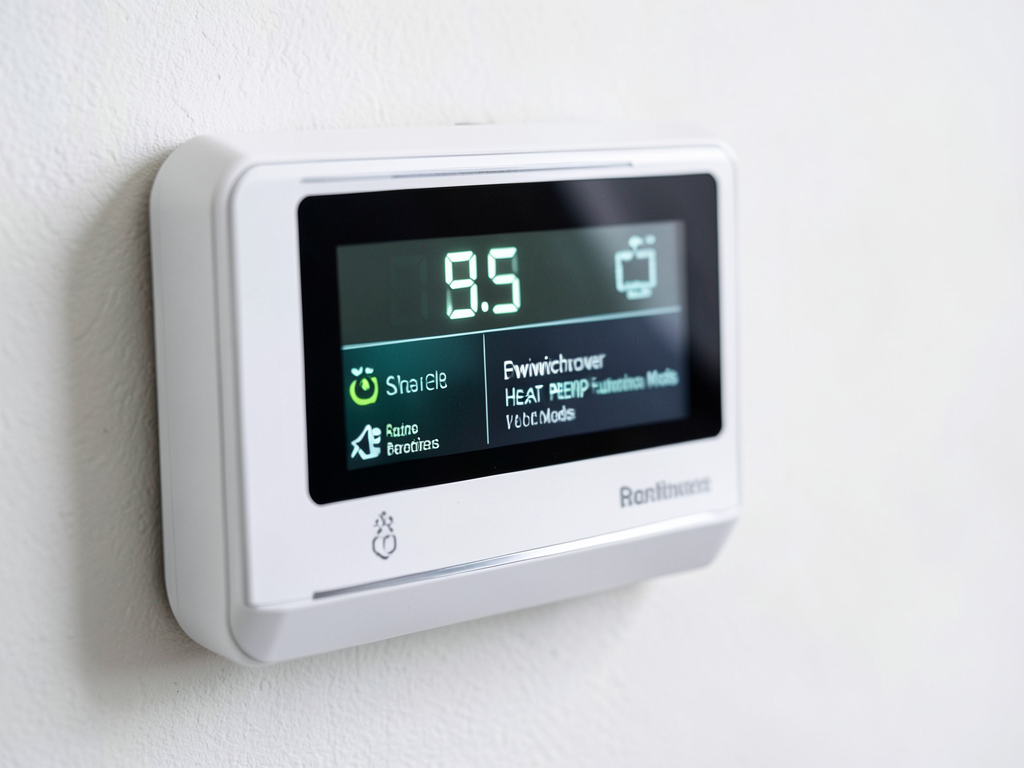
Smart thermostats designed for hybrid systems include outdoor temperature sensors and can be programmed with specific switchover points. These thermostats learn your home’s heating patterns and optimize fuel usage automatically.
Installation Considerations for Hartford Properties
Hartford’s mix of historic and modern homes creates unique installation challenges. Victorian homes in the West End often require ductwork modifications to accommodate modern HVAC systems. Many of these homes have radiators that can be integrated with hybrid systems.
Older homes in Hartford may have asbestos insulation or lead paint requiring special handling during installation. Contractors must follow EPA guidelines for renovation repair and painting when working in pre-1978 homes.. Read more about A Homeowners Guide to HVAC Financing and Payment Plans in Greater Hartford.
Urban homes in downtown Hartford face space constraints for outdoor units. Heat pump condensers need 24-36 inches of clearance for proper airflow. Some installations require rooftop placement or compact wall-mounted units.
Hartford’s high water table affects installation locations. Equipment must be elevated above potential flood levels especially in areas near the Connecticut River. Condensate drains require proper pitch to prevent freezing in winter.
Electrical service capacity often limits system choices. Older Hartford homes may need electrical panel upgrades to support heat pump systems. Most heat pumps require 240-volt dedicated circuits with 30-50 amp breakers.
Maintenance Requirements and Longevity
Hybrid systems require maintenance for both heat pump and furnace components. Annual professional maintenance includes checking refrigerant levels cleaning coils and testing electrical connections on the heat pump side.
Furnace maintenance involves inspecting heat exchangers checking gas pressure and cleaning burners. The ignition system requires testing to ensure reliable operation during cold weather.
Air filters should be replaced every 1-3 months depending on usage and indoor air quality. Hartford’s pollen seasons in spring and fall may require more frequent filter changes.
Heat pumps typically last 12-15 years while furnaces often reach 15-20 years. Hybrid systems may have slightly shorter lifespans due to the complexity of having two heating sources but the ability to switch between them can actually extend overall system life.. Read more about The Real Difference Between Cheap Air Filters and Whole Home Air Scrubbers.
Emergency service availability becomes critical during Hartford’s coldest months. Choose contractors with 24/7 service capabilities and stocked parts inventory to minimize downtime during winter emergencies.
Environmental Impact and Carbon Footprint
Standard heat pumps produce zero on-site emissions making them environmentally friendly when powered by clean electricity. Connecticut’s grid includes significant renewable energy sources reducing the carbon footprint of electric heating.
Hybrid systems reduce carbon emissions by using the heat pump for the majority of heating hours. The gas furnace only operates when necessary typically during the coldest periods when renewable energy availability is lowest.
A standard heat pump in a Hartford home might produce 3-4 tons of CO2 annually depending on electricity source. A hybrid system could reduce this to 2-3 tons by minimizing electric resistance heating use.
Natural gas burns cleaner than oil producing about 30% less CO2 per BTU. Switching from oil to a hybrid system can cut heating-related emissions by up to 40% in older Hartford homes.
Smart thermostats in hybrid systems optimize energy usage by learning your schedule and weather patterns. These devices can reduce energy consumption by 10-15% through intelligent scheduling and temperature setbacks.
Making Your Decision: Key Factors to Consider
Your home’s age and construction type significantly impact system selection. Homes built before 1950 often have insufficient insulation requiring careful load calculations to avoid undersized systems.
Current heating fuel affects the economics of switching. Oil-heated homes benefit most from hybrid systems due to oil’s high operating costs. Natural gas users see smaller savings but gain reliability during extreme cold.
Local electricity rates matter more than national averages. Hartford’s rates exceed the national average by nearly 50% making the efficiency advantage of heat pumps even more important.
Available space for outdoor equipment can eliminate hybrid options for some properties. Condenser units need adequate airflow and protection from snow accumulation.
Your comfort preferences influence the choice. Some homeowners prefer the consistent heat output of furnaces while others appreciate the energy efficiency of heat pumps during mild weather.
Long-term plans for the property affect the calculation. If you plan to stay less than five years a standard heat pump might offer better value. Longer ownership favors the efficiency gains of hybrid systems.
Call (959) 203-9992 for Your Free Hybrid System Assessment
Don’t guess about your heating future. Our Hartford-based technicians understand Connecticut’s unique climate challenges and can evaluate your specific home requirements. We’ll analyze your current energy usage compare operating costs and identify available rebates to give you a clear picture of your best option.
Call (959) 203-9992 today to schedule your free assessment. Our team will inspect your existing equipment evaluate your home’s insulation and provide a detailed recommendation with exact cost comparisons. Don’t wait until the next cold snap leaves you shivering. Pick up the phone and call (959) 203-9992 before winter arrives.
Frequently Asked Questions
How long does it take to install a hybrid dual fuel system?
Most hybrid system installations in Hartford require 2-3 days for complete replacement. This includes removing old equipment installing new components and testing the integrated system. Complex installations in historic homes may require additional time for ductwork modifications.
Can I keep my existing furnace and just add a heat pump?
Yes many Hartford homeowners add heat pumps to existing furnaces creating hybrid systems. This approach reduces upfront costs but may limit efficiency gains compared to matched system installations. Your technician can evaluate compatibility and recommend the best approach.
What maintenance does a hybrid system require?
Hybrid systems need bi-annual maintenance checks one for cooling season and one for heating season. This includes cleaning coils checking refrigerant levels inspecting furnace components and testing the switchover controls. Professional maintenance ensures both systems operate efficiently and prevents costly breakdowns.
Are hybrid systems worth it for small Hartford homes?
Small homes under 1,500 square feet can still benefit from hybrid systems especially if currently using electric resistance or oil heat. The smaller equipment sizes reduce upfront costs and the efficiency gains provide quicker payback periods in compact spaces.
How do I know if my home qualifies for Energize Connecticut rebates?
Most single-family homes in Hartford qualify for Energize Connecticut rebates. Requirements include meeting minimum efficiency standards having proper electrical service and using certified contractors. Your HVAC contractor can verify qualification and handle all rebate paperwork as part of the installation process.
- Evaluate Your Current System
Assess your existing heating equipment’s age efficiency and repair history. Note your current energy bills and comfort issues during cold weather.
- Calculate Your Home’s Heating Load
Have a professional perform a Manual J calculation to determine your home’s exact heating and cooling requirements based on square footage insulation and window efficiency.
- Compare Operating Costs
Request cost comparisons for standard heat pumps vs hybrid systems using your actual electricity and natural gas rates. Include potential rebate savings in your analysis.
- Consider Installation Requirements
Evaluate your home’s space for outdoor units electrical service capacity and any necessary ductwork modifications. Historic homes may face additional constraints.
- Select a Qualified Contractor
Choose a contractor with experience in hybrid systems NATE certification and knowledge of local building codes and rebate programs. Verify their license and insurance coverage. For more information, visit U.S. Energy Information Administration.
You may also find this helpful. Solving the Problem of Cold Upstairs Rooms in Your Multi Story Simsbury Home.
You may also find this helpful. Choosing the Right Size Central Air Unit for a Smaller Home in Northeast Hartford.
You may also find this helpful. Comparing the Top Three Brands of High Efficiency Furnaces for Connecticut Weather.
{
“@context”: “https://schema.org”,
“@type”: “BlogPosting”,
“headline”: “How to Choose Between a Standard Heat Pump and a Hybrid Dual Fuel System”,
“description”: “Compare standard heat pumps vs hybrid dual fuel systems for Hartford homes. Learn about Energize CT rebates, switchover temperatures, and which system works best for CT winters.”,
“wordCount”: 2135,
“datePublished”: “2026-03-09T10:12:00.000Z”,
“dateModified”: “2026-03-09T10:12:00.000Z”,
“inLanguage”: “en-US”,
“mainEntityOfPage”: {
“@type”: “WebPage”,
“@id”: “https://libertyhvachartford.com”
},
“publisher”: {
“@type”: “LocalBusiness”,
“name”: “Liberty HVAC Hartford”,
“url”: “https://libertyhvachartford.com”
},
“author”: {
“@type”: “Organization”,
“name”: “Liberty HVAC Hartford”,
“url”: “https://libertyhvachartford.com”
},
“image”: {
“@type”: “ImageObject”,
“url”: “https://libertyhvachartford.com/wp-content/uploads/2026/03/how-to-choose-between-a-standard-heat-pump-and-a-h-1.png”
}
}
{
“@context”: “https://schema.org”,
“@type”: “HVACBusiness”,
“name”: “Liberty HVAC Hartford”,
“url”: “https://libertyhvachartford.com”,
“address”: {
“@type”: “PostalAddress”,
“addressLocality”: “Hartford”
},
“areaServed”: {
“@type”: “City”,
“name”: “Hartford”
}
}
{
“@context”: “https://schema.org”,
“@type”: “FAQPage”,
“mainEntity”: [
{
“@type”: “Question”,
“name”: “How long does it take to install a hybrid dual fuel system?”,
“acceptedAnswer”: {
“@type”: “Answer”,
“text”: “Most hybrid system installations in Hartford require 2-3 days for complete replacement. This includes removing old equipment installing new components and testing the integrated system. Complex installations in historic homes may require additional time for ductwork modifications.”
}
},
{
“@type”: “Question”,
“name”: “Can I keep my existing furnace and just add a heat pump?”,
“acceptedAnswer”: {
“@type”: “Answer”,
“text”: “Yes many Hartford homeowners add heat pumps to existing furnaces creating hybrid systems. This approach reduces upfront costs but may limit efficiency gains compared to matched system installations. Your technician can evaluate compatibility and recommend the best approach.”
}
},
{
“@type”: “Question”,
“name”: “What maintenance does a hybrid system require?”,
“acceptedAnswer”: {
“@type”: “Answer”,
“text”: “Hybrid systems need bi-annual maintenance checks one for cooling season and one for heating season. This includes cleaning coils checking refrigerant levels inspecting furnace components and testing the switchover controls. Professional maintenance ensures both systems operate efficiently and prevents costly breakdowns.”
}
},
{
“@type”: “Question”,
“name”: “Are hybrid systems worth it for small Hartford homes?”,
“acceptedAnswer”: {
“@type”: “Answer”,
“text”: “Small homes under 1,500 square feet can still benefit from hybrid systems especially if currently using electric resistance or oil heat. The smaller equipment sizes reduce upfront costs and the efficiency gains provide quicker payback periods in compact spaces.”
}
},
{
“@type”: “Question”,
“name”: “How do I know if my home qualifies for Energize Connecticut rebates?”,
“acceptedAnswer”: {
“@type”: “Answer”,
“text”: “Most single-family homes in Hartford qualify for Energize Connecticut rebates. Requirements include meeting minimum efficiency standards having proper electrical service and using certified contractors. Your HVAC contractor can verify qualification and handle all rebate paperwork as part of the installation process.”
}
}
]
}
{
“@context”: “https://schema.org”,
“@type”: “HowTo”,
“name”: “How to Choose Your Heating System”,
“step”: [
{
“@type”: “HowToStep”,
“position”: 1,
“name”: “Evaluate Your Current System”,
“text”: “Assess your existing heating equipment’s age efficiency and repair history. Note your current energy bills and comfort issues during cold weather.”
},
{
“@type”: “HowToStep”,
“position”: 2,
“name”: “Calculate Your Home’s Heating Load”,
“text”: “Have a professional perform a Manual J calculation to determine your home’s exact heating and cooling requirements based on square footage insulation and window efficiency.”
},
{
“@type”: “HowToStep”,
“position”: 3,
“name”: “Compare Operating Costs”,
“text”: “Request cost comparisons for standard heat pumps vs hybrid systems using your actual electricity and natural gas rates. Include potential rebate savings in your analysis.”
},
{
“@type”: “HowToStep”,
“position”: 4,
“name”: “Consider Installation Requirements”,
“text”: “Evaluate your home’s space for outdoor units electrical service capacity and any necessary ductwork modifications. Historic homes may face additional constraints.”
},
{
“@type”: “HowToStep”,
“position”: 5,
“name”: “Select a Qualified Contractor”,
“text”: “Choose a contractor with experience in hybrid systems NATE certification and knowledge of local building codes and rebate programs. Verify their license and insurance coverage. For more information, visit U.S. Energy Information Administration.”
}
],
“image”: “https://libertyhvachartford.com/wp-content/uploads/2026/03/how-to-choose-between-a-standard-heat-pump-and-a-h-1.png”
}
{
“@context”: “https://schema.org”,
“@type”: “BreadcrumbList”,
“itemListElement”: [
{
“@type”: “ListItem”,
“position”: 1,
“name”: “Home”,
“item”: “https://libertyhvachartford.com”
},
{
“@type”: “ListItem”,
“position”: 2,
“name”: “Blog”,
“item”: “https://libertyhvachartford.com/blog”
},
{
“@type”: “ListItem”,
“position”: 3,
“name”: “How to Choose Between a Standard Heat Pump and a Hybrid Dual Fuel System”
}
]
}
{
“@context”: “https://schema.org”,
“@type”: “Service”,
“serviceType”: “HVAC”,
“provider”: {
“@type”: “LocalBusiness”,
“name”: “Liberty HVAC Hartford”,
“url”: “https://libertyhvachartford.com”
},
“areaServed”: {
“@type”: “City”,
“name”: “Hartford”
},
“description”: “Compare standard heat pumps vs hybrid dual fuel systems for Hartford homes. Learn about Energize CT rebates, switchover temperatures, and which system works best for CT winters.”
}